
Margaret Pace Park Cleanup
- December 13, 2025
- Miami, Florida
Event Overview
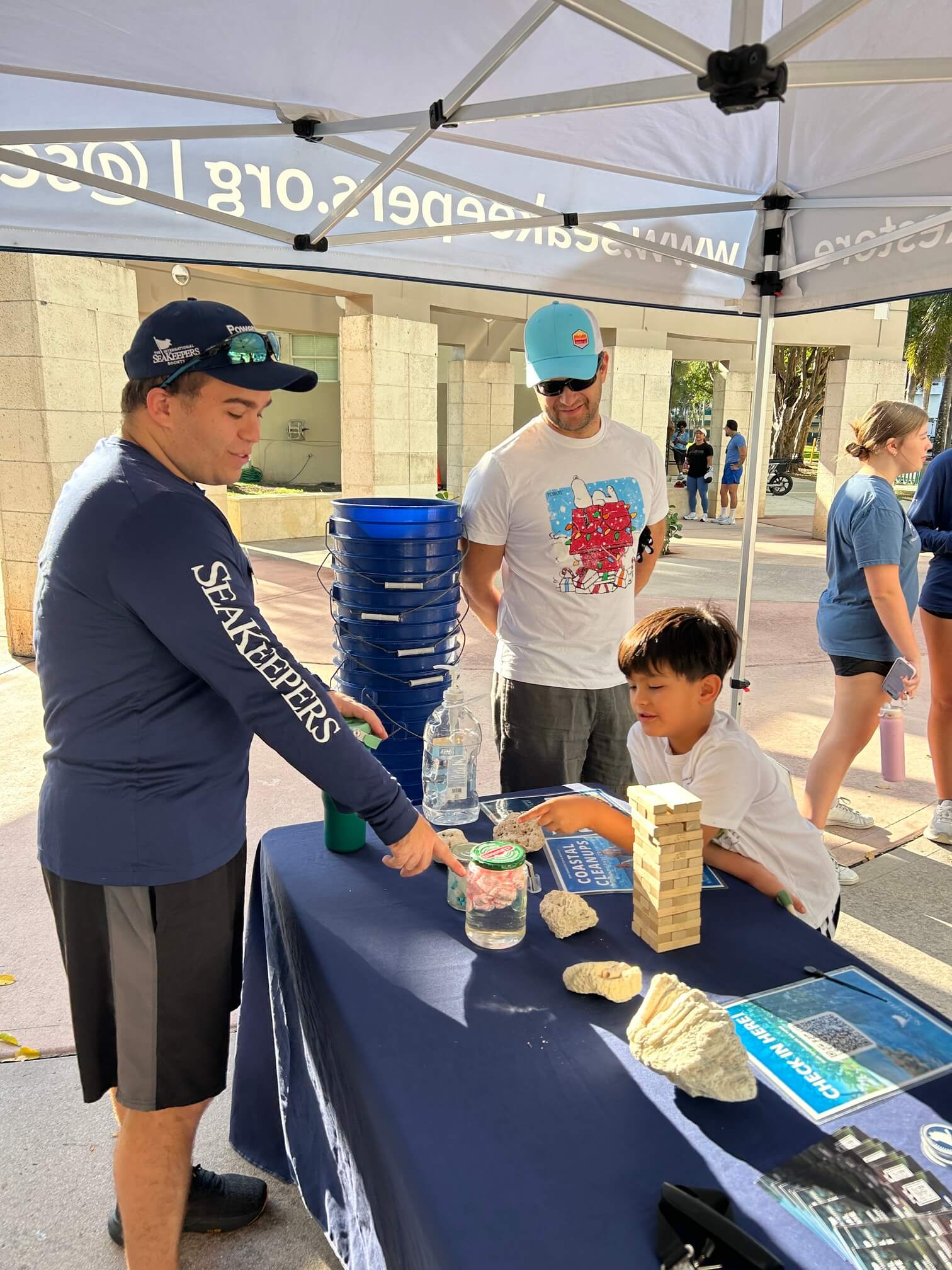
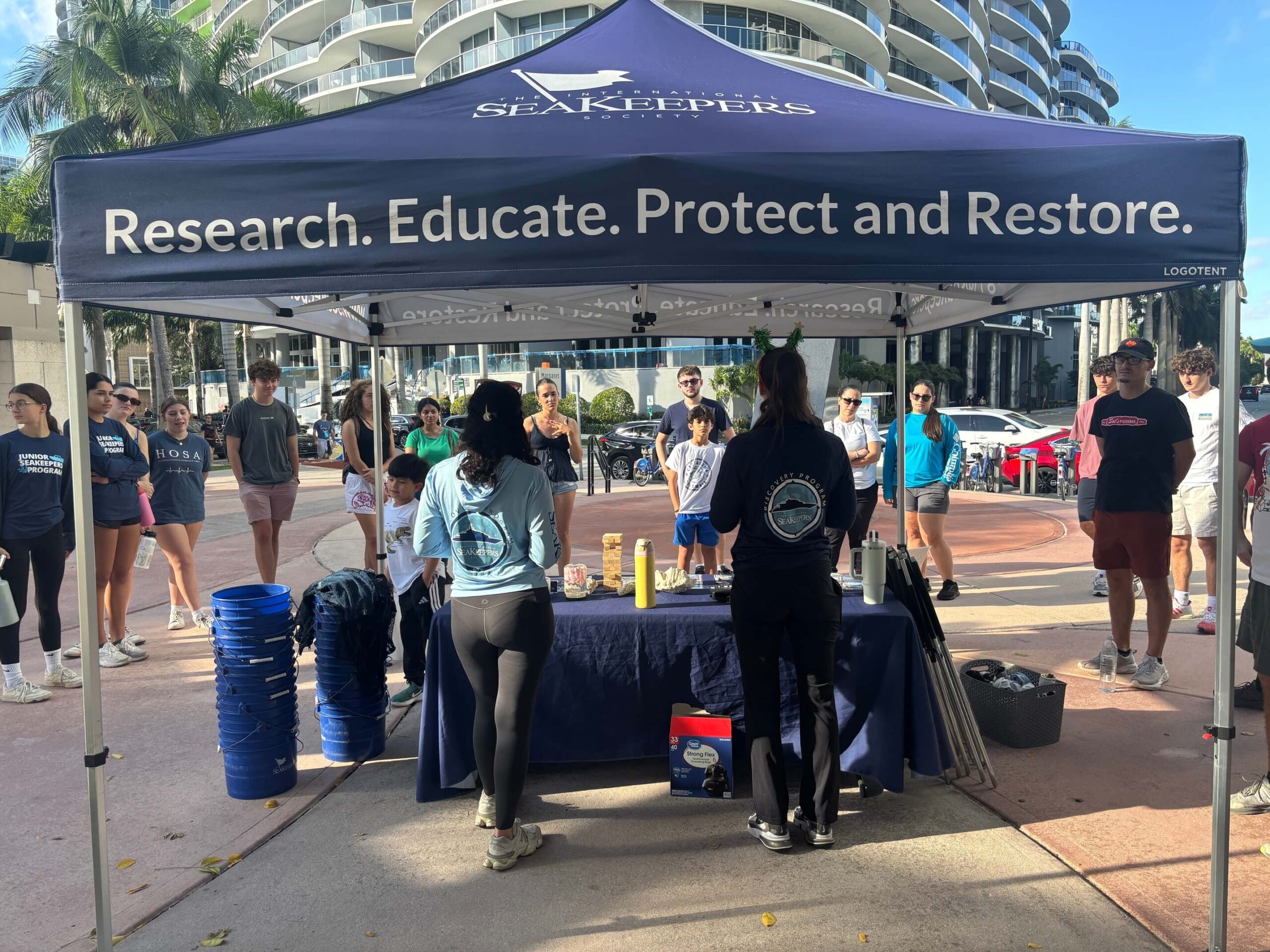
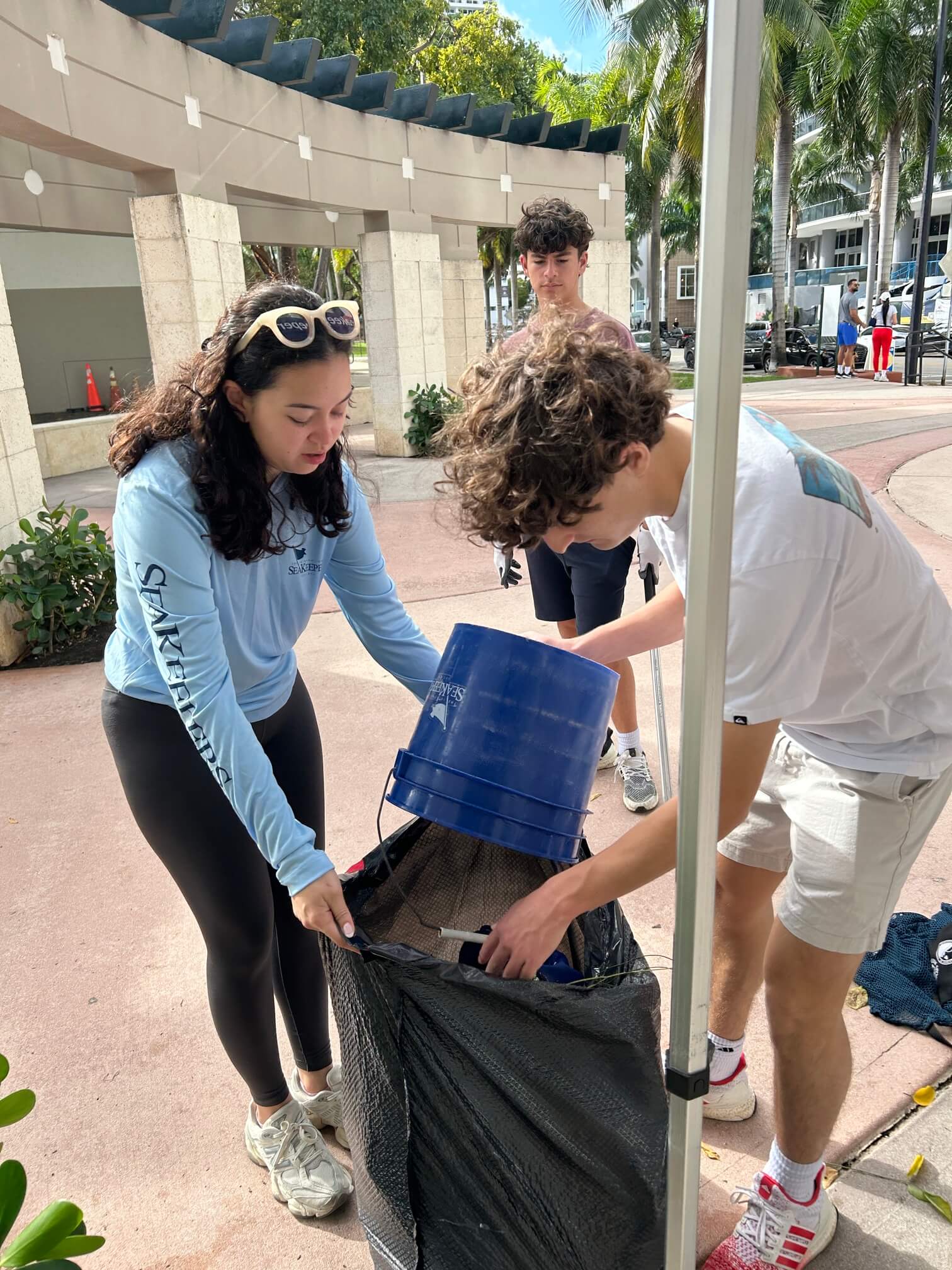
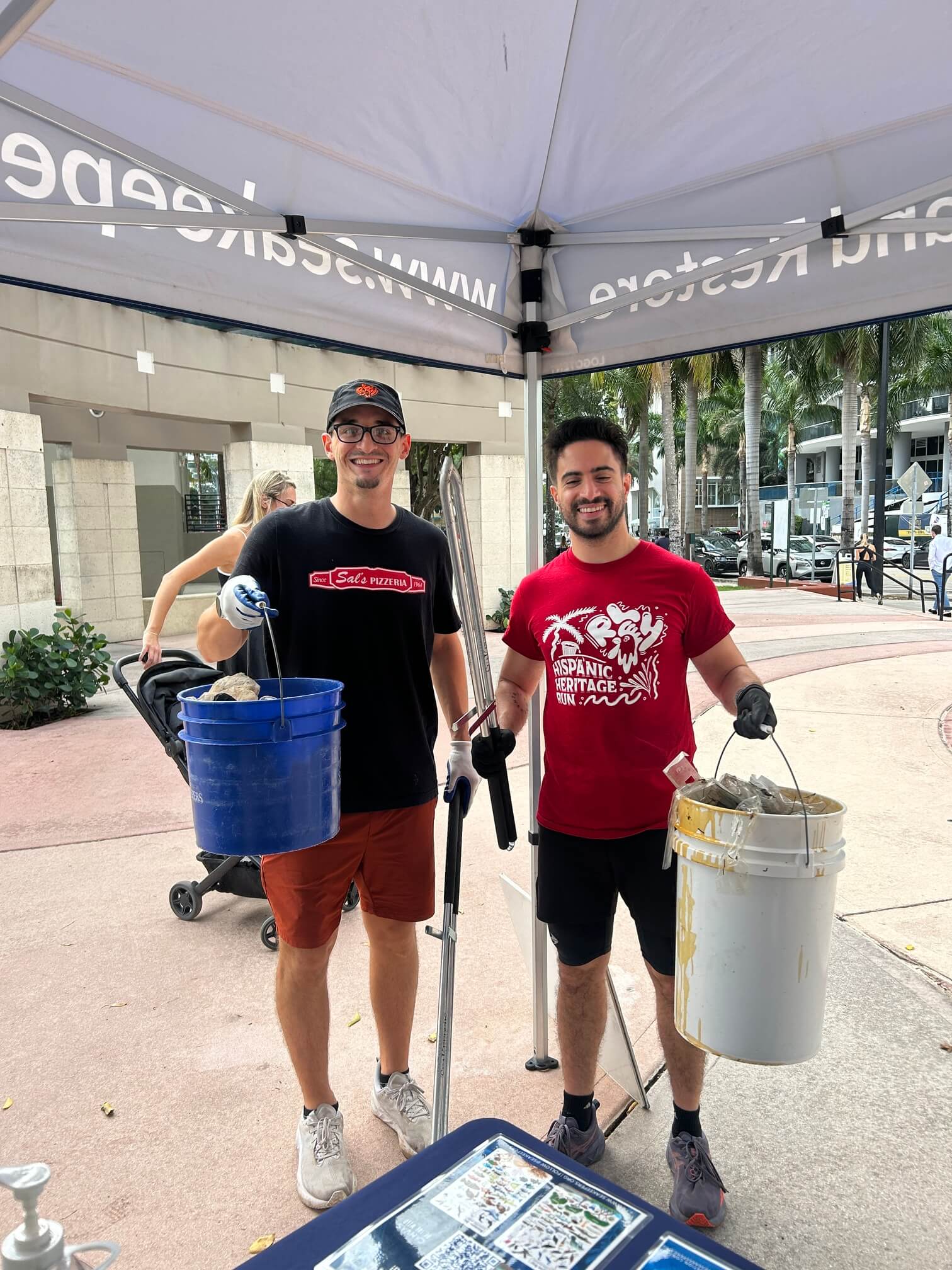
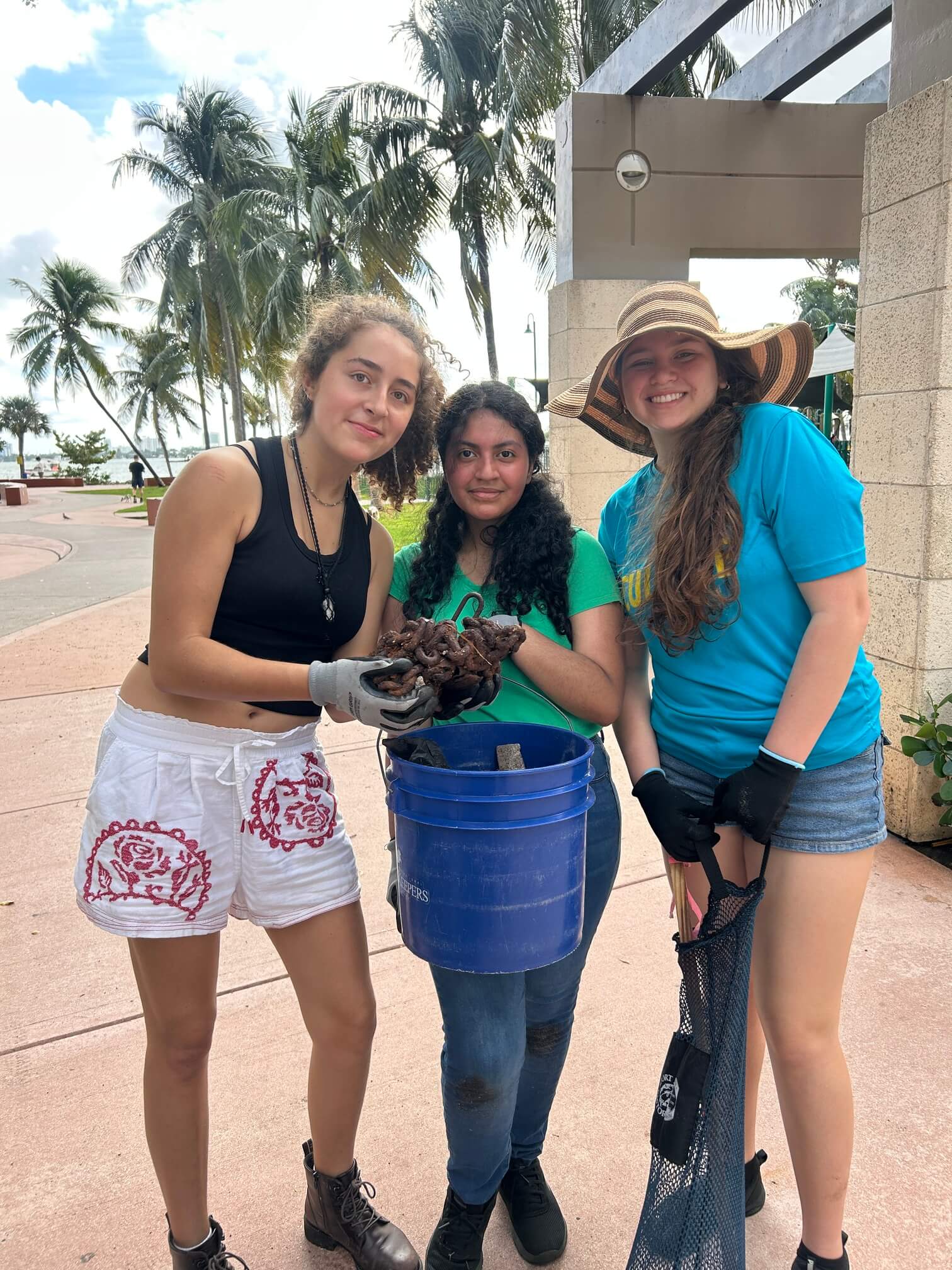
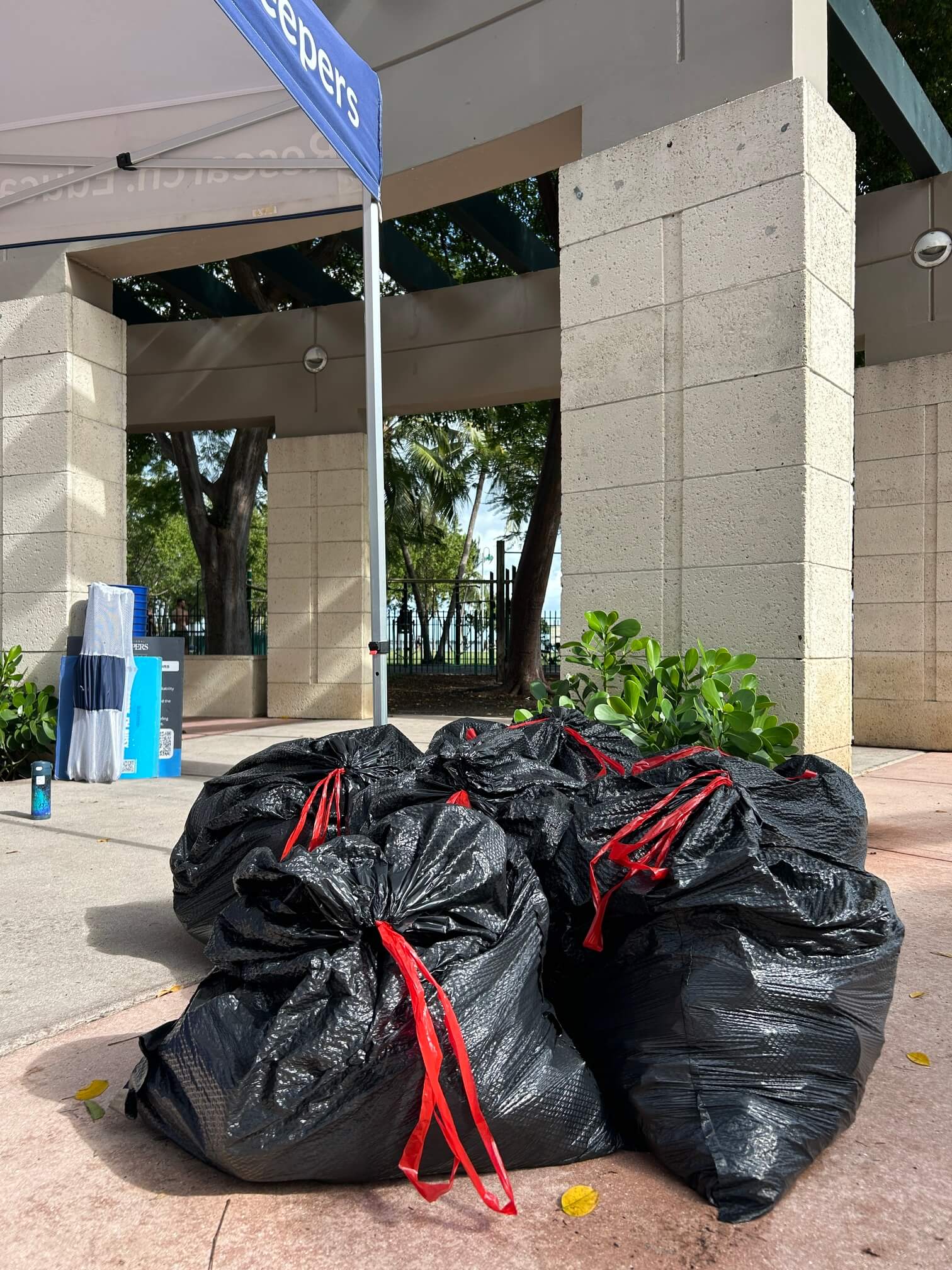
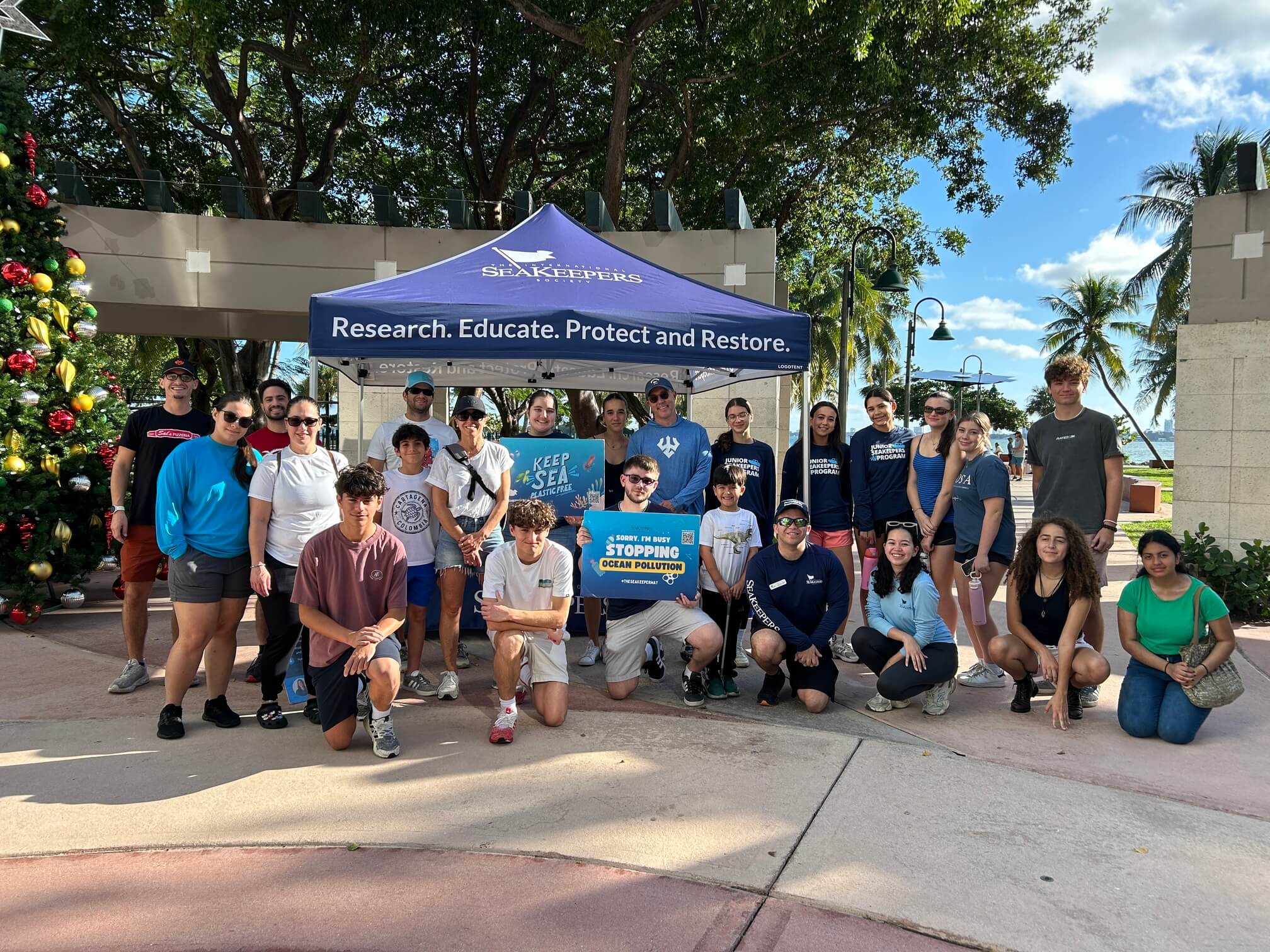
On Saturday, December 13, 2025, The International SeaKeepers Society returned to Margaret Pace Park for our last coastal cleanup of the year. This park is located in a busy neighborhood in Downtown Miami and sits right on the coast of Biscayne Bay, making it a consistent hotspot for marine debris. We were joined by 23 volunteers who gathered for a quick instructional briefing before grabbing their gear to remove any trash found in the grass, near the mangroves, on the rocky shoreline, or the surrounding streets. Our volunteers returned with endless bags and buckets of trash, even collecting an entire bag full of charcoal pellets stuck within the mangroves. Our most collected items included foam pieces, plastic fragments, and cigarette buts. We are so grateful to all the hard work of our volunteers who removed more than 157 pounds of trash from the park and surrounding water in under 2 hours. We finished the year off strong and can’t wait to see what the new year brings us and all the wonderful volunteers!
Marine Debris Tracker is a data collection app that allows the general public to contribute to an open-date platform and scientific research by recording the different types of litter, specifically plastic pollution, that they find in either inland or marine environments. Marine Debris Tracker was developed by the University of Georgia’s Jambeck Research Group, which SeaKeepers worked with in 2021 when the Jambeck Research Group collaborated with Ocean Conservancy to assess Miami’s plastic waste management, known as a Circularity Assessment Protocol. SeaKeepers again assisted the Jambeck Research Group’s Circularity Informatics Lab in 2022 with another Circularity Assessment Protocol in the Florida Keys. The researchers of the Jambeck Lab use the Marine Debris Tracker app to record their data, and with citizen scientists also using the app, more data can be collected in different areas. Using Marine Debris Tracker at our cleanups involves community members in creating a bigger picture of plastic pollution, and provides the means for new scientific findings to be generated as well as for effective local legislation to be informed. SeaKeepers is excited to be incorporating this app at our cleanups and continue our mission of coastal education, protection, and restoration. In this cleanup, 13% of volunteers participated in using the app to record data.
Photo Gallery