
SeaKeepers Presentation at the National Aquarium of New Zealand
- March 3, 2026
- Napier, New Zealand
Event Overview
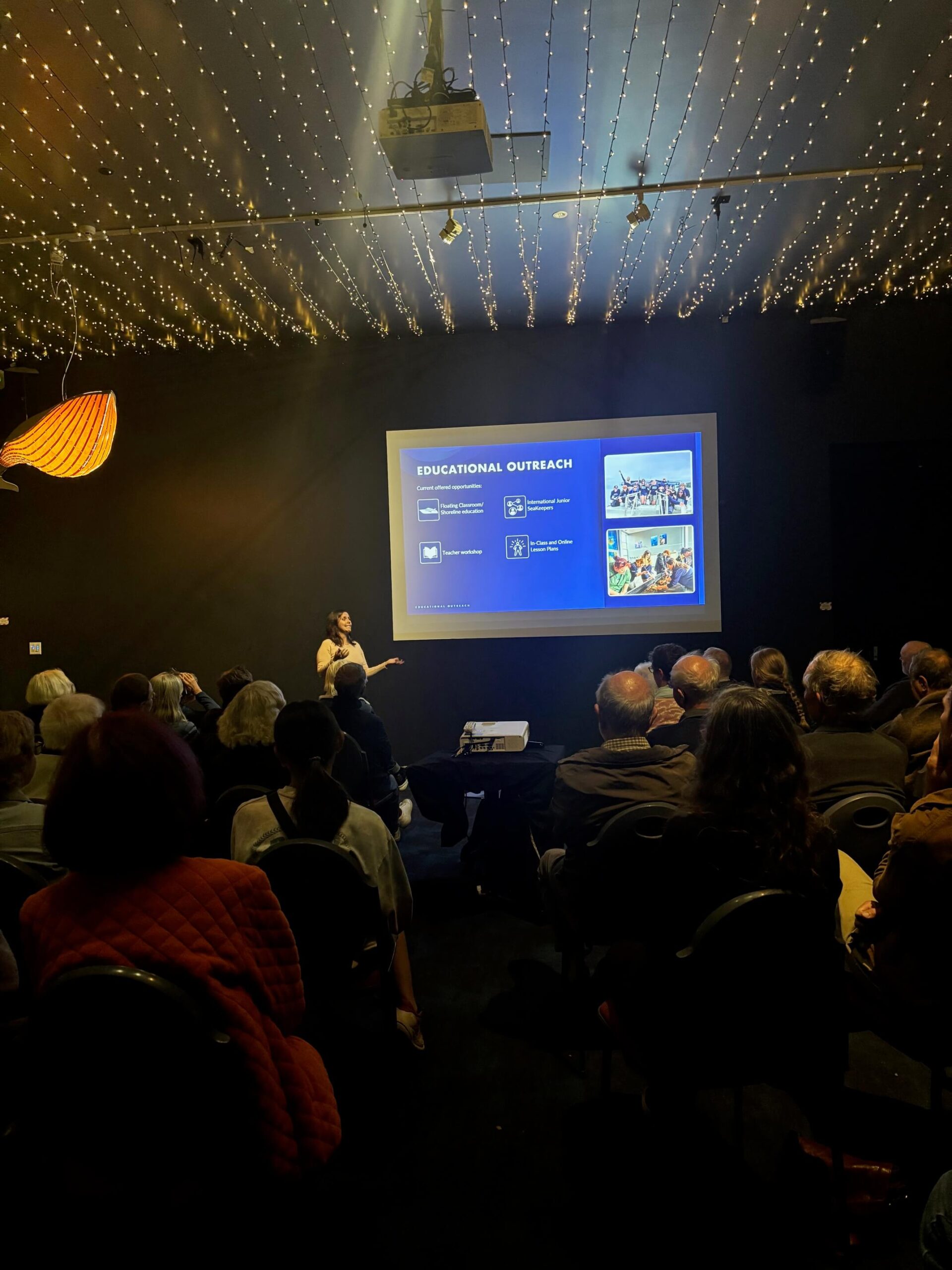
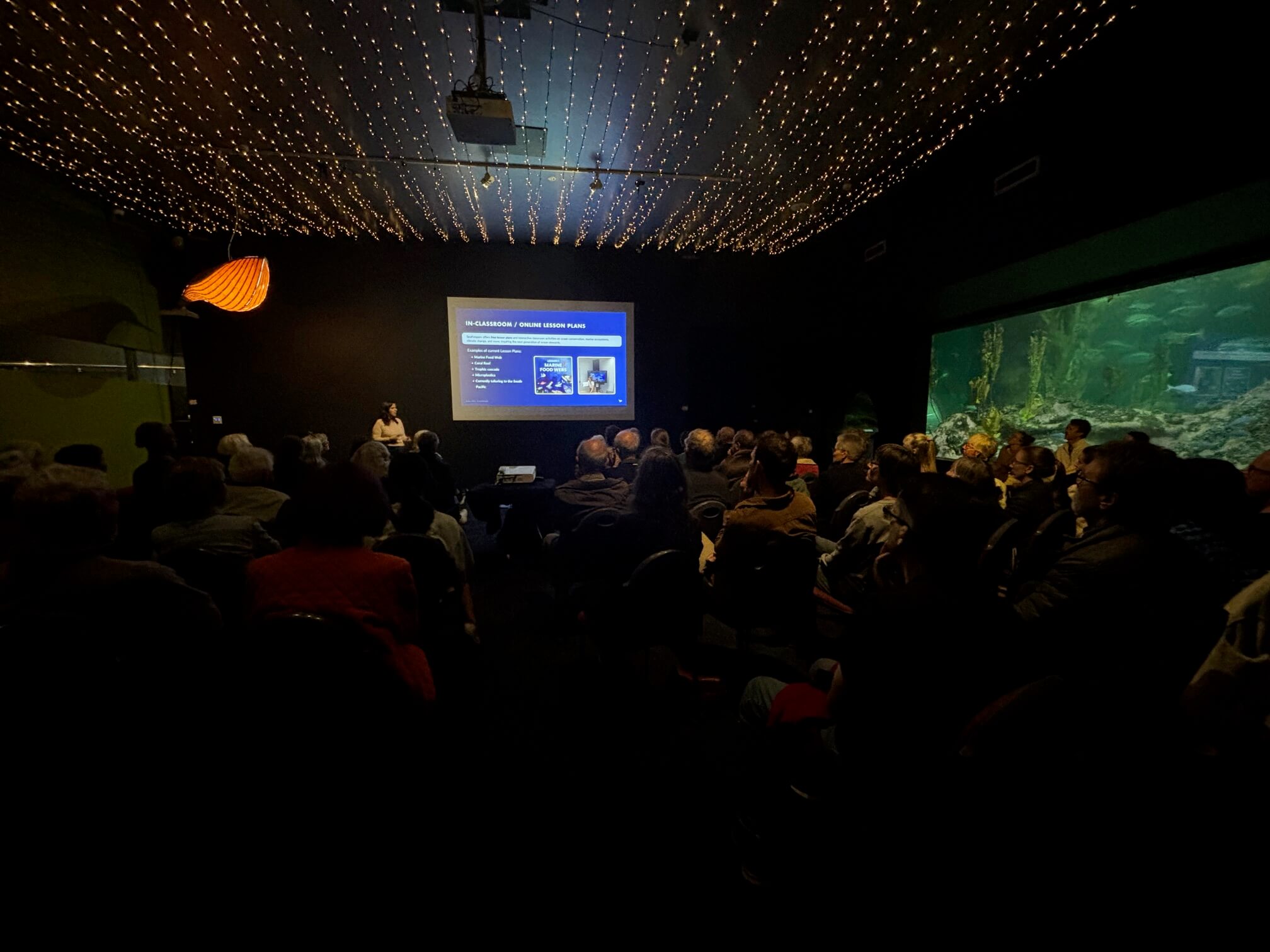
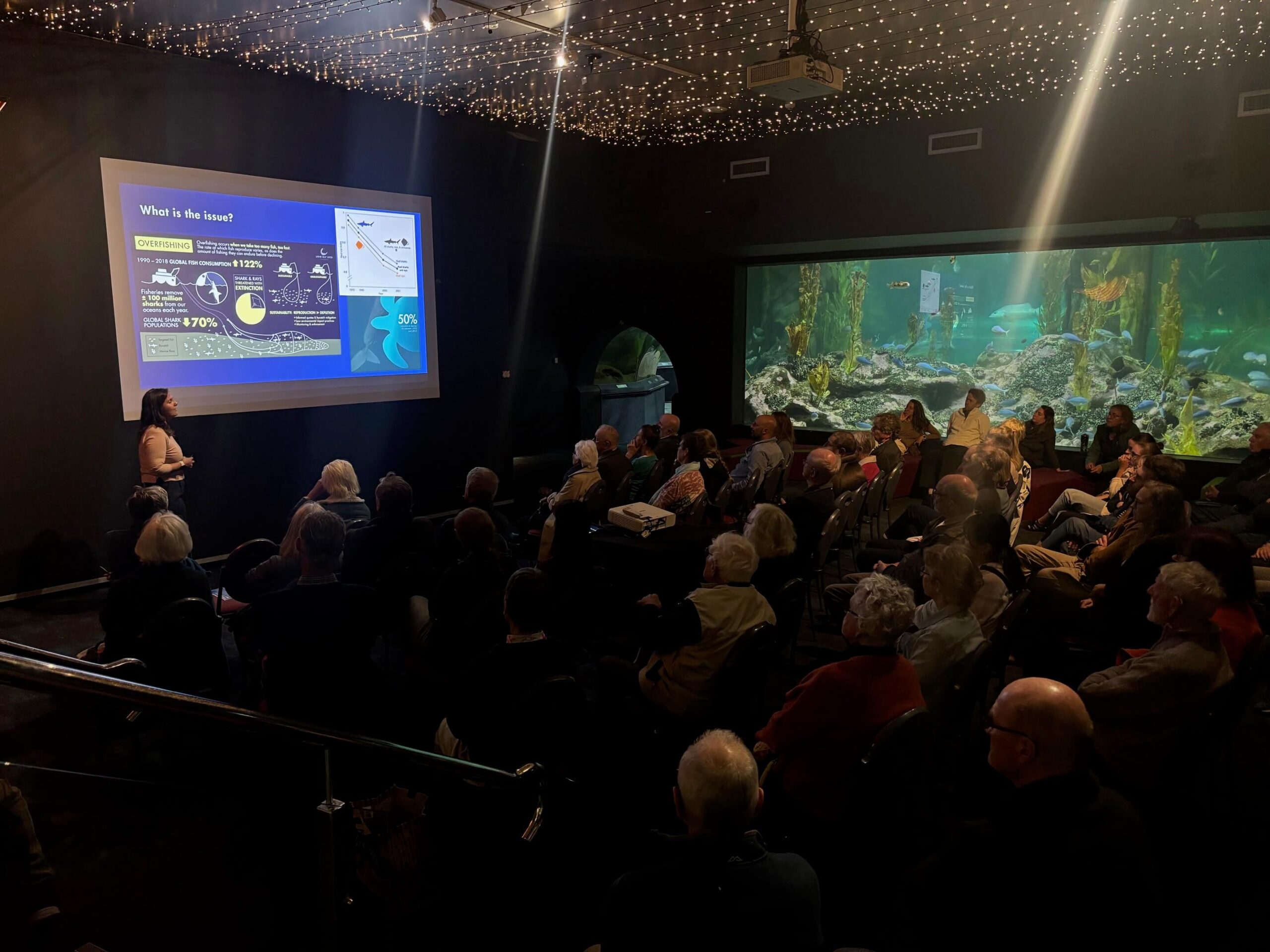
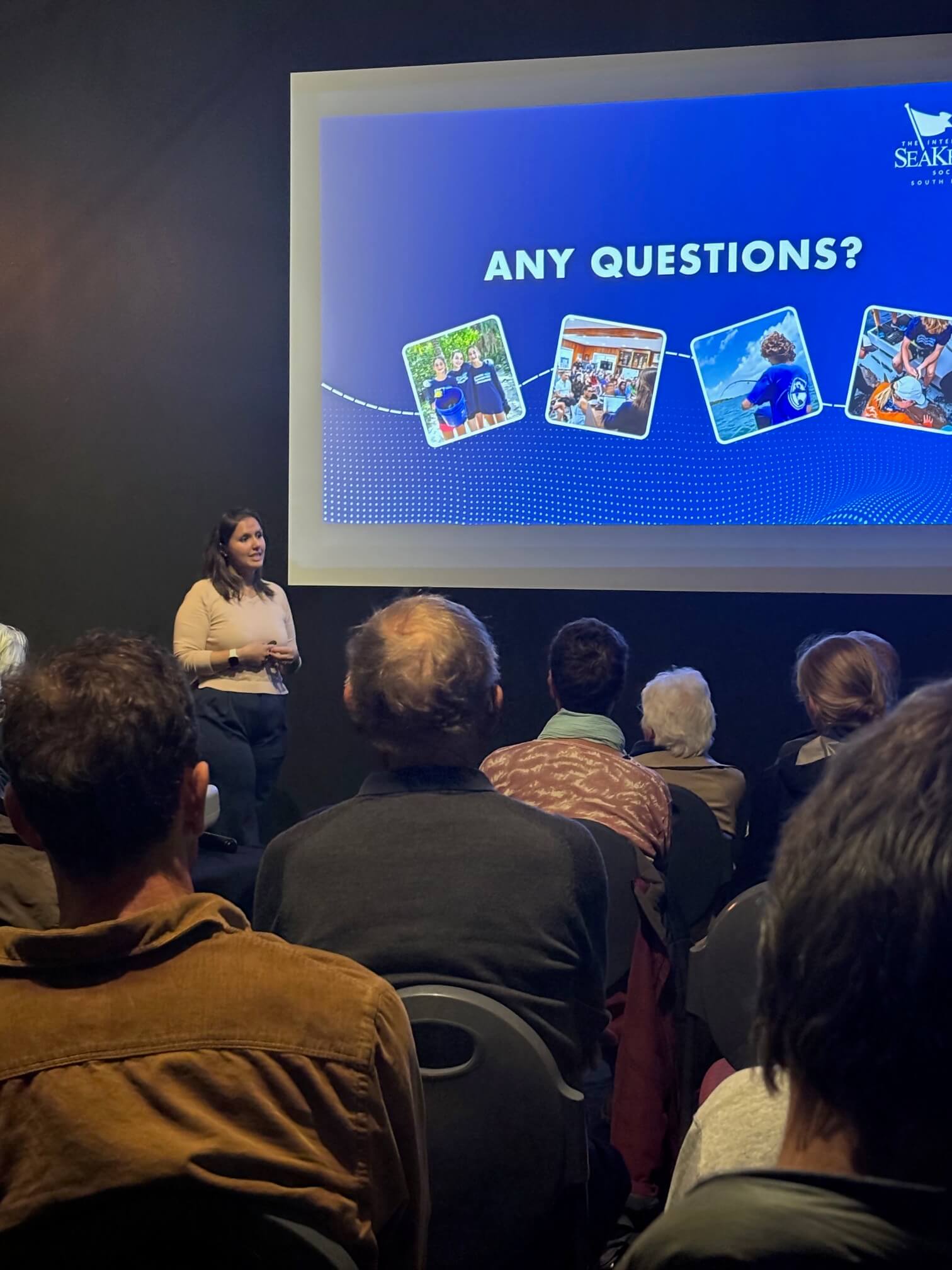
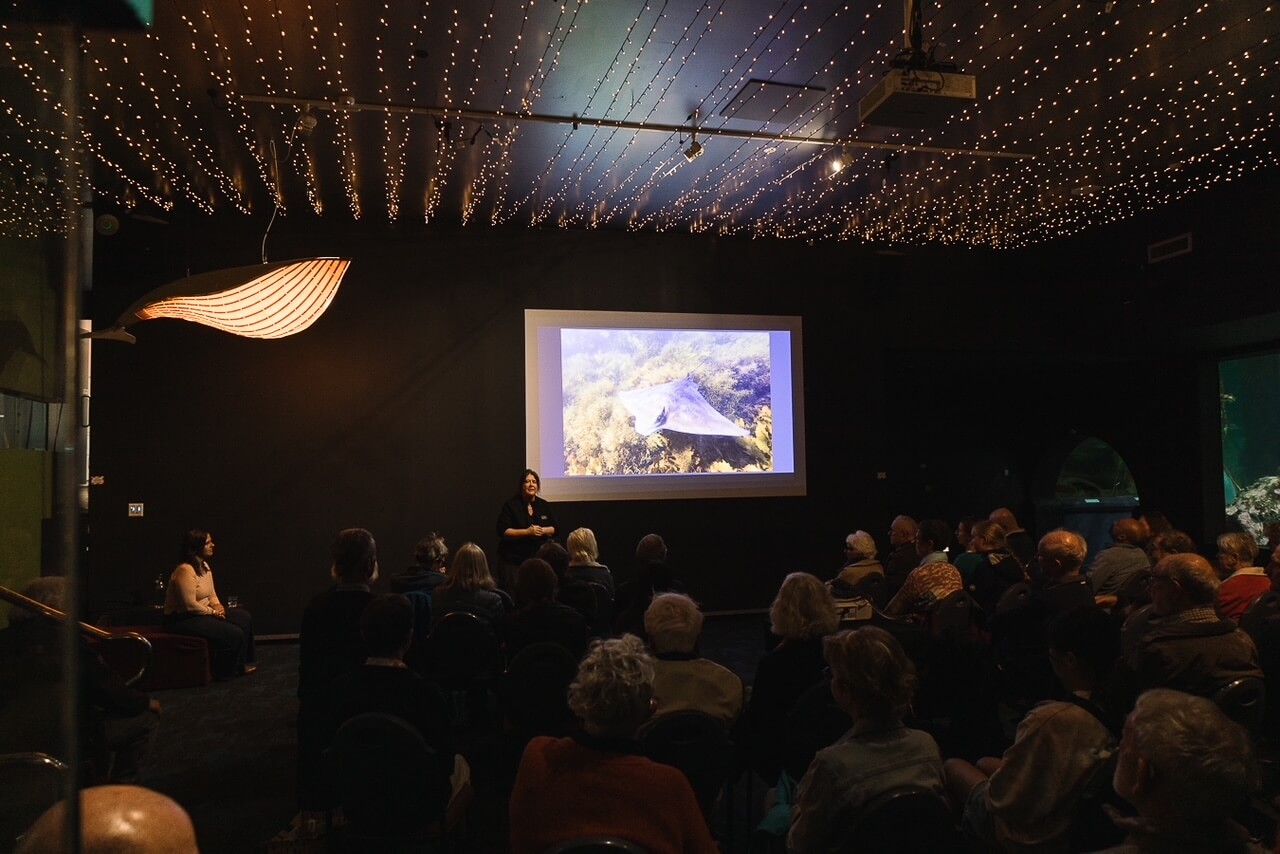
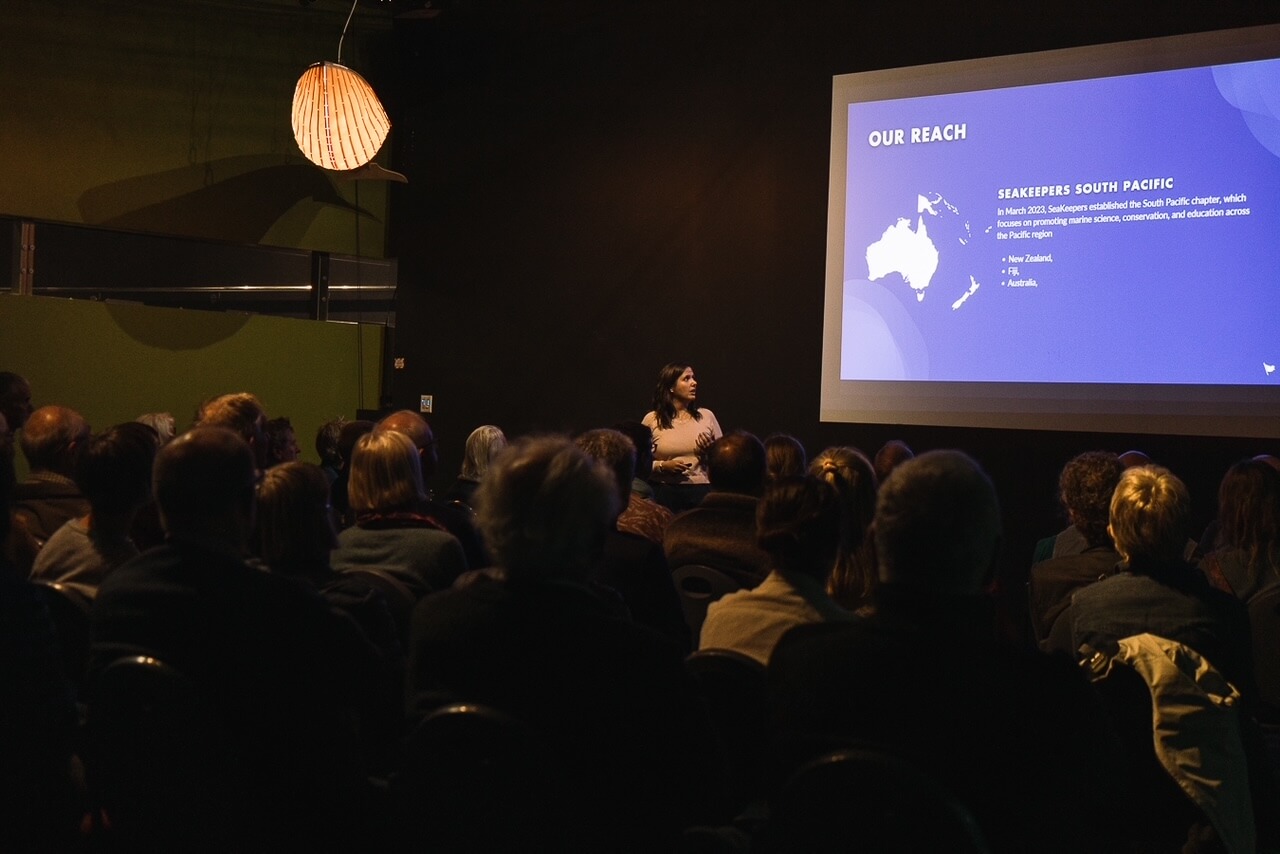
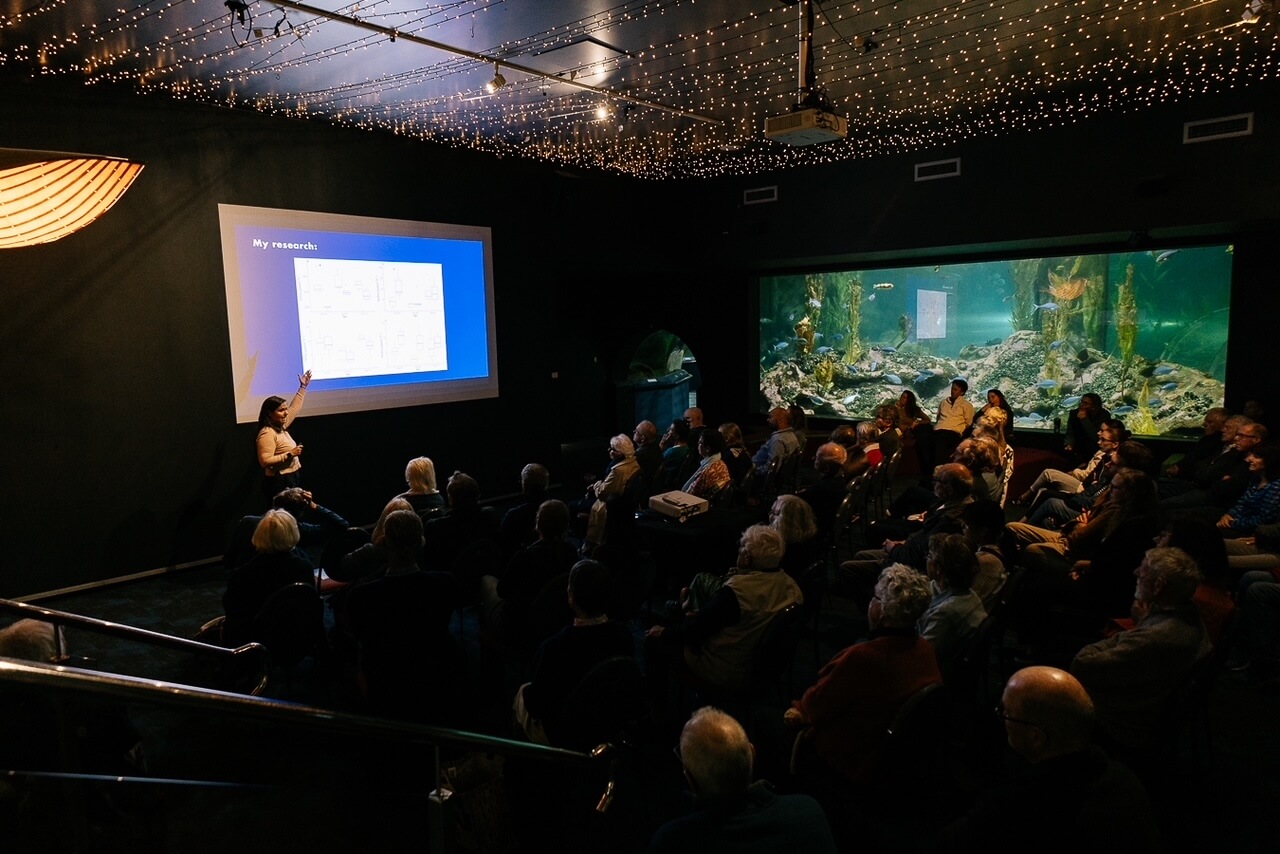
On 3 March, Alessandra Vallim, South Pacific Programme Manager for The International SeaKeepers Society, delivered a presentation at the National Aquarium of New Zealand in Napier, following an invitation from the Royal Society Te Apārangi. The talk was attended by 77 participants, including members of the scientific community, local environmental stakeholders, and members of the public interested in marine conservation.
The talk introduced SeaKeepers’ mission and highlighted the organisation’s work across the South Pacific, with a focus on its four pillars: Science, Conservation, Education, and Community Engagement. Alessandra presented several ongoing citizen science programmes, Science Learning Expeditions (SLEs), and educational initiatives currently being developed and implemented throughout the region in collaboration with researchers, local communities, and the maritime sector.
A key theme of the presentation was the importance of estuaries as critical coastal ecosystems. Estuaries serve as nurseries for fish, feeding grounds for migratory birds, and vital buffers that protect coastal communities from storms and flooding. They are also among the most productive ecosystems on Earth, supporting a rich diversity of marine and terrestrial life. The talk highlighted the ecological significance of Te Whanganui-a-Orotū (Ahuriri Estuary), located on the edge of Napier. The estuary is recognised as a nationally significant wildlife refuge, supporting dozens of fish species and over 70 species of waterbirds, as well as important wetland habitats and spawning grounds.
However, the estuary is also facing increasing anthropogenic pressures. Because it sits within the urban boundaries of Napier, the system receives stormwater runoff from much of the city’s residential, commercial, and industrial areas, as well as sediment and nutrient inputs from surrounding farmland. These pressures have at times resulted in concerns about long-term water quality and ecosystem health.
During the presentation, Alessandra emphasised that protecting estuaries requires collaboration between scientists, policymakers, local communities, and the maritime sector. SeaKeepers’ programmes aim to contribute to this effort by facilitating research platforms, supporting citizen science initiatives, and strengthening environmental awareness through education and outreach.
Partner Sites

Photo Gallery