
- DISCOVERY Yacht Neo
Kelp Restoration Collection in the Hauraki Gulf with ORA Reefs
- March 19, 2026
- Auckland, New Zealand
Project Overview
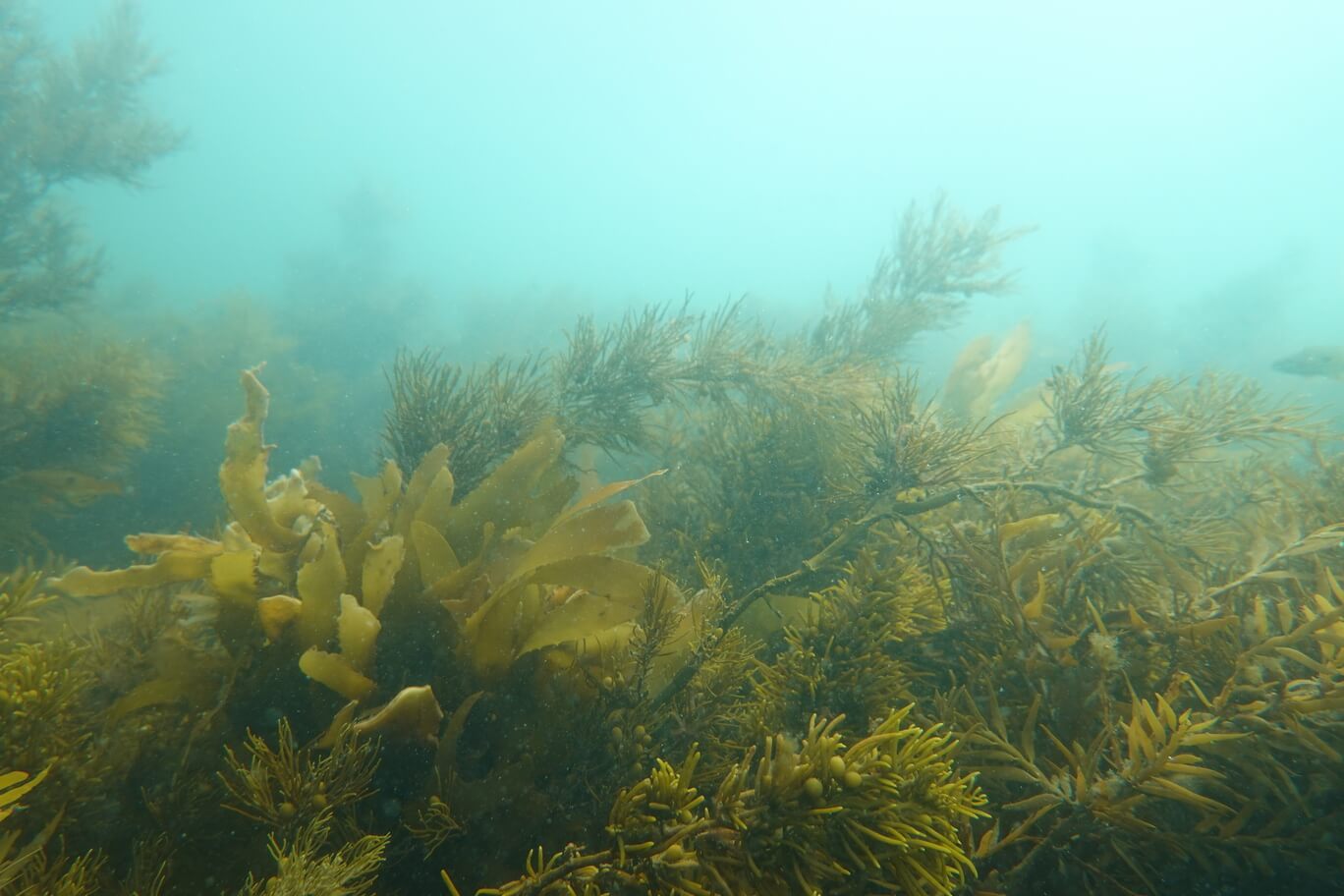
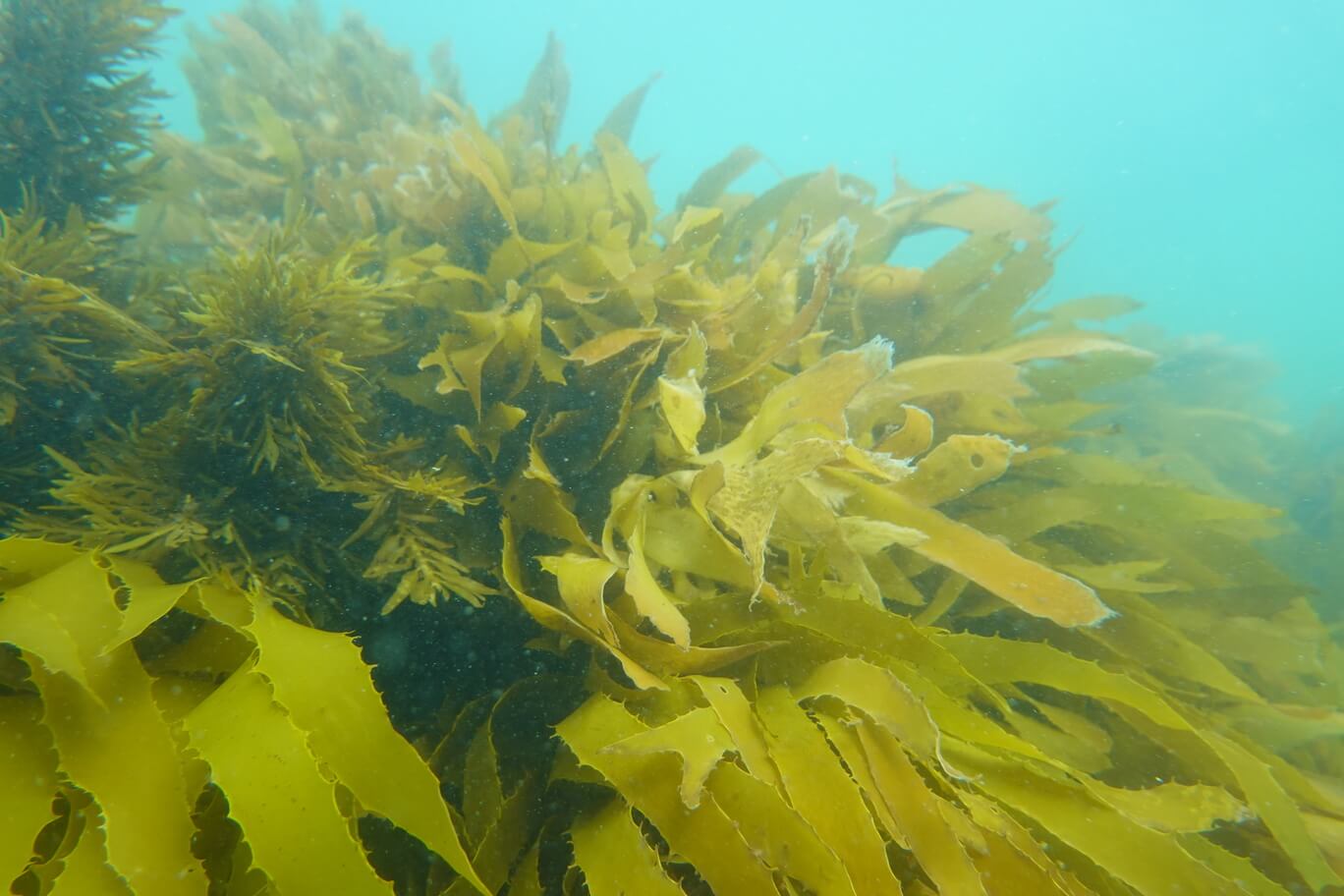
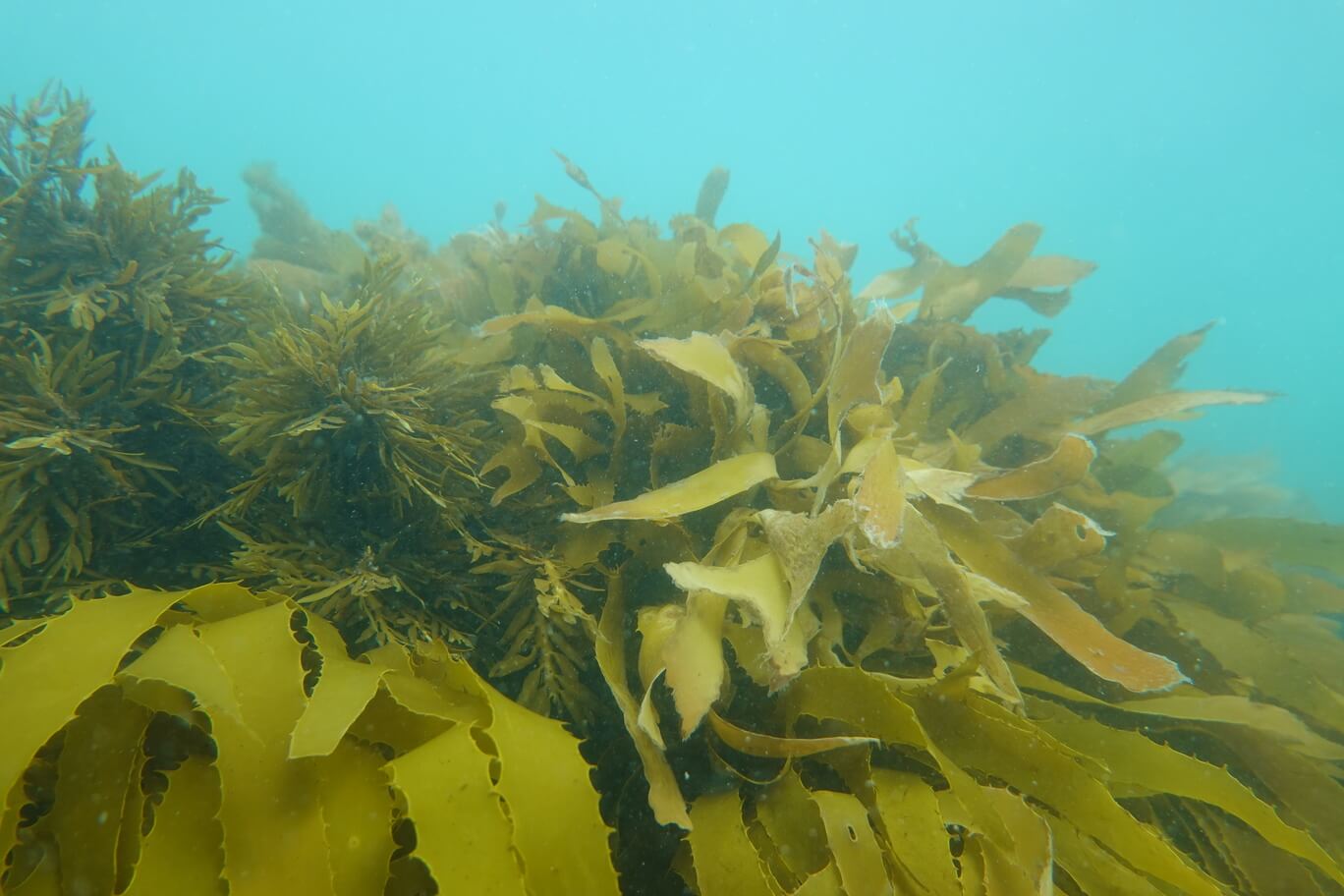
ORA Reefs is a practical, science-based marine restoration programme focused on rebuilding degraded marine ecosystems in the Hauraki Gulf / Tīkapa Moana, with a strong emphasis on restoring kelp forest habitats. Kelp systems in the Gulf are under ongoing pressure from multiple stressors. Overgrazing by kina (sea urchins) has led to widespread urchin barrens and reduced kelp cover, while additional pressures such as marine heatwaves, storm activity, and ocean warming continue to limit natural recovery.
To support restoration efforts, ORA Reefs is exploring active kelp reseeding as a complementary approach to kina removal. This work builds on experience developed through Greenwave Aotearoa, where native seaweed species are farmed and techniques in reproductive biology, hatchery propagation, and out-planting have been established. The goal is to apply this knowledge to help restore kelp forests in areas where natural regeneration is limited.
Application
The collected kelp samples will be processed in hatchery facilities in Auckland and Tauranga, where spores will be released under controlled conditions. Juvenile kelp will then be grown on suitable substrates for future out-planting at restoration sites within the Hauraki Gulf.
This work supports ongoing efforts to actively restore kelp forests, helping to rebuild critical marine habitats that support biodiversity and ecosystem health. By enabling access to key collection sites, SeaKeepers continues to play a role in supporting practical, on-the-ground restoration initiatives within the region.
Expedition Summary
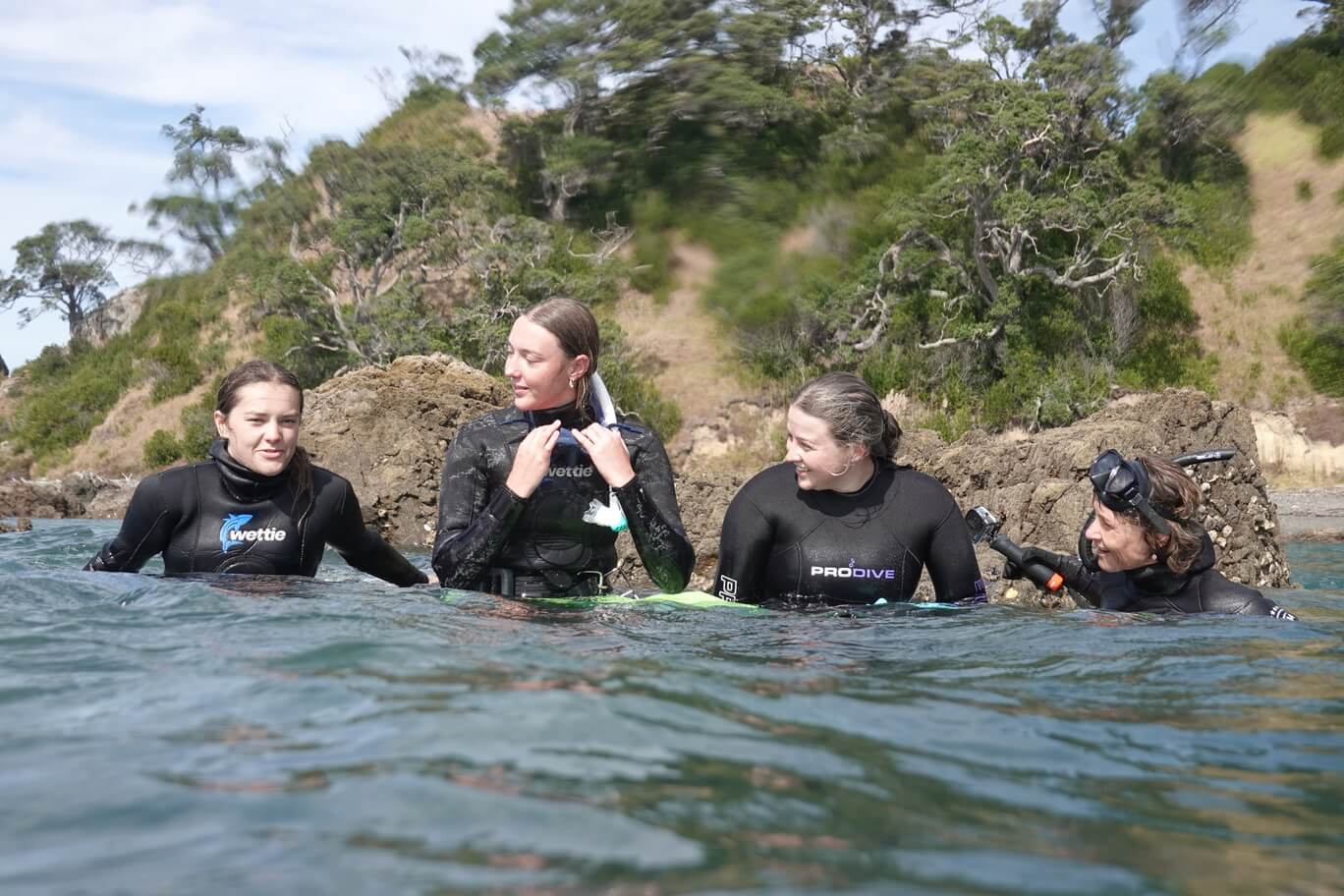
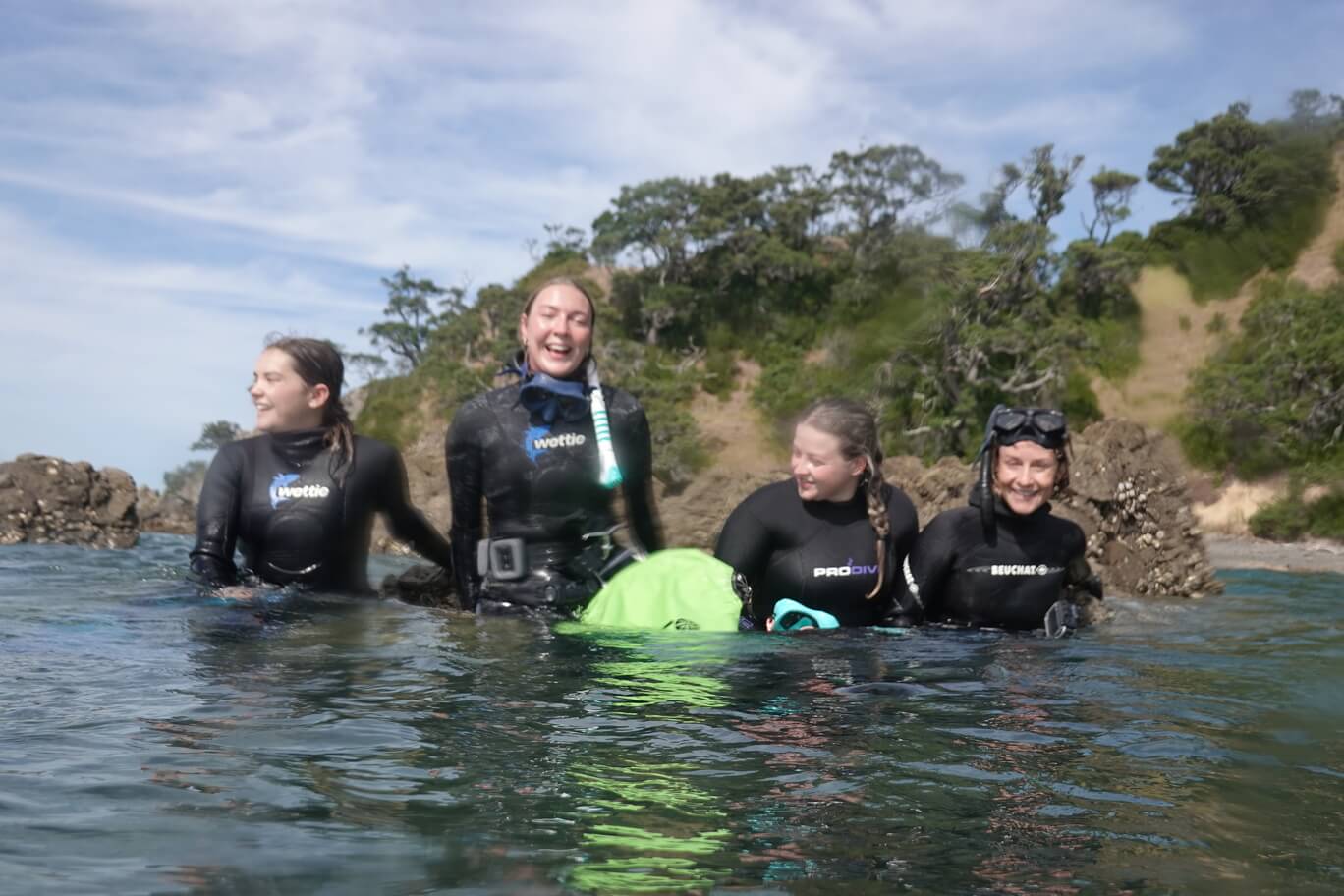
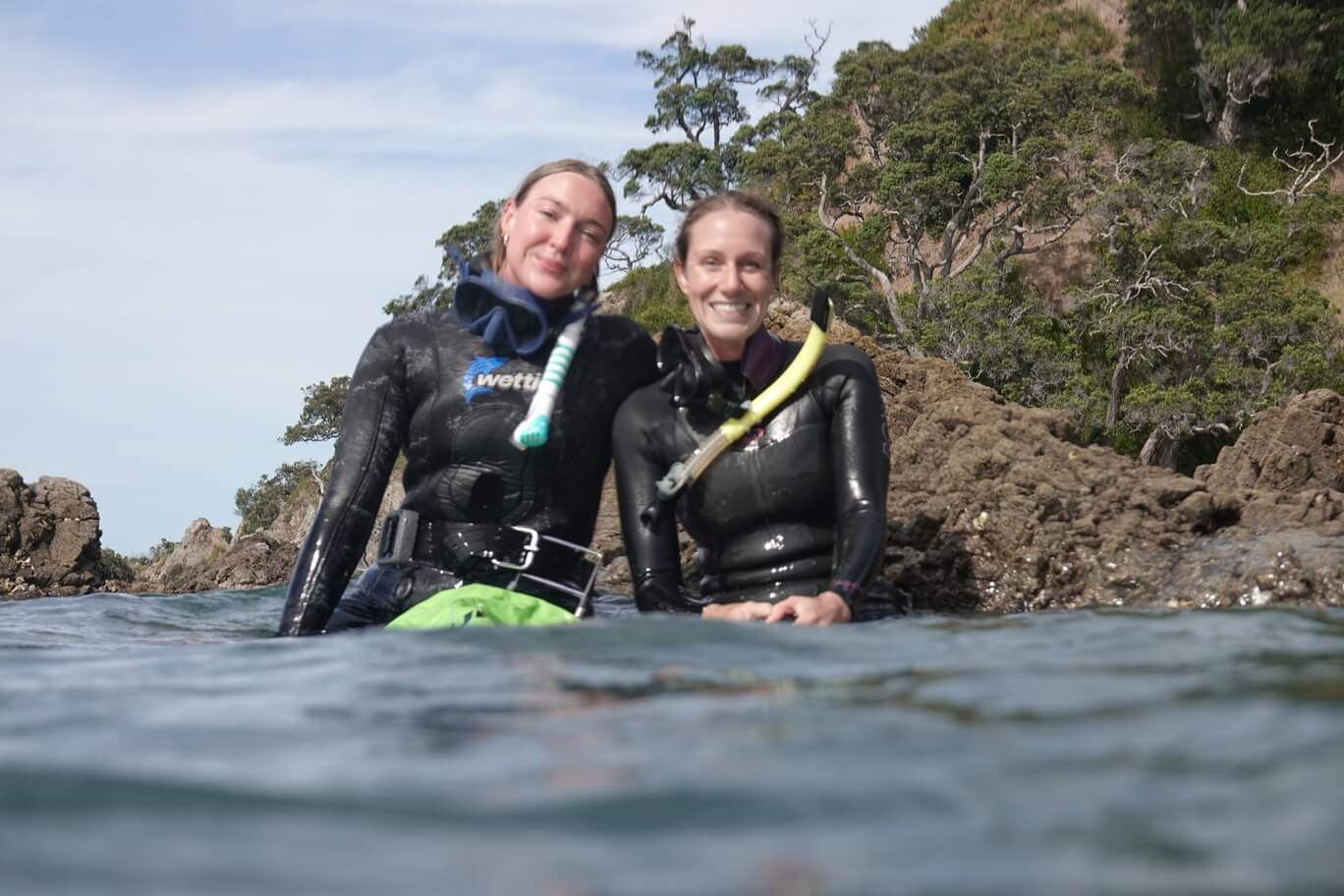
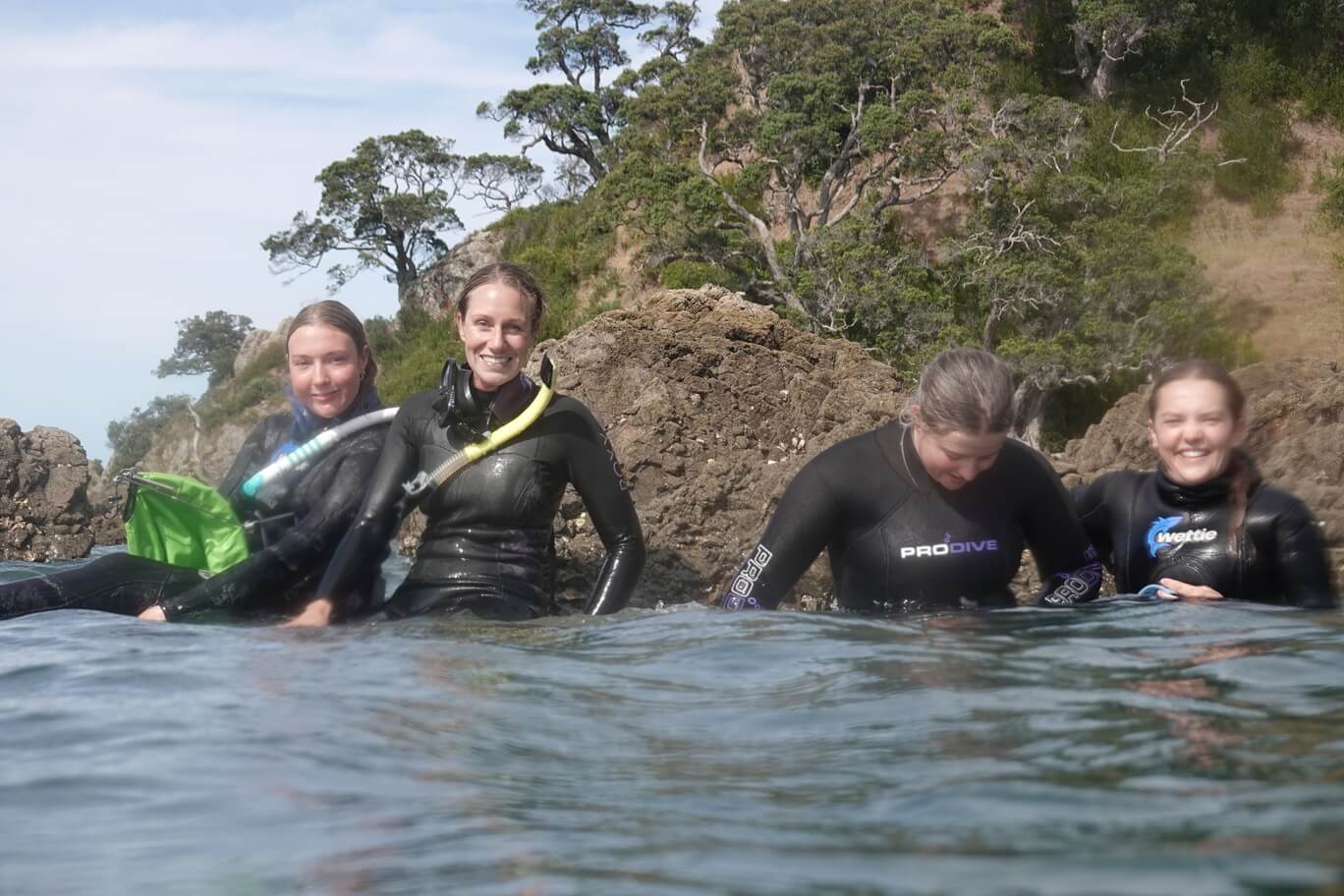
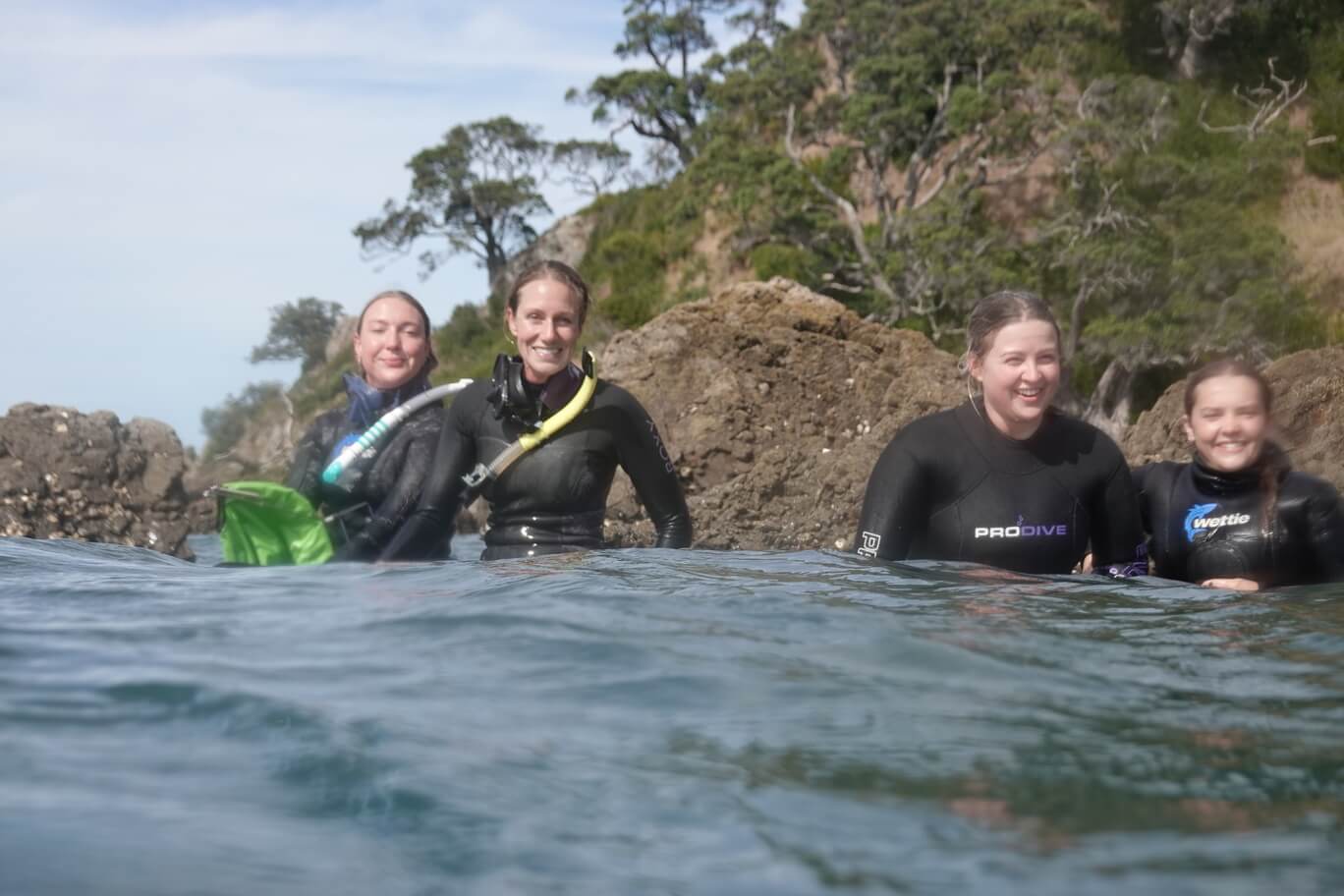
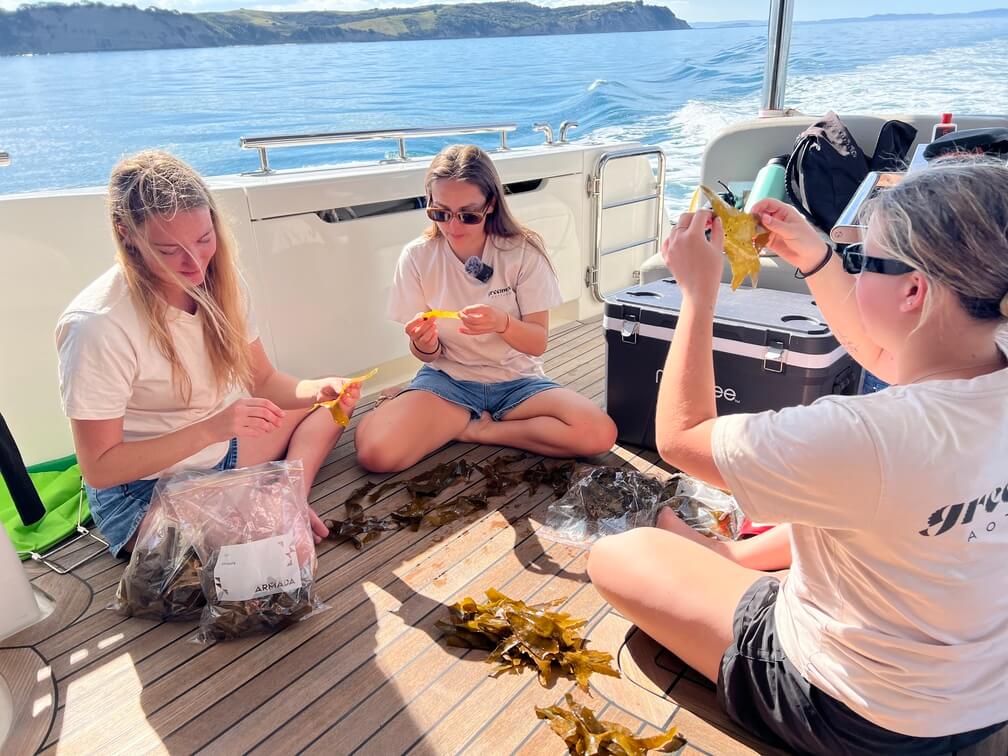
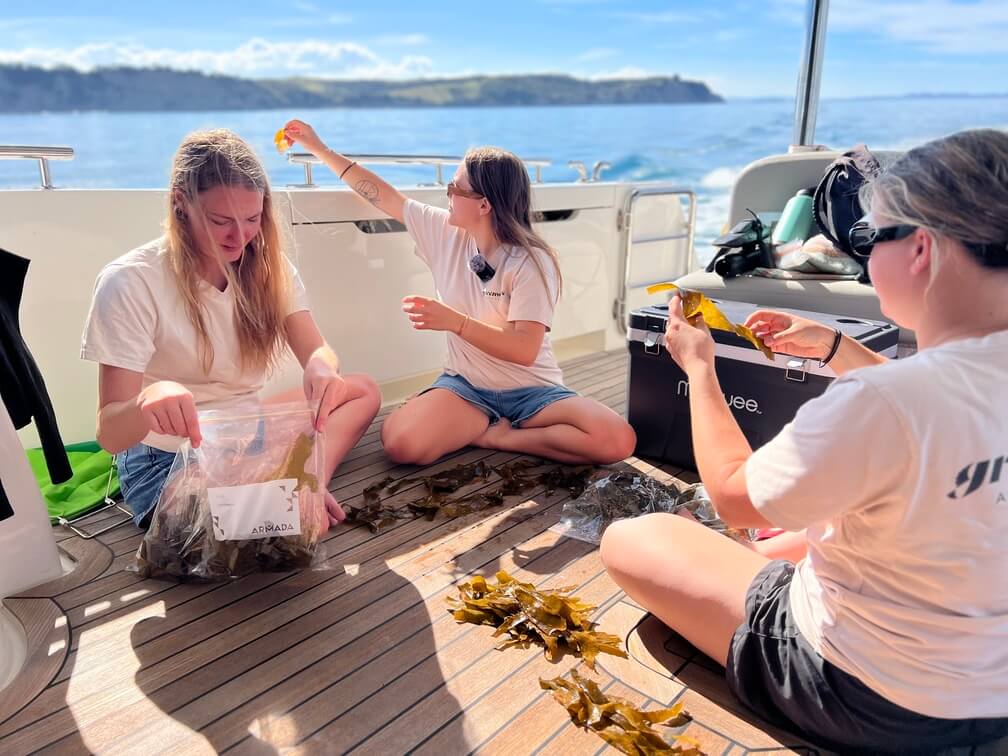
On the 19th of March, 2026, SeaKeepers South Pacific supported a kelp collection expedition aboard DISCOVERY Yacht Neo, with Melissa White, Director of South Pacific, in attendance alongside the ORA Reefs field team.
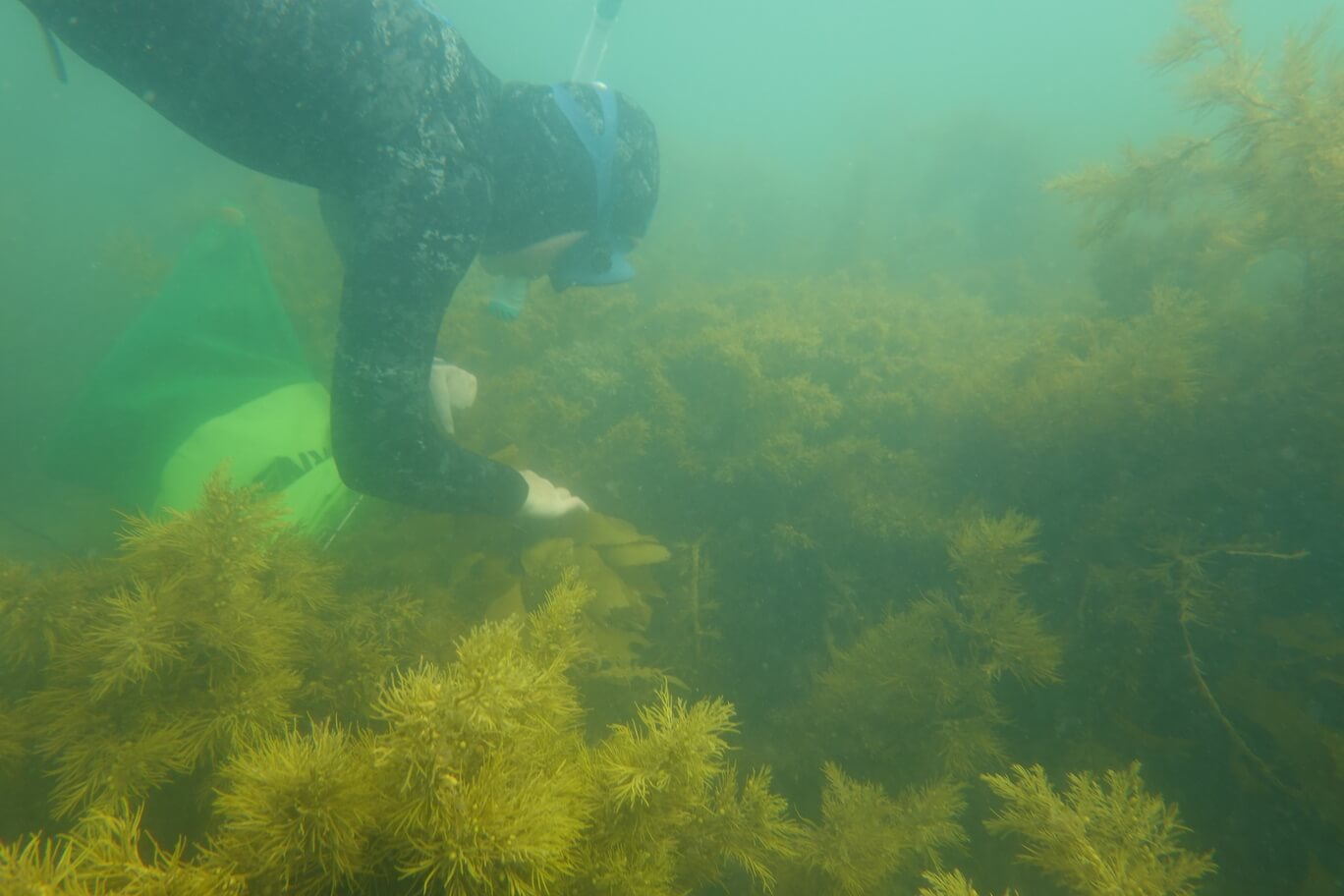
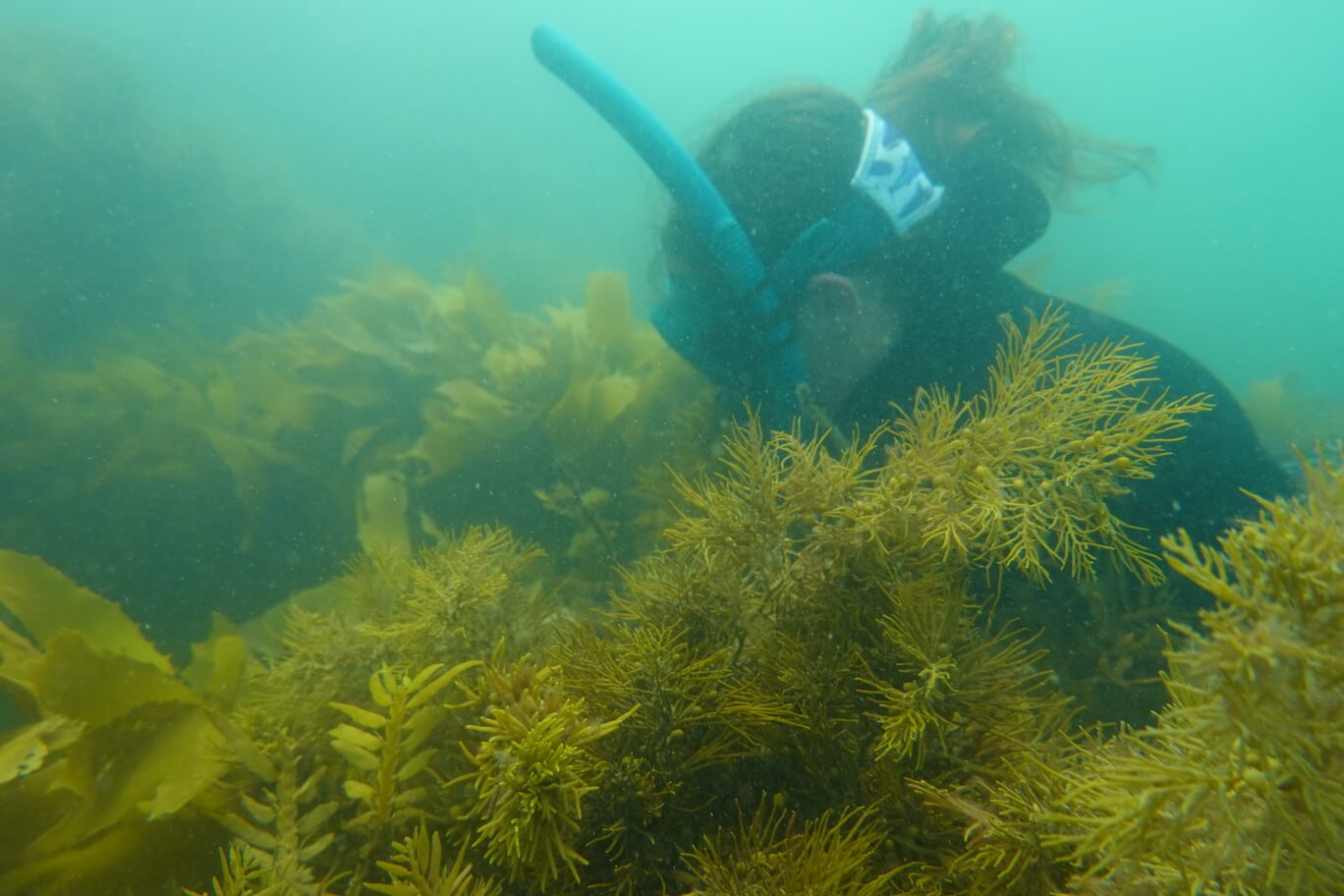
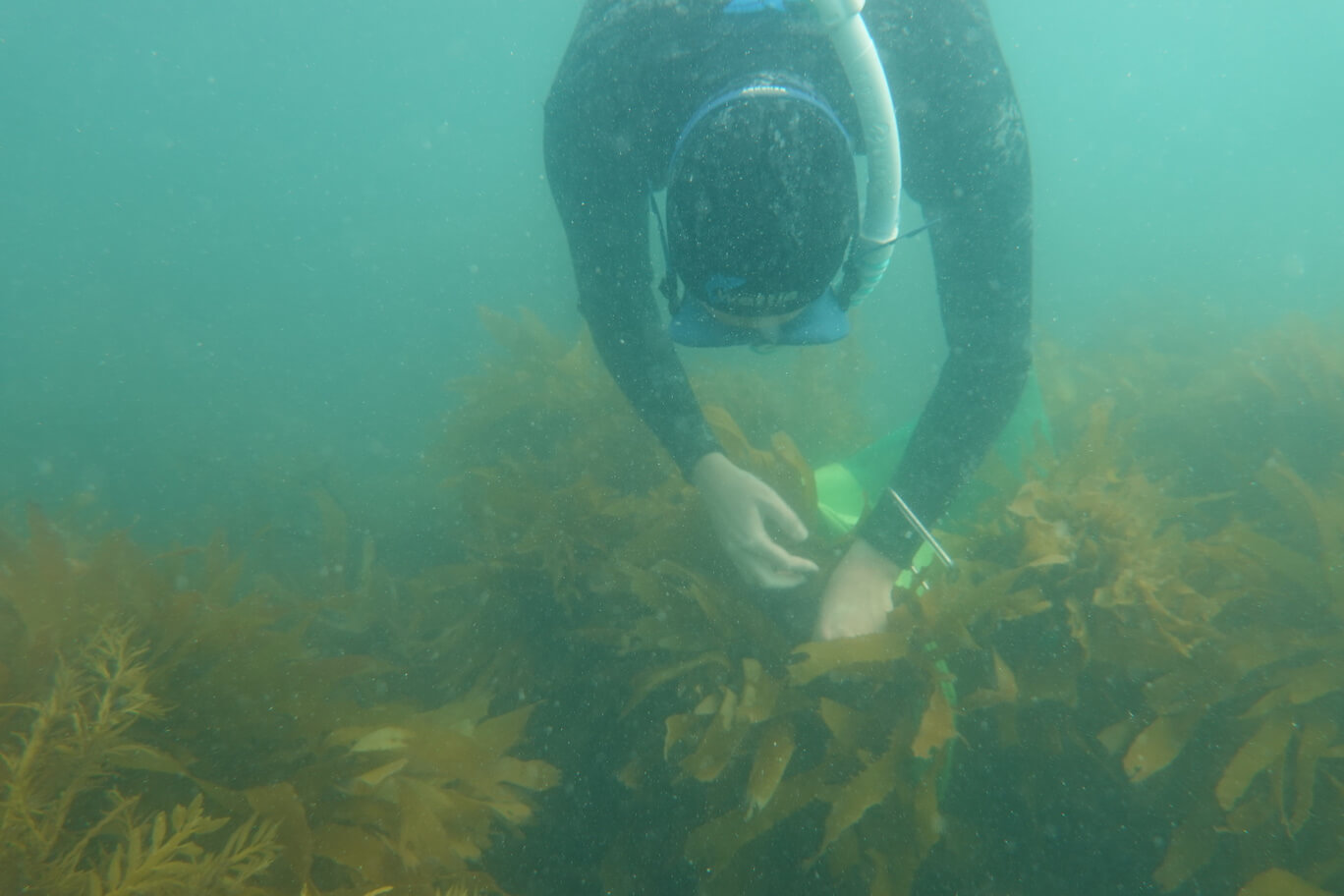
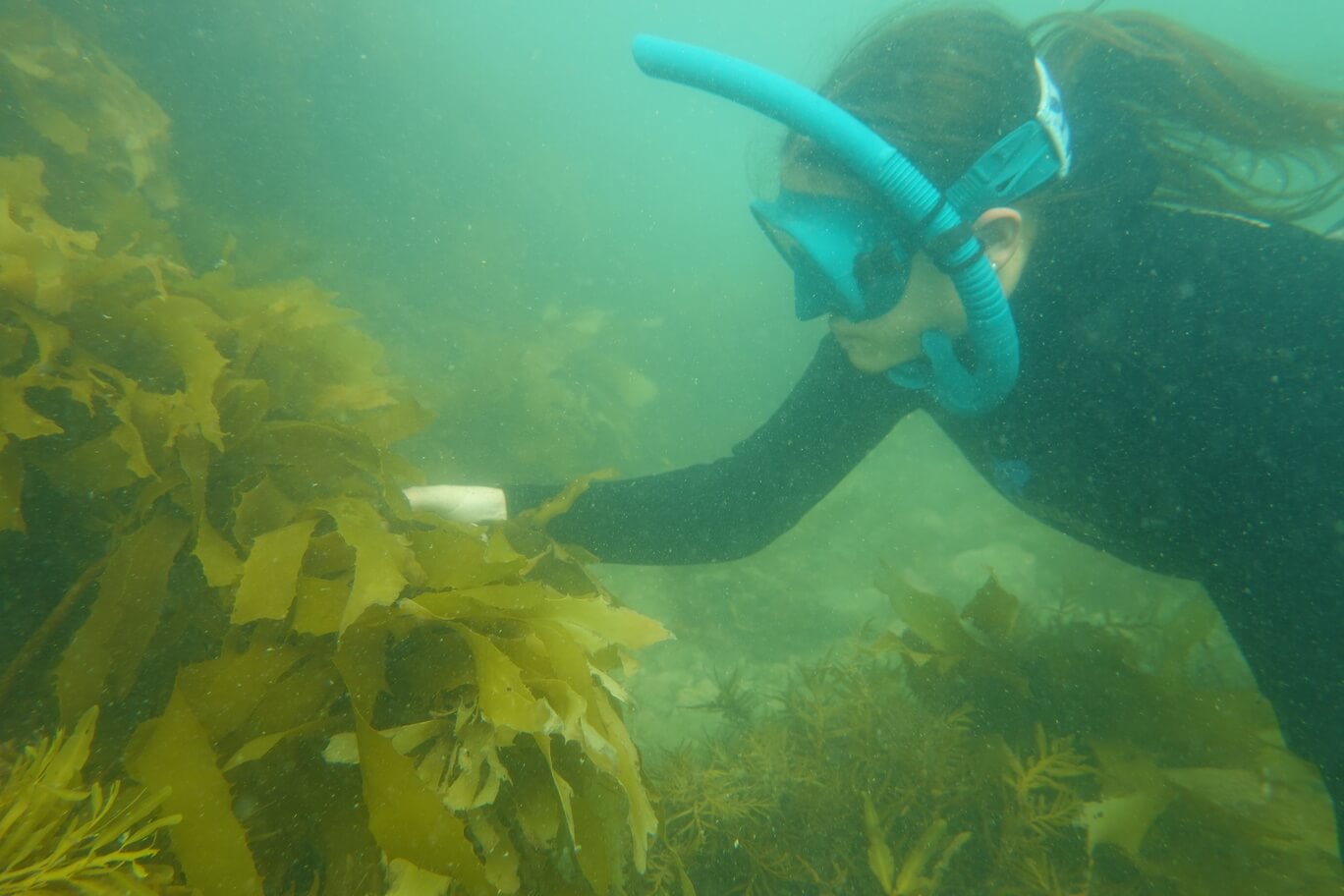
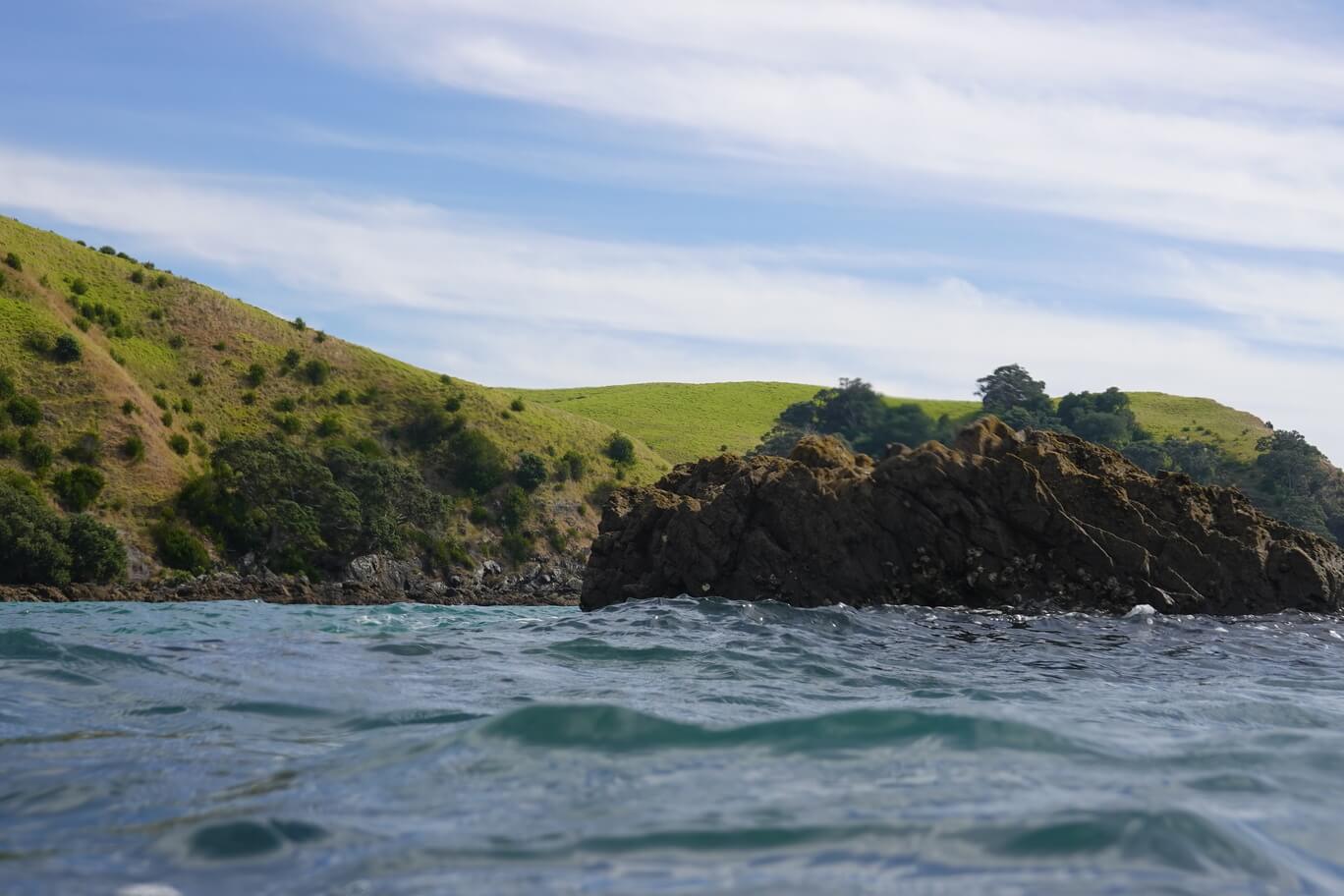
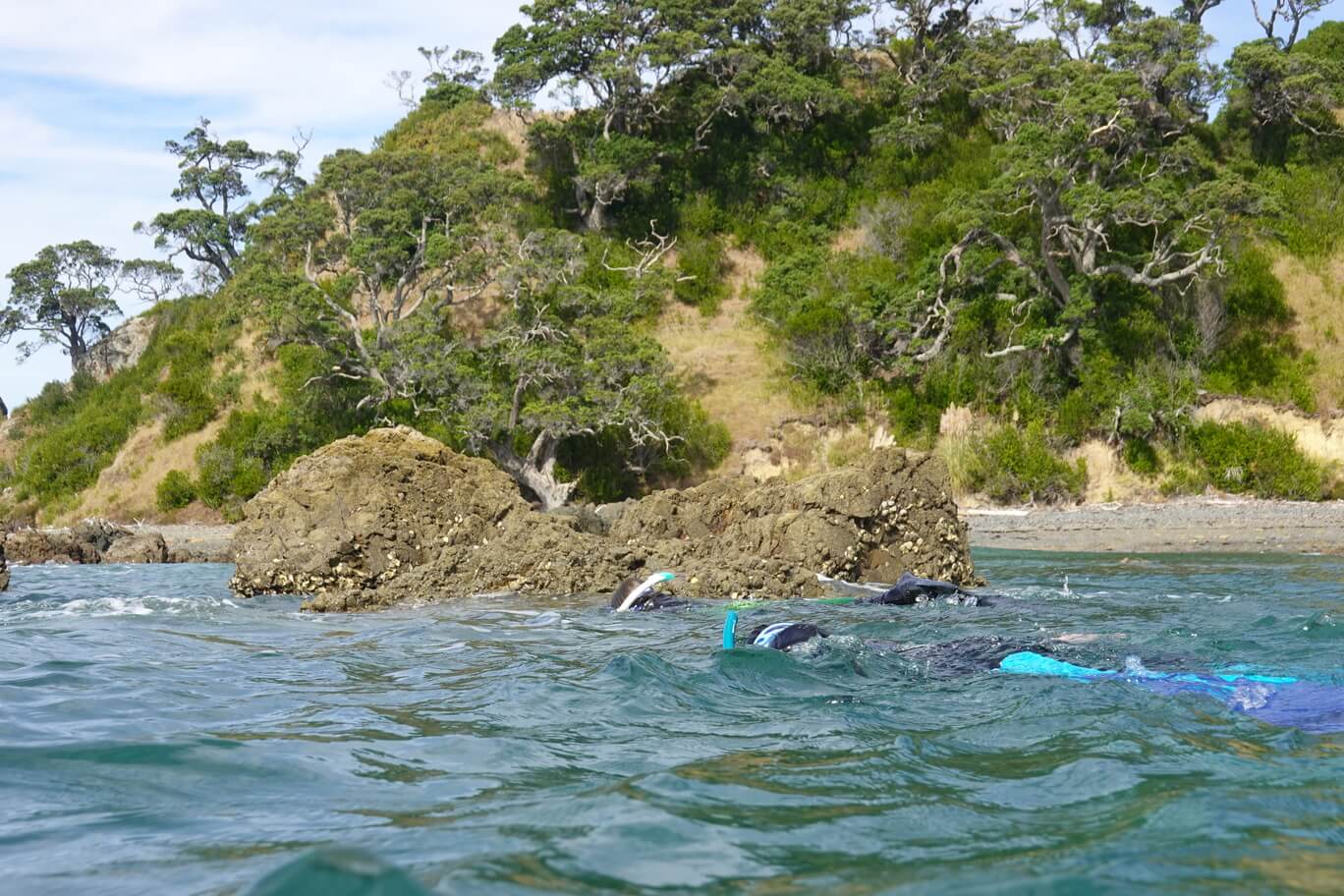
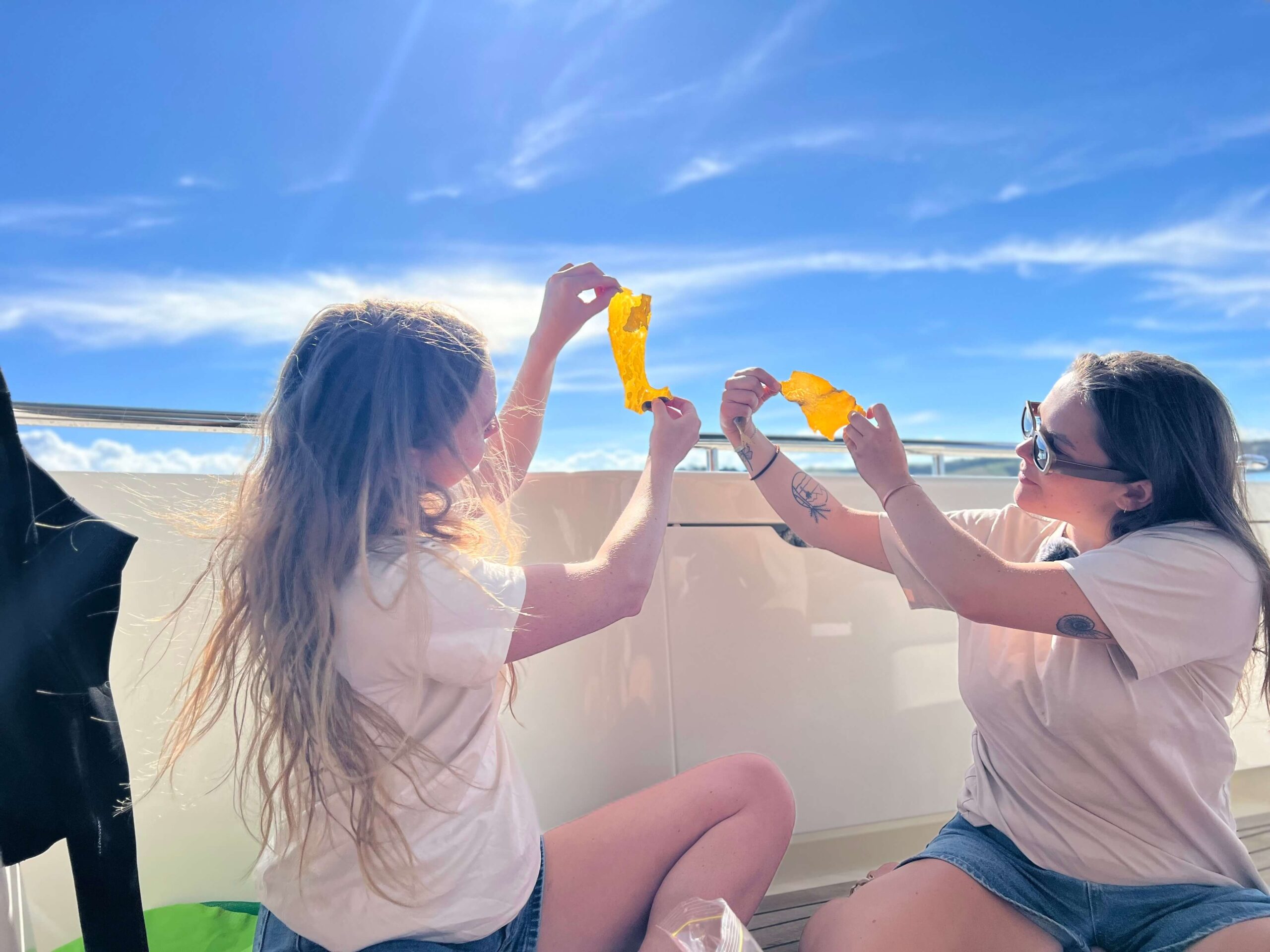
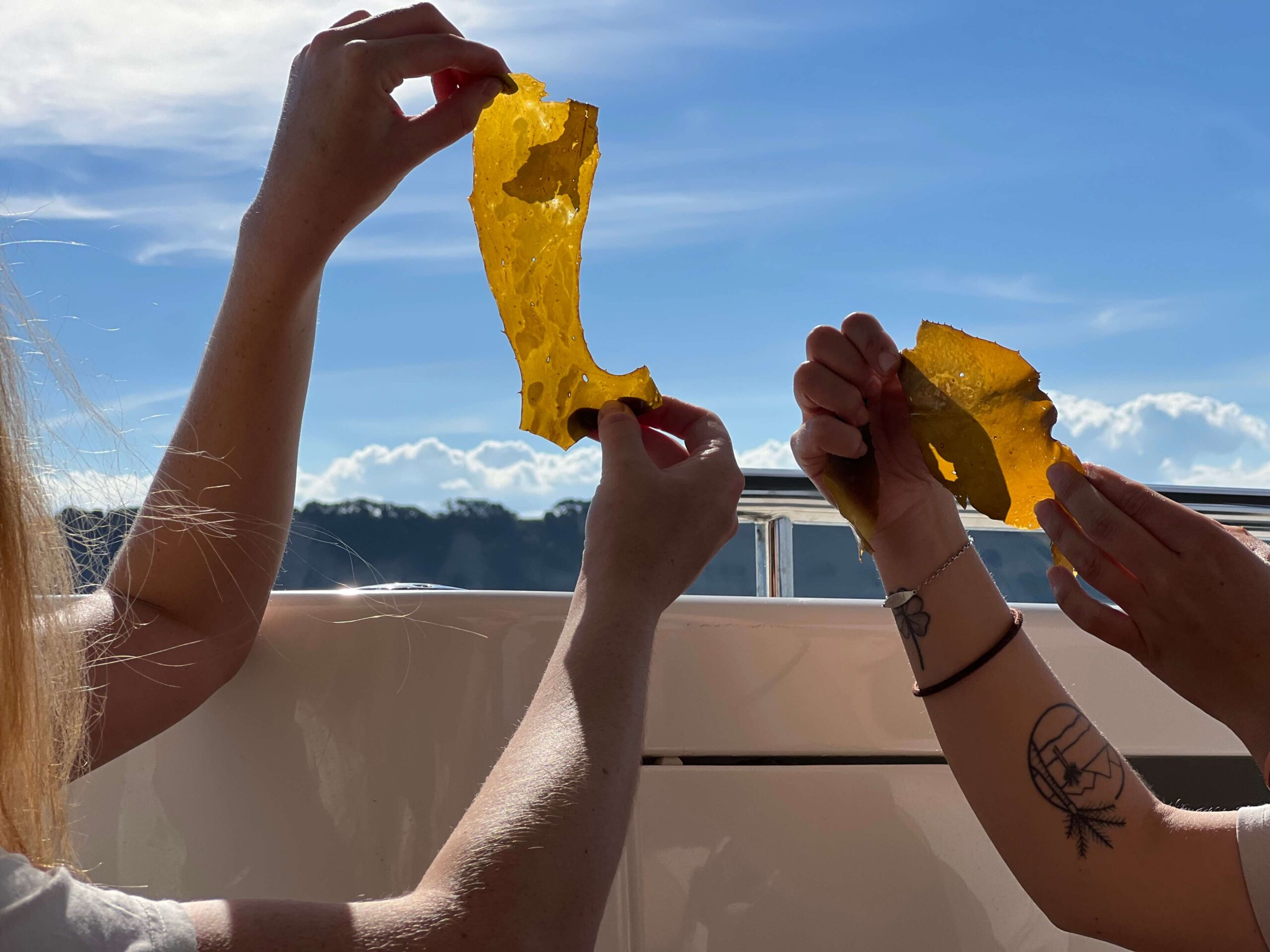
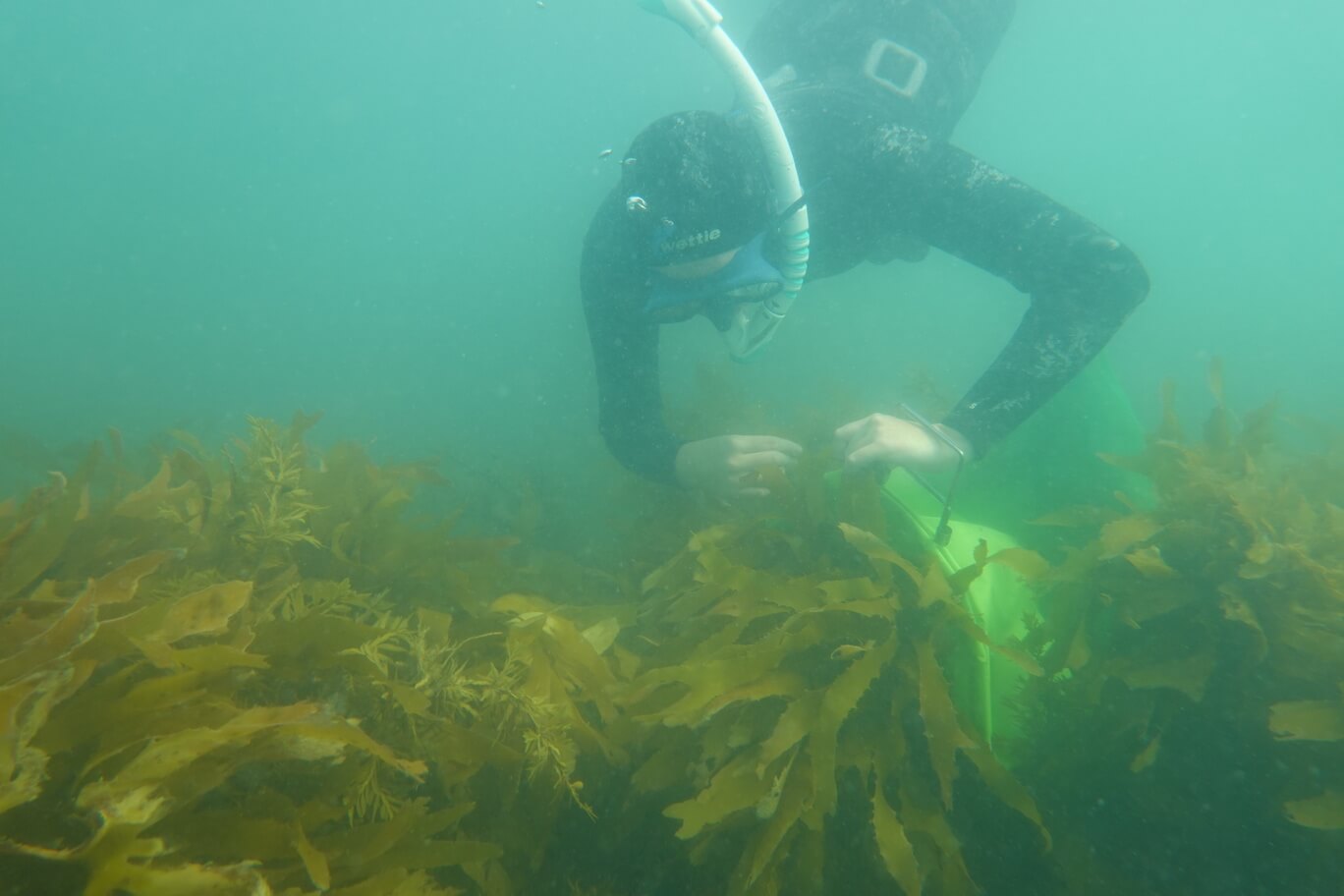
The objective of the day was to collect small samples of reproductive kelp tissue (sori) from selected sites within the Hauraki Gulf where two locations were successfully surveyed. Collection was carried out by freediving, with small sections of kelp fronds carefully harvested by hand to minimise impact on the surrounding habitat.
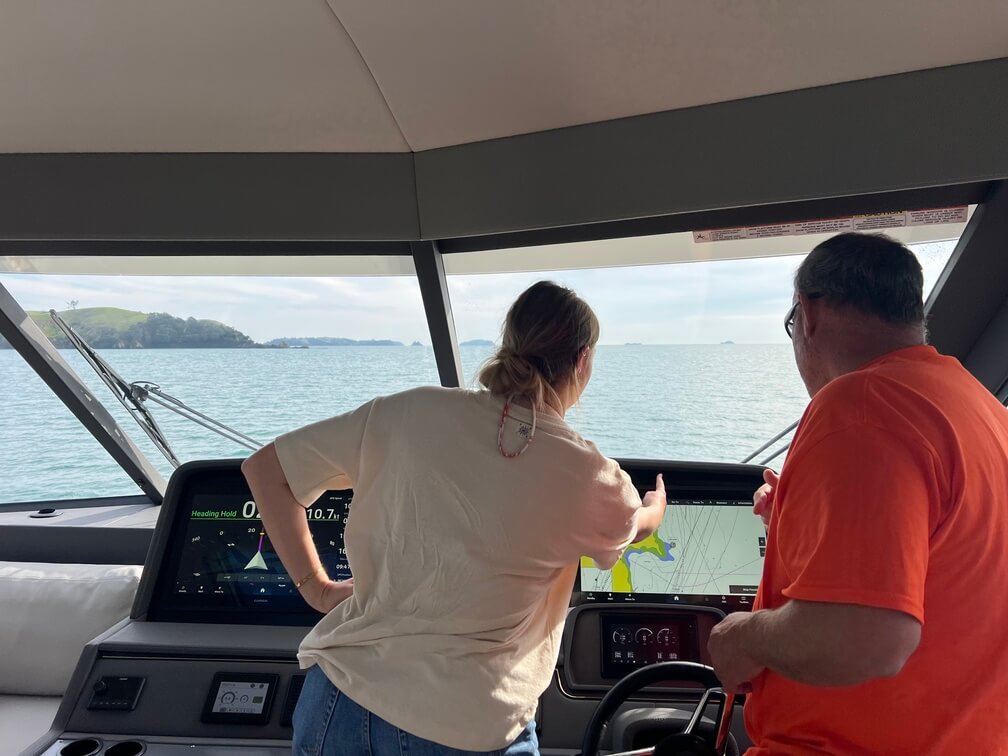
The vessel provided a stable platform for accessing reef sites and supporting field operations, including the safe transport of equipment and samples. Conditions allowed for efficient collection across both sites, ensuring that high-quality material could be returned for processing.
Location
Auckland, New Zealand
Duration of Project
On going
Leadership
Research Team
- Ayla Lunn – Project Coordinator
- Huna Hough– Seaweed Laboratory Technician
- Georgia Wilson– Seaweed Laboratory Technician
Partner Sites
Photo Gallery