
2nd SeaKeepers South Pacific Teacher Workshop
- May 1 - 4, 2026
- Leigh, New Zealand
Project Overview
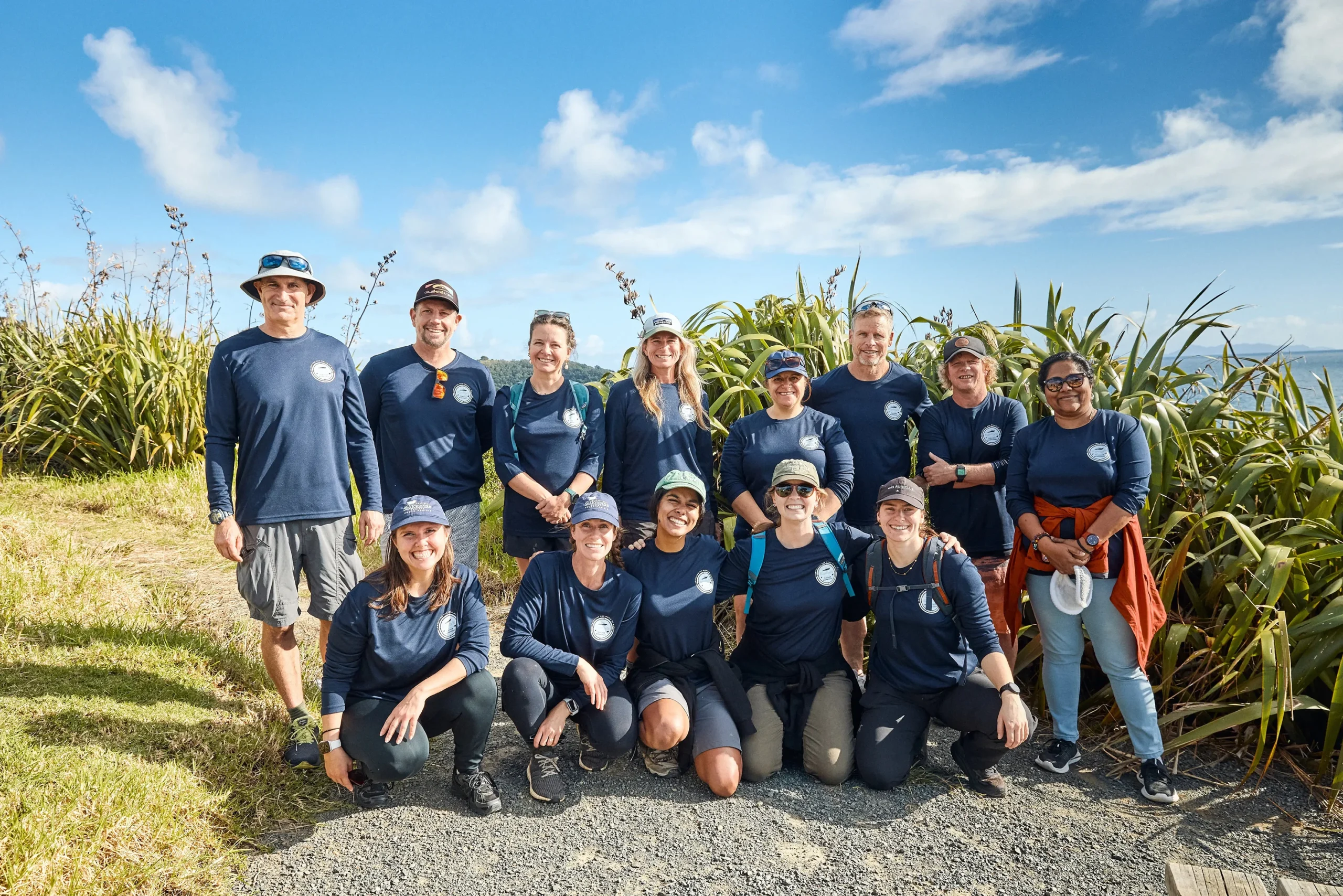
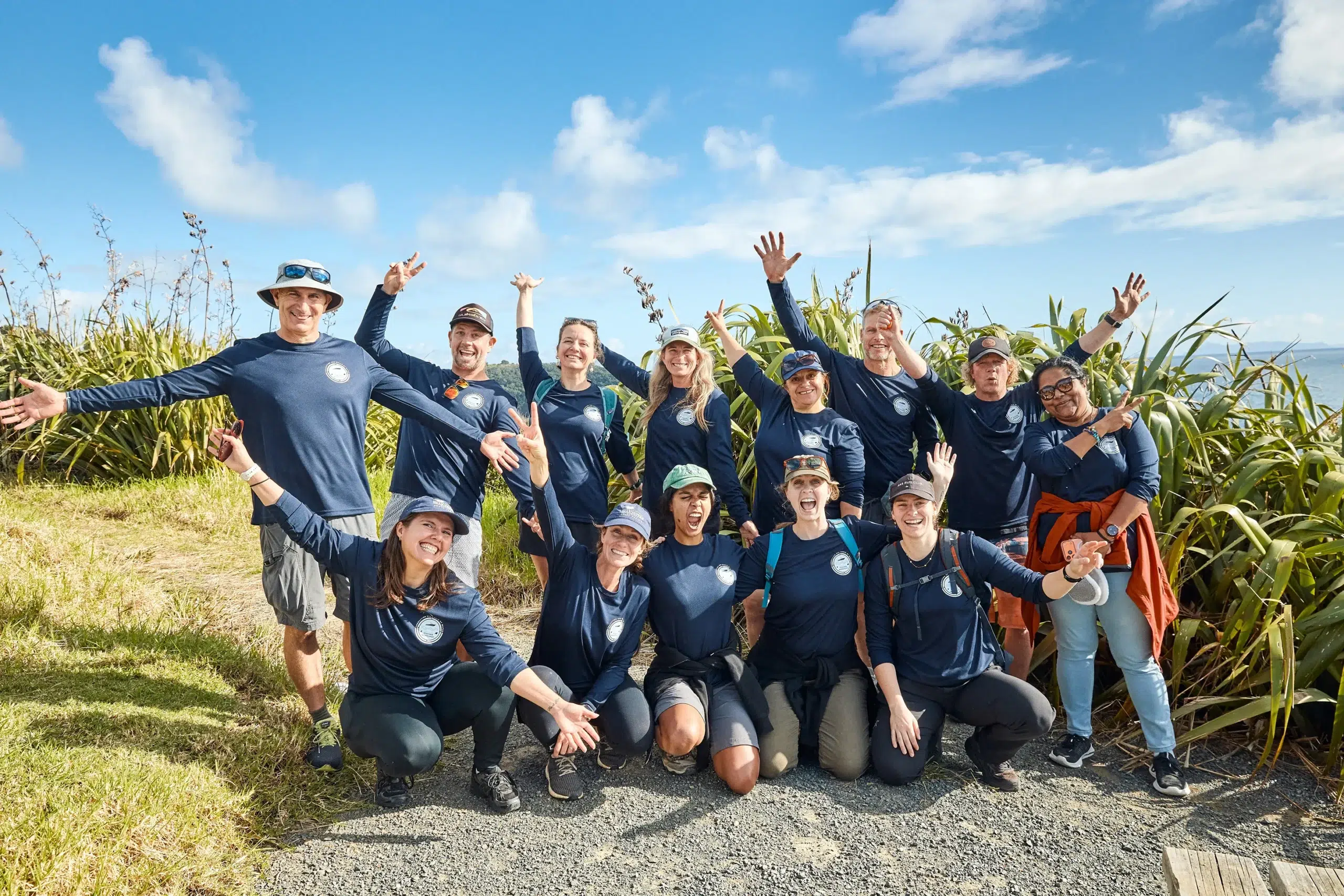
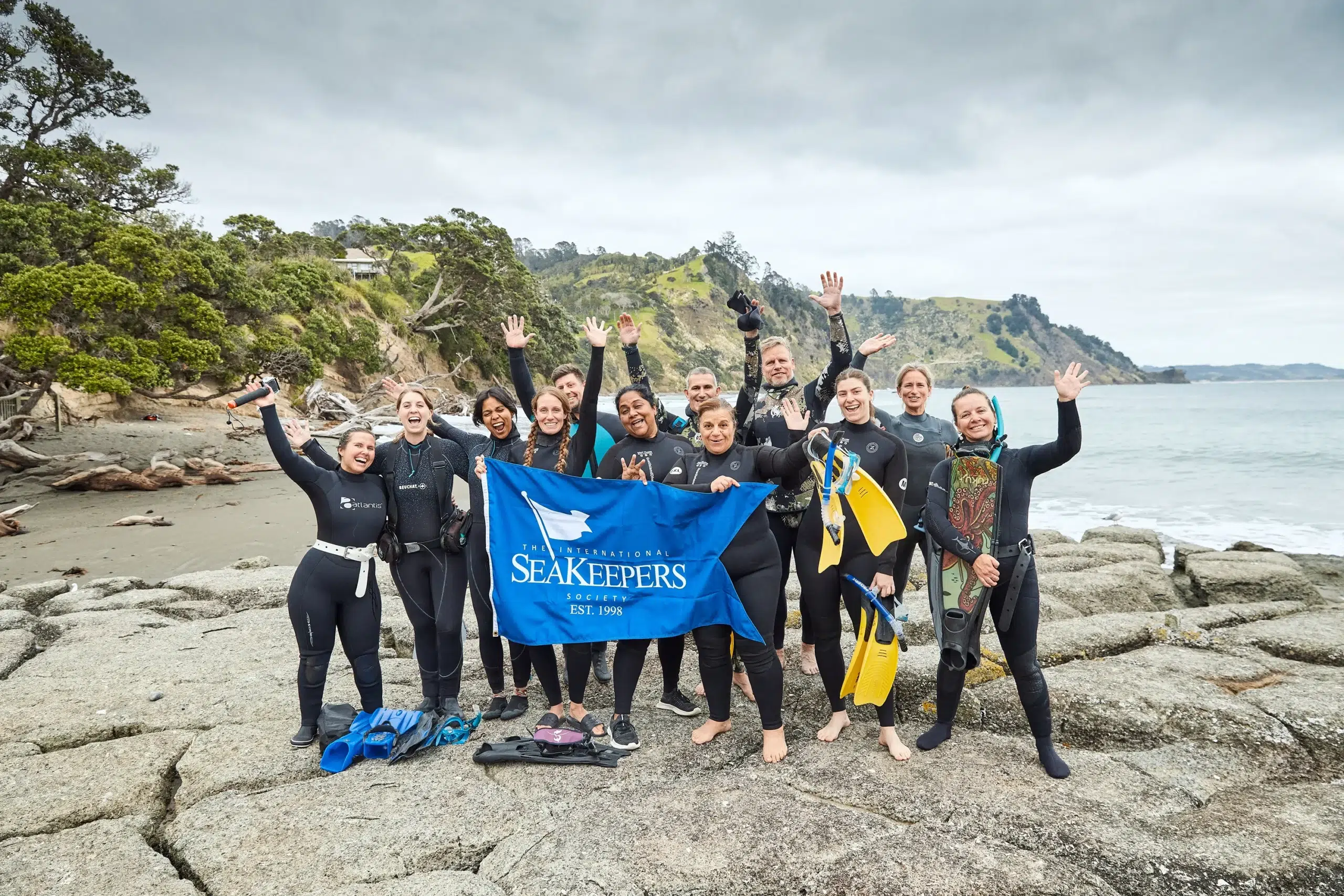
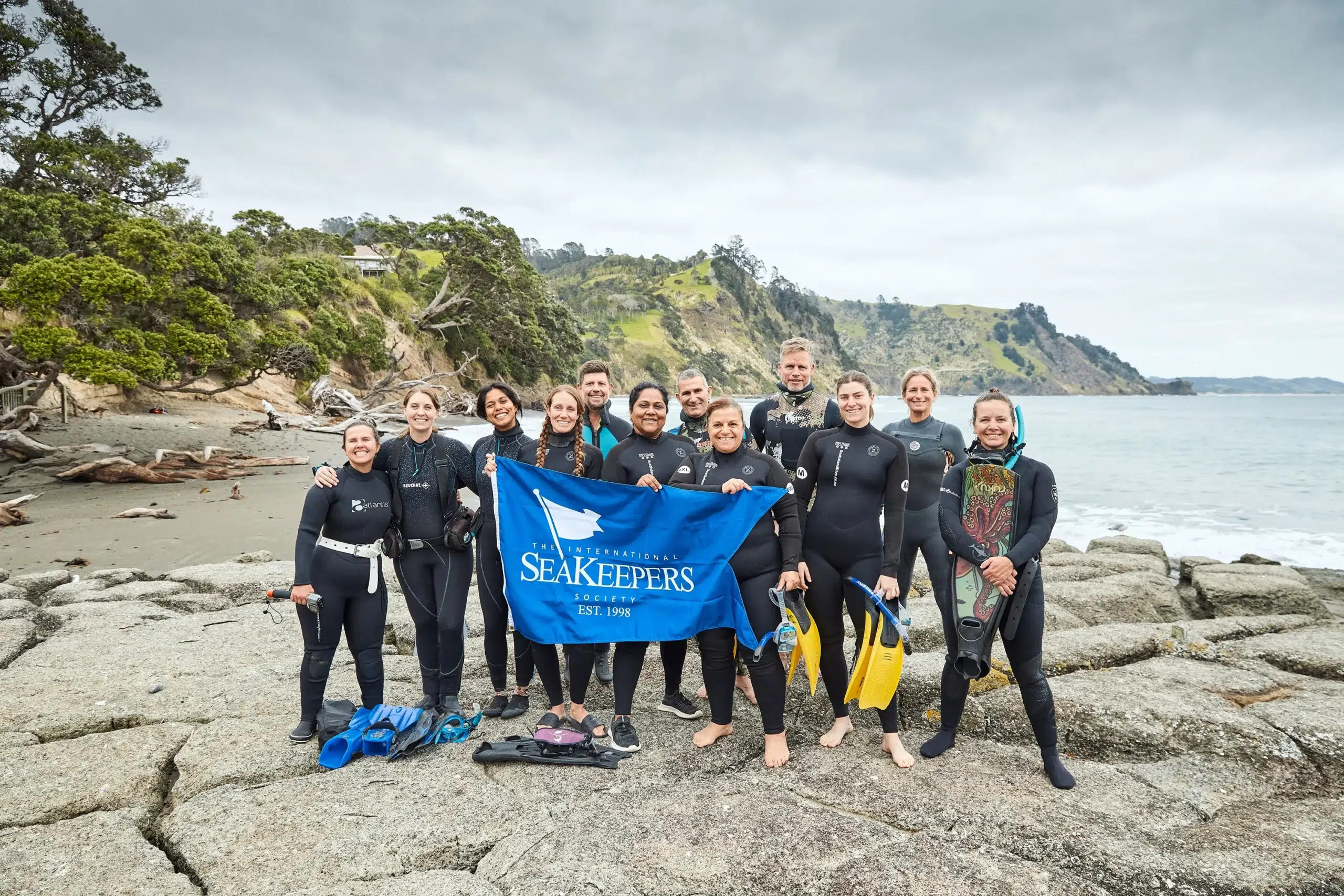
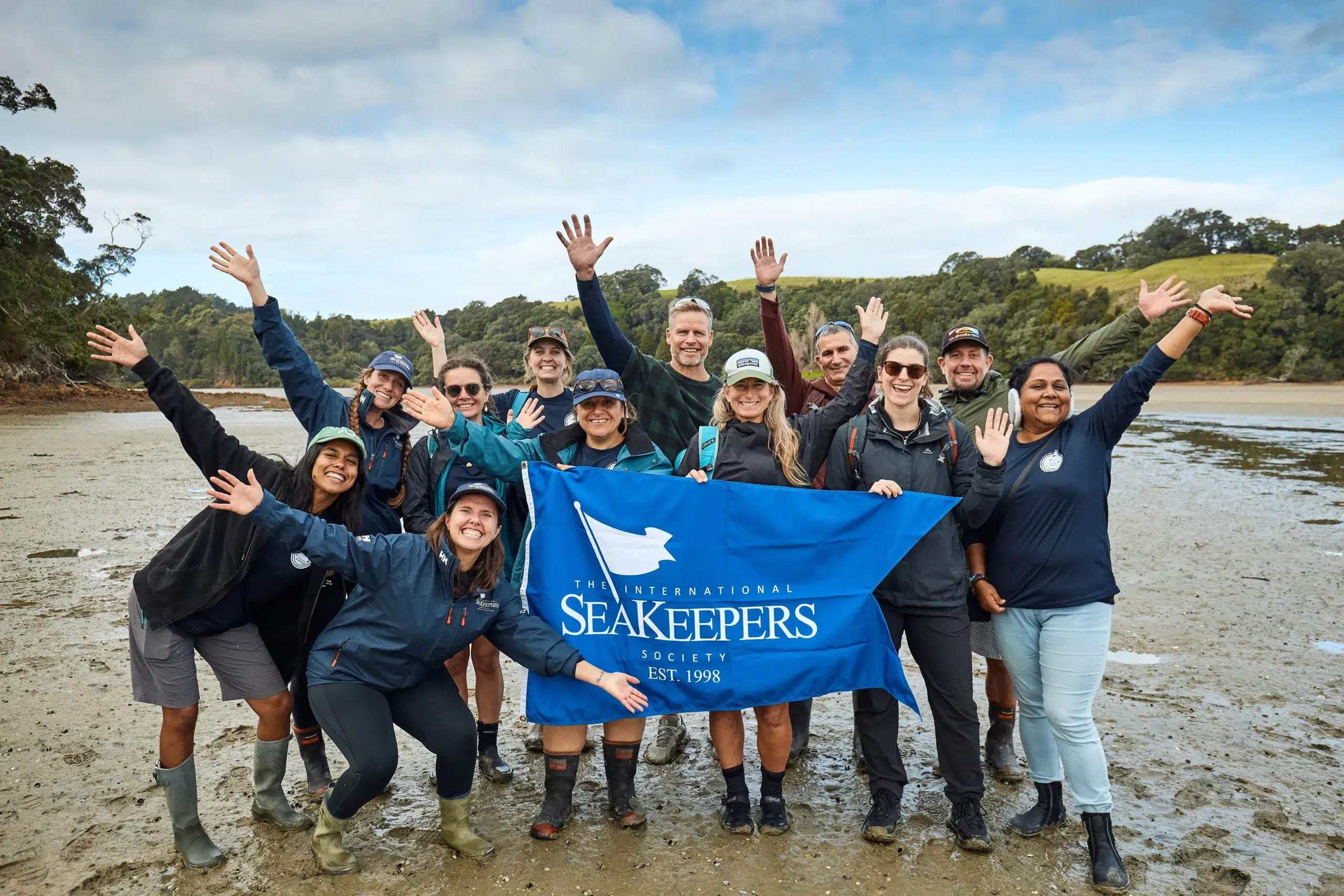
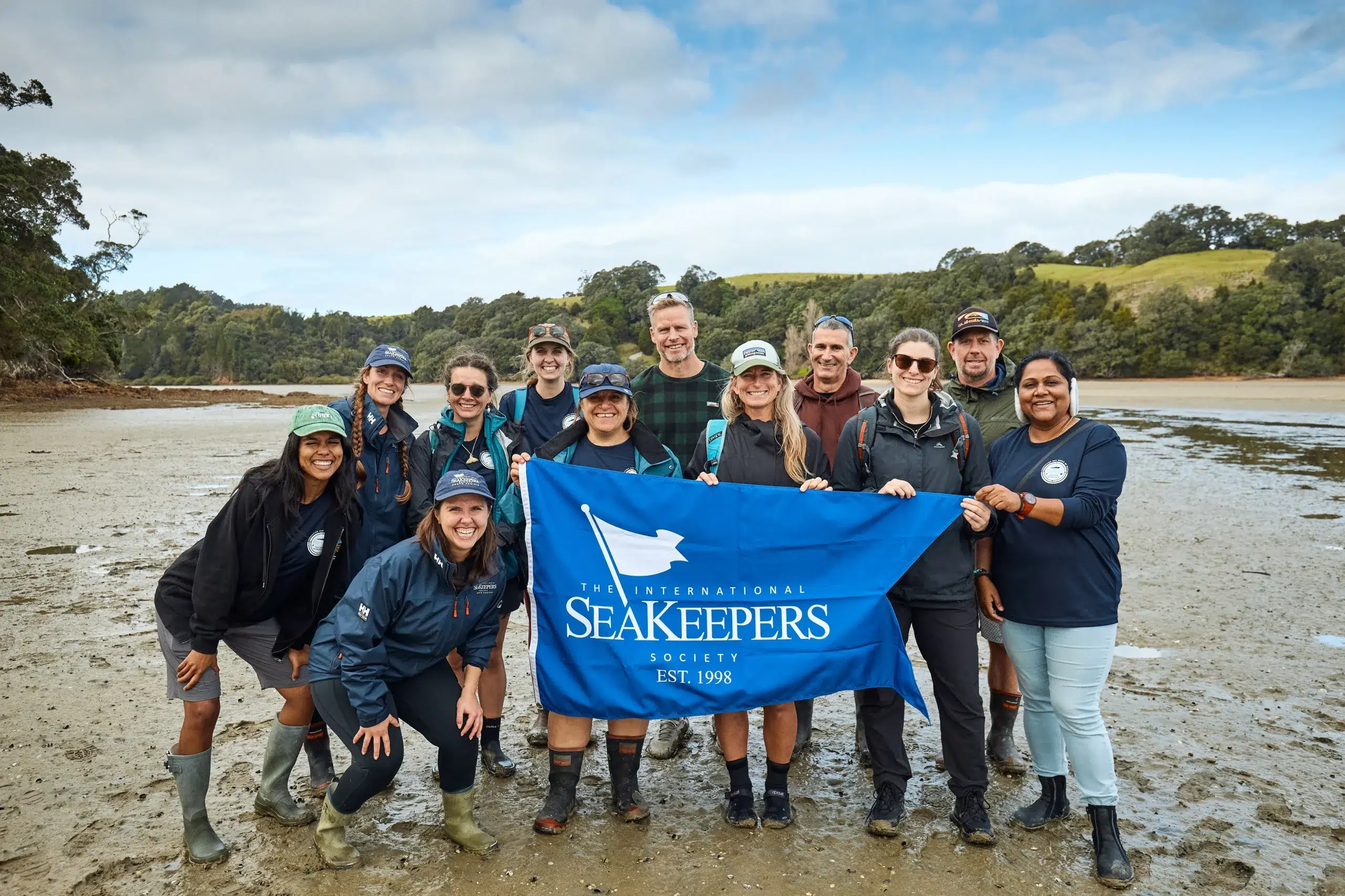
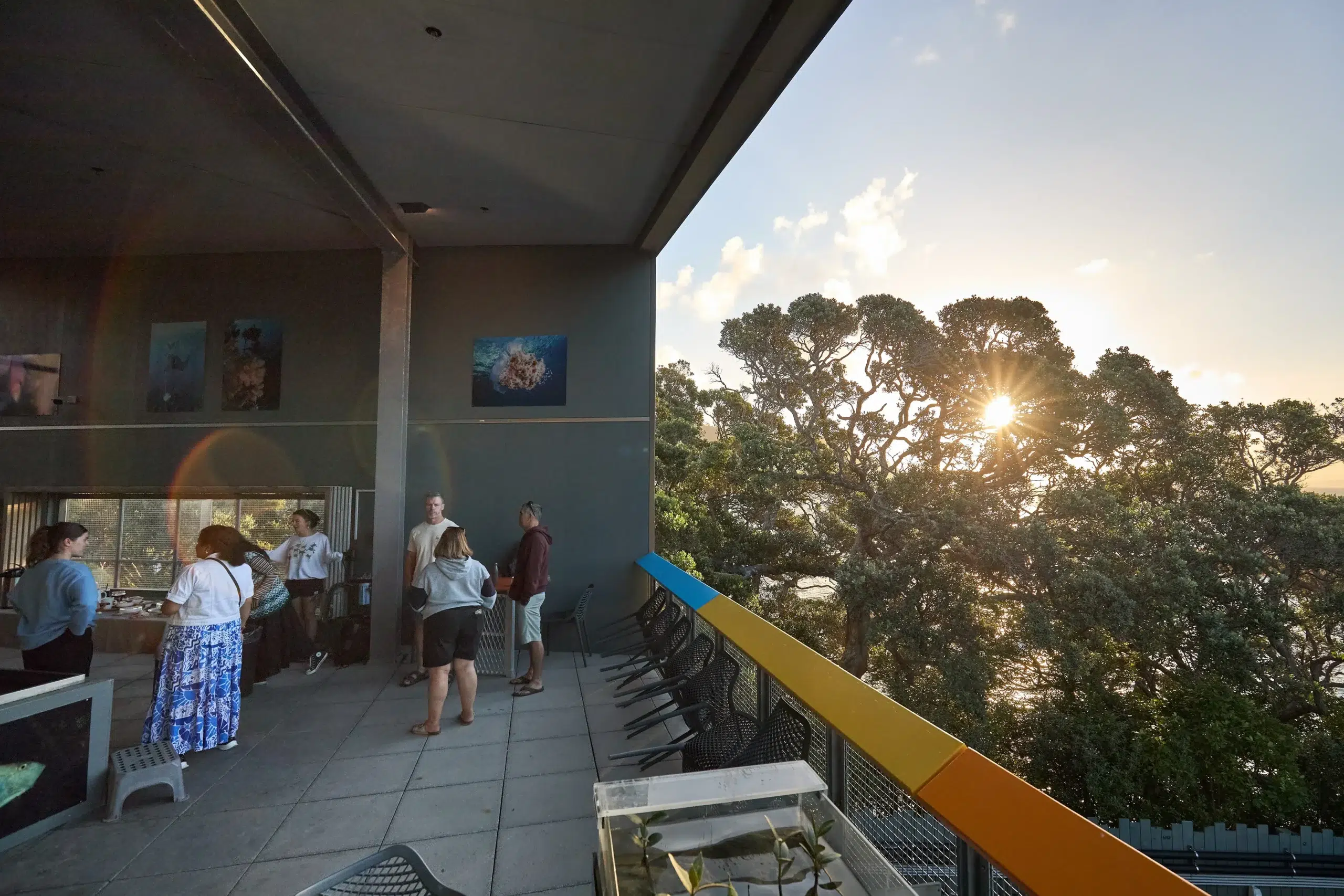
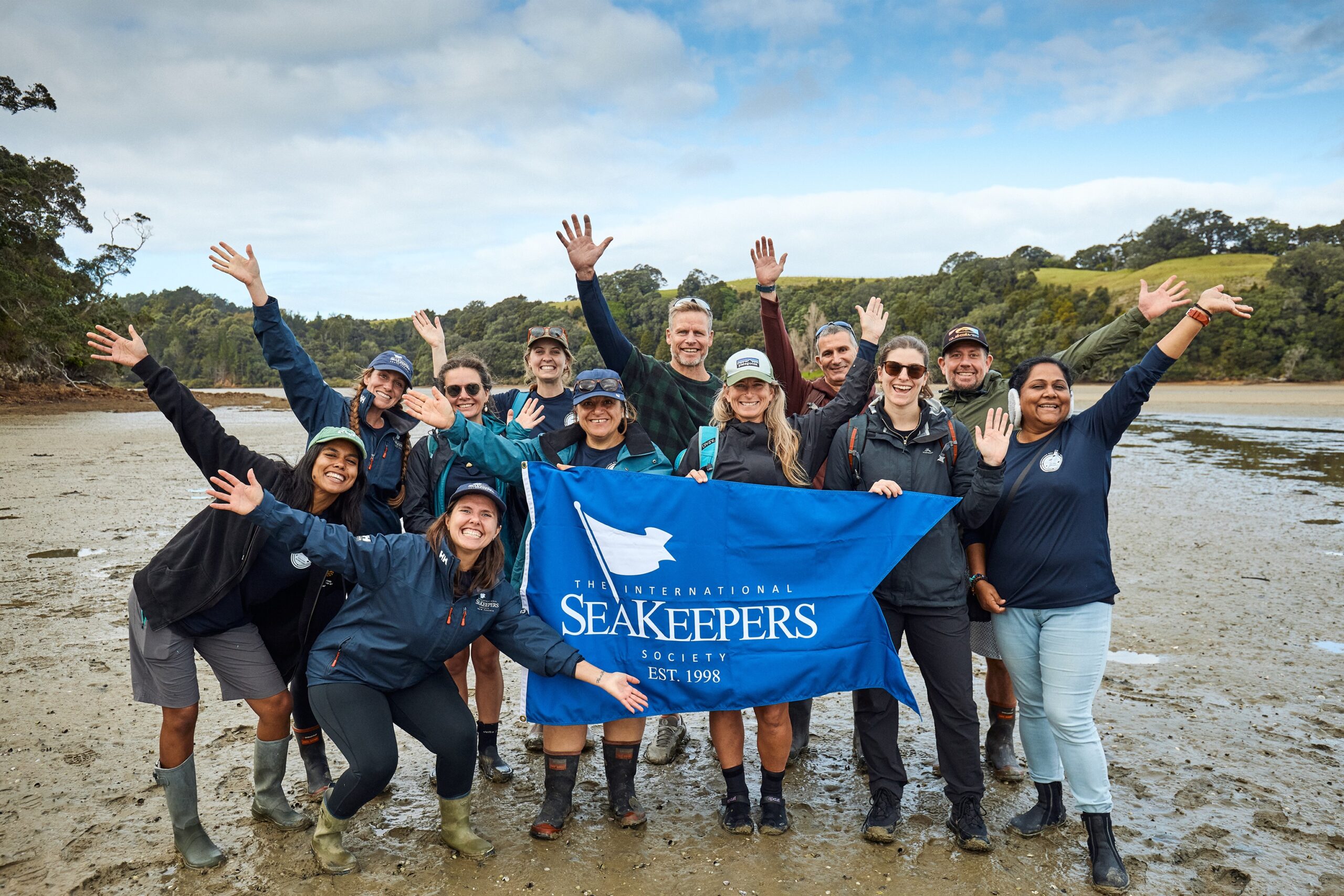
From 1–4 May, The International SeaKeepers Society and Te Hāwere-a-Maki Goat Island Marine Discovery Centre proudly hosted the second South Pacific Teacher Workshop, bringing together eight passionate teachers from across New Zealand’s North Island for four days of hands-on marine science, environmental education, and collaboration.
The workshop was designed to connect educators with marine and coastal environments while providing practical activities and knowledge they could bring back to their classrooms and communities.
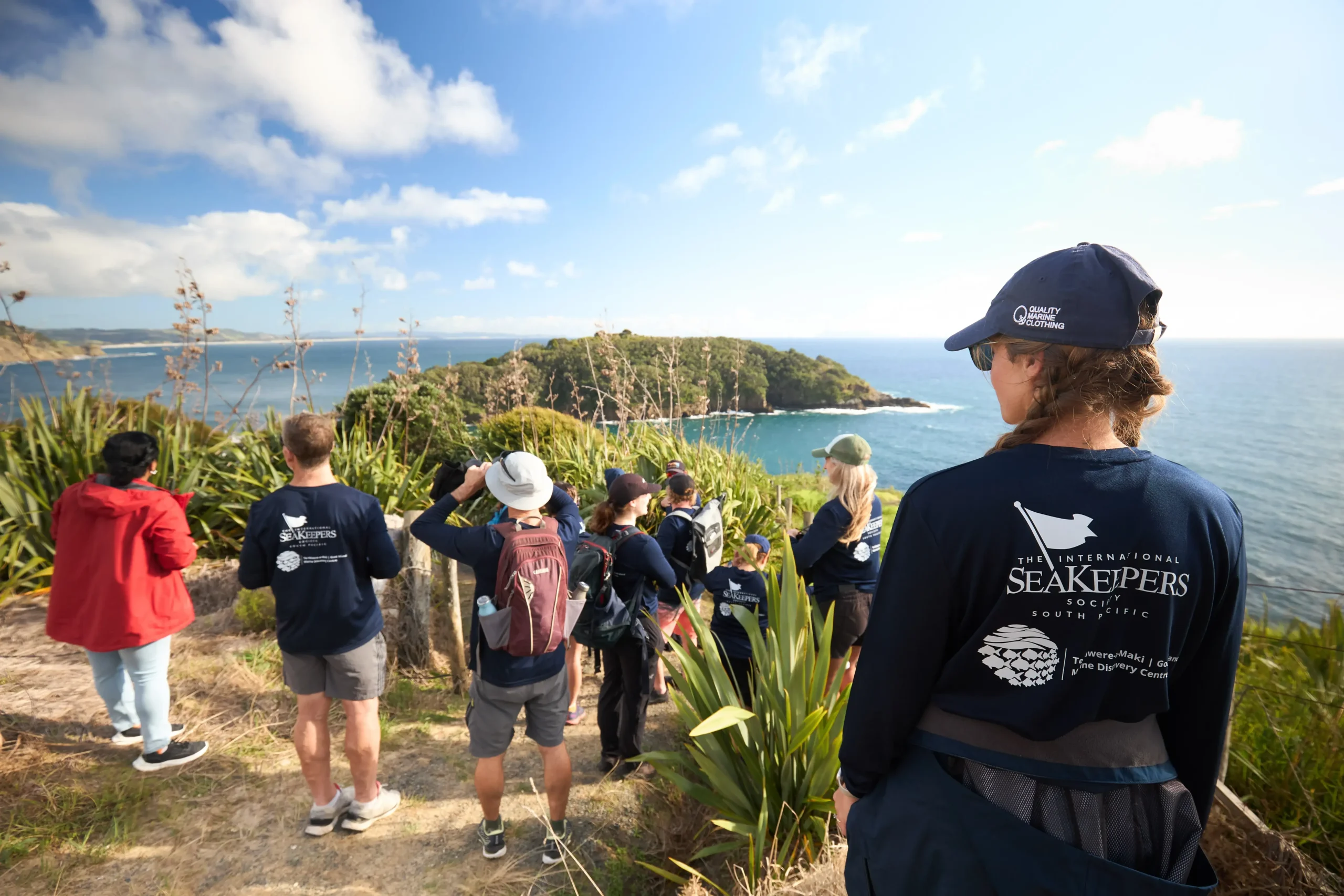
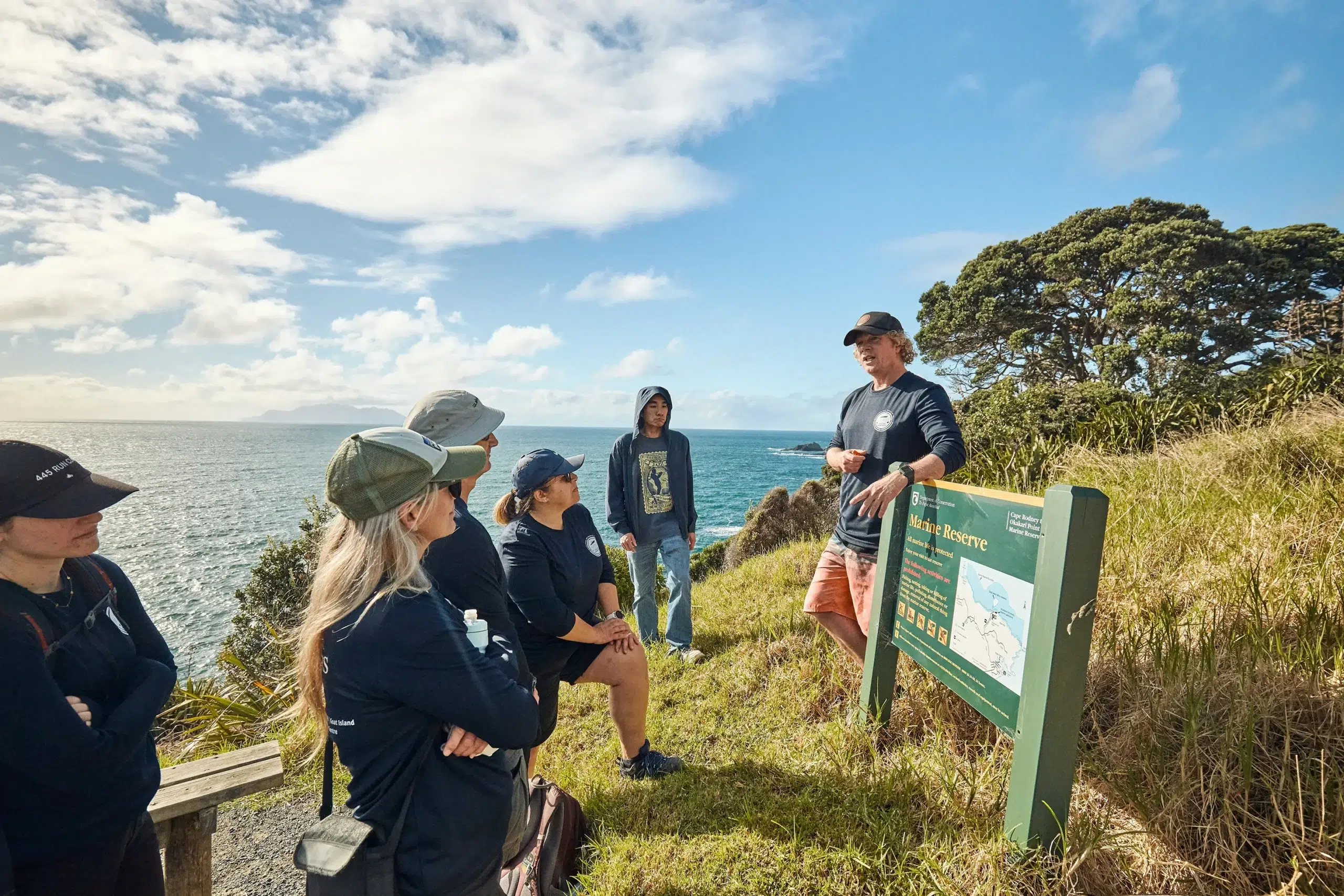
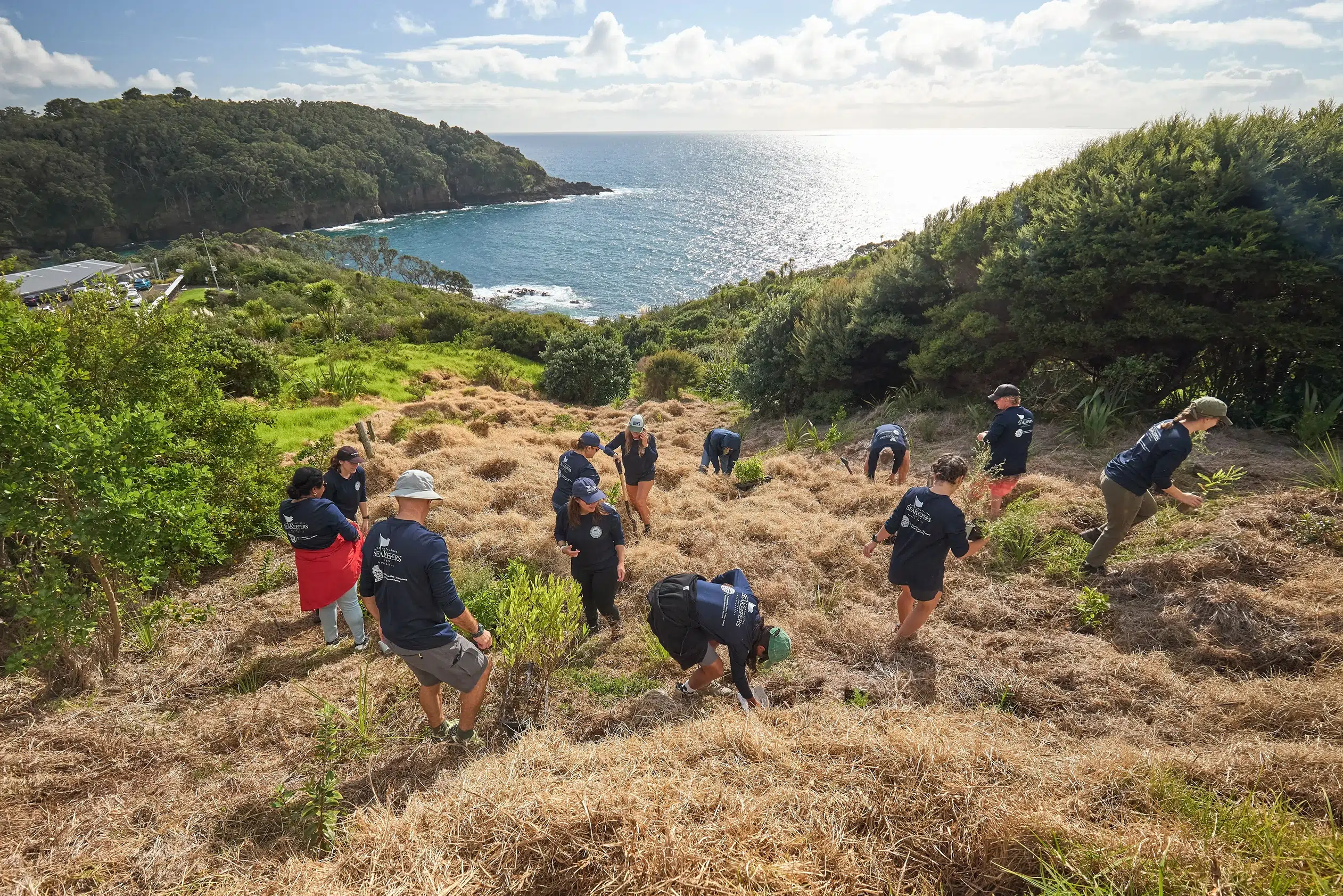
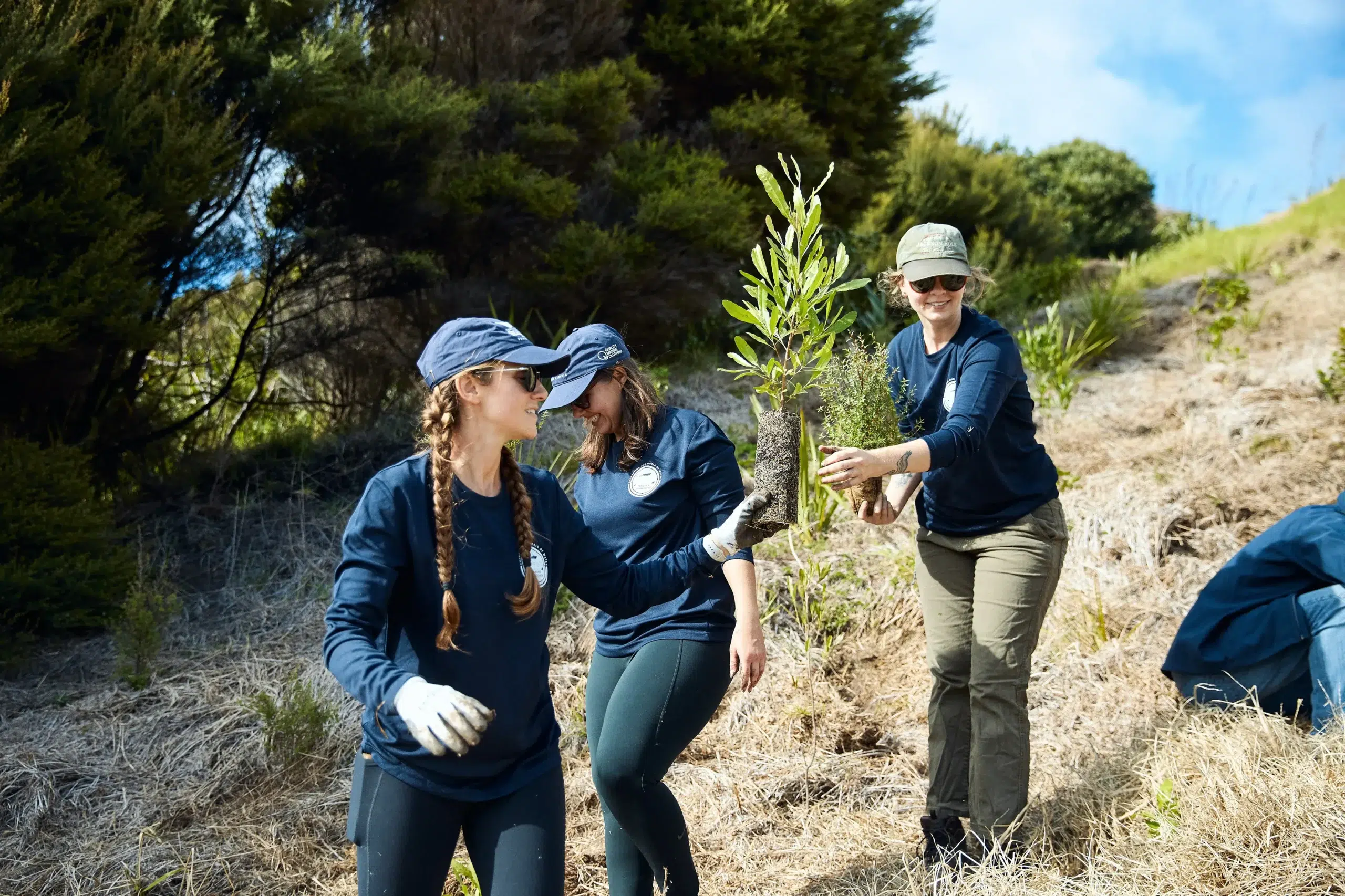
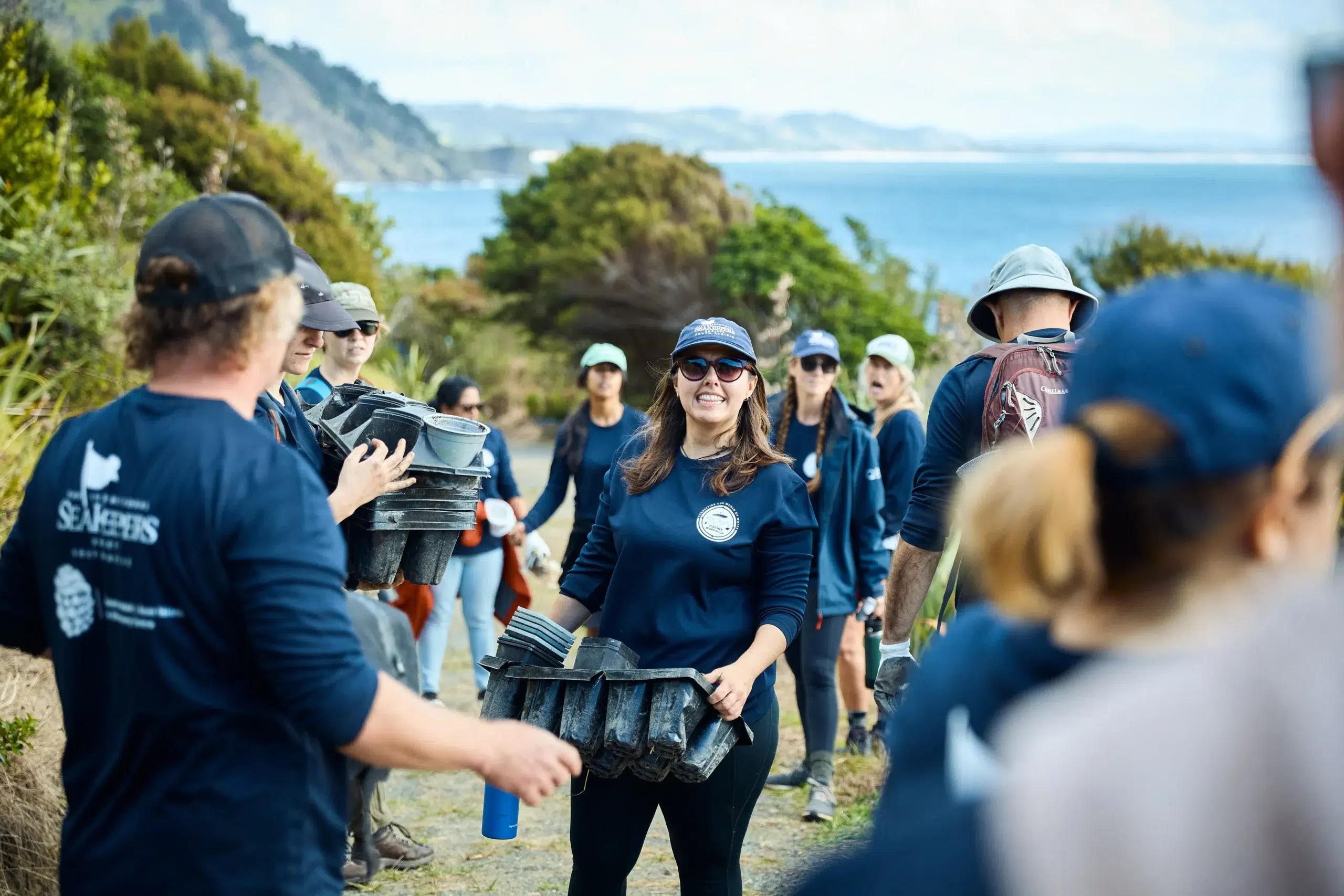
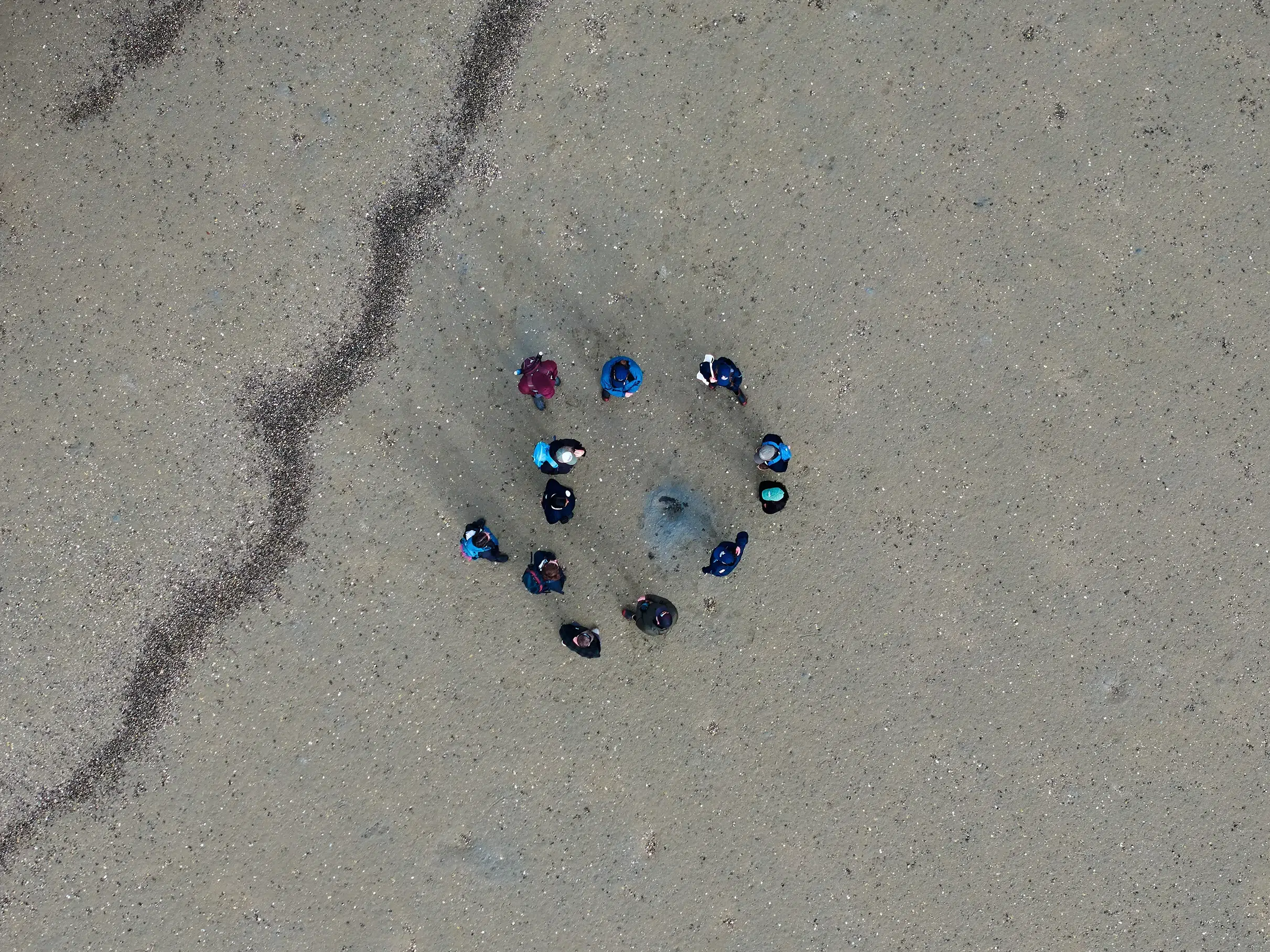
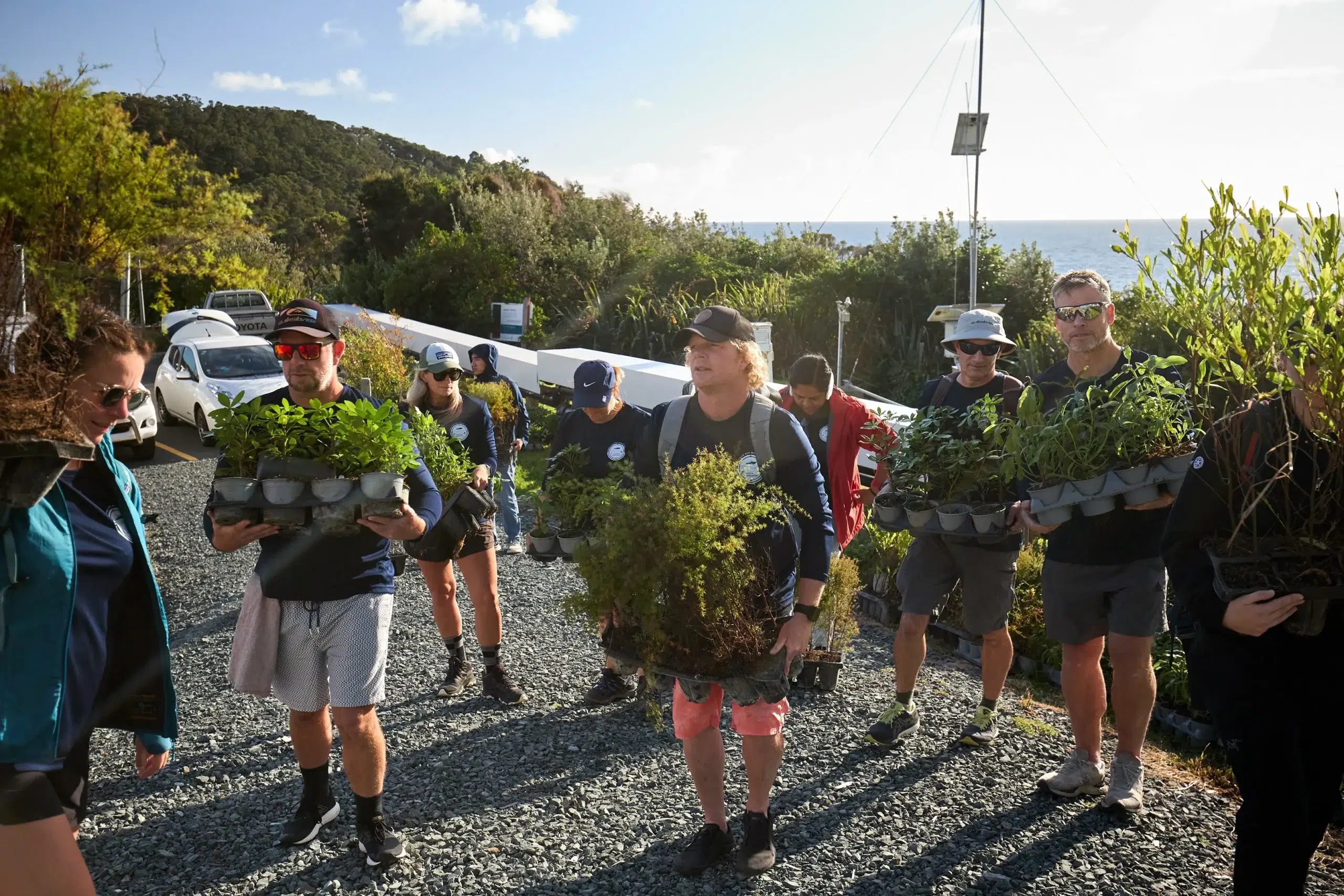
Throughout the weekend, participants took part in a variety of immersive experiences around the Goat Island region. Activities included native tree planting and a coastal walk led by marine scientist Tim Haggitt, who spoke about the importance of protecting and preserving our coastal environments. Teachers also learned about local conservation initiatives, including trapping efforts that help protect native biodiversity in the area.
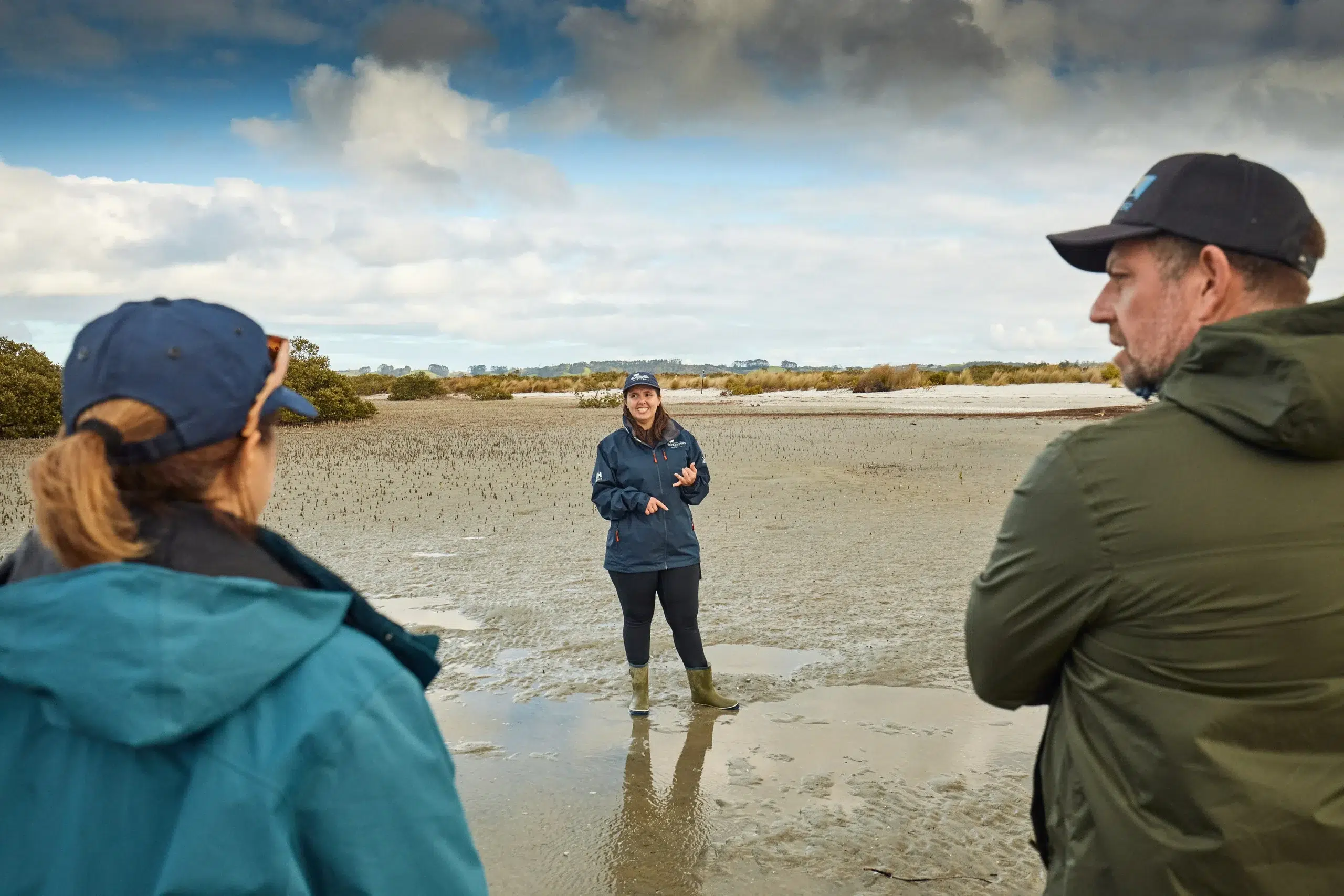
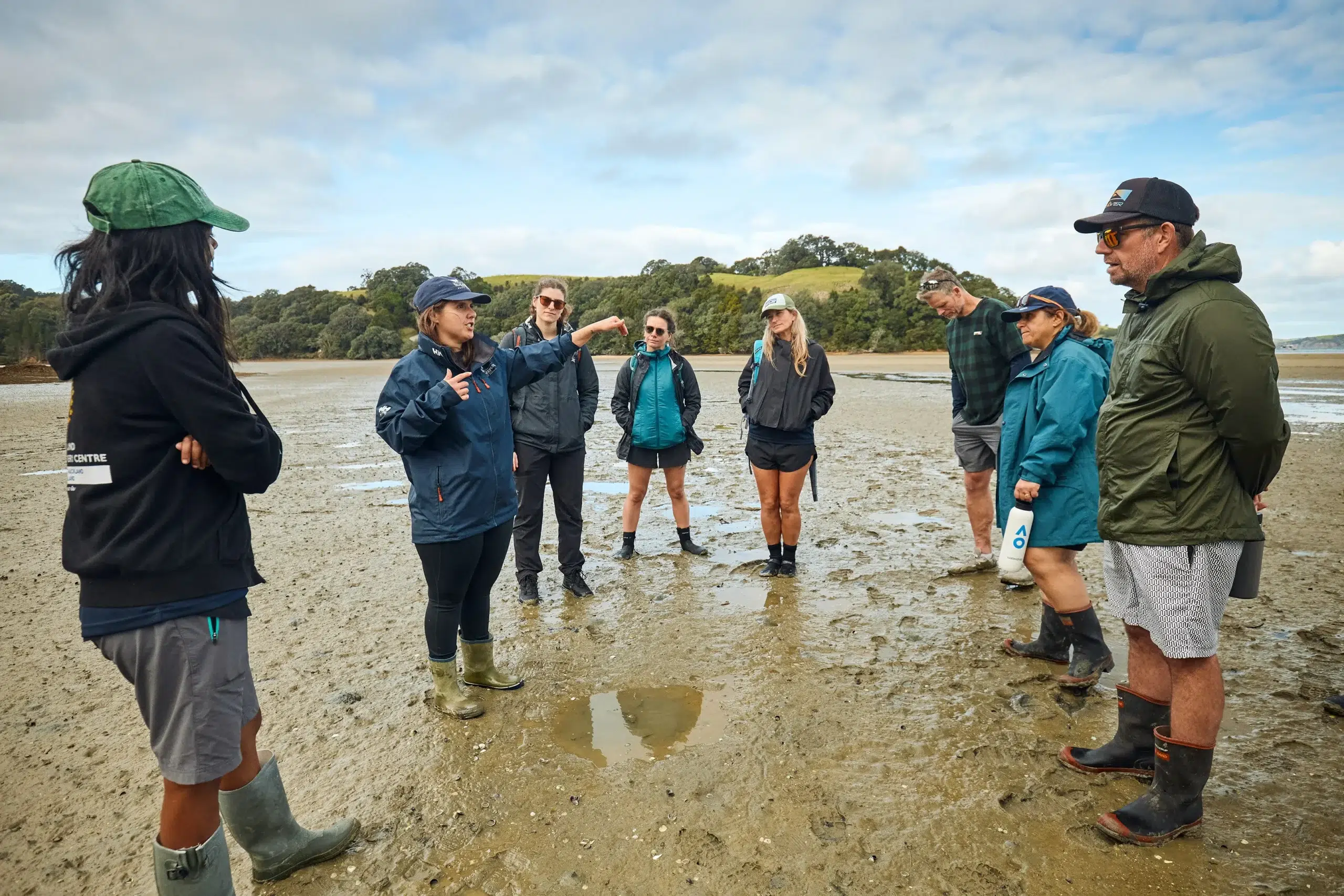
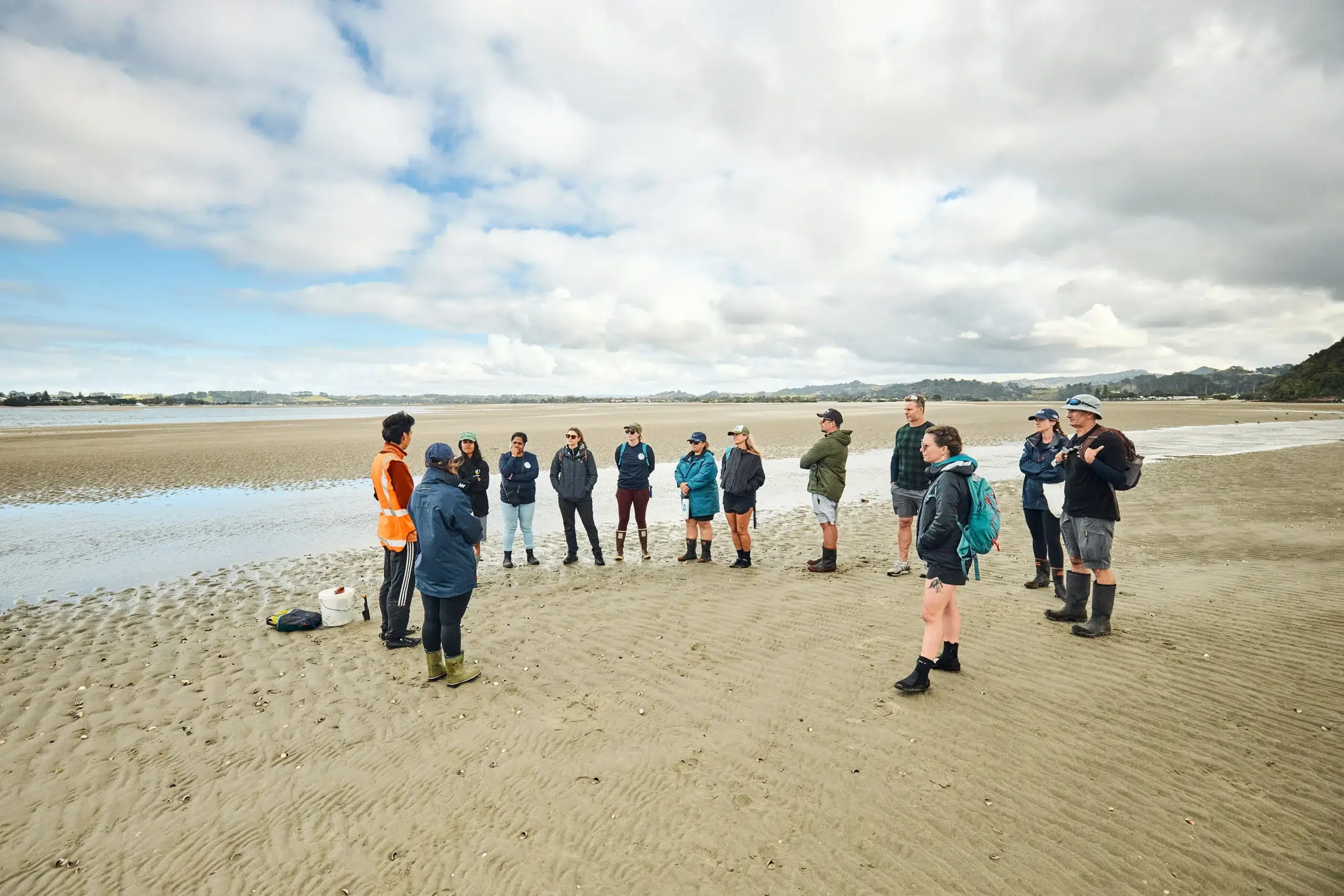
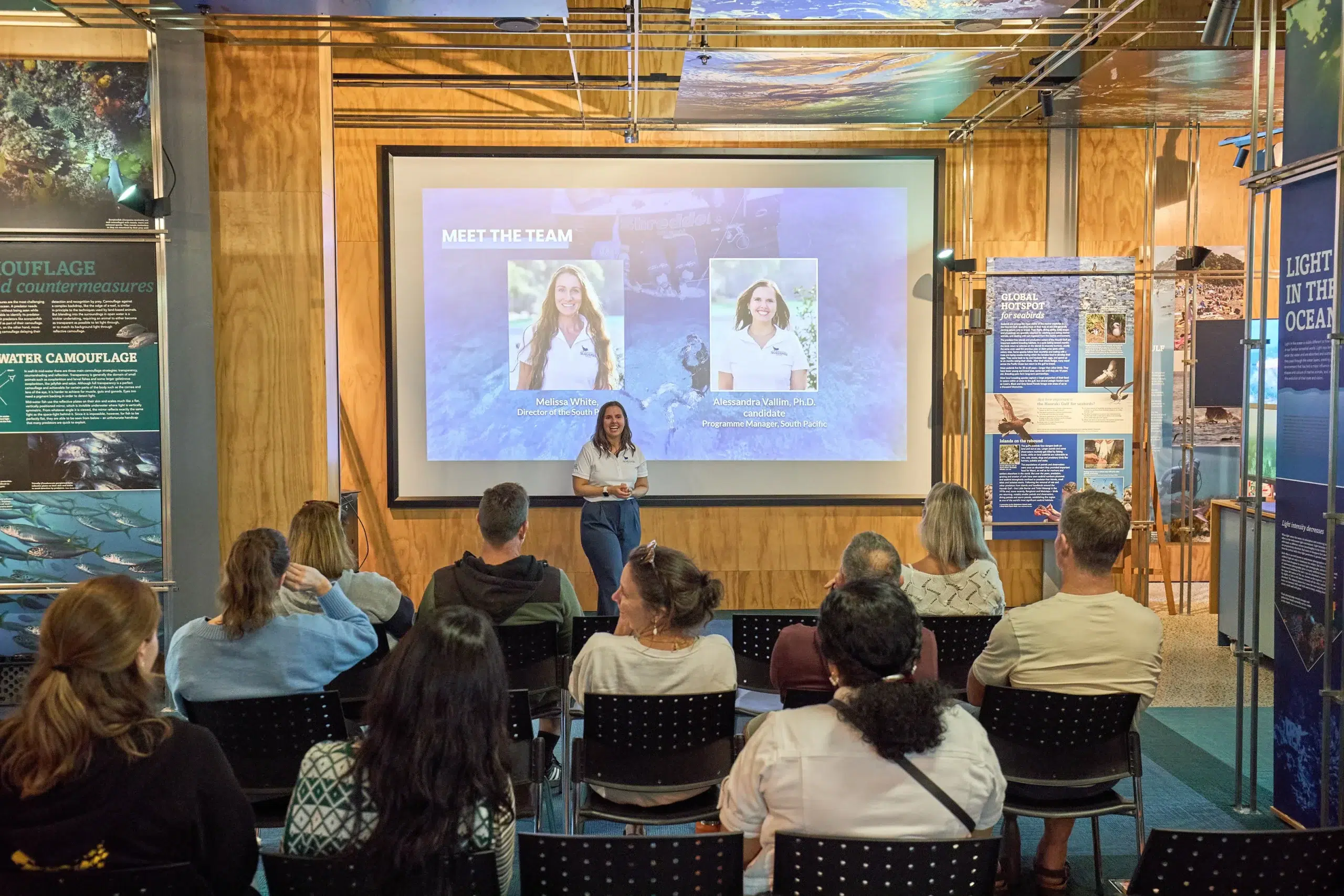
During an estuary and mangrove exploration, Programme Manager Alessandra Vallim shared insights into the critical role estuaries play in nutrient cycling and as habitats for a wide range of species. Participants gained a deeper understanding of how these ecosystems support both marine life and coastal health.
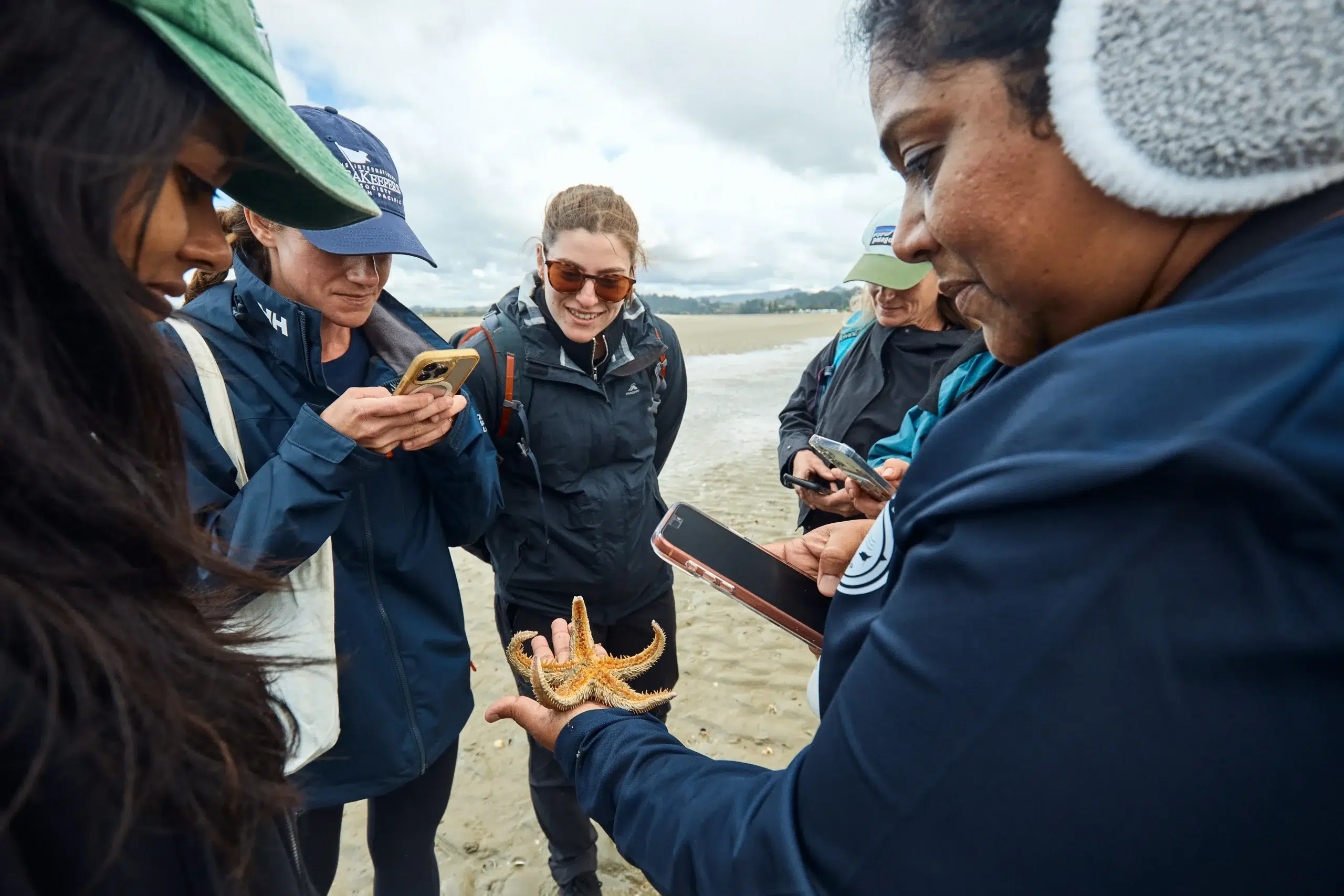
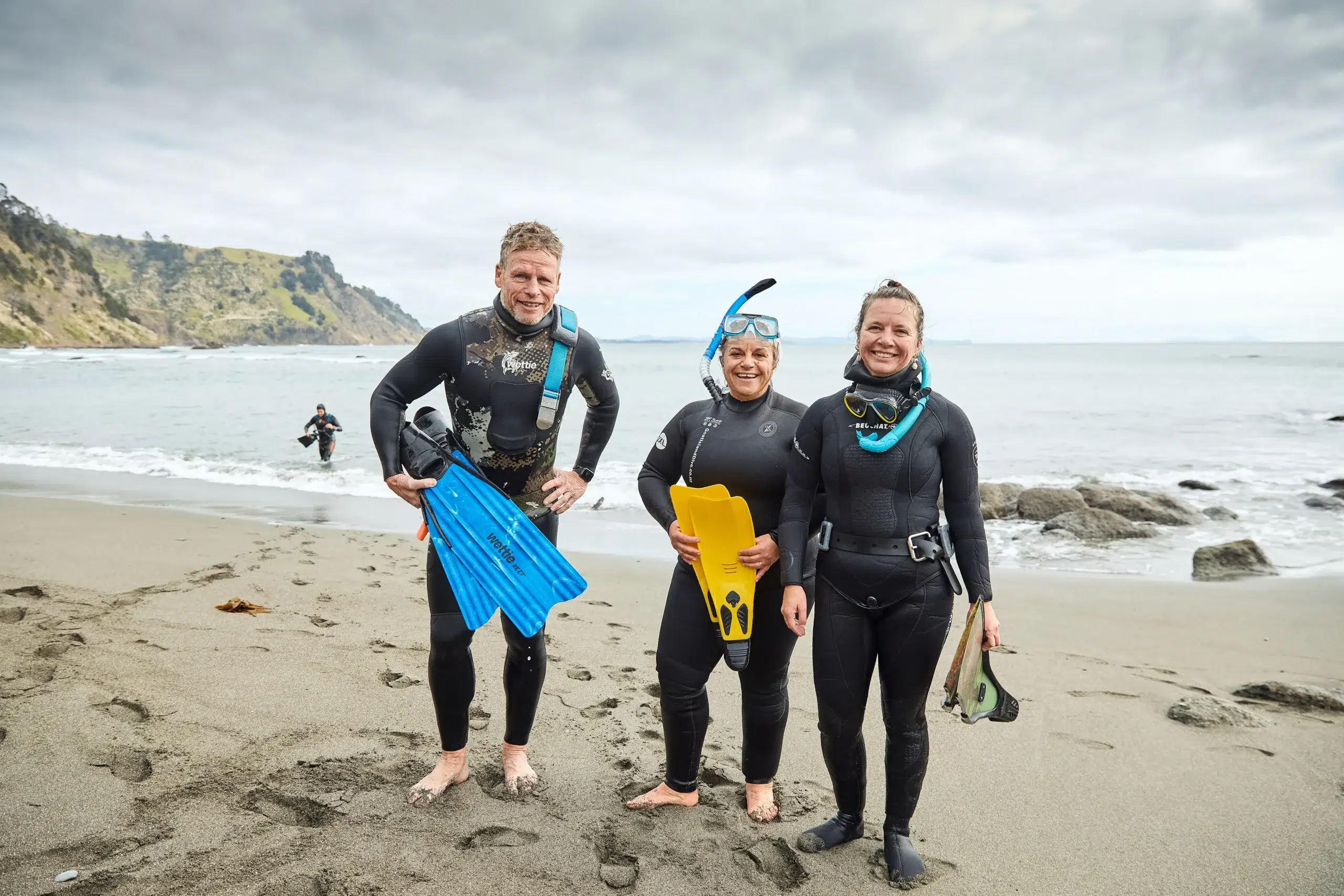
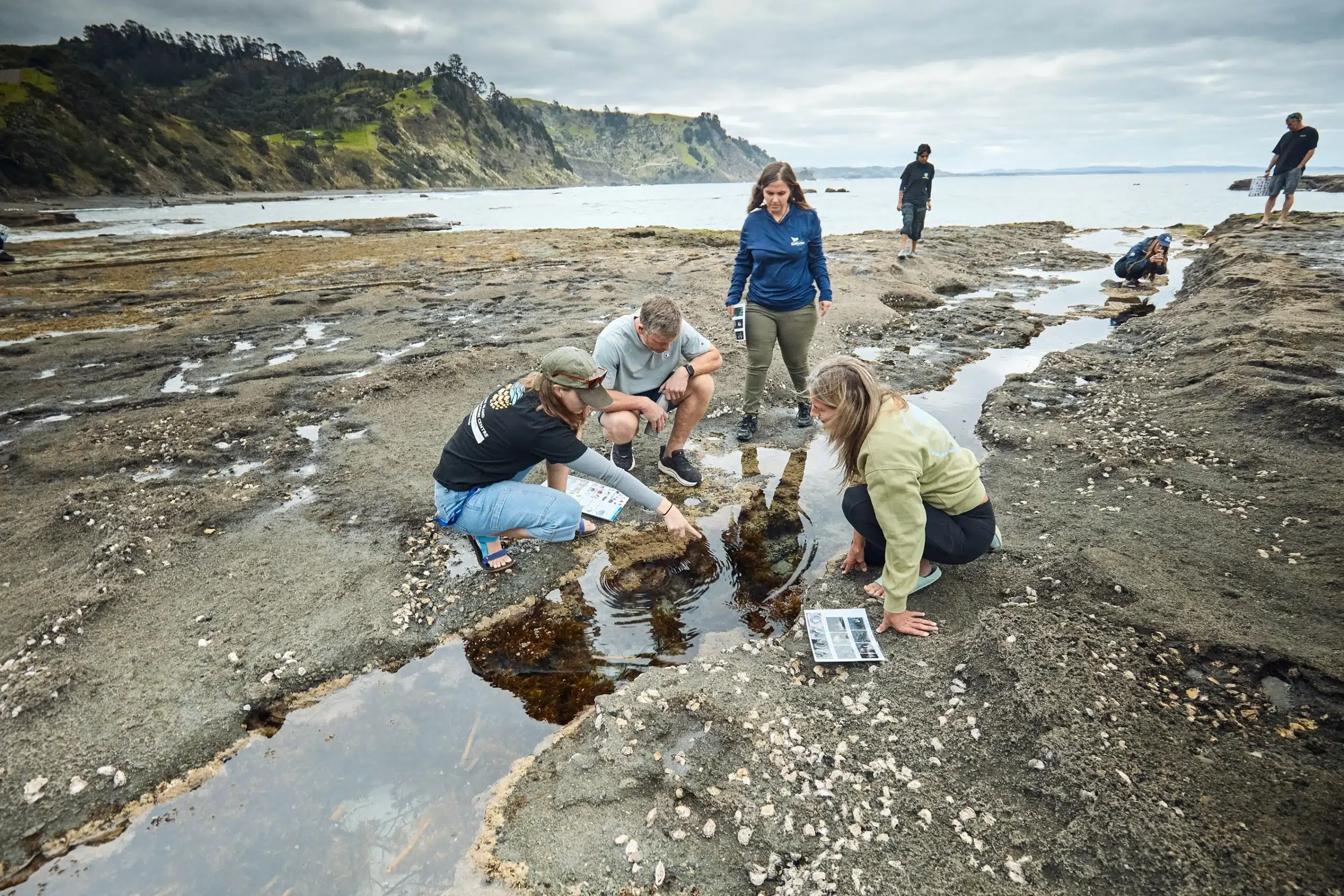
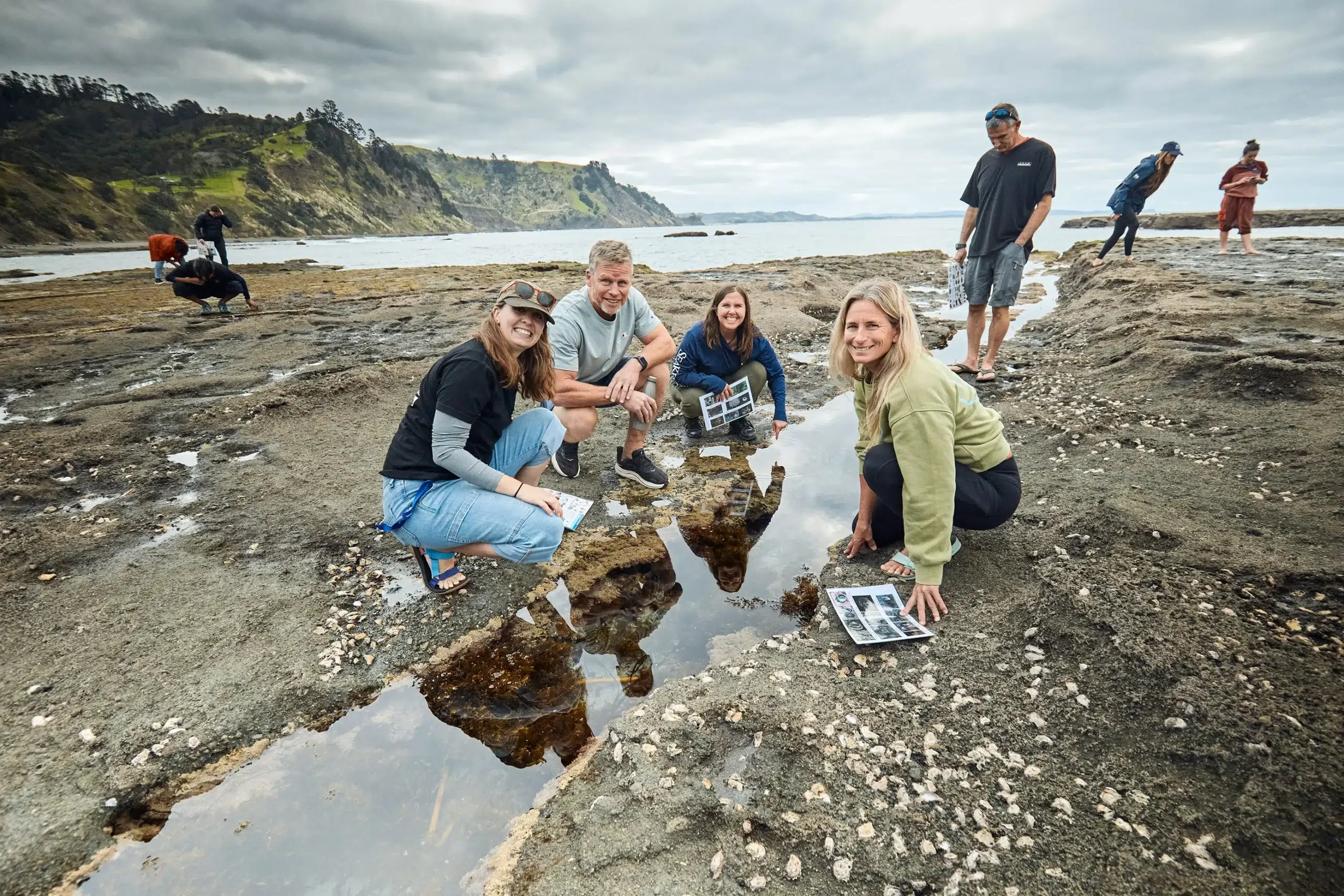
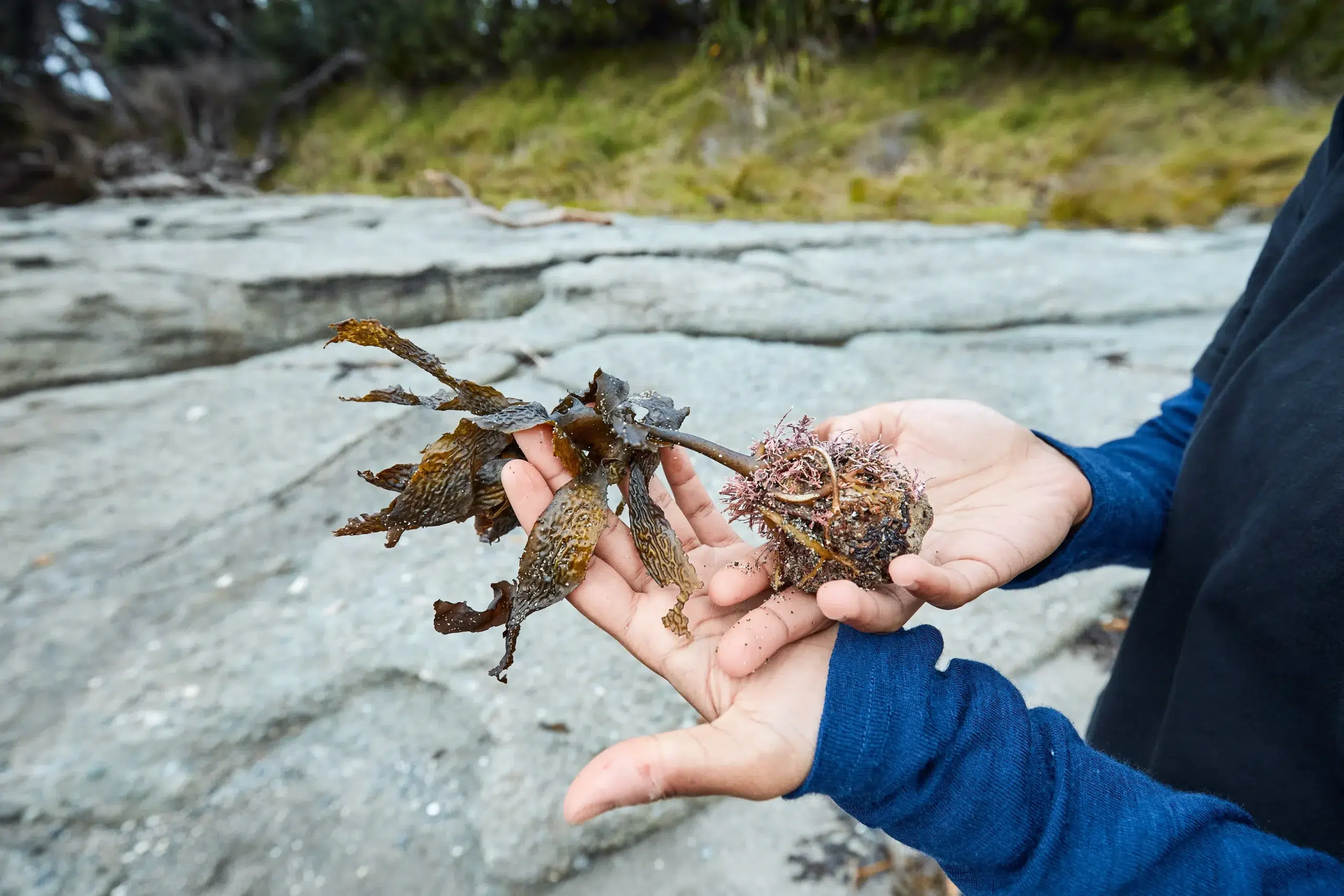
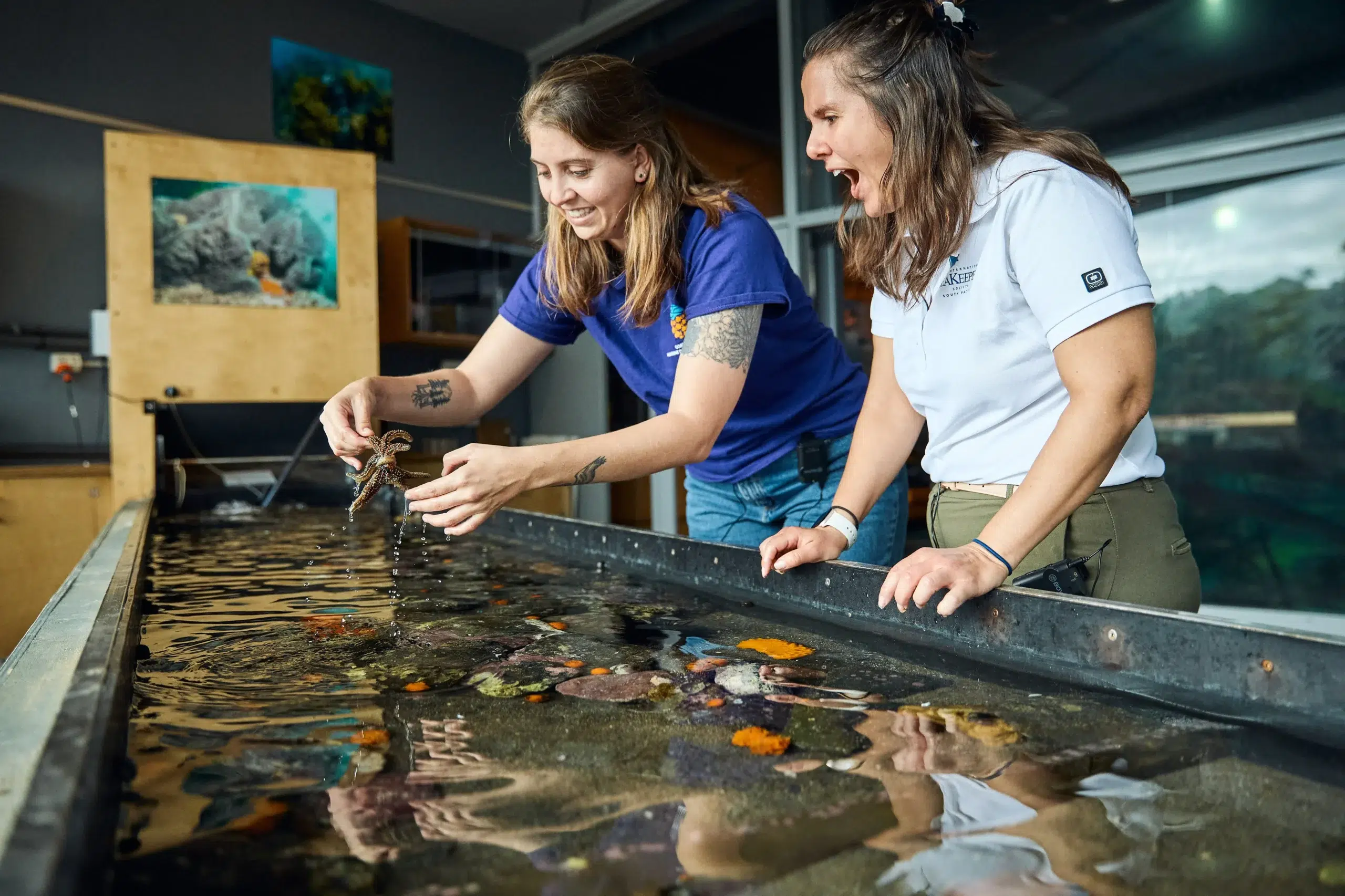
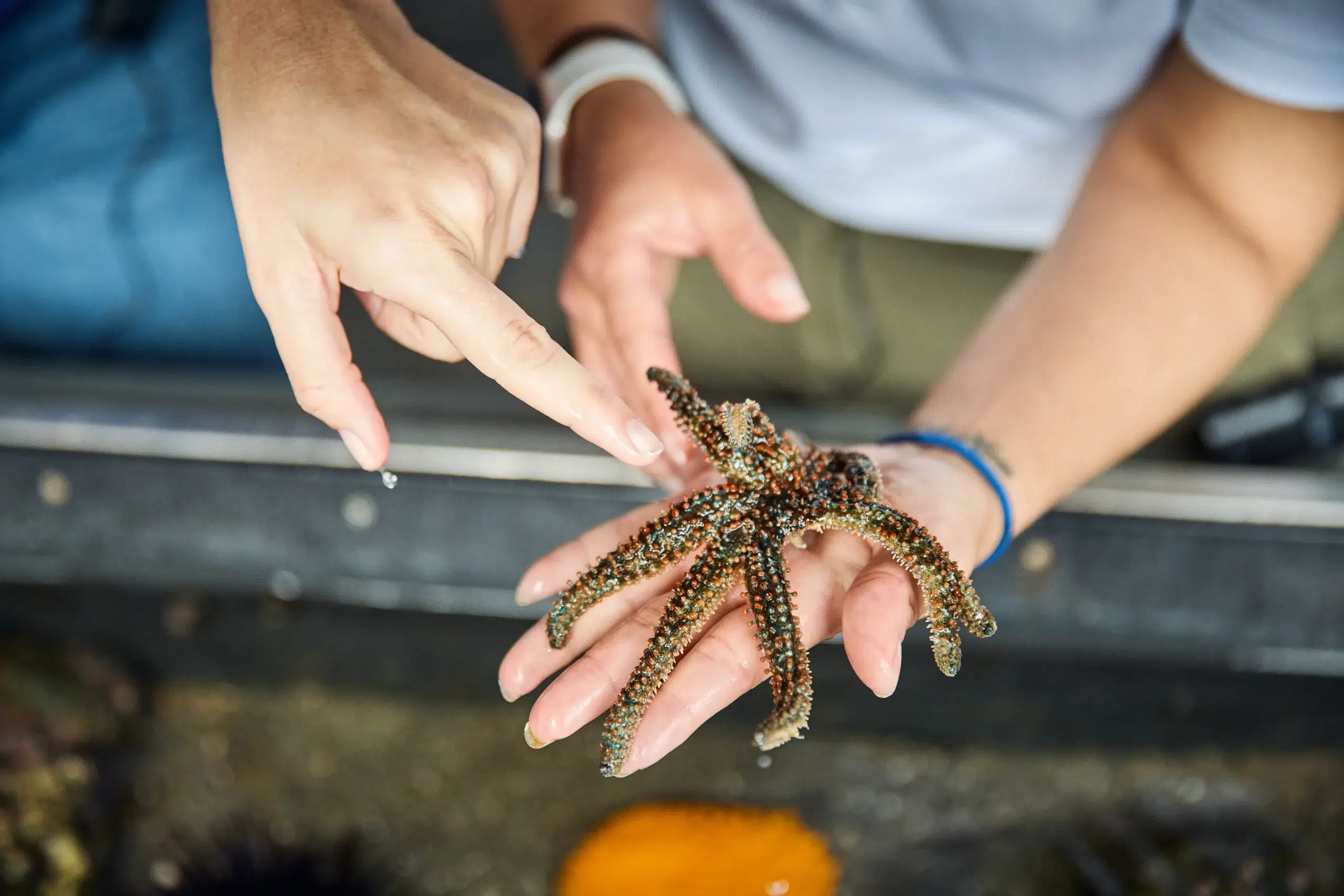
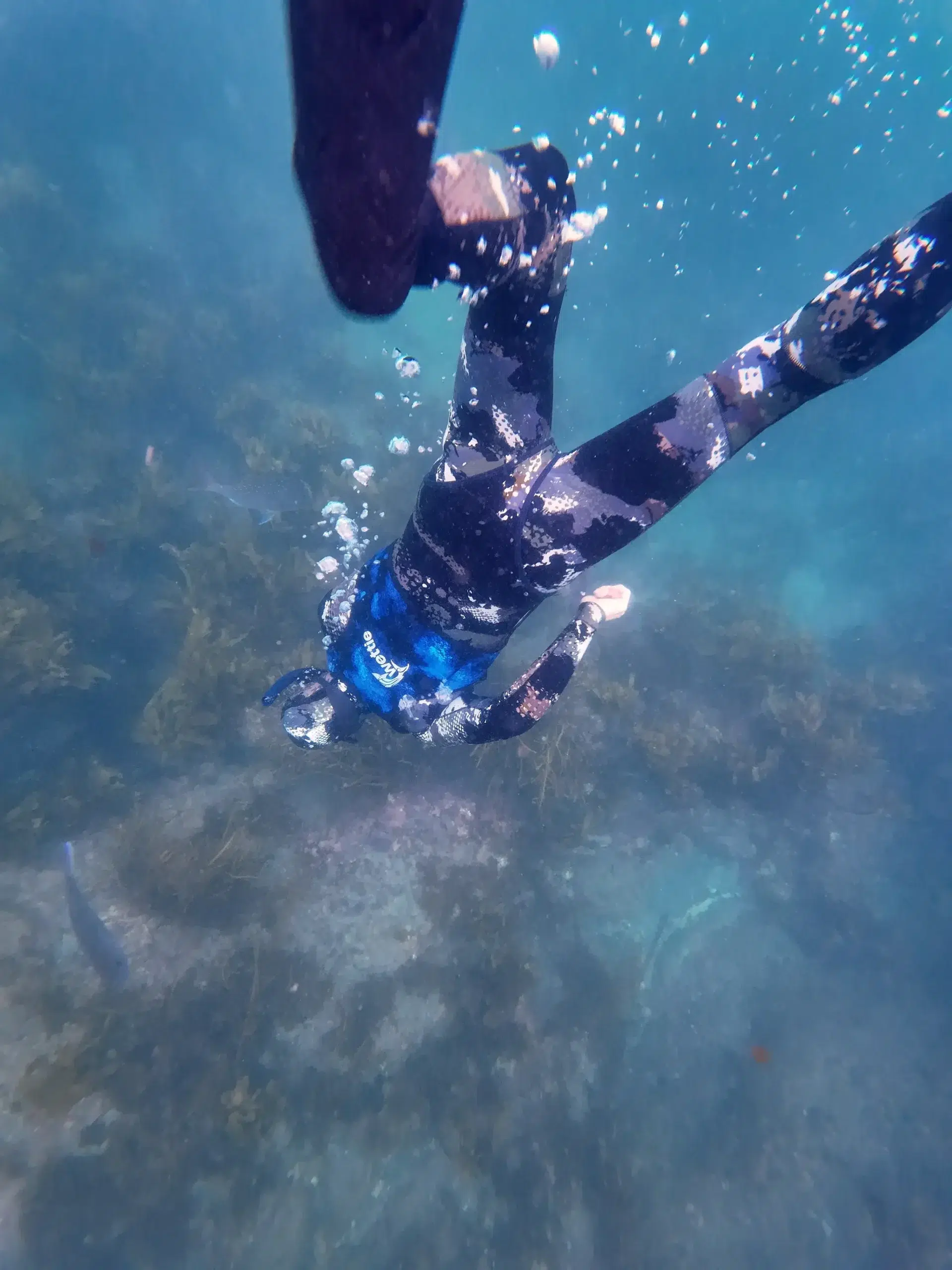
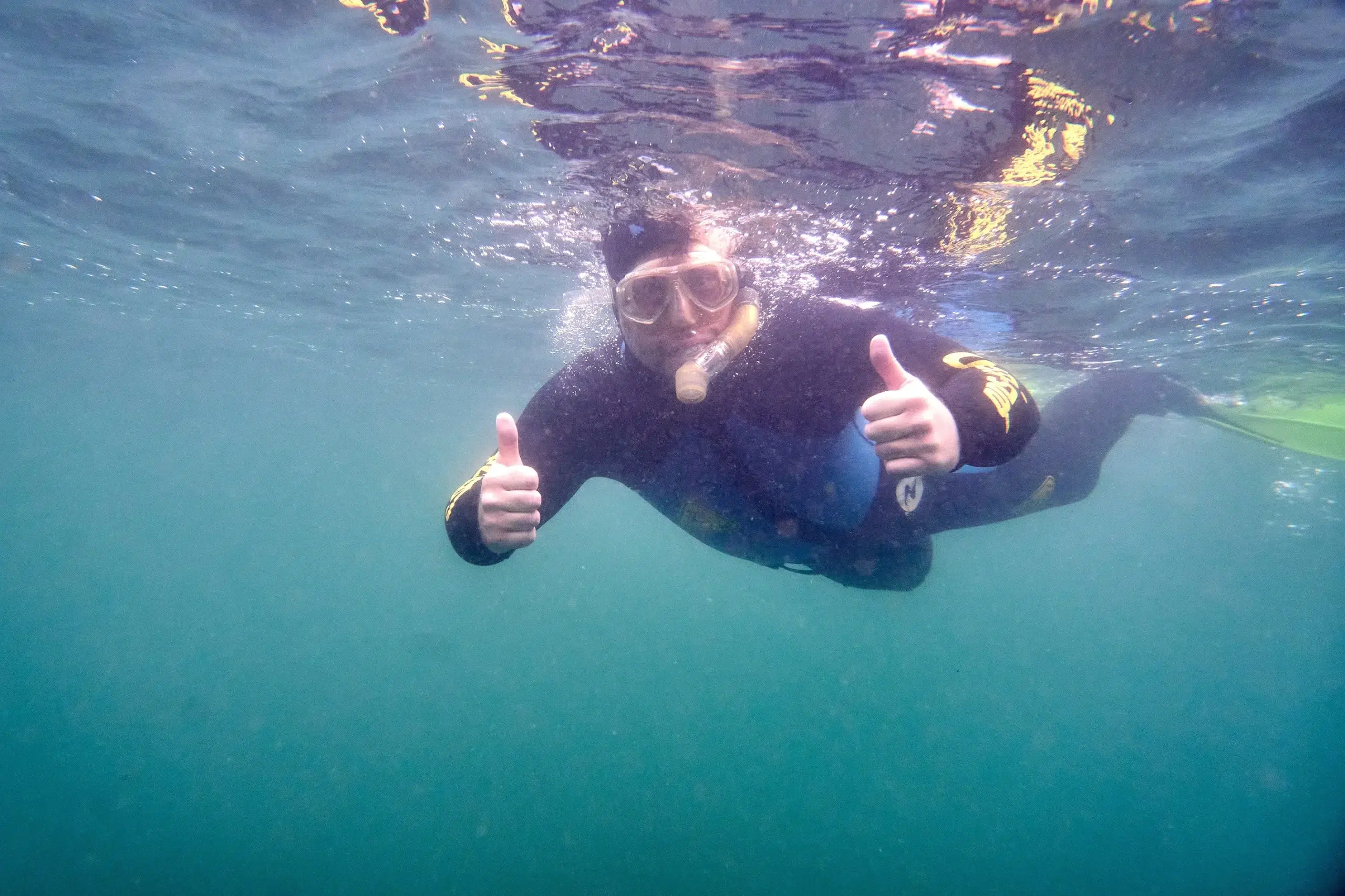
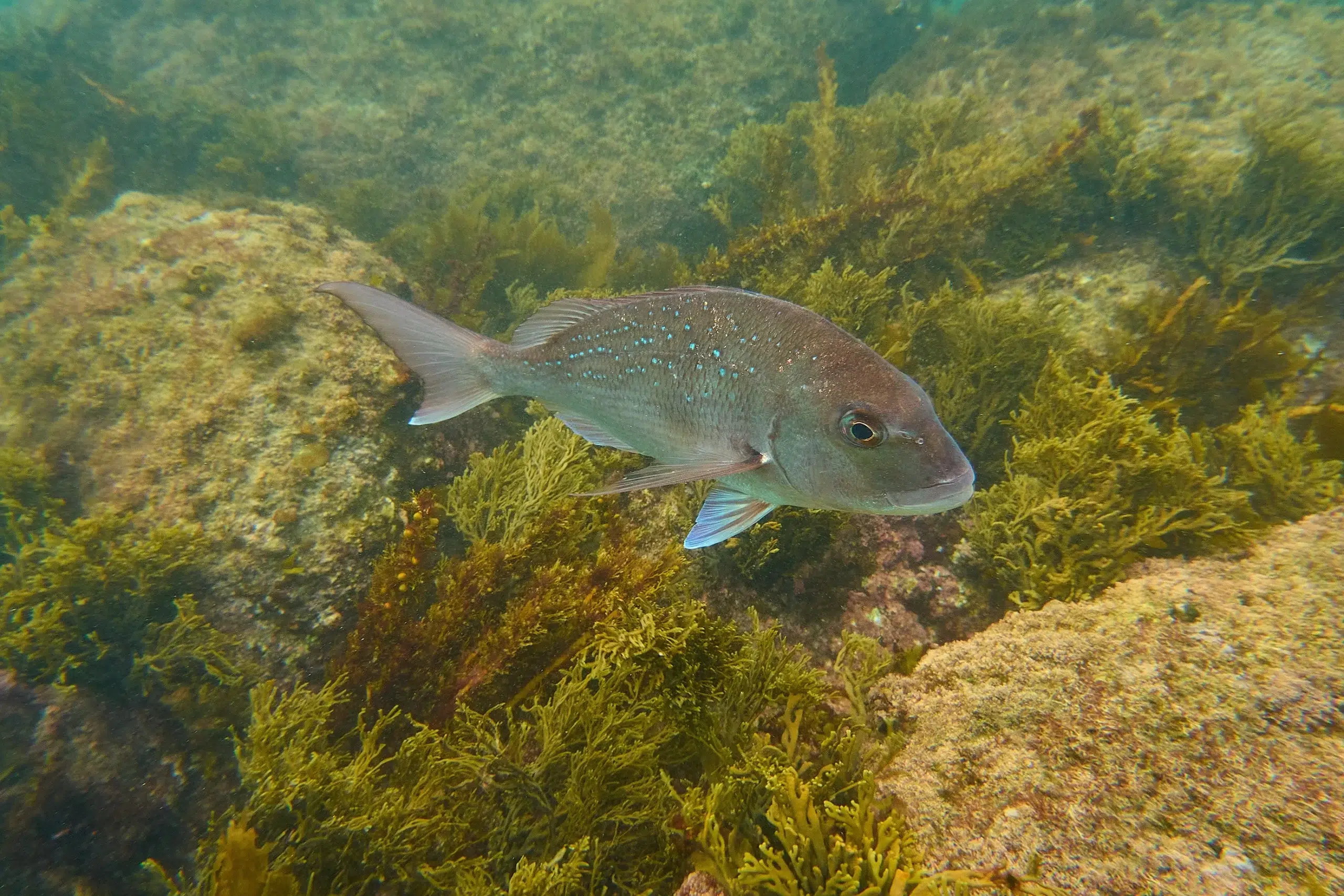
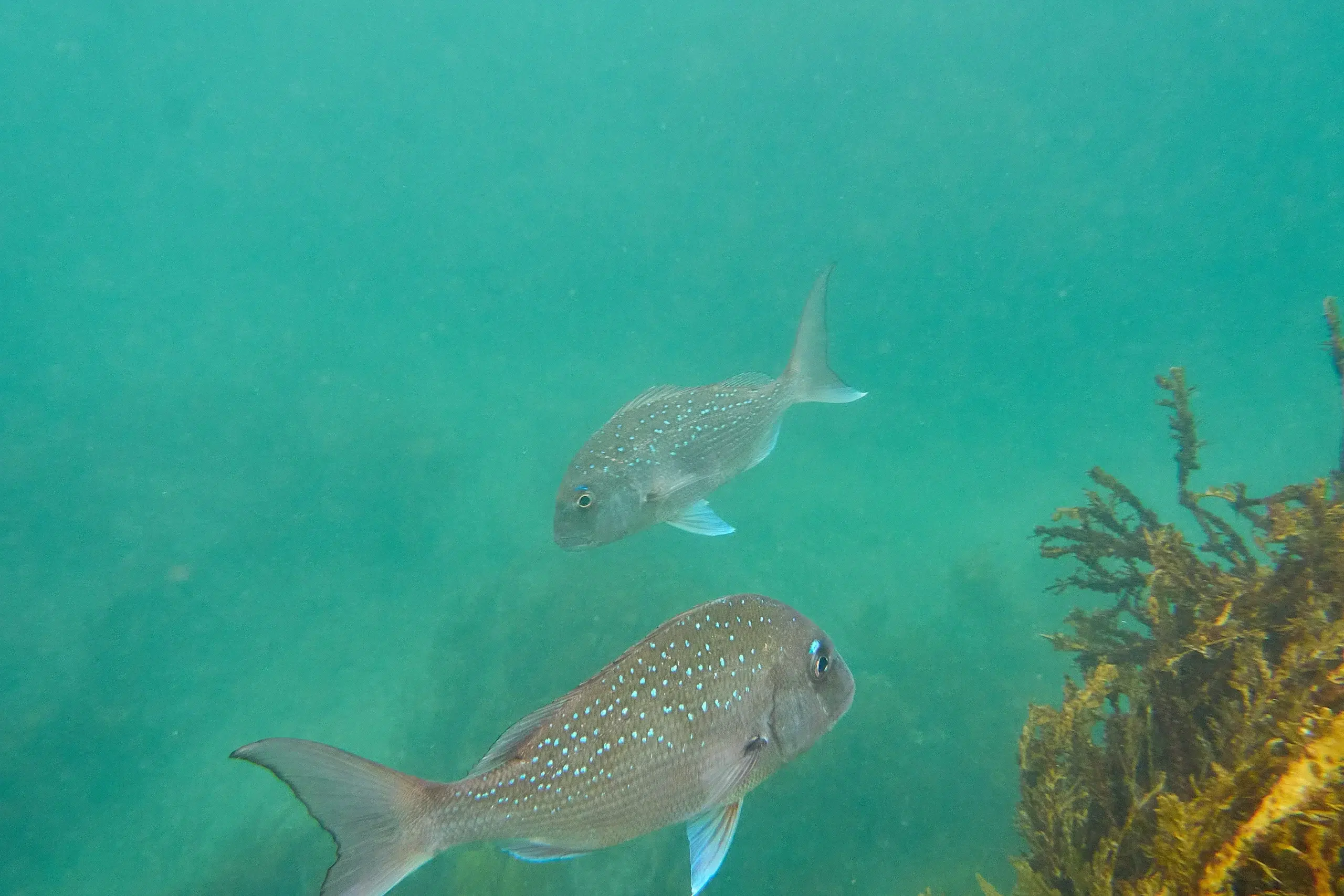
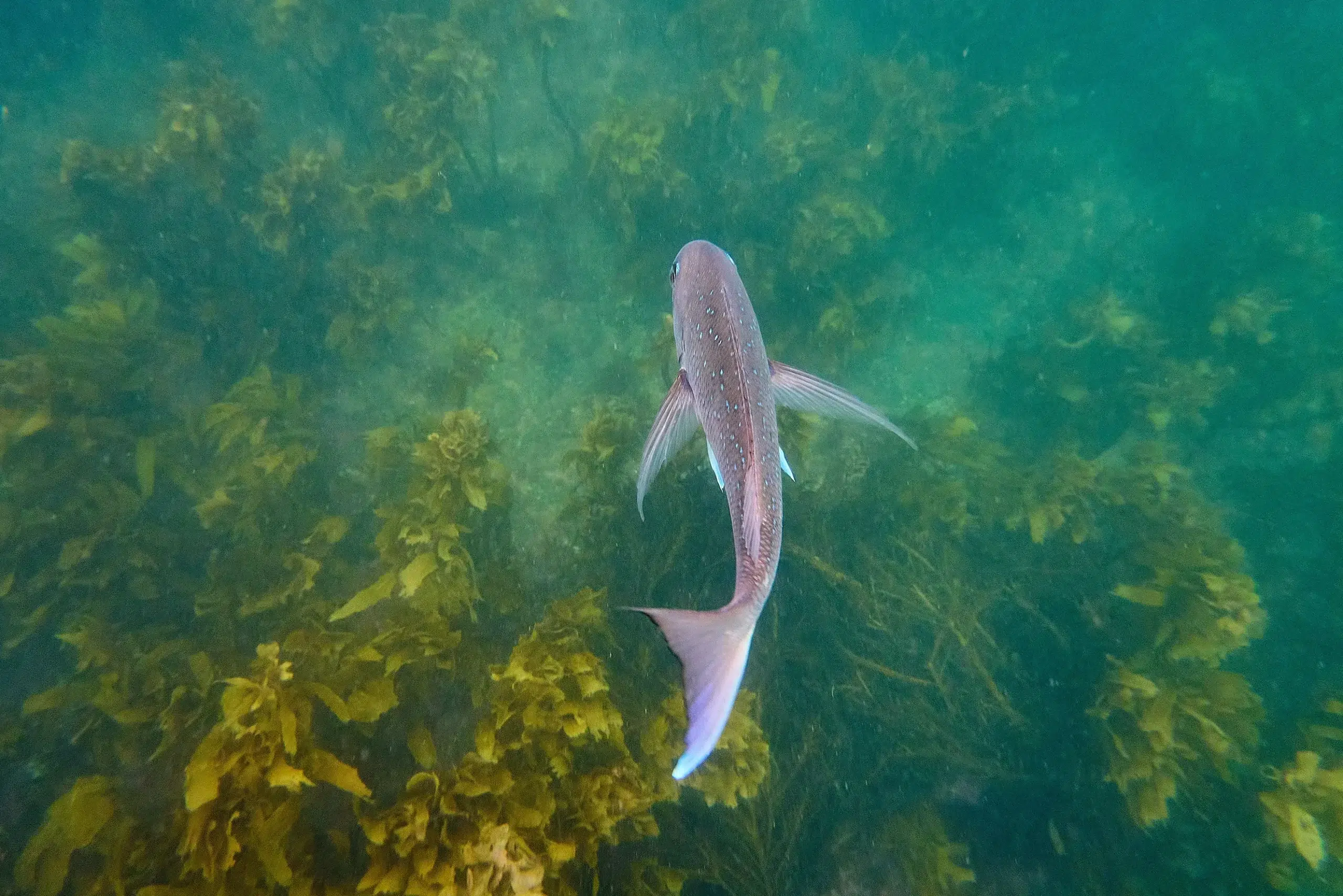
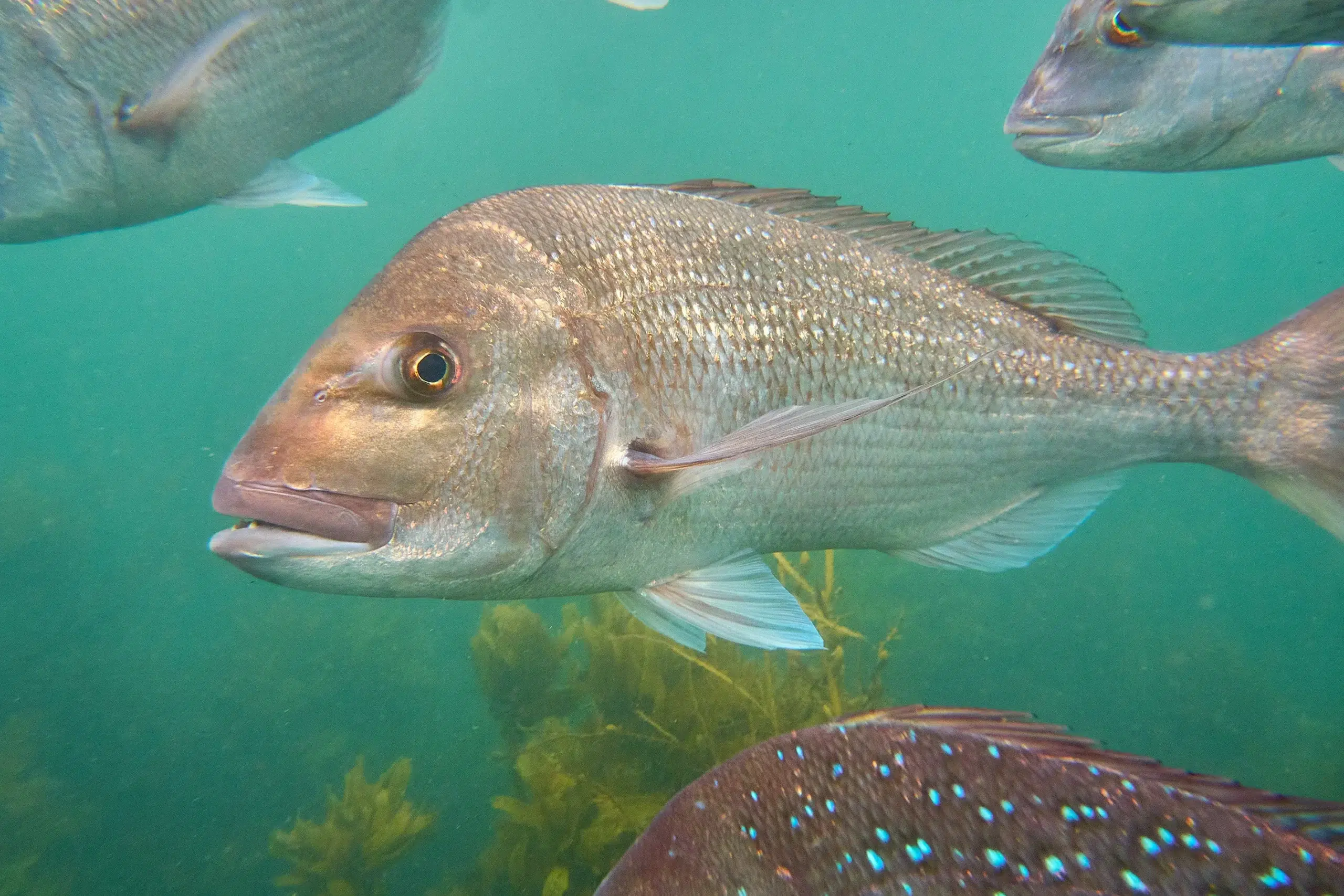
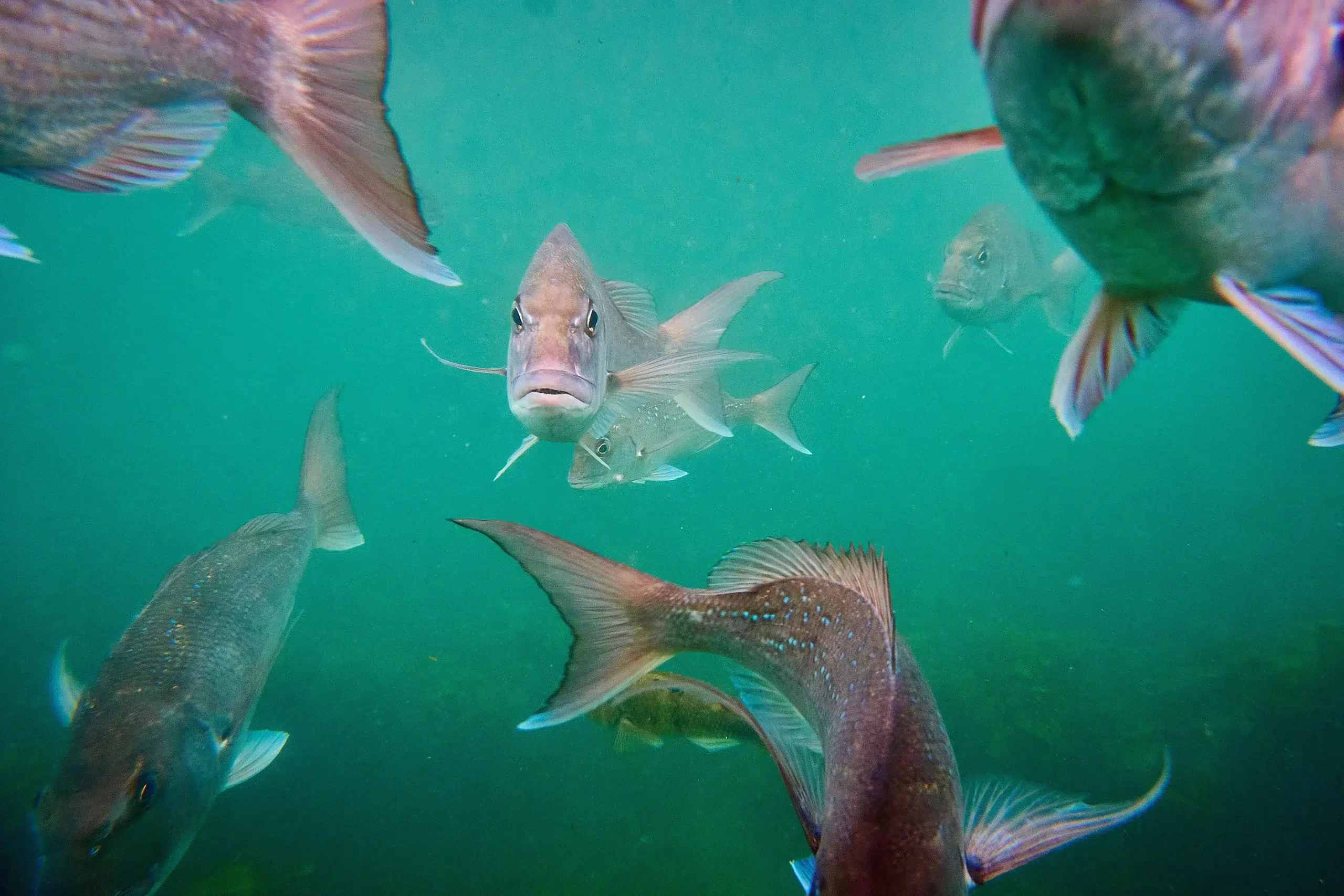
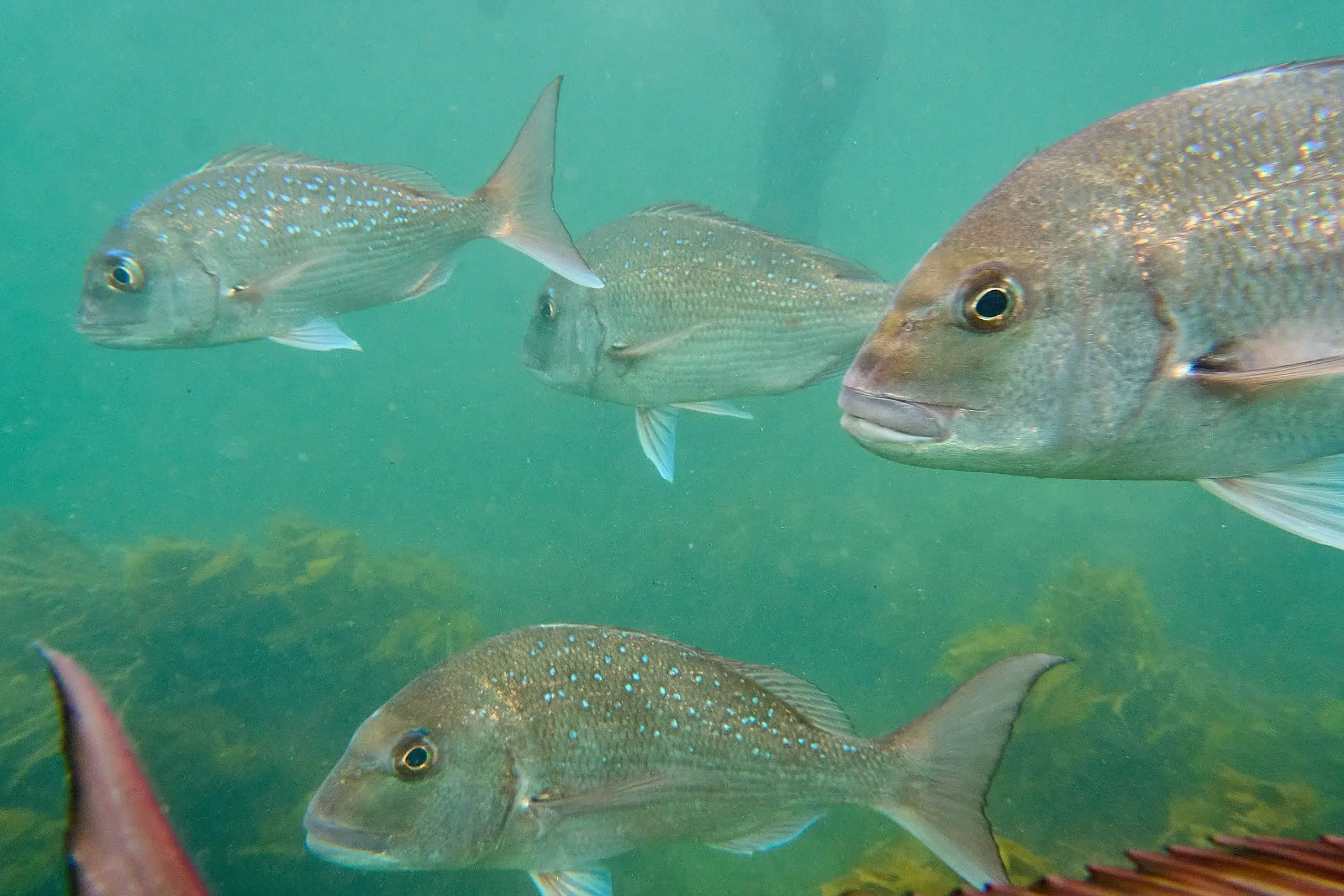
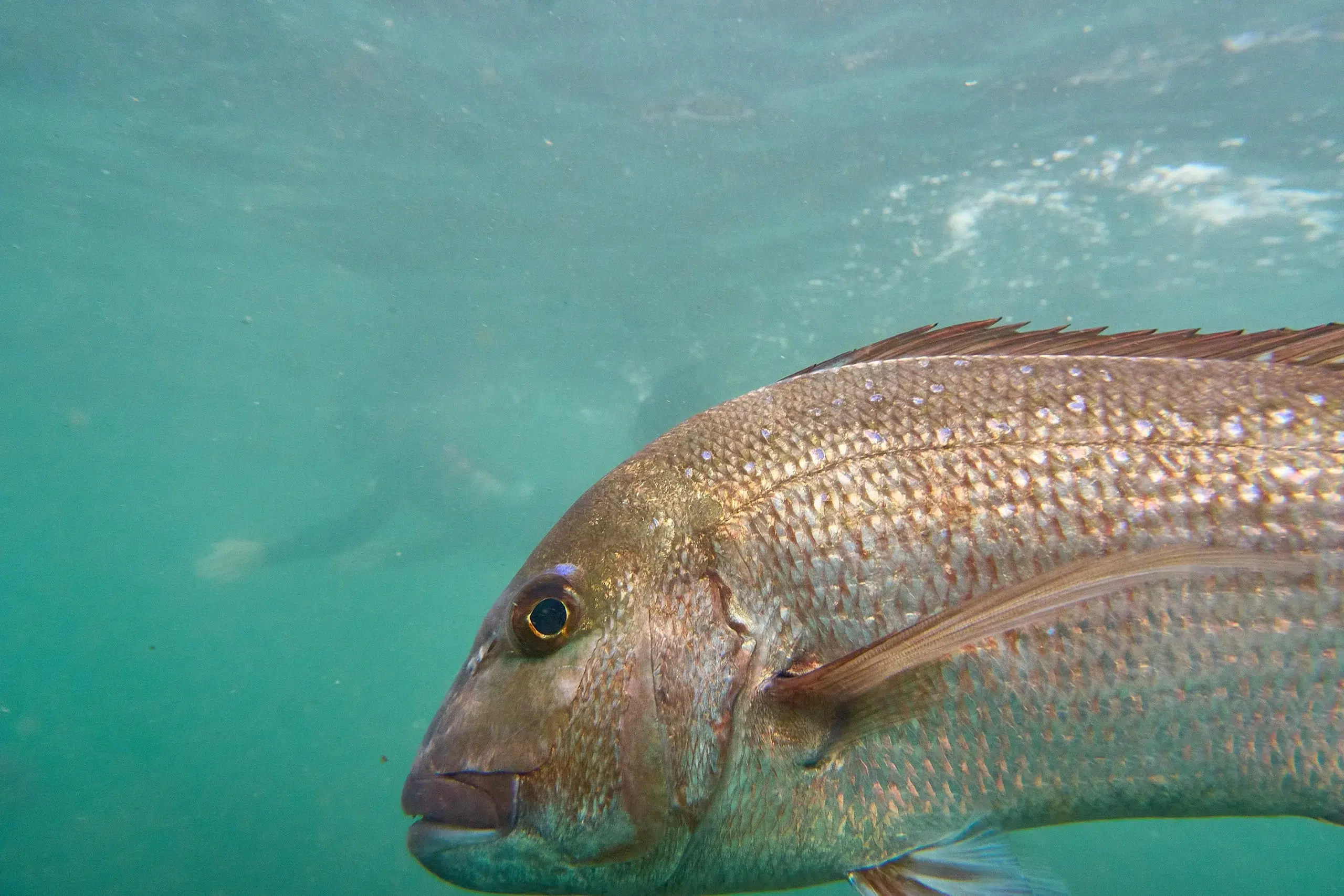
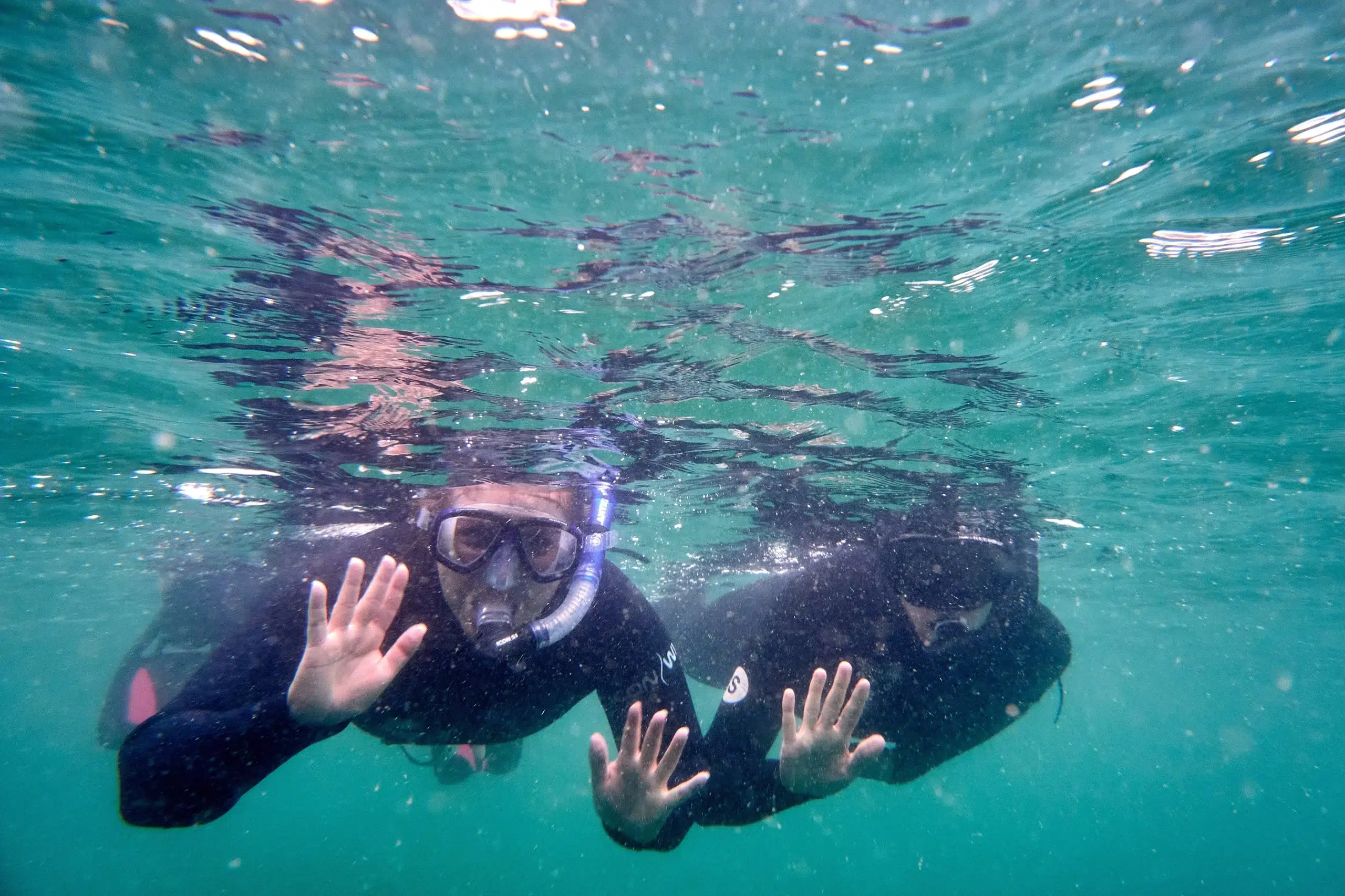
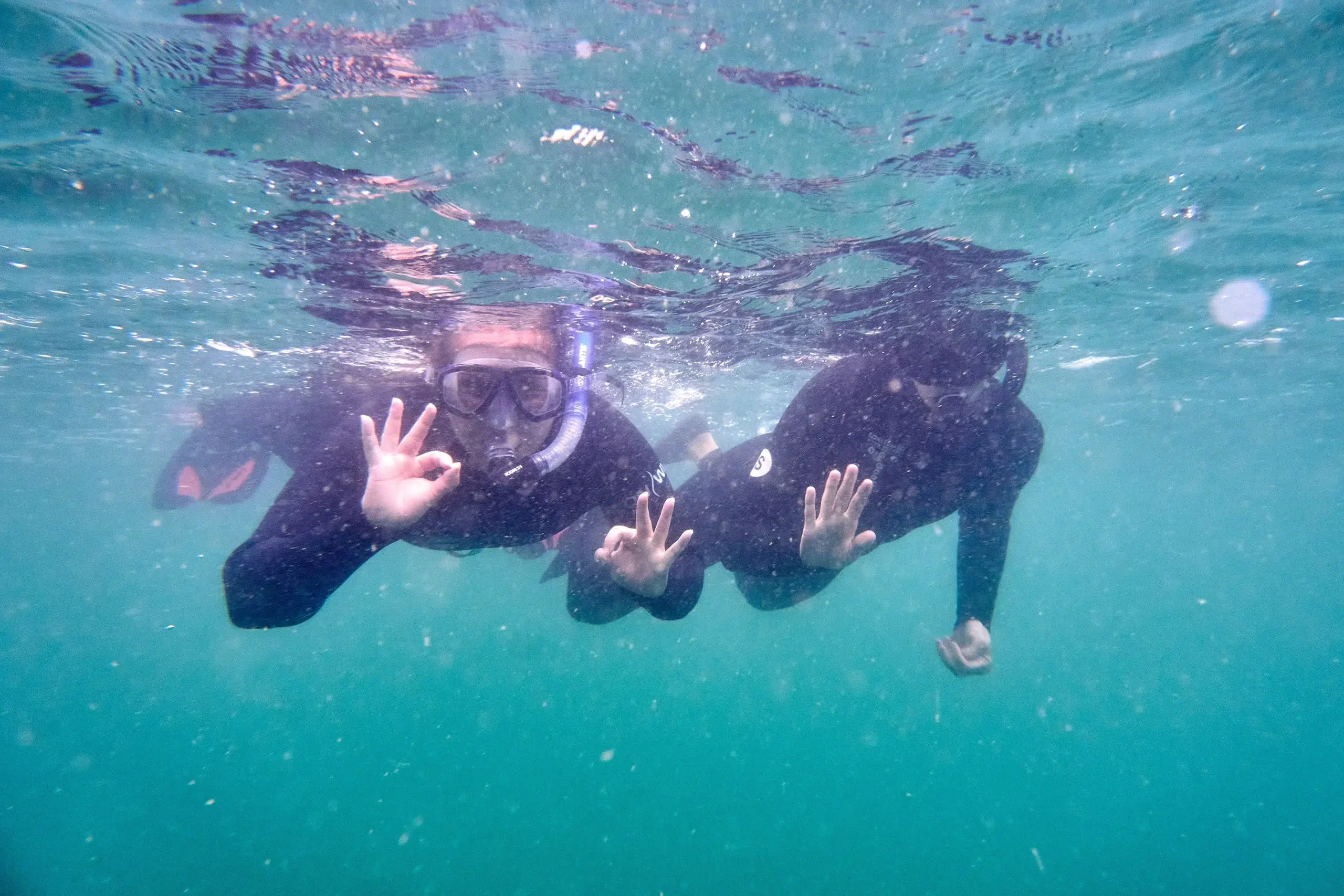
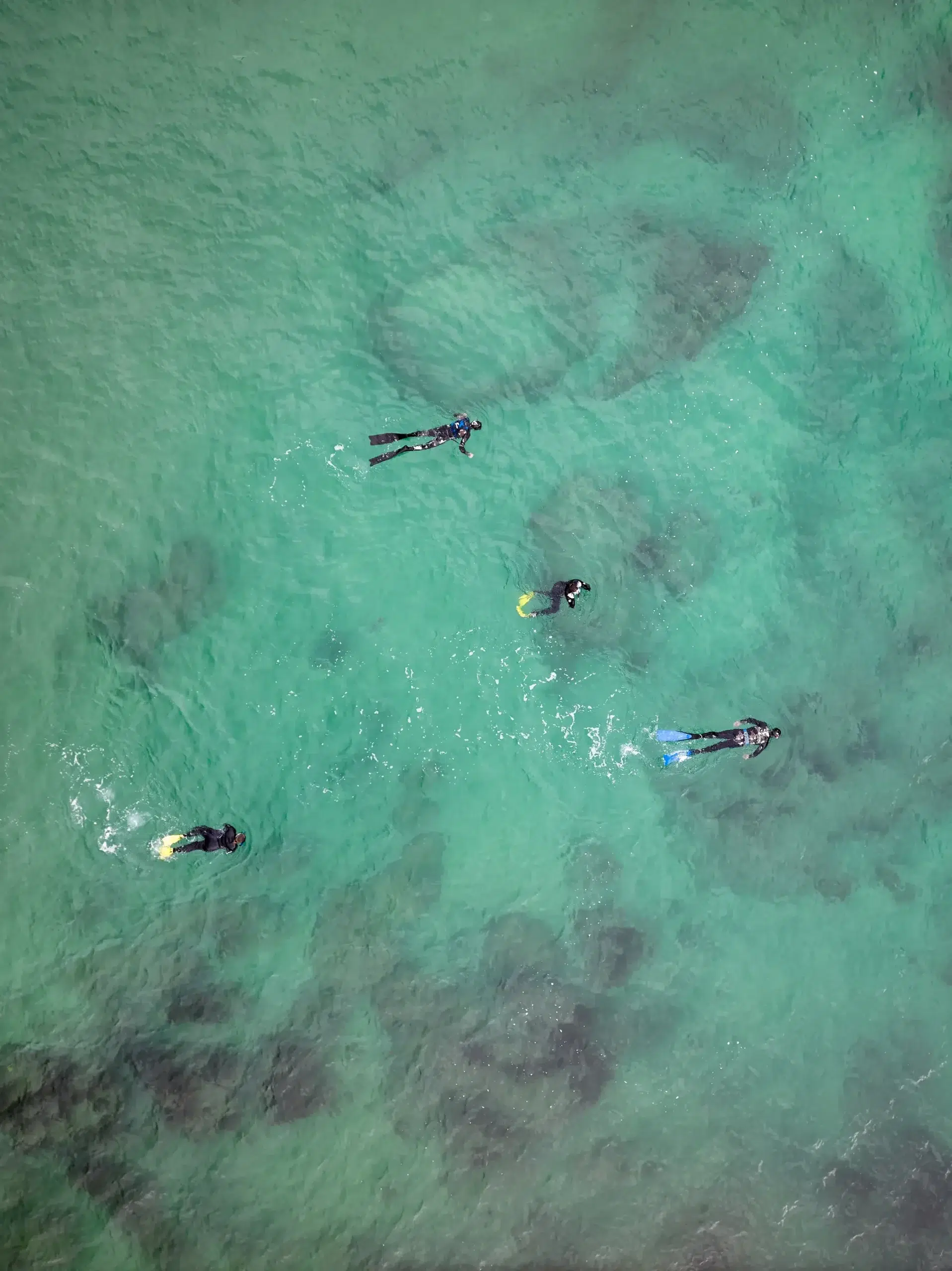
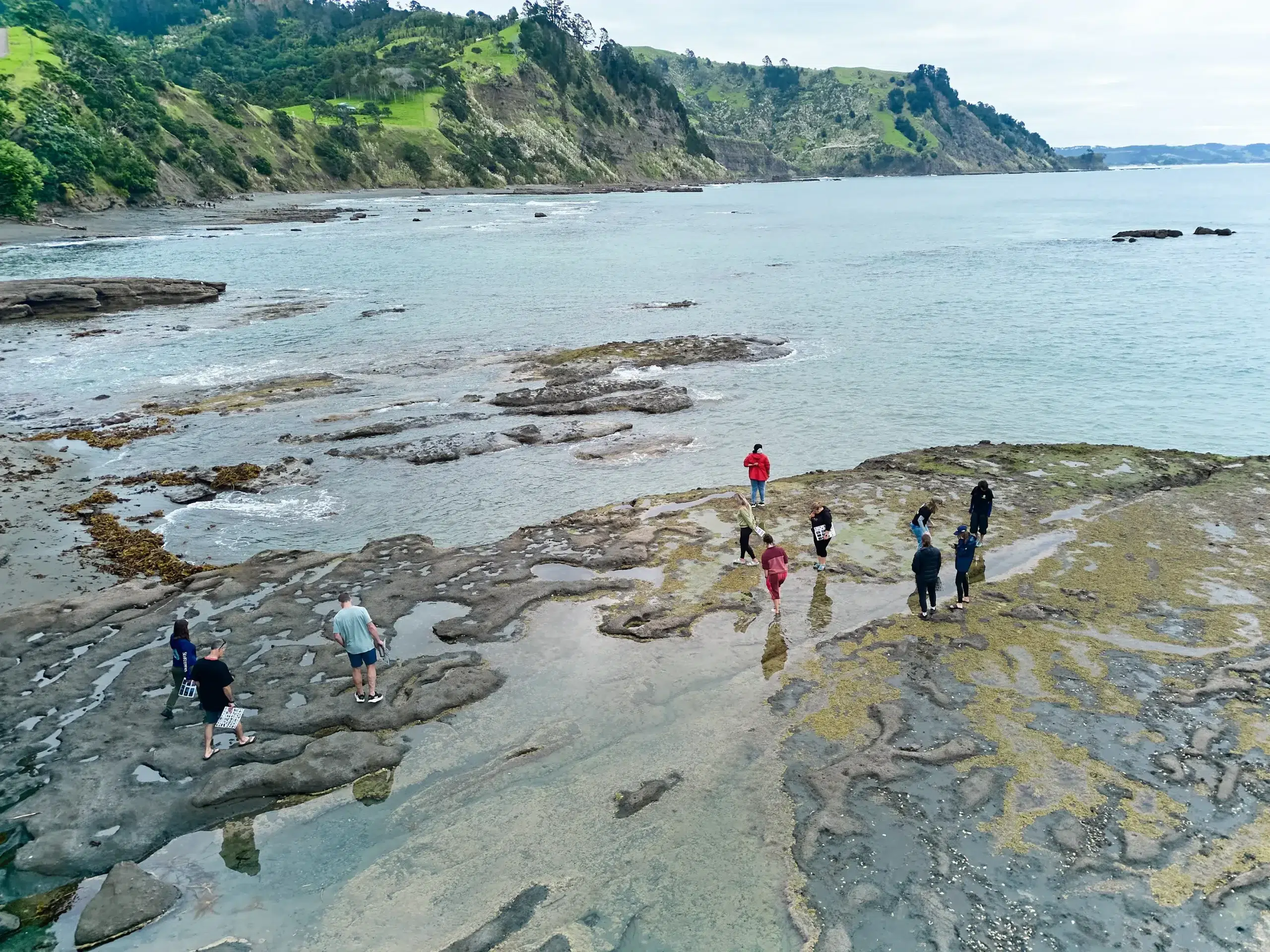
The group also had the opportunity to snorkel within the marine reserve and hear from Kate Mayer and Nakita Daniel about the history and importance of marine reserves in New Zealand. At low tide, teachers explored the rocky shore pools, discovering the incredible diversity of organisms that inhabit the reserve’s different coastal habitats.
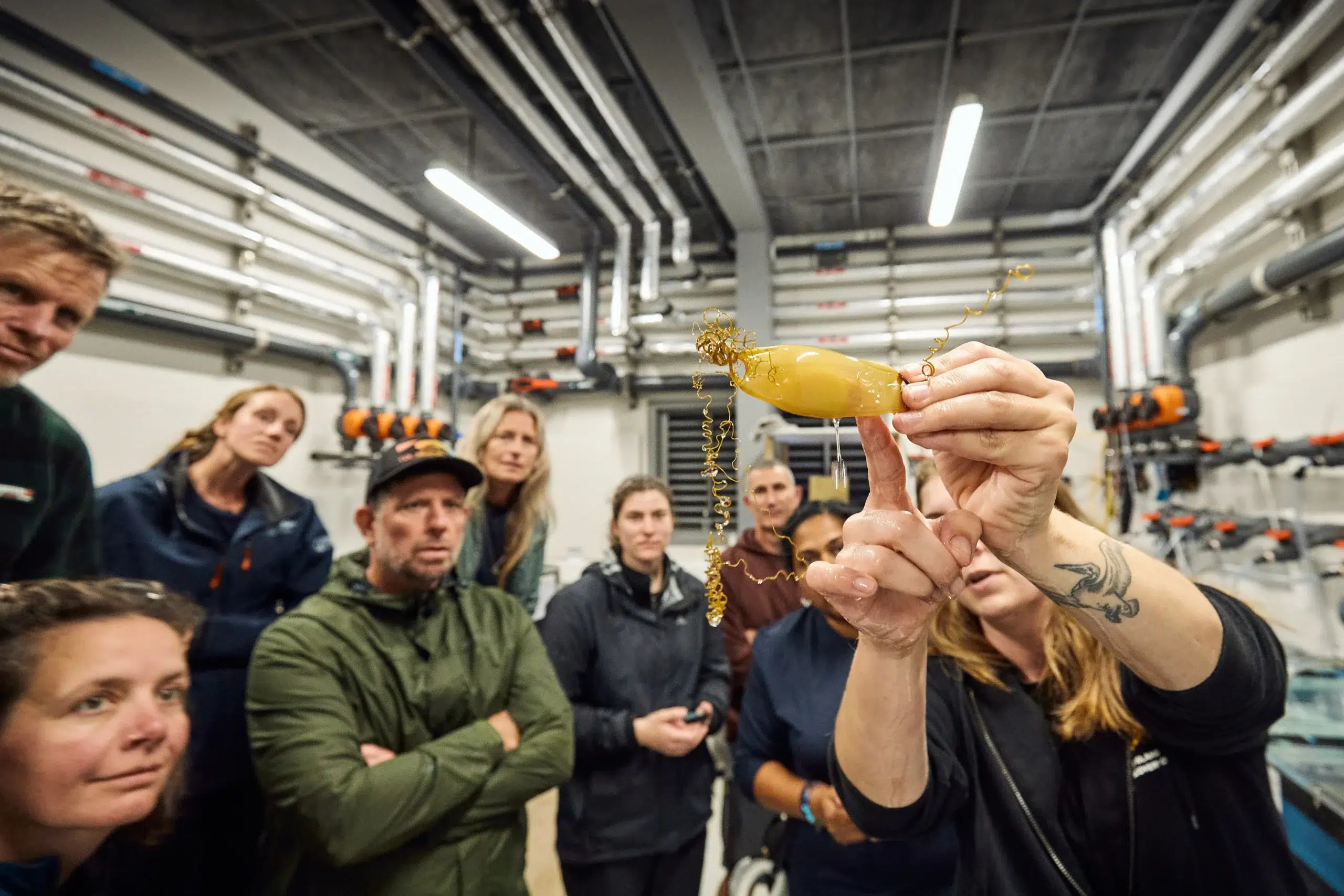
Adding to the scientific experience, two PhD candidates from The University of Auckland presented their current research projects taking place in New Zealand, giving participants insight into ongoing marine science and conservation work.
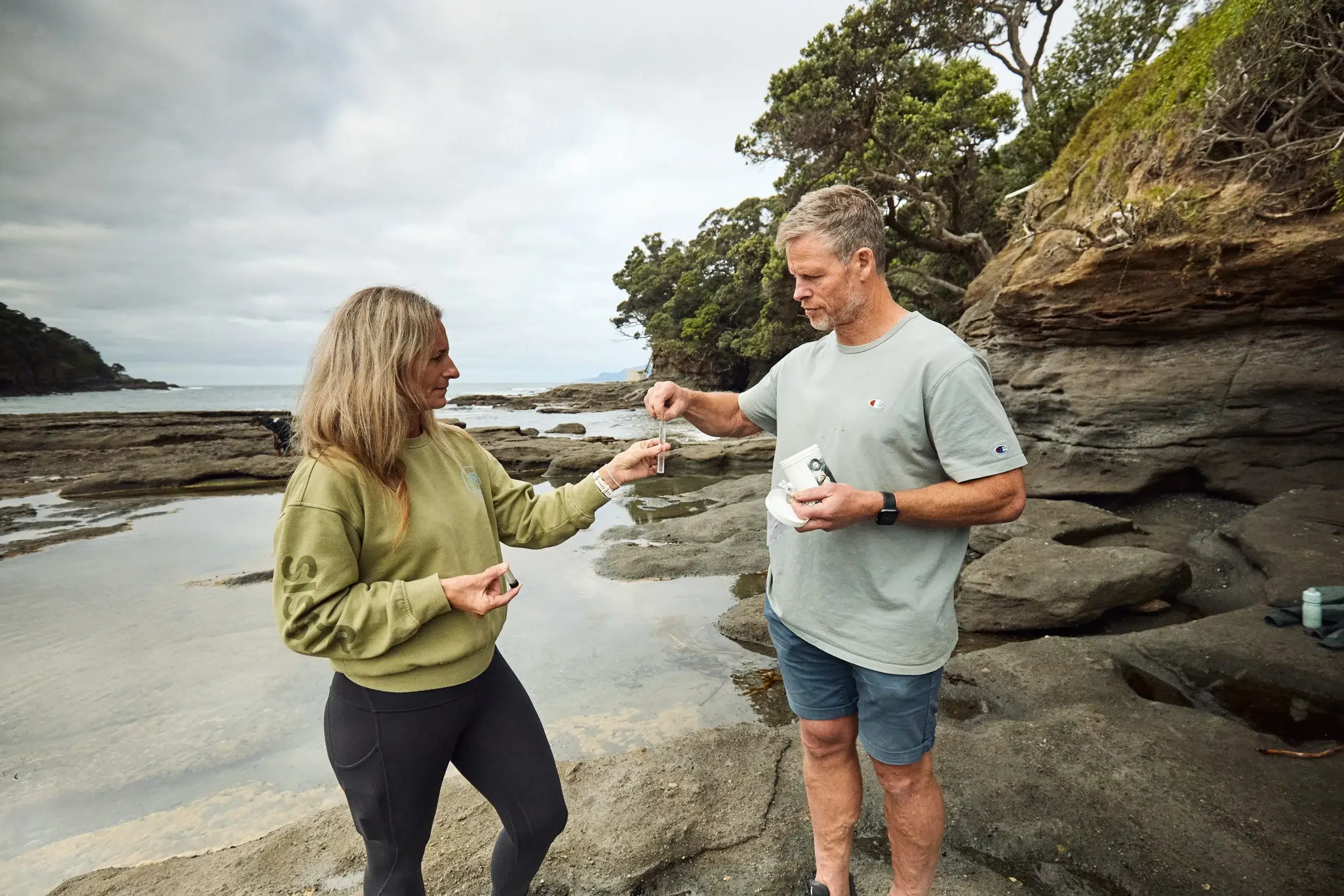
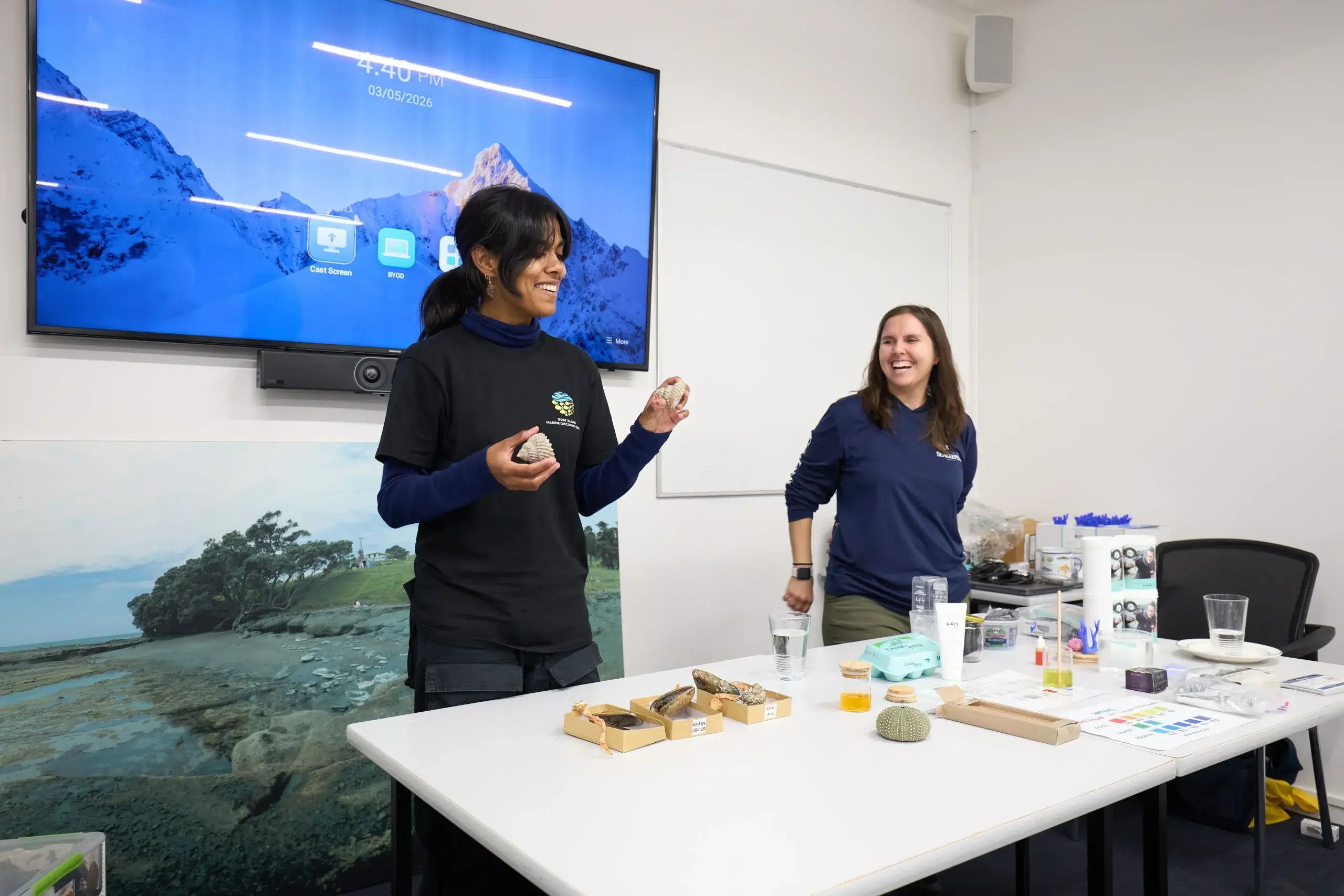
The workshop also focused on the environmental challenges facing our oceans today. Teachers participated in engaging, hands-on activities they could later use with their own students, including experiments on plastic pollution, ocean acidification, coral bleaching, and water quality testing. Participants were even able to take water testing kits and resources back to their schools to continue exploring these topics in the classroom.
Over four inspiring days filled with learning, exploration, and meaningful discussions, teachers not only gained valuable scientific knowledge and practical teaching tools, but also shared their own experiences and perspectives. The workshop was a wonderful reminder of the importance of collaboration, environmental stewardship, and empowering educators to inspire the next generation of ocean advocates.
Partner Sites
Photo Gallery