

The Freedom of the Water
It’s a beautiful Florida day: cloudless sky, warm sun, the clear blue water of the state’s southeastern coastline calm and beckoning, hundreds of horsepower waiting under your right hand. Few things feel like an escape on the water. There are no roads, no traffic, just your own course and speed. It’s a recipe for bliss. But our escapes aren’t always free of consequence, and they can come at the expense of wildlife and the environment we’re out there to enjoy. Our behavior as boaters directly impacts the survival of endangered manta rays and one south Florida inlet sees this more than anywhere else.
Boater Behavior and Vessel Strikes on Manta Rays
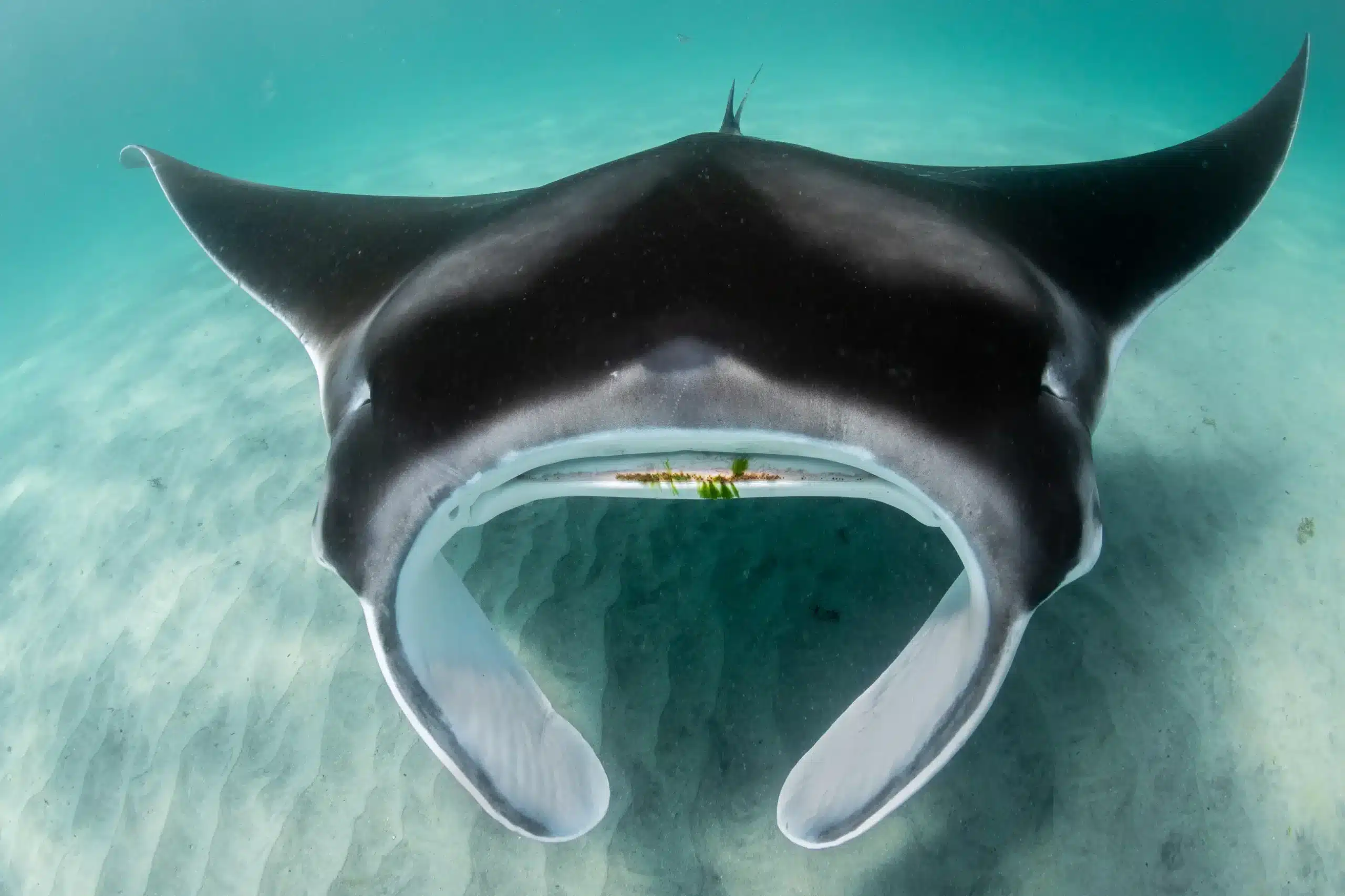
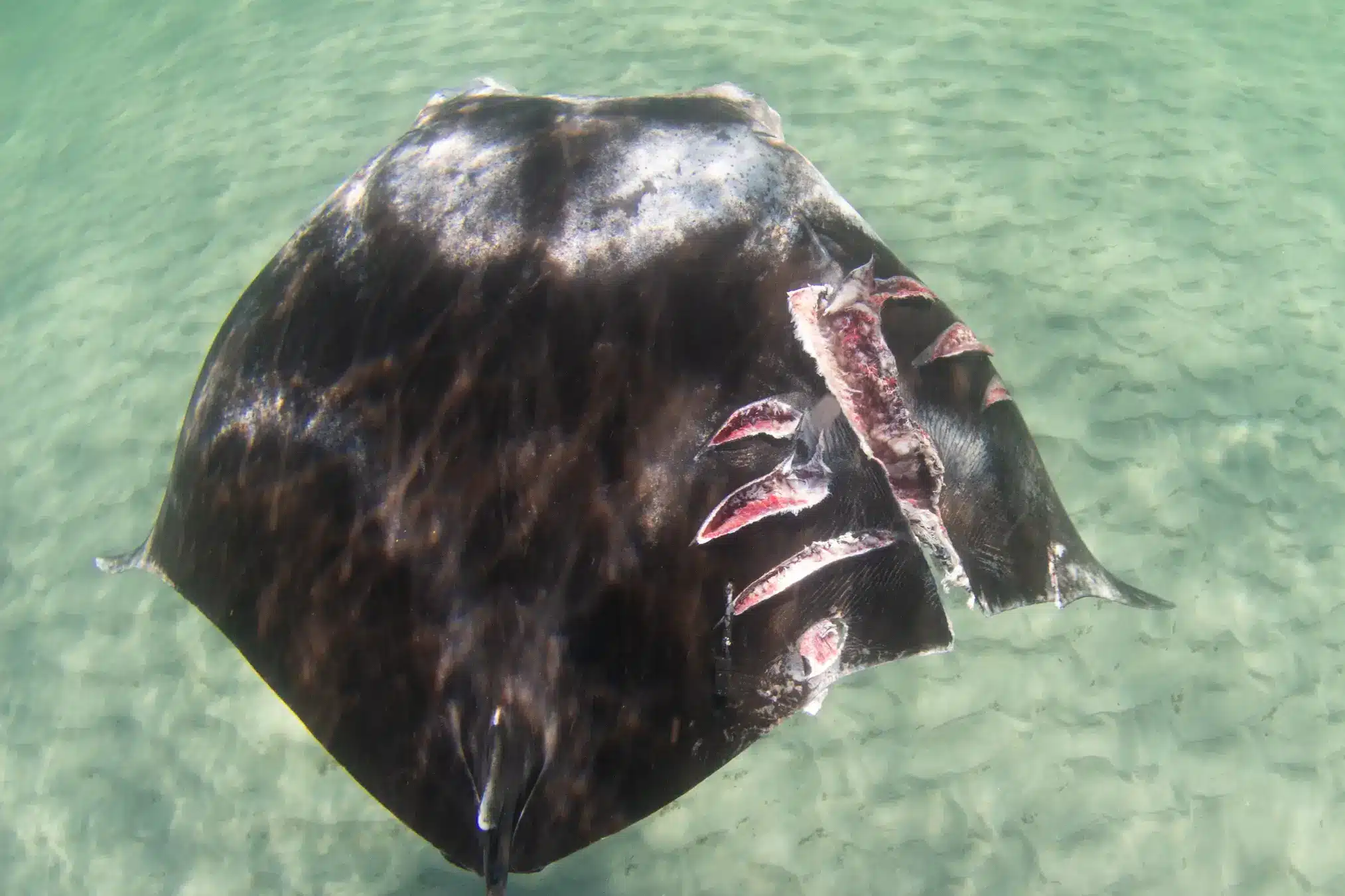
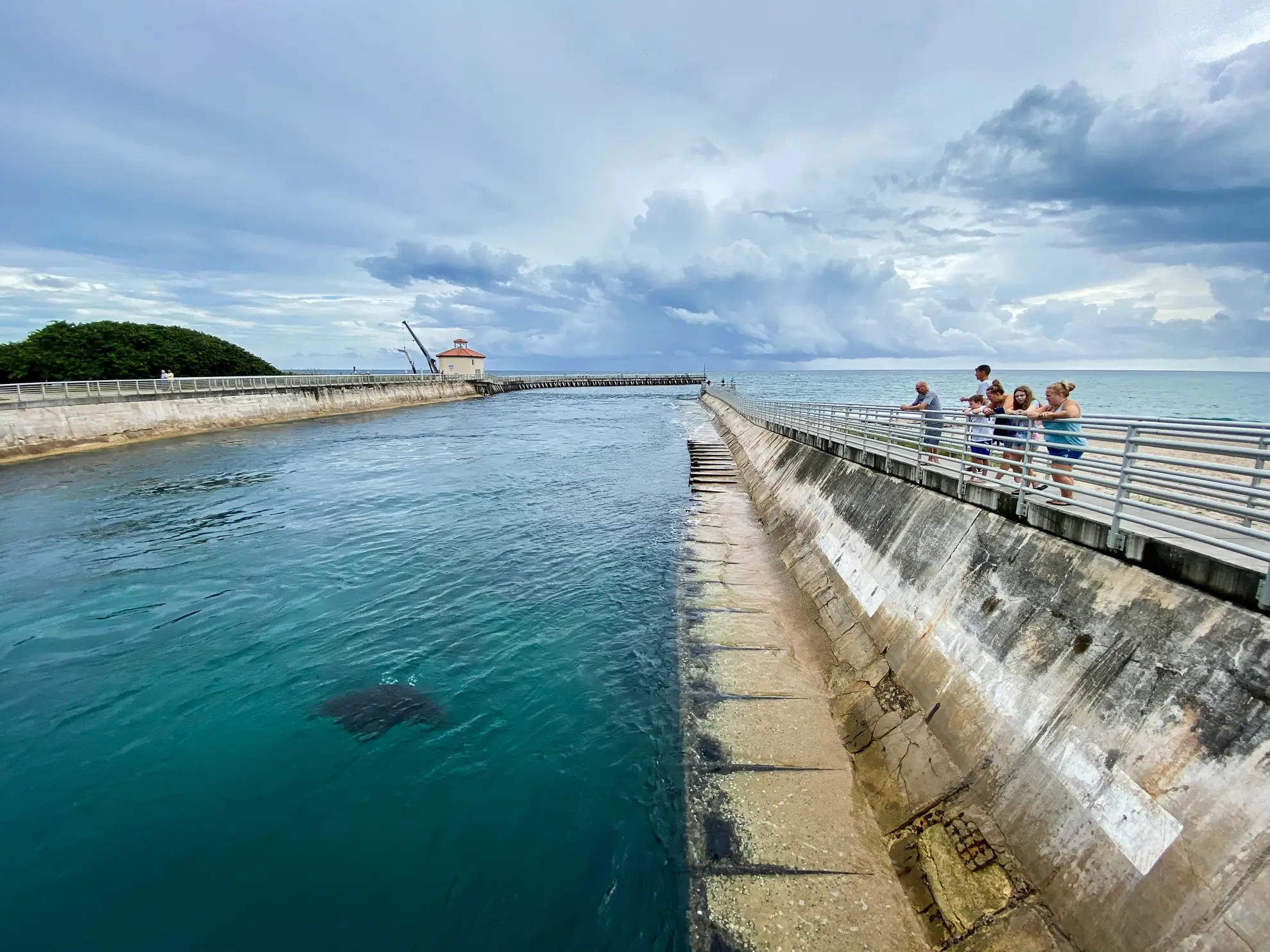
The Florida Manta Project (FMP – part of the Marine Megafauna Foundation) has studied Florida’s manta rays since 2016. It discovered that coastal south Florida is a nursery habitat for this large (mantas are born at six feet across), charismatic, intelligent, and long-lived species. Early on, it became clear these young rays face anthropogenic threats including fishing line entanglement and boat strikes. Nine percent of the juvenile manta rays in the FMP database show evidence of a boat strike wound; almost certainly an undercount, since rays heal quickly, scarring isn’t always visible, and a ray killed by a strike is negatively buoyant and sinks out of sight. This is a serious conservation concern because manta rays are slow to reproduce, so even a few losses a year can drive a population decline. The good news is that small behavioral changes in restricted areas can make a big difference. Fully, 100% of manta rays with recent vessel strike injuries documented by the FMP were seen within 2 miles of the Boynton Beach Inlet (BBI).
Boynton Beach Inlet: A Hotspot
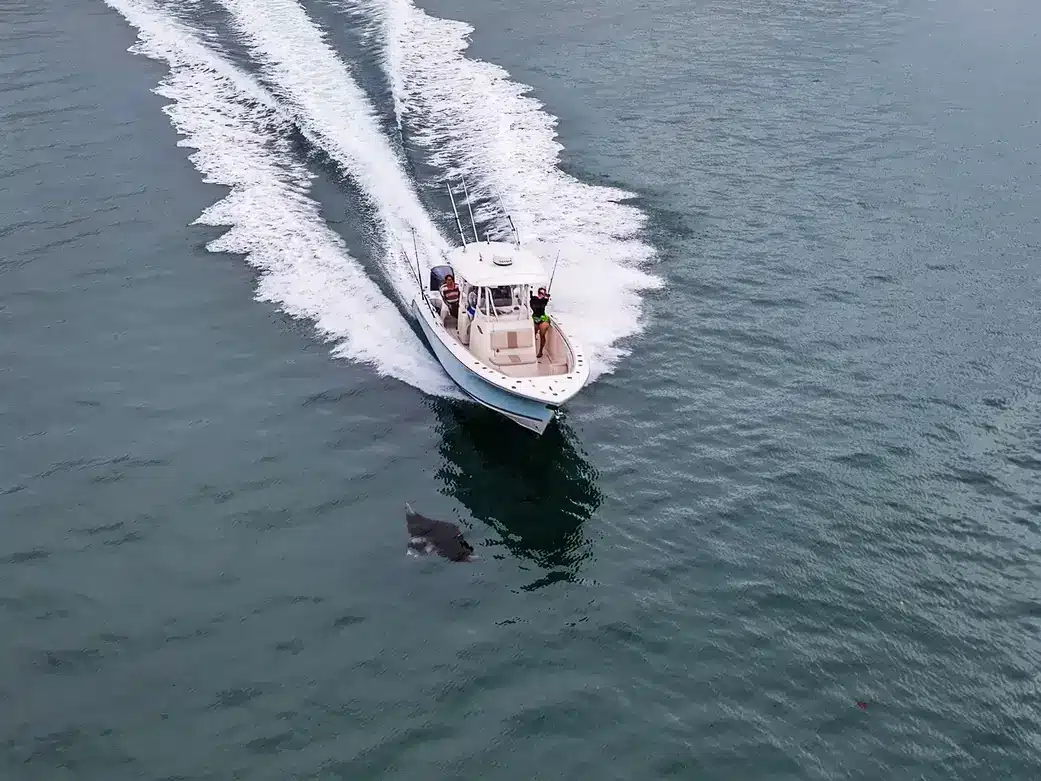
Ten years of FMP data show that the Boynton Beach Inlet is a hotspot for young manta rays, especially in late summer and fall. We’re still working out why, but likely candidates are the strong inlet currents and the areas value as a feeding ground. At times, ten or more mantas can be found feeding in the outgoing tide. Because this habitat is so concentrated, a small shift in boater behavior, towards enhanced vigilance and slower speed when operating in this inlet and the surrounding area could have an outsized conservation impact. The Boynton area, however, isn’t the only place mantas are at risk from vessel traffic.
It’s Not Just Boynton
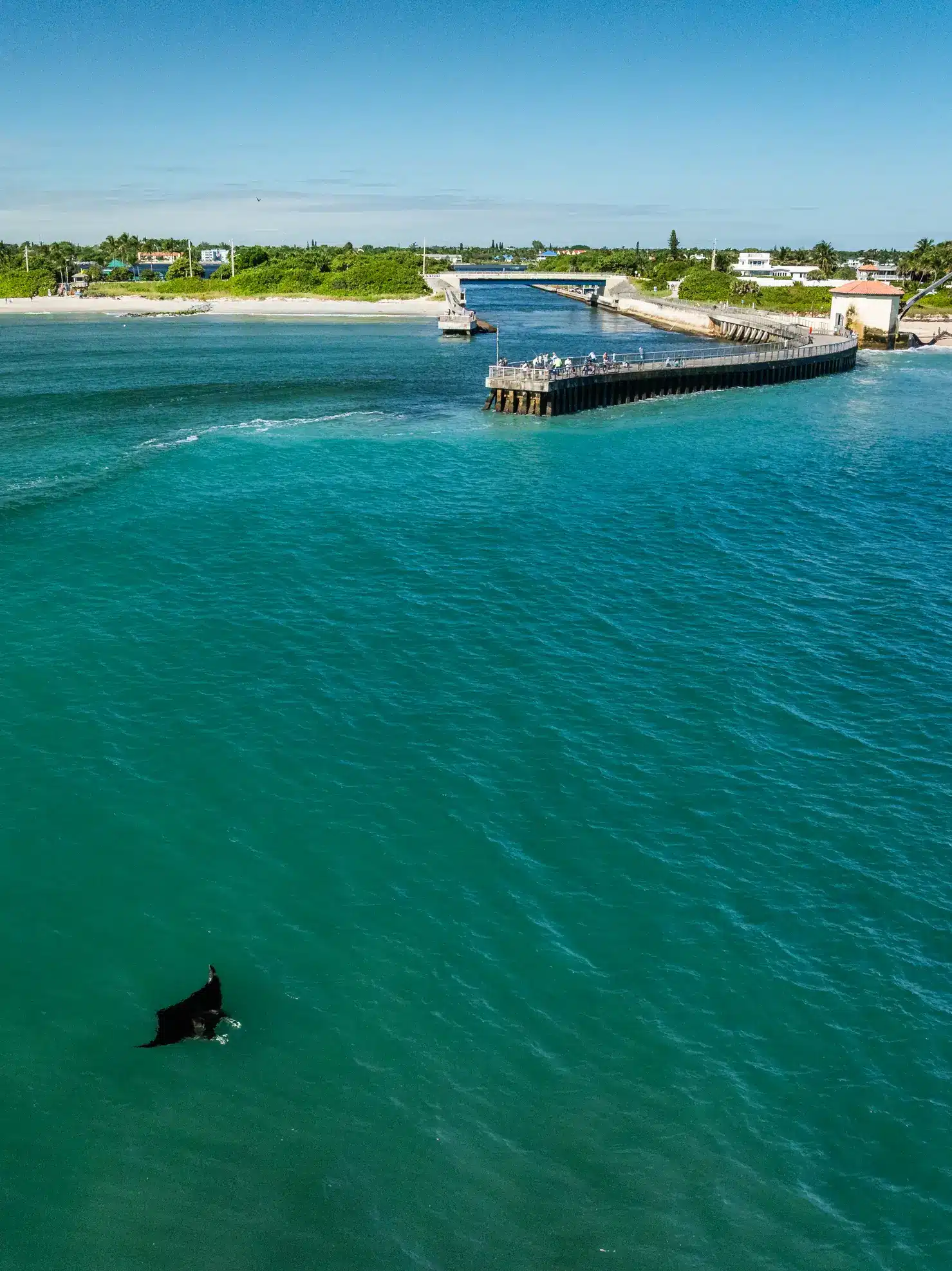
The FMP team tracks manta movements statewide and maintains a citizen-science sighting database. While Boynton Beach Inlet is a hot spot, mantas travel all along Florida’s east coast from Miami and the Keys to Daytona Beach and beyond. They also enter other inlets like Government Cut, Haulover, Boca, and Jupiter. Therefore, it is important that boaters always keep a good lookout and consider a well positioned dedicated spotter when appropriate. It is also important that vessel operators slow down when in high risk areas like shallow nearshore waters and ocean inlets. I do hear the argument that higher speeds make boats easier to control in the strong currents within our ocean inlets, but I would counter that we should always maintain a safe speed. This means using adequate (but, not excessive) power to safely navigate just as much as it means restricting speed.
Slow Down for More than Manatees
Manatees have long been the face of vessel-strike conservation, but they’re far from the only species at risk. The FMP team have documented boat strikes on dolphins, sea turtles, and even hammerhead sharks. Two fatal vessel strikes on snorkelers have also made recent news. As a native Floridian, a licensed captain, and a diver, I have witnessed and personally been scared by vessels passing too close for comfort (within the legally prescribed 300 ft radius), at unnecessary speed, and without adequate attention to their surrounds. Thus, we are calling on the boating community to make voluntary behavioral shifts towards enhanced vigilance and safety speeds. If you already abide by these practices, I would ask that you help ensure that your network of friends and colleagues also does so. This will protect not only manta rays, but also divers, manatees, and other vulnerable wildlife.
“Building a Culture of Respect”
Florida’s coastal waters are an extraordinary resource, and more people enjoy them every year, which means more responsibility falls on each of us. It can feel fun to run fast through narrow inlets and shallow coastal waters, but the risks multiply with every additional boat doing the same. That’s why the Florida Manta Project and SeaKeepers are asking you to sign the Manta Ray Pledge. It is a commitment to keep a good lookout and slow down in coastal waters and inlets where wildlife is present, especially the Boynton Beach Inlet and surrounding area. These small changes, when multiplied across thousands of boaters, will add up to real protection. You are also more likely to spot and enjoy wildlife when following these practices. If you’re lucky enough to encounter a manta ray, enjoy it respectfully from a safe distance, and then report your sighting (time, location, and a photo if you can) to the Florida Manta Project at Florida@MarineMegafauna.org.
Written by: Bryant Turffs