
- SeaKeepers' Vessel DISCOVERY II
Supporting Shark Camera Tag Research
- Six Rapid-Response Expeditions (Summer, 2026)
- Miami, Florida
Project Overview
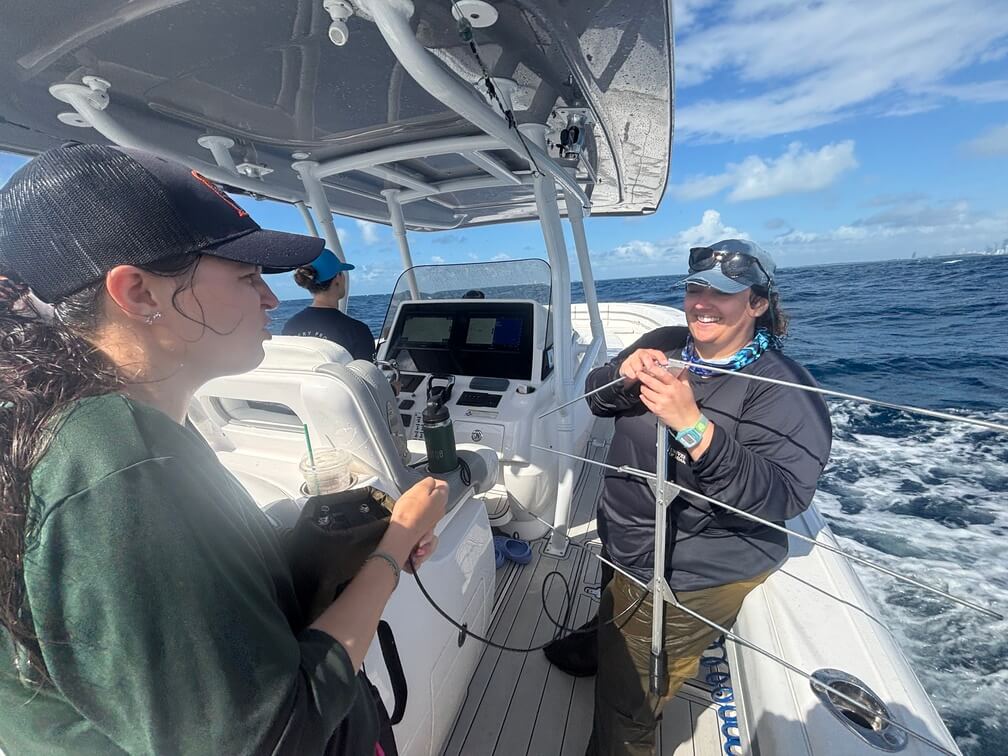
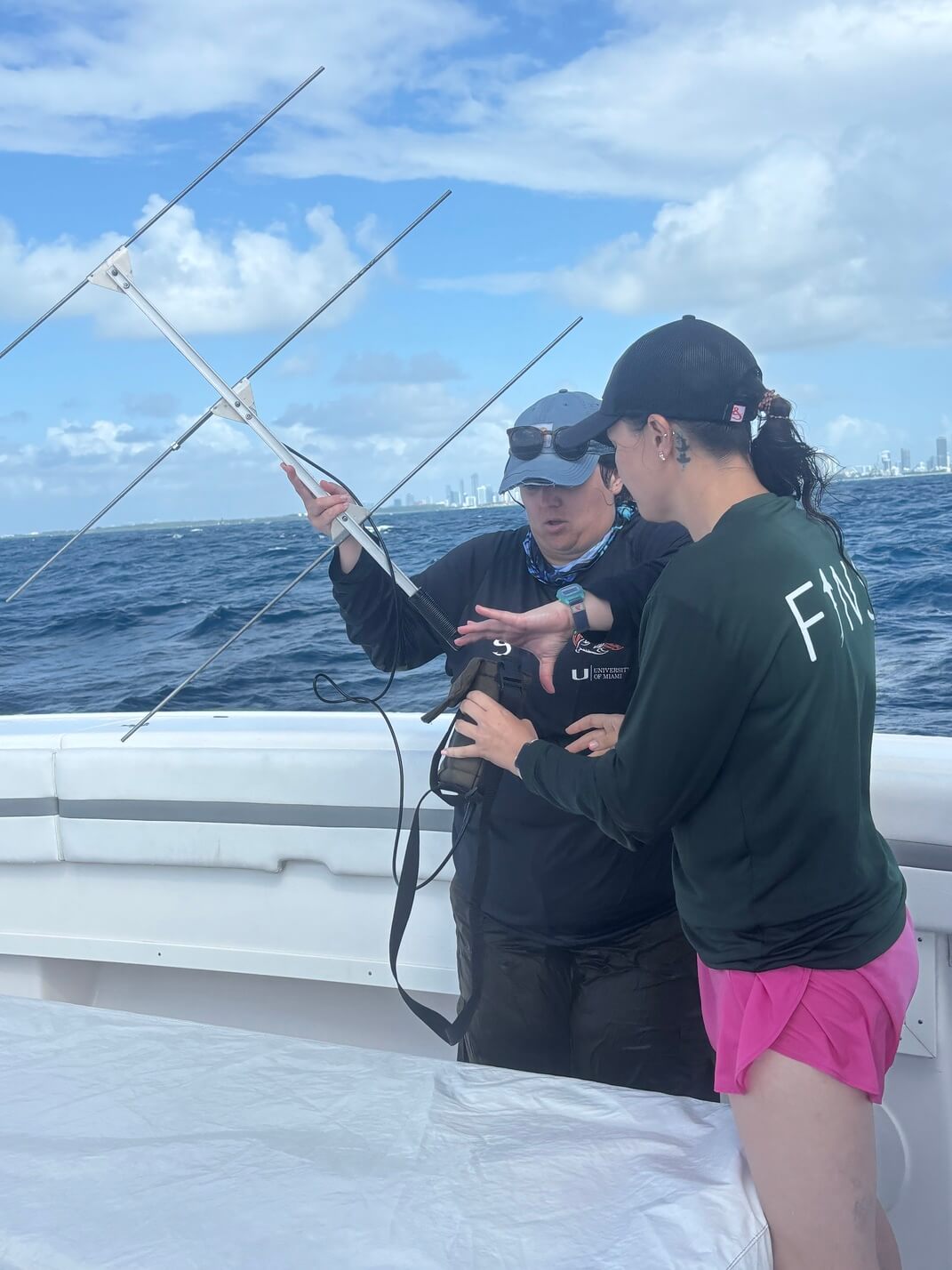
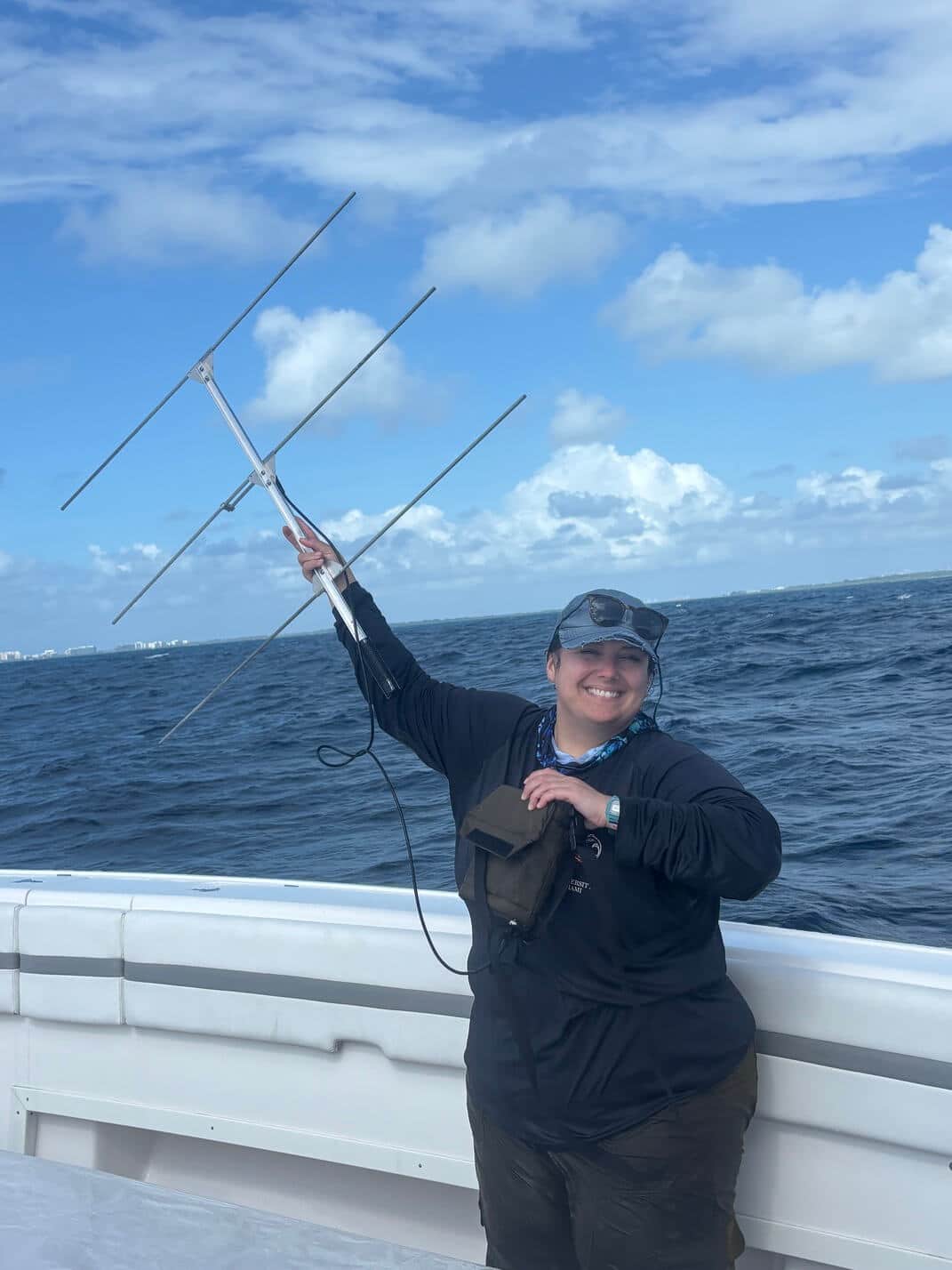
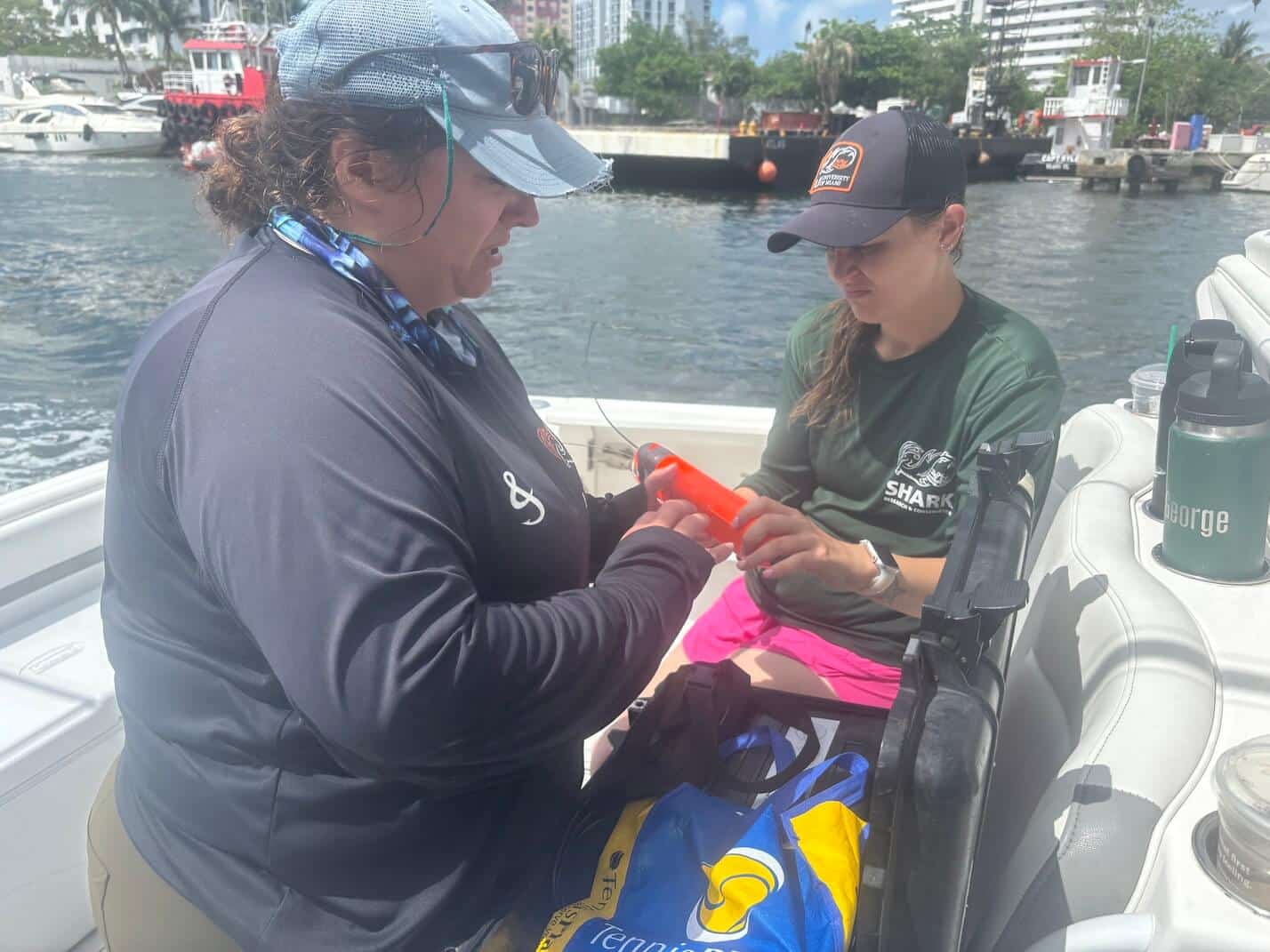
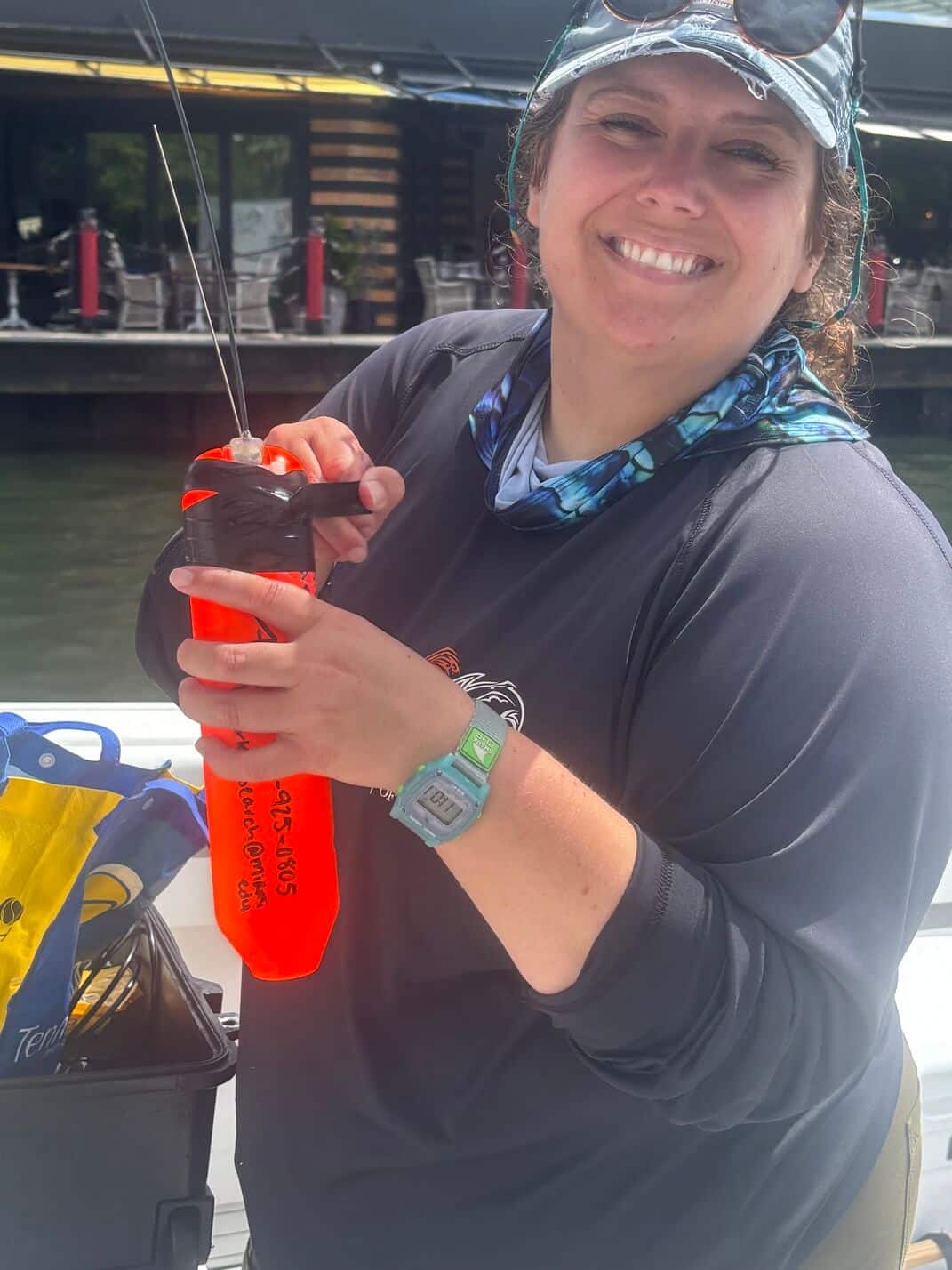
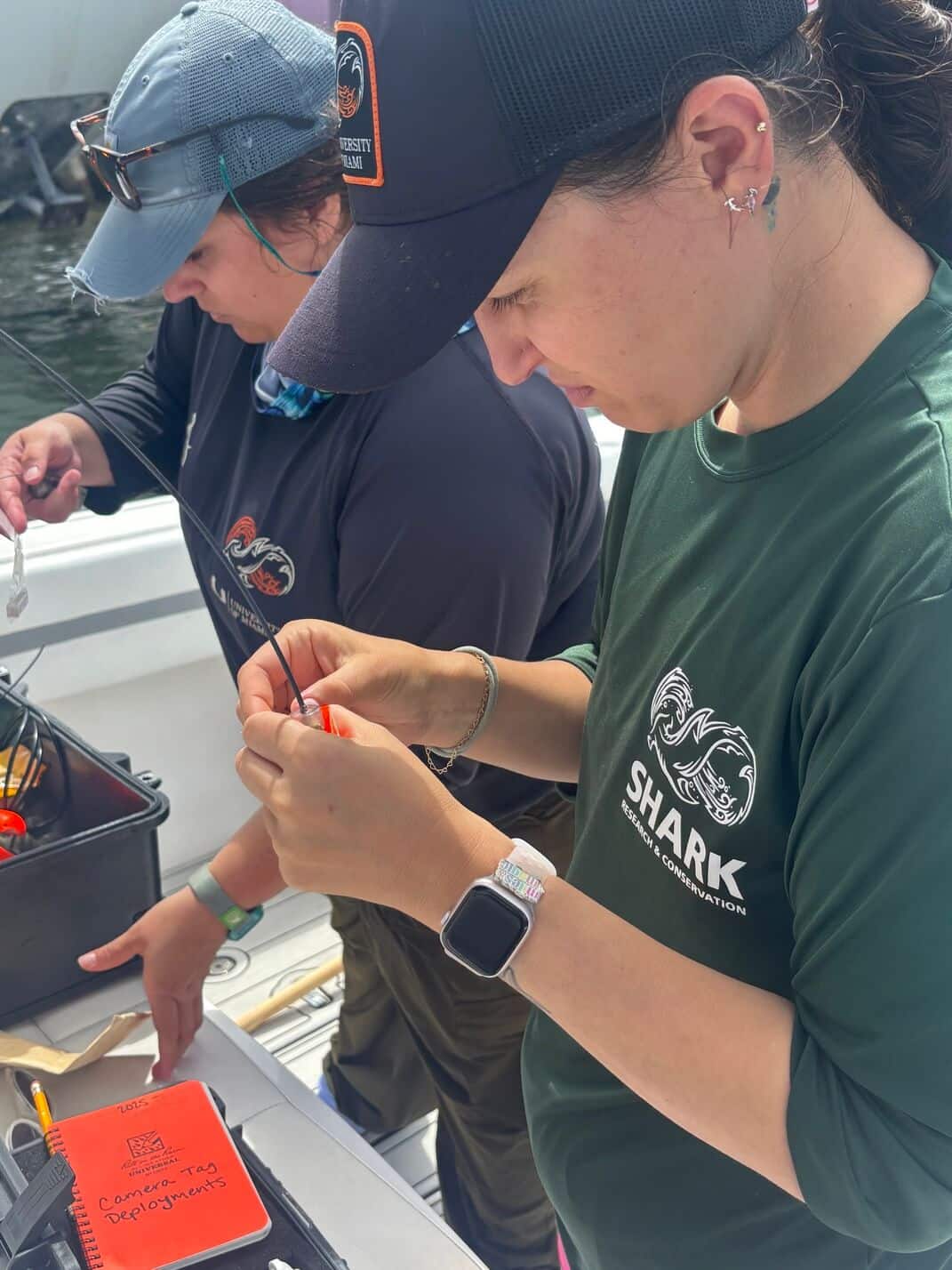
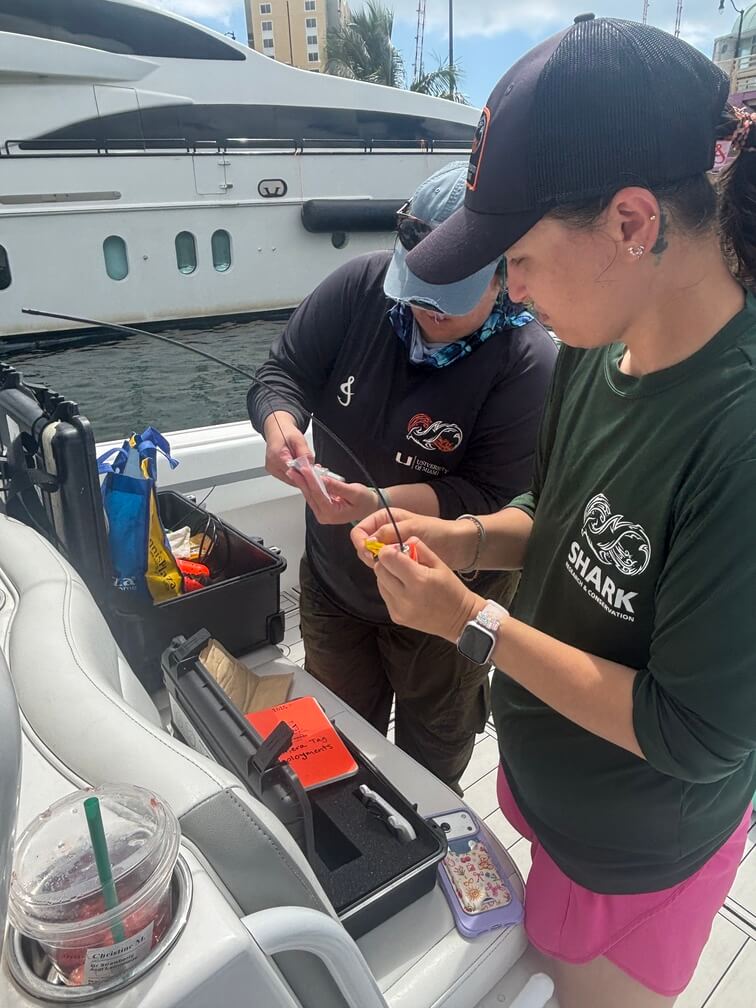
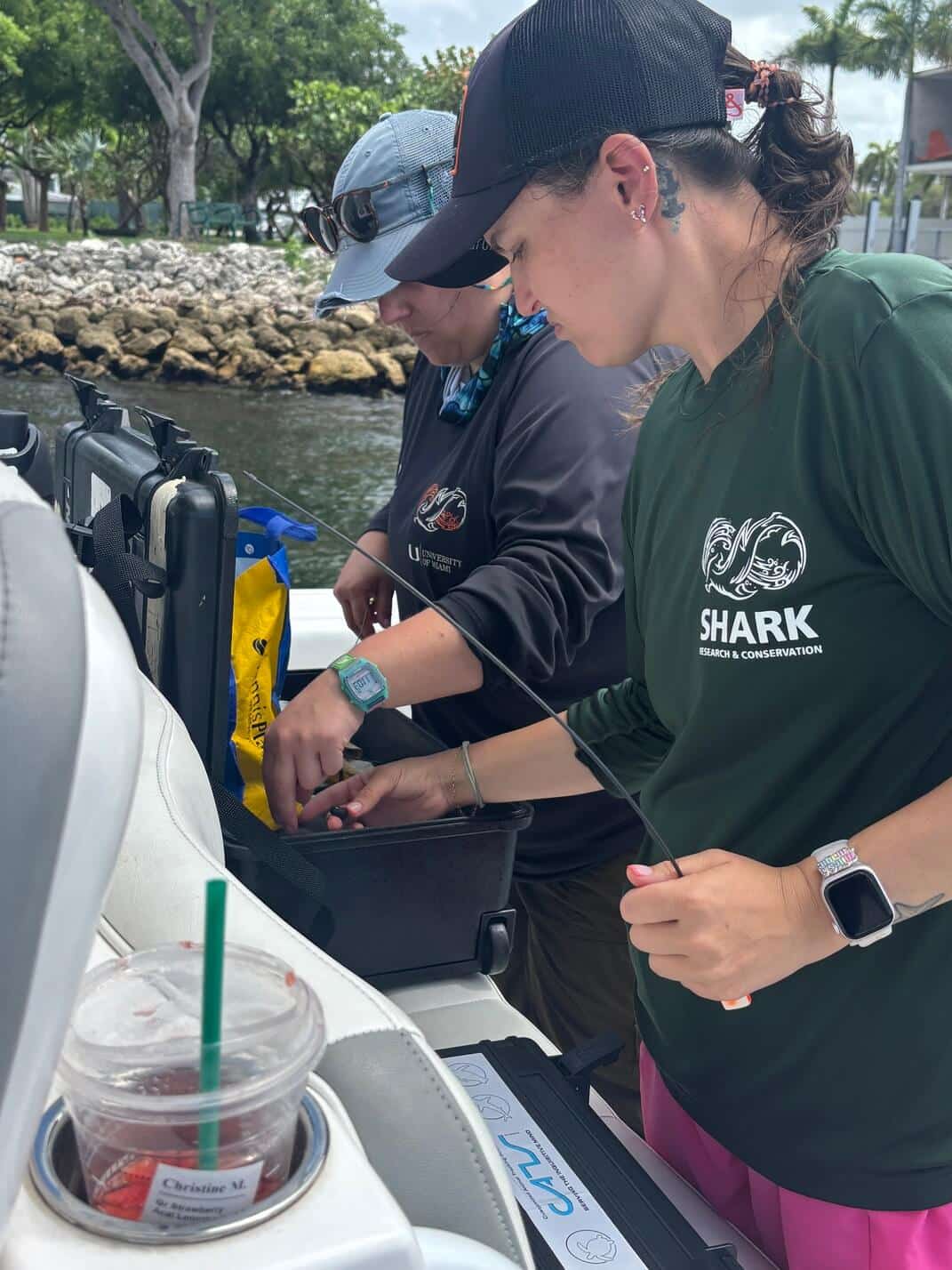
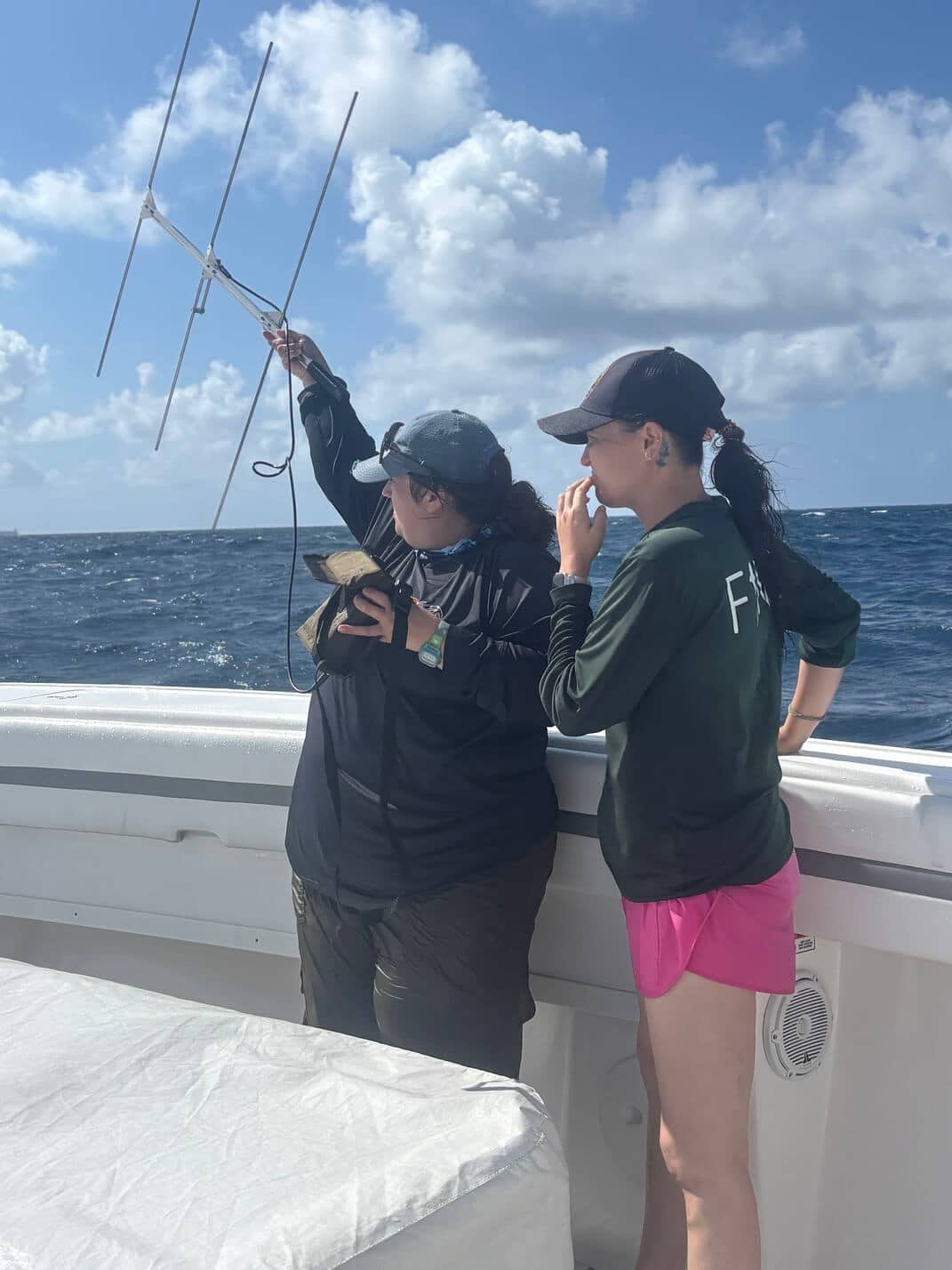
The University of Miami Shark Research & Conservation Program is using animal-borne camera tags to better understand the fine-scale behavior and habitat use of sharks in Biscayne Bay and South Florida waters. Camera tags are temporarily attached to sharks using a non-invasive clamp and programmed to release after a predetermined period of data collection. Once detached, the tags float to the surface and are located using a combination of satellite and radio telemetry before they can be recovered.
Video collected by these tags provides researchers with a unique perspective on shark behavior, including habitat use, social interactions, foraging ecology, and interactions with human activities. The research focuses on several ecologically important shark species, including lemon, bull, tiger, and great hammerhead sharks, with the goal of improving understanding of how they utilize the highly urbanized marine habitats of Biscayne Bay.
Application
Recovering the camera tags is essential to obtaining the recorded video data and allowing the tags to be refurbished and redeployed on future sharks. The footage collected through this research provides valuable insight into shark behavior and habitat use that cannot be obtained through traditional tracking methods alone. Findings will help improve understanding of how sharks interact with South Florida’s coastal environments and may contribute to future conservation planning, habitat management, and public education efforts.
Expedition Summary
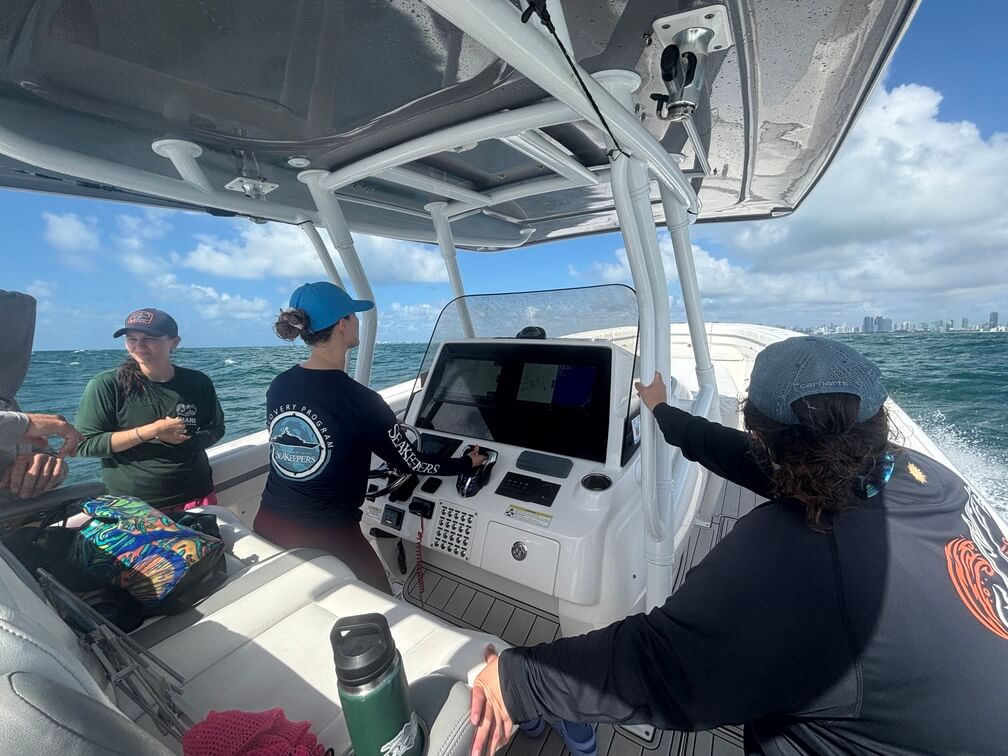
Between May and August 2026, The International SeaKeepers Society supported researchers from the University of Miami’s Shark Research & Conservation Program aboard DISCOVERY II during multiple field expeditions throughout Biscayne Bay.
During the summer field season, SeaKeepers provided rapid-response vessel support to recover camera tags following their programmed release from tagged sharks. Using satellite and radio telemetry, researchers successfully located and retrieved multiple camera tags, allowing the valuable behavioral footage to be downloaded and the tag packages prepared for future deployments.
SeaKeepers also supported an additional expedition to recover research equipment after a drum line became entangled beneath a reef. Researchers safely removed the equipment while taking advantage of the opportunity to document reef conditions.
These expeditions contributed to the ongoing study of shark behavior, habitat use, and ecology within Biscayne Bay while ensuring the continued use of specialized camera tag technology in future research.
Location
South Florida
Duration of Project
This is an ongoing research project, with camera tag deployments and retrievals expected to continue through 2027. SeaKeepers will provide vessel support for rapid-response tag retrievals as needed throughout the study.
Leadership
Research Team
- Julia Saltzman
- Elizabeth Yera
- Christine Martin
- Alexandra Morgan
- Nicholas Connor Perni
- Emma DeLillo
- Wendy Miyazaki
- Captain Aubri Keith
- Jack Rucker
Partner Sites

Photo Gallery