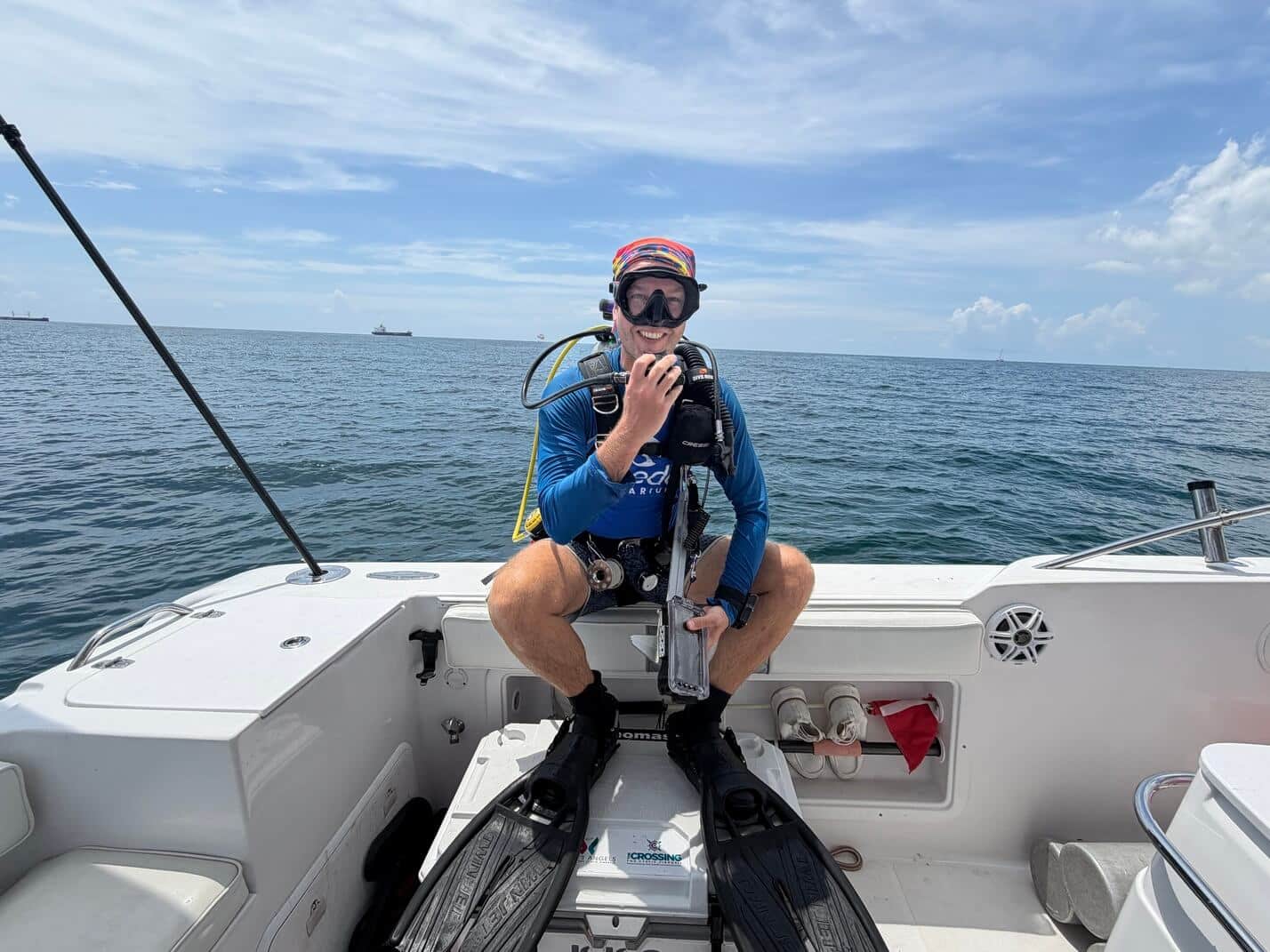

- DISCOVERY Vessel Surface Interval
Monitoring Reefs Near the Port Everglades Sand Bypass
- July 5, 2026
- Fort Lauderdale, Florida
Project Overview
The Port Everglades Sand Bypass Project seeks to create a sand trap system to support beach renourishment efforts along Fort Lauderdale’s shoreline by dredging a 10.8-acre basin for sand collection and redistribution. While environmental protection measures have been incorporated into the project design, researchers continue to monitor nearby reef habitats to better understand the potential effects of dredging-related sedimentation and other environmental changes.
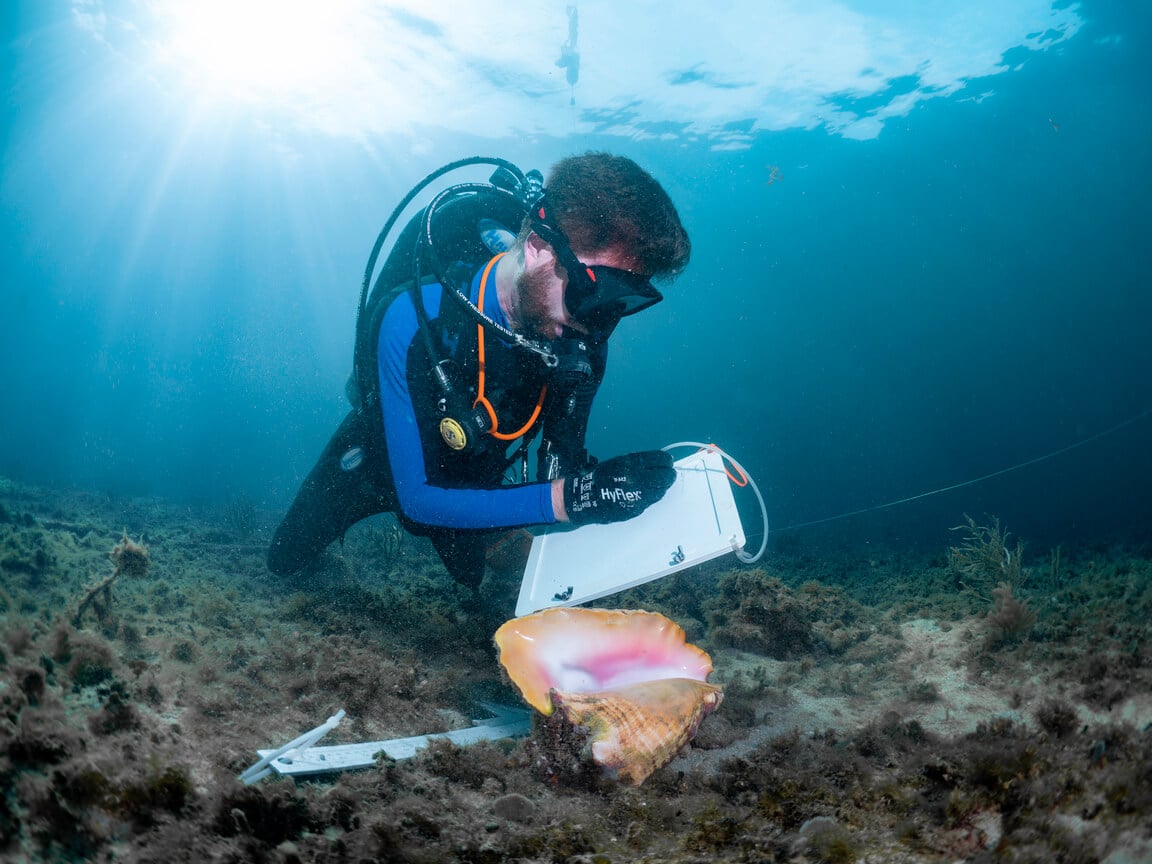
This project supports ongoing ecological monitoring of coral reef communities and other ecologically important species adjacent to the dredging operations. Researchers are assessing coral health, evaluating potential coral relocation sites, and monitoring queen conch populations to better understand how sand bypass activities may influence these sensitive nearshore ecosystems.
Application
Data collected through these surveys will help researchers and project stakeholders better understand the environmental footprint of the Port Everglades Sand Bypass Project and its potential impacts on nearby coral reef ecosystems. Continued monitoring of coral communities, sediment conditions, and queen conch populations will help inform adaptive management strategies intended to minimize impacts to sensitive marine habitats during dredging operations.
The project also contributes valuable long-term ecological monitoring data for Southeast Florida’s nearshore reefs and protected marine species. Findings from this work may support future environmental assessments, restoration planning, and management decisions related to coastal infrastructure and dredging activities.
Expedition Summary
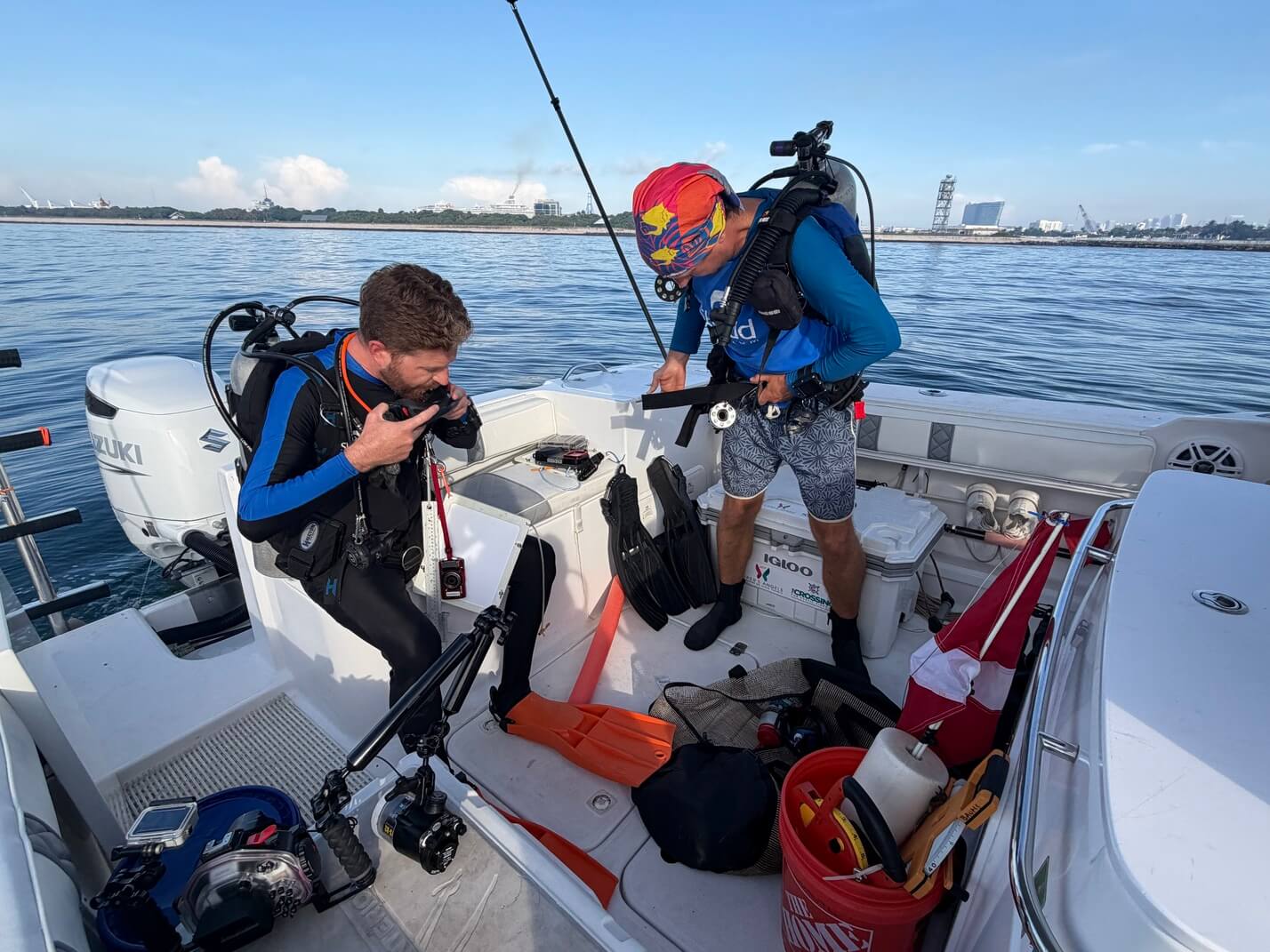
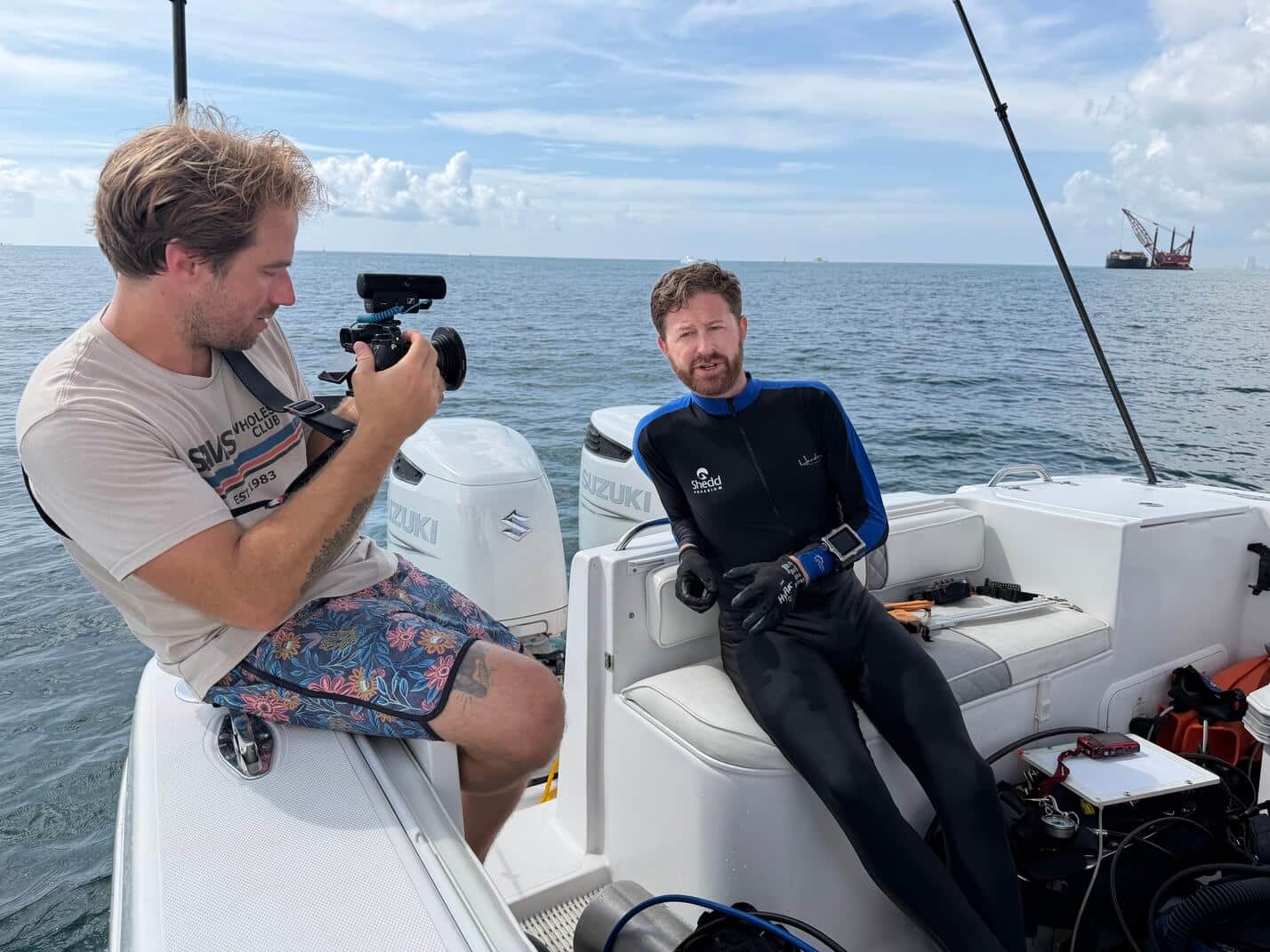
On July 5, 2026, The International SeaKeepers Society supported researchers from Shedd Aquarium aboard DISCOVERY Vessel Surface Interval to conduct ecological monitoring surveys associated with the Port Everglades Sand Bypass Project off Fort Lauderdale, Florida.
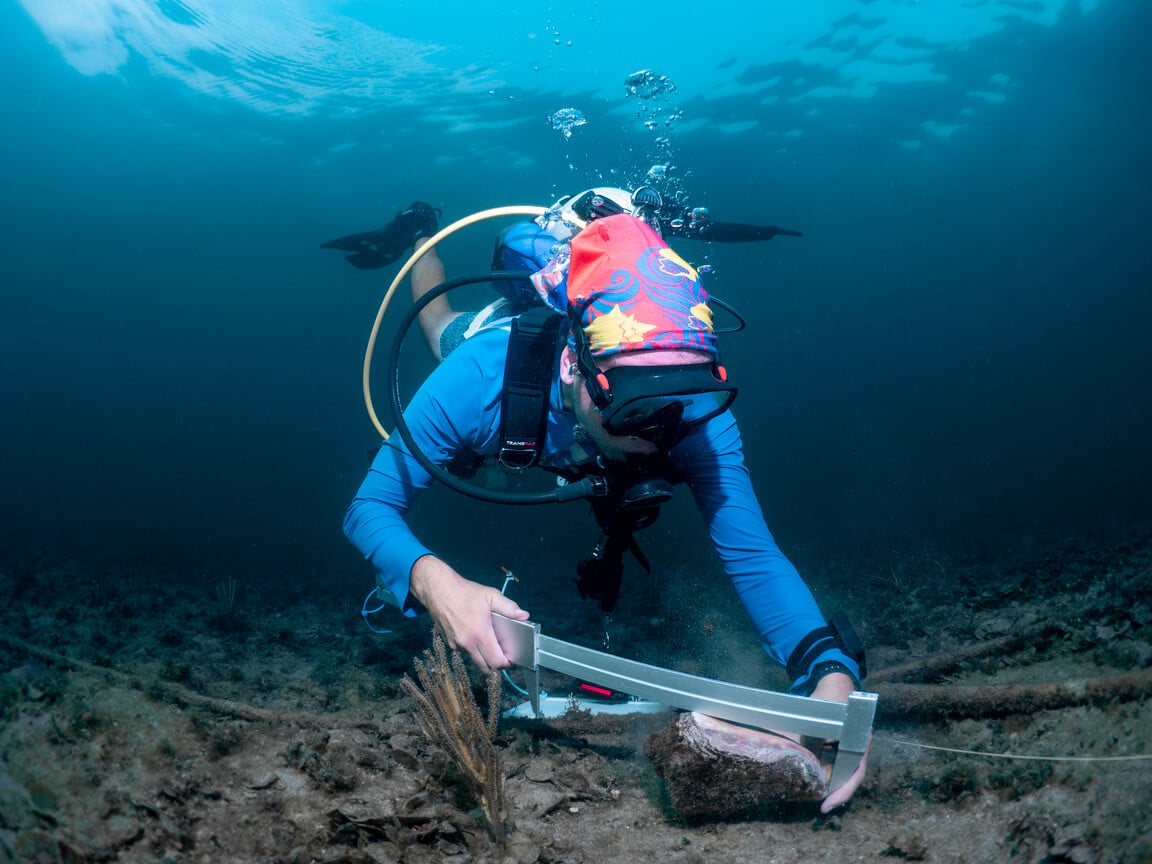
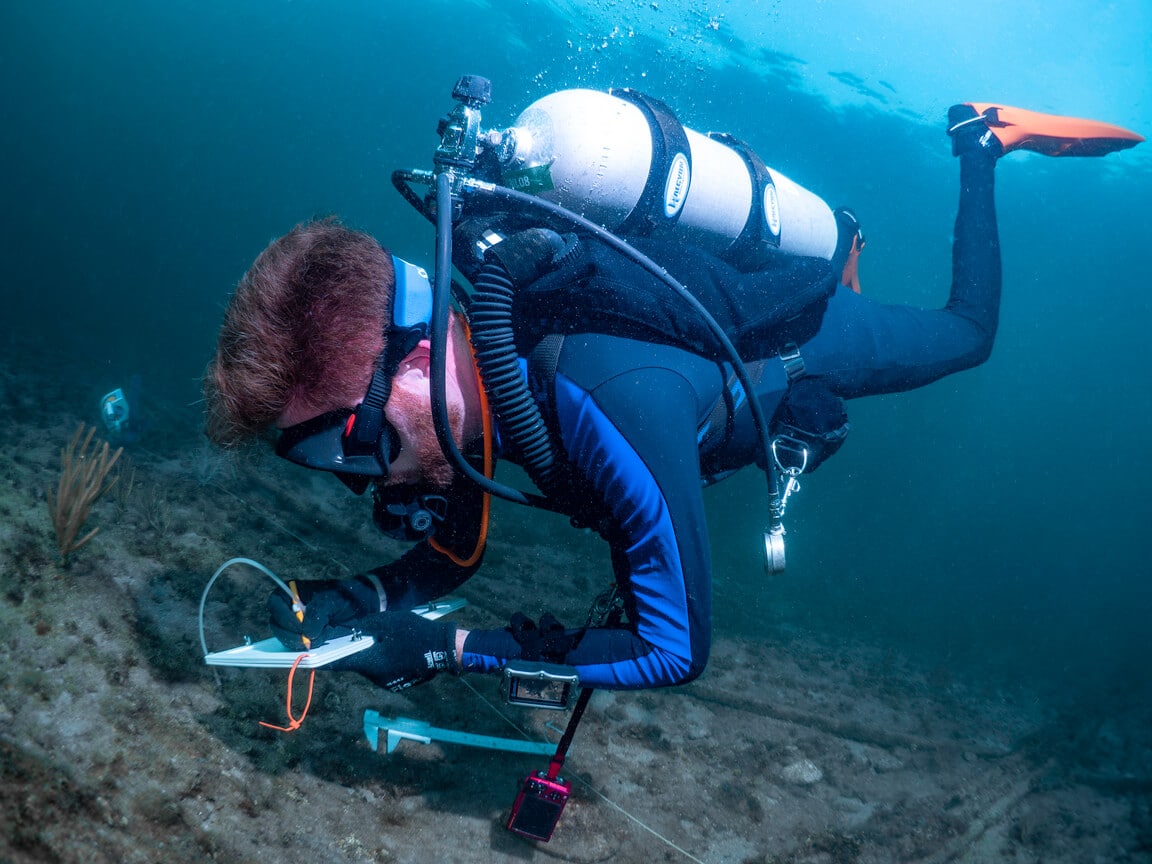
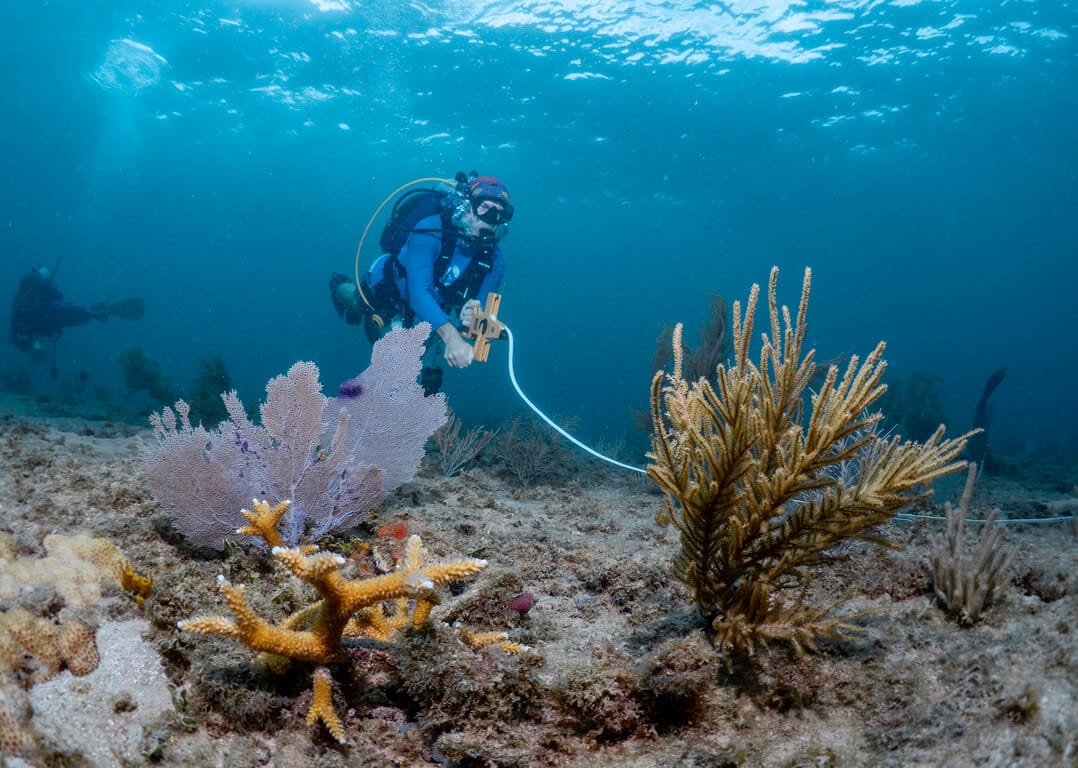
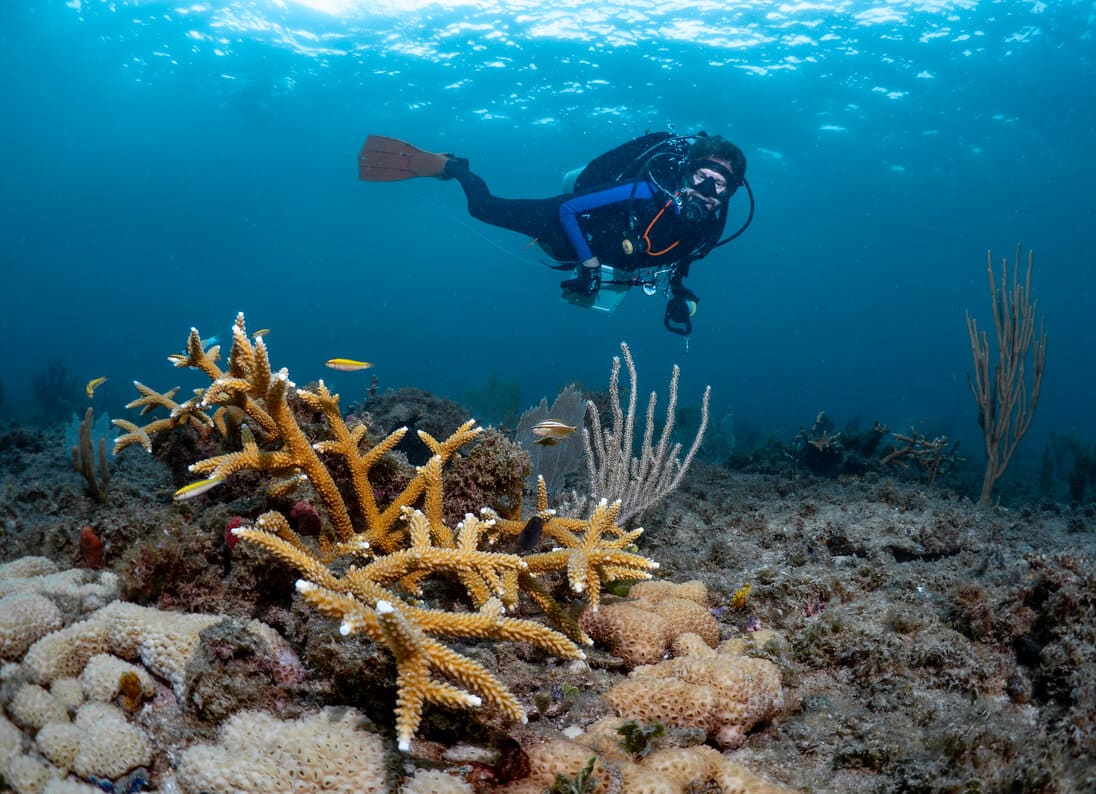
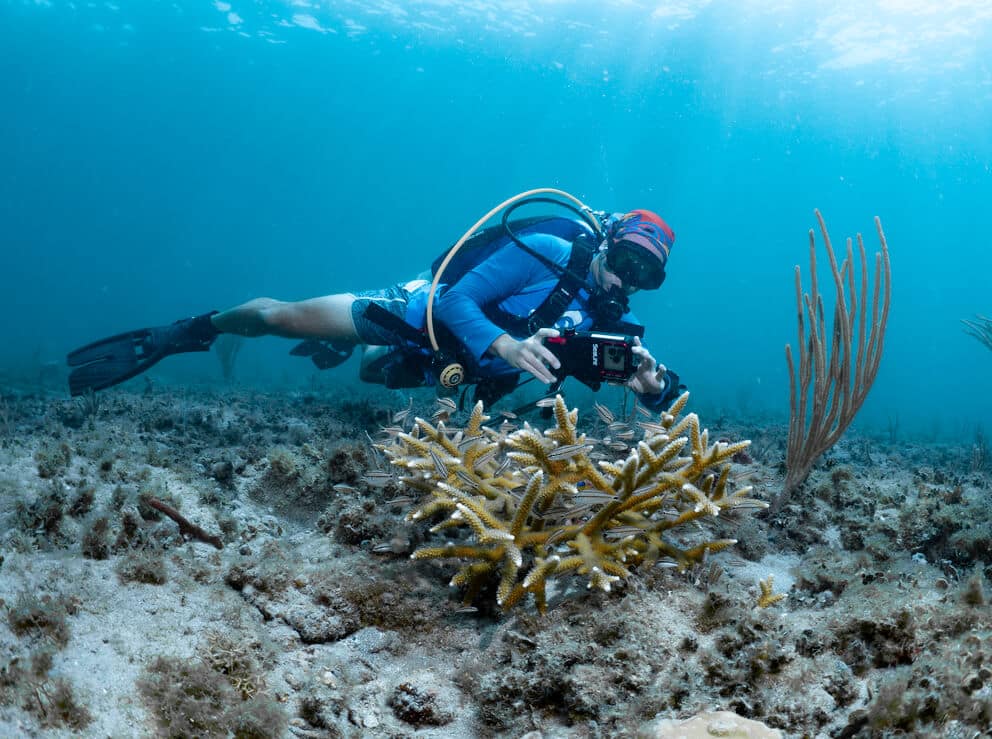
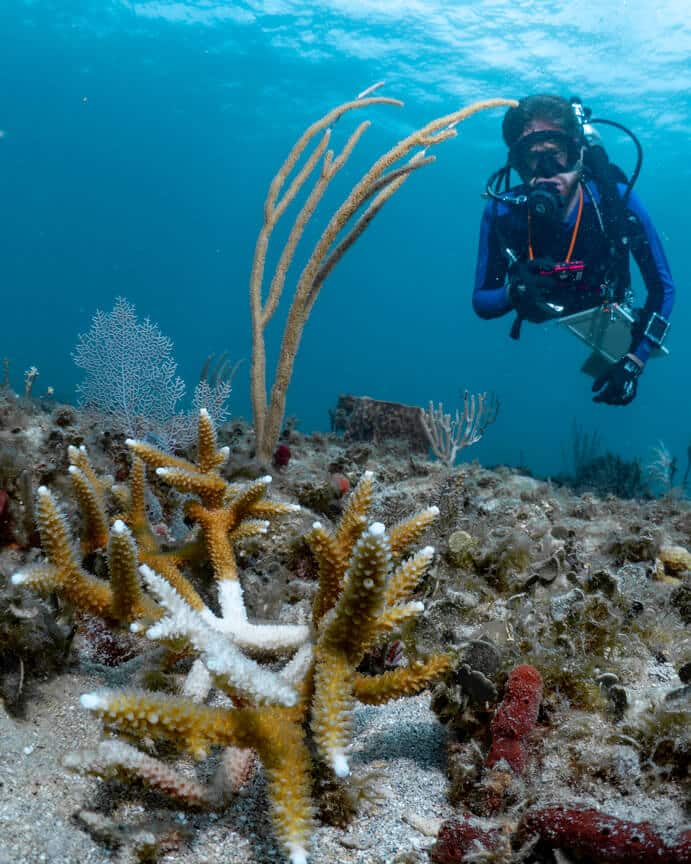
During the expedition, researchers surveyed two queen conch monitoring sites and four coral reef sites adjacent to the dredging operations, with surveys focusing primarily on Acropora cervicornis (staghorn coral) colonies. At the queen conch monitoring sites, the team documented one adult queen conch laying eggs, providing encouraging evidence of ongoing reproductive activity within the study area.
With dredging operations temporarily paused, researchers also had the opportunity to conduct a dive within the dredge pit to assess conditions and determine whether any queen conchs had become displaced into the excavation area. No queen conchs were observed within or immediately adjacent to the pit, suggesting dredging activities had not resulted in detectable displacement at the time of the survey.
Location
Port Everglades, Florida
Duration of Project
This expedition represents the second SeaKeepers-supported monitoring survey conducted following the commencement of the Port Everglades Sand Bypass Project in October 2025, contributing to ongoing assessments of reef health and protected marine species throughout the duration of dredging activities.
Research Team
- Andrew Kough, Ph.D., Shedd Aquarium
- Ross Cunning, Ph.D., Shedd Aquarium
- Michael Atwood, Videographer, Miami Waterkeeper
- Aubri Keith, Photographer, The International SeaKeepers Society
Partner Sites


Photo Gallery