
- DISCOVERY Vessel Seeker
The Calypso Project
- May 15 - June 29, 2026
- Key West, Florida
Project Overview
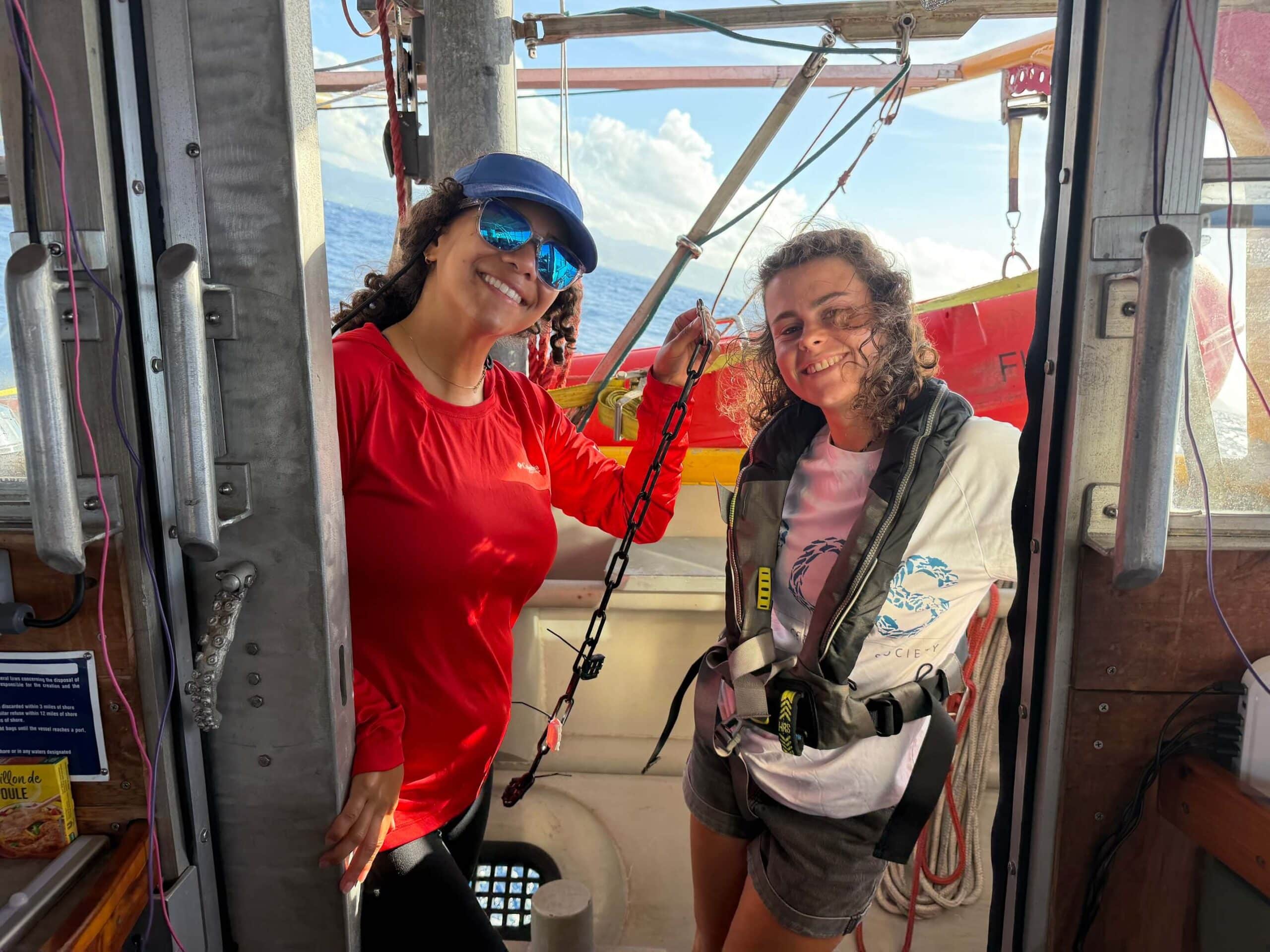
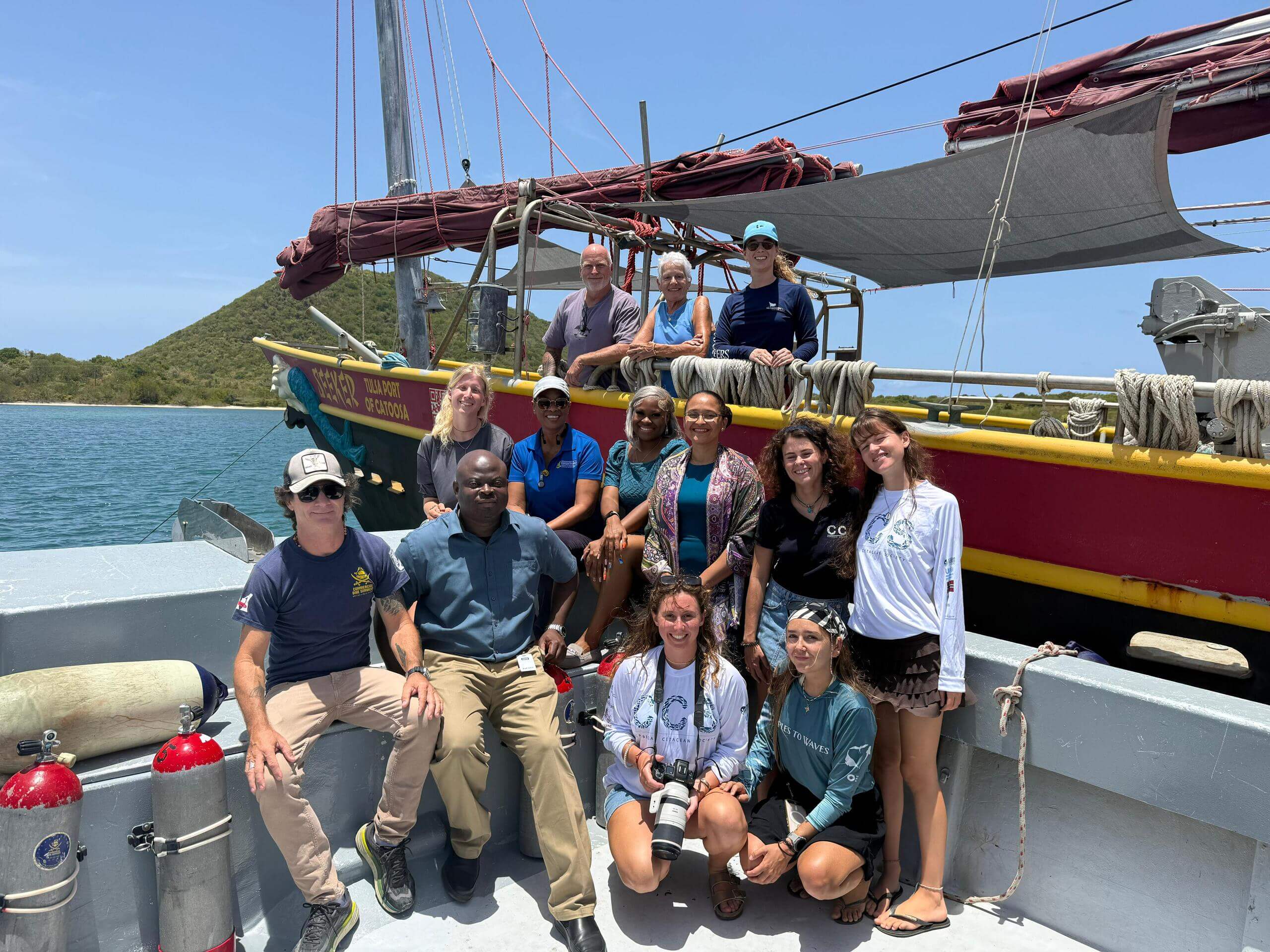
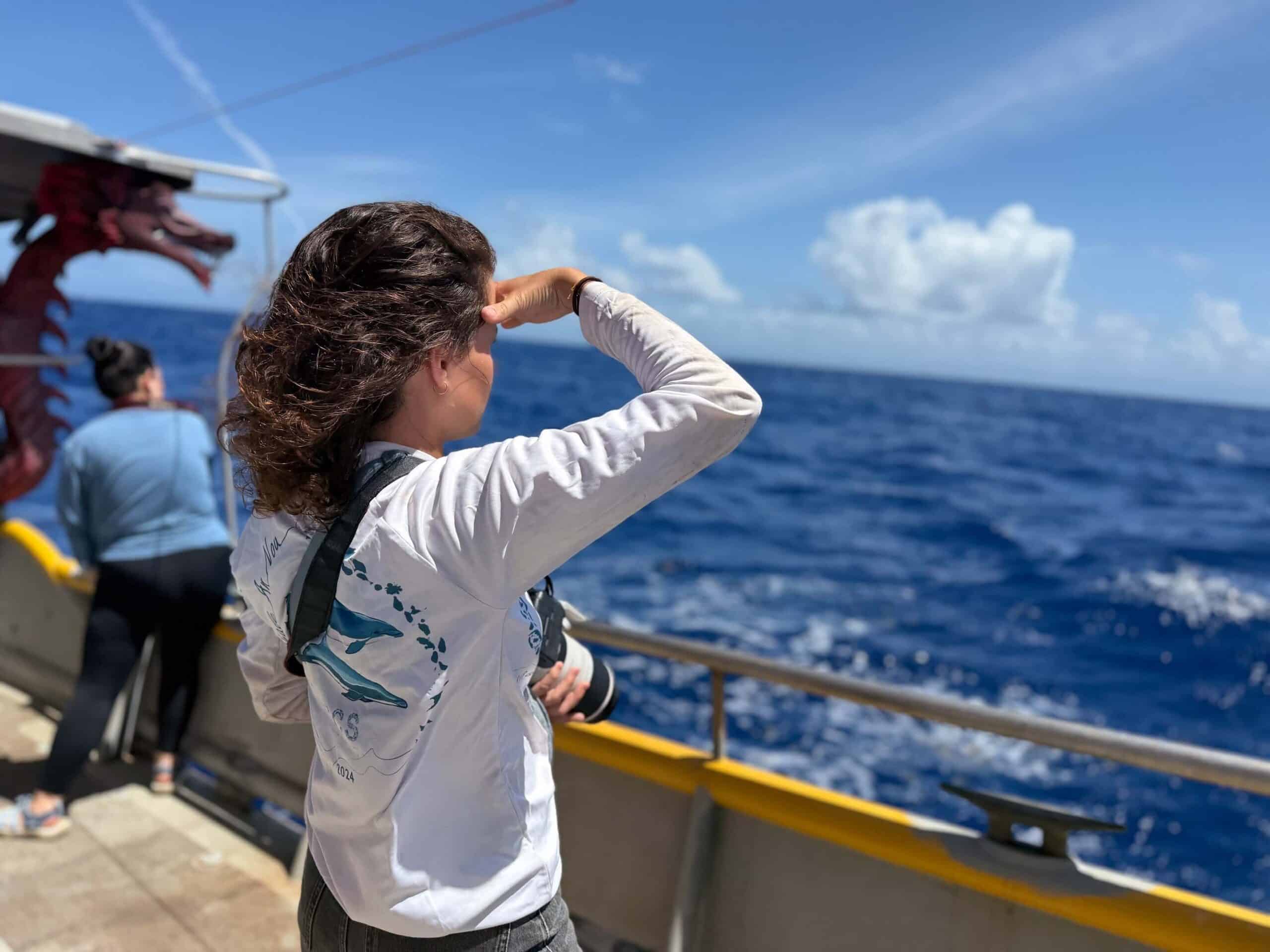
The Caribbean Cetacean Society’s (CCS) Calypso Project is a multidisciplinary marine research expedition designed to improve understanding and conservation of marine megafauna throughout the Caribbean. Supported by SeaKeepers DISCOVERY Vessel Seeker, the project combined offshore scientific surveys with education, outreach, and regional collaboration to better understand whales, dolphins, sharks, seabirds, and other marine wildlife across multiple island nations.
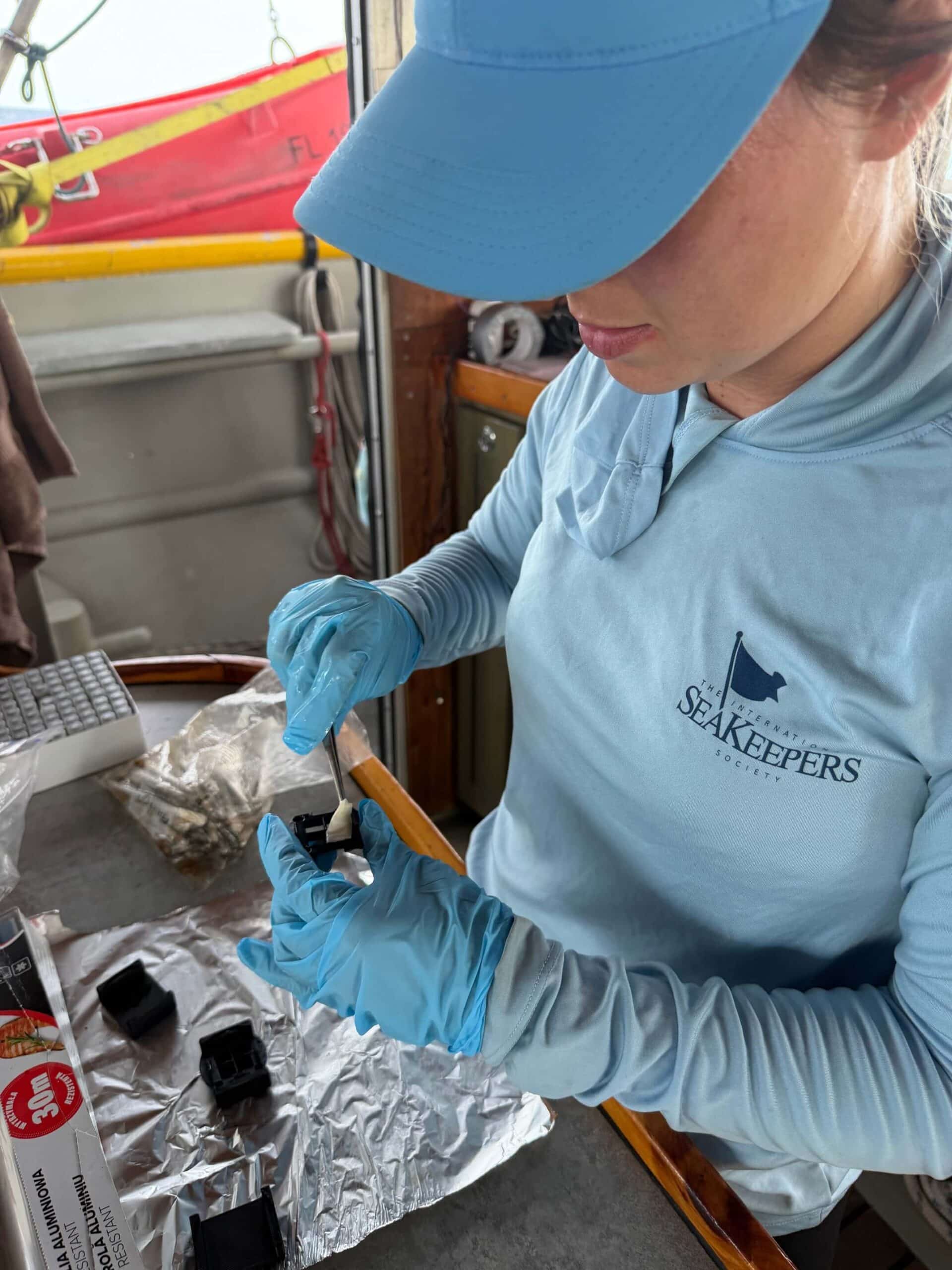
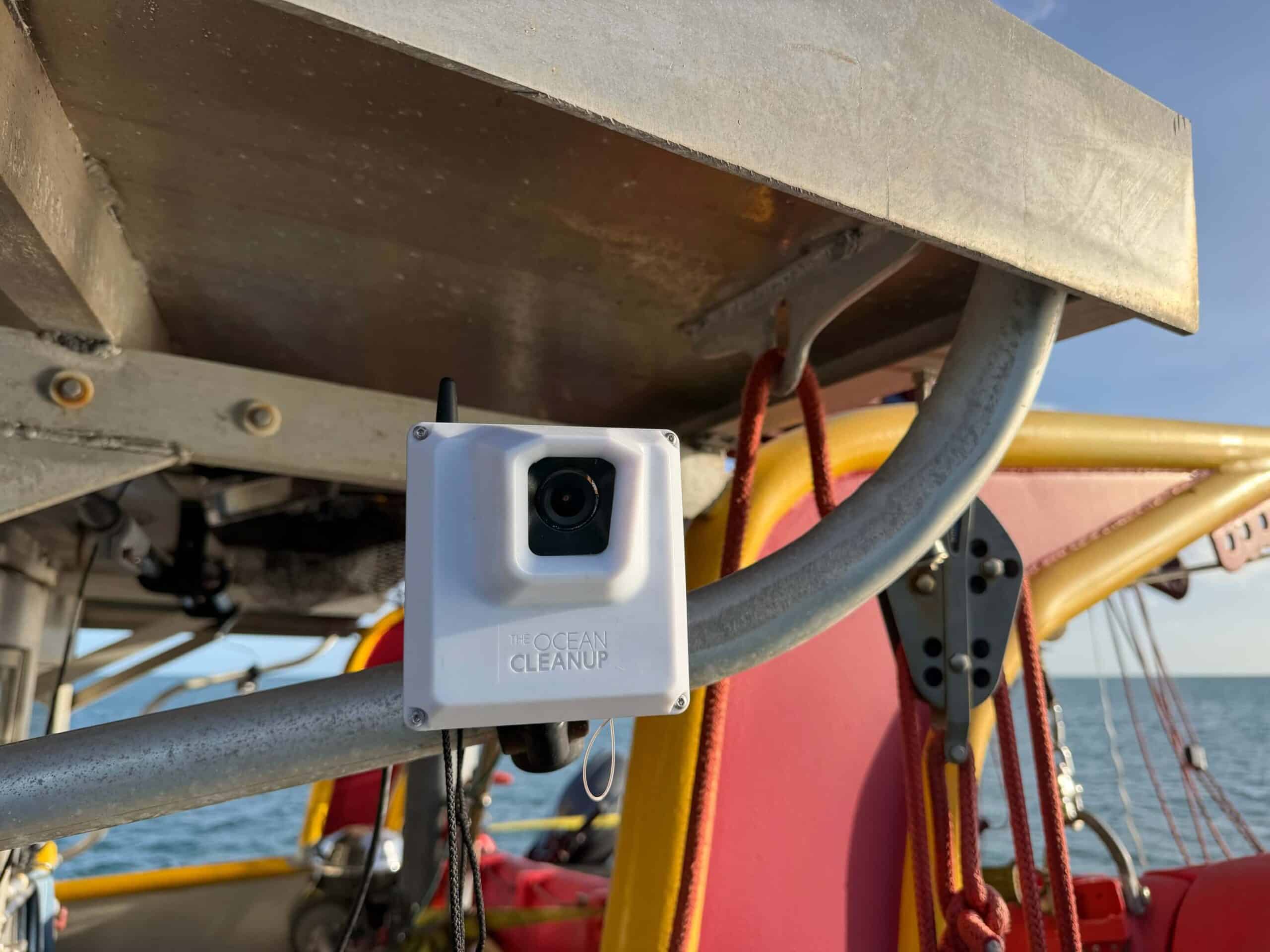
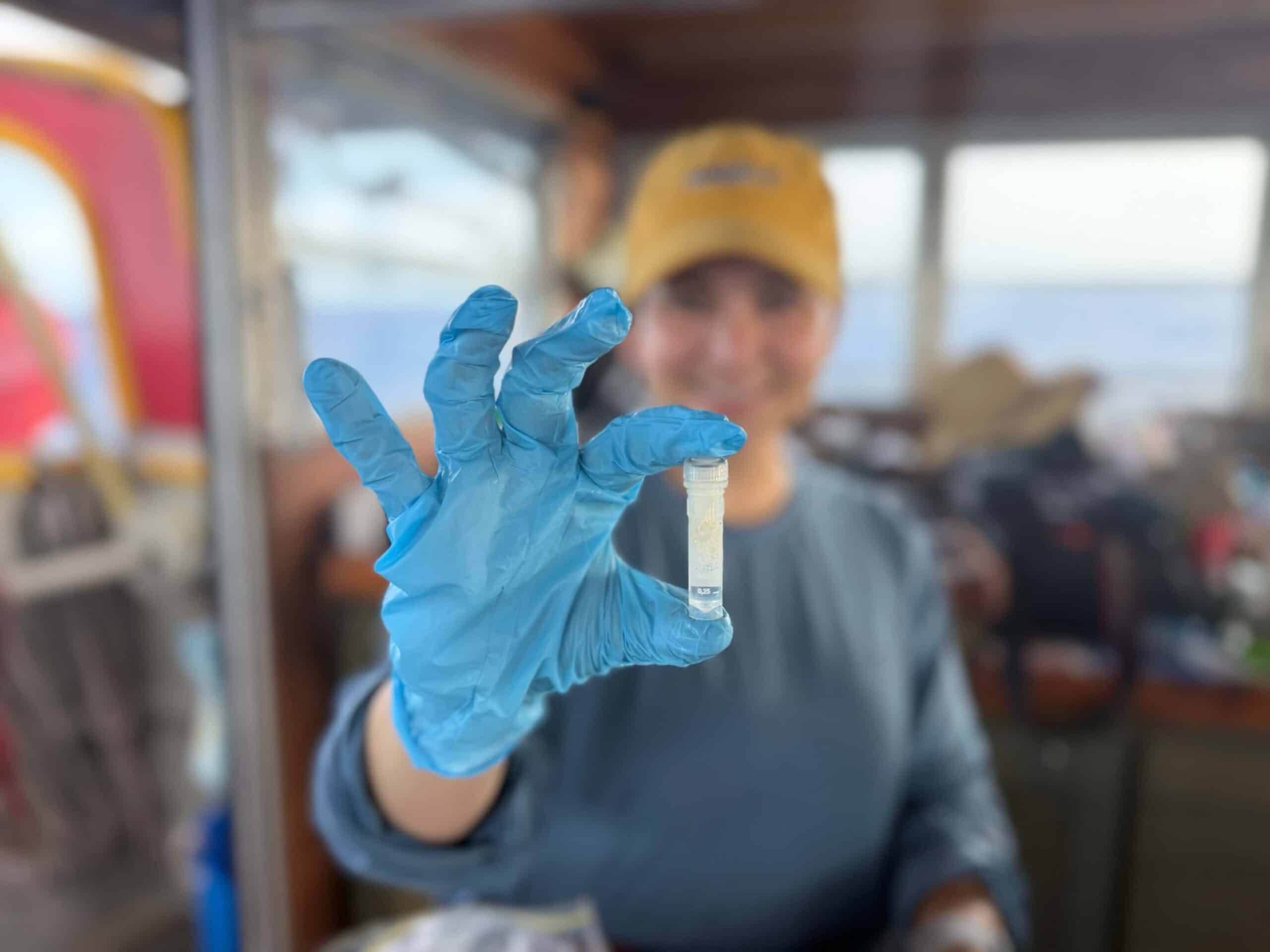
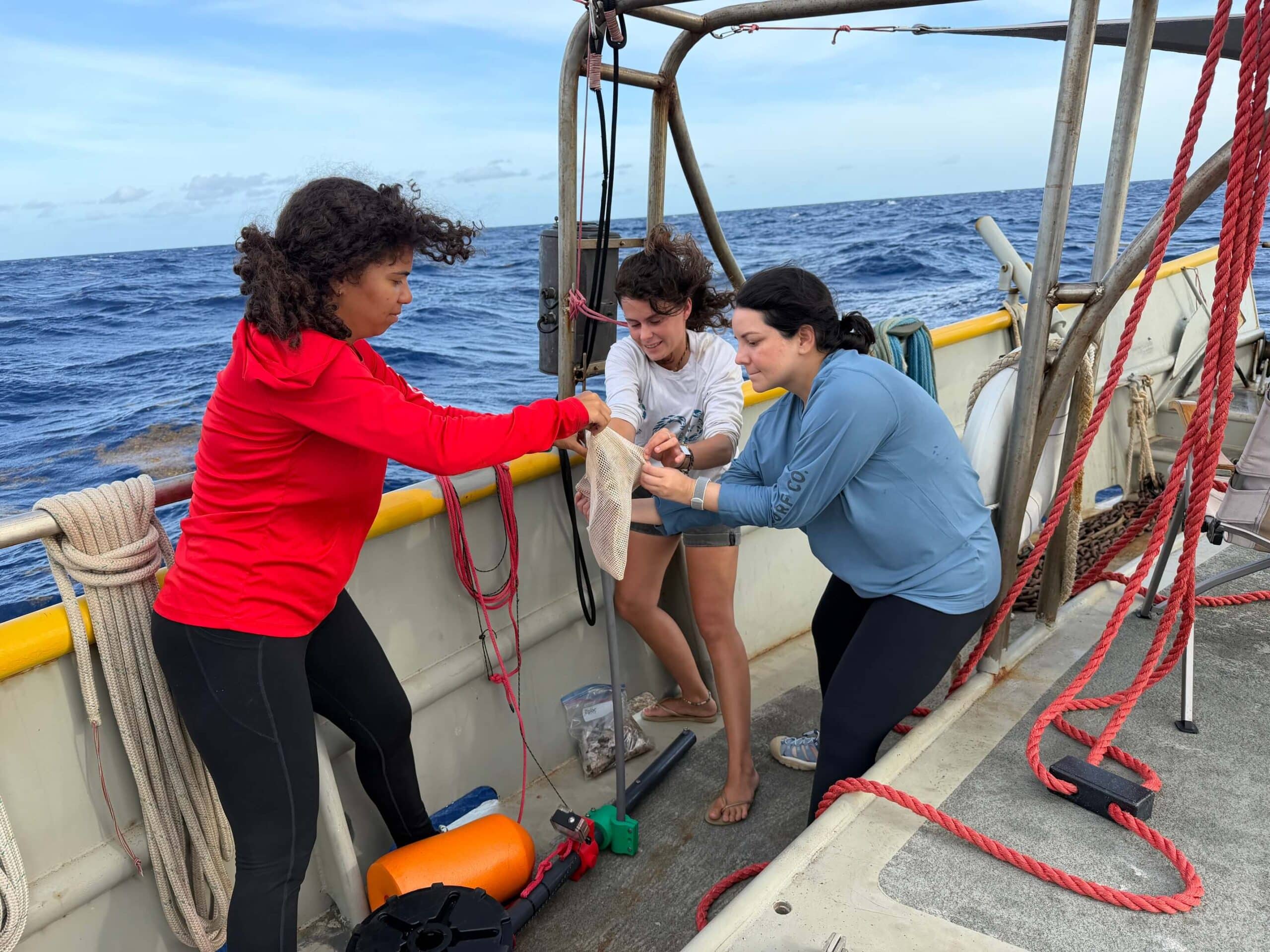
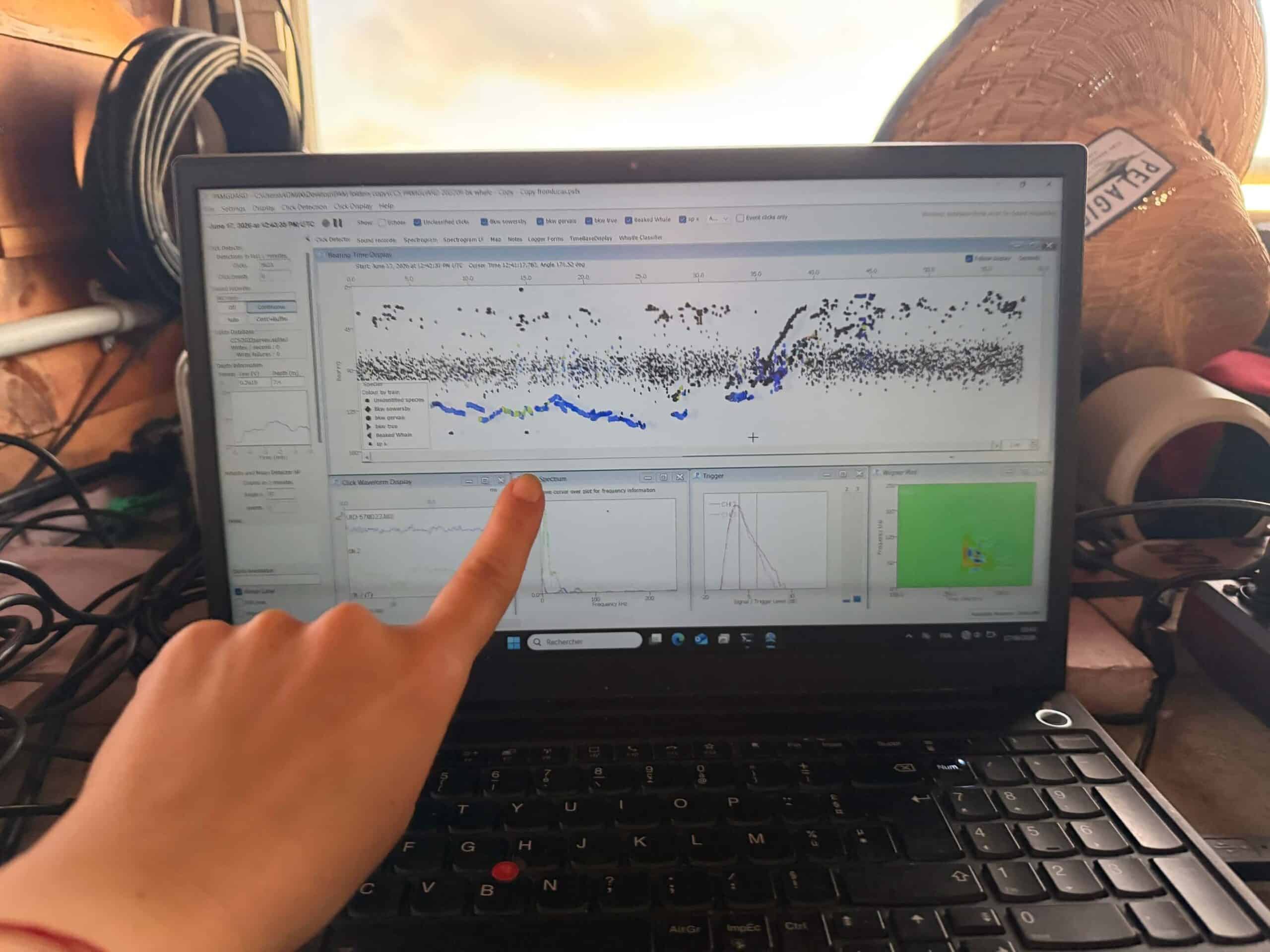
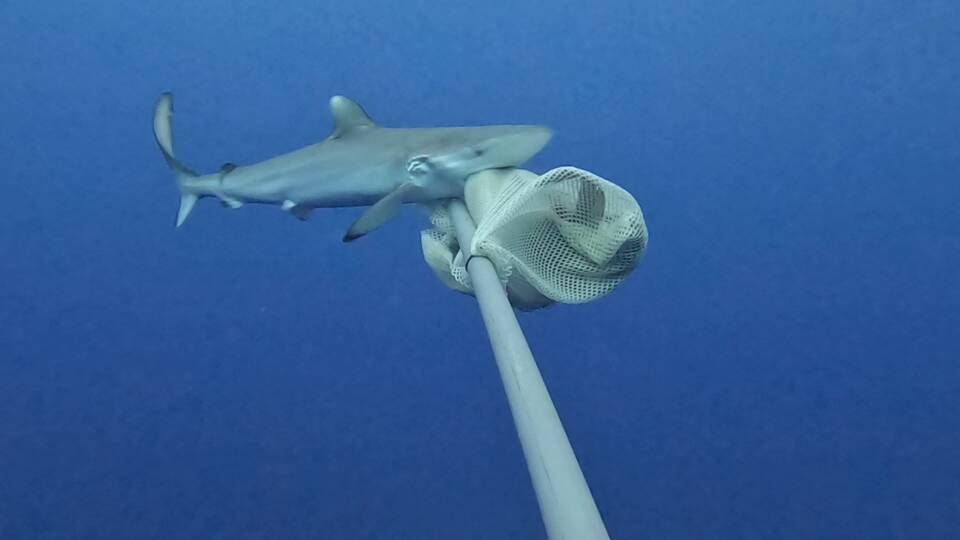
Using standardized survey protocols, researchers conducted visual marine megafauna surveys, passive acoustic monitoring, environmental DNA (eDNA) sampling, baited remote underwater video system (BRUVS) deployments, photo-identification, and marine debris observations. By collecting comparable data across international waters and coastal habitats, the project aims to strengthen scientific knowledge, inform conservation planning, and foster long-term collaboration among Caribbean researchers, governments, and conservation organizations.
Application
Data collected during the Calypso Project will support marine spatial planning, marine protected area design, and regional conservation efforts for marine megafauna throughout the Caribbean. By applying standardized survey methods across multiple jurisdictions, the project helps fill critical knowledge gaps regarding the diversity, distribution, abundance, movement, and habitat use of whales, dolphins, sharks, seabirds, and other highly mobile marine species.
The information gathered will contribute to identifying important habitats, ecological corridors, and areas where marine wildlife faces increased risks from vessel traffic, pollution, fishing activity, and other human pressures. The resulting dataset will help inform governments, conservation organizations, and regional management initiatives working toward ecosystem-based conservation and international biodiversity goals while strengthening long-term scientific collaboration throughout the Caribbean.
Expedition Summary
From May 15 through June 29, 2026, SeaKeepers DISCOVERY Vessel Seeker supported 35 research days across three expedition legs of the Caribbean Cetacean Society’s Calypso Project. Beginning in Martinique, the expedition surveyed waters surrounding Trinidad and Tobago before returning north through Martinique, the British Virgin Islands, Puerto Rico, and concluding in Curaçao.
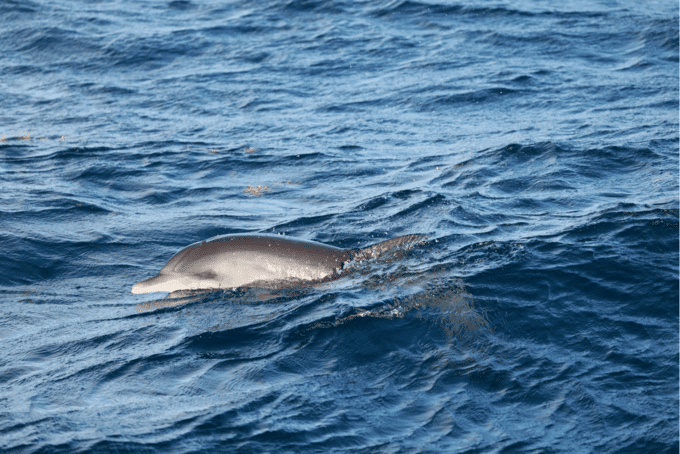
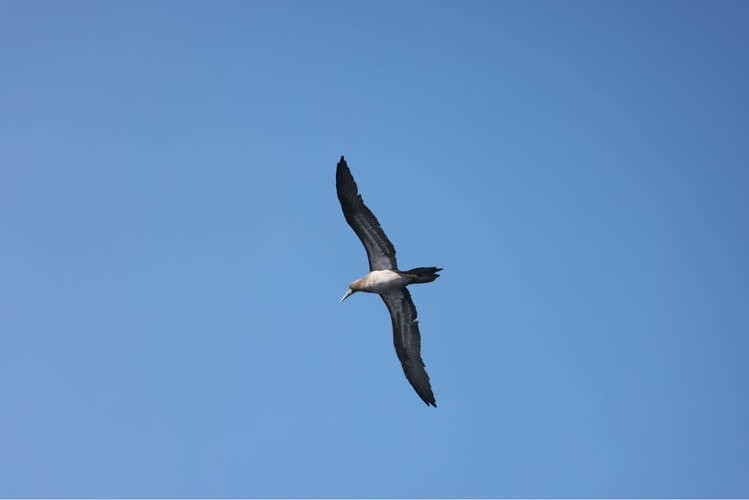
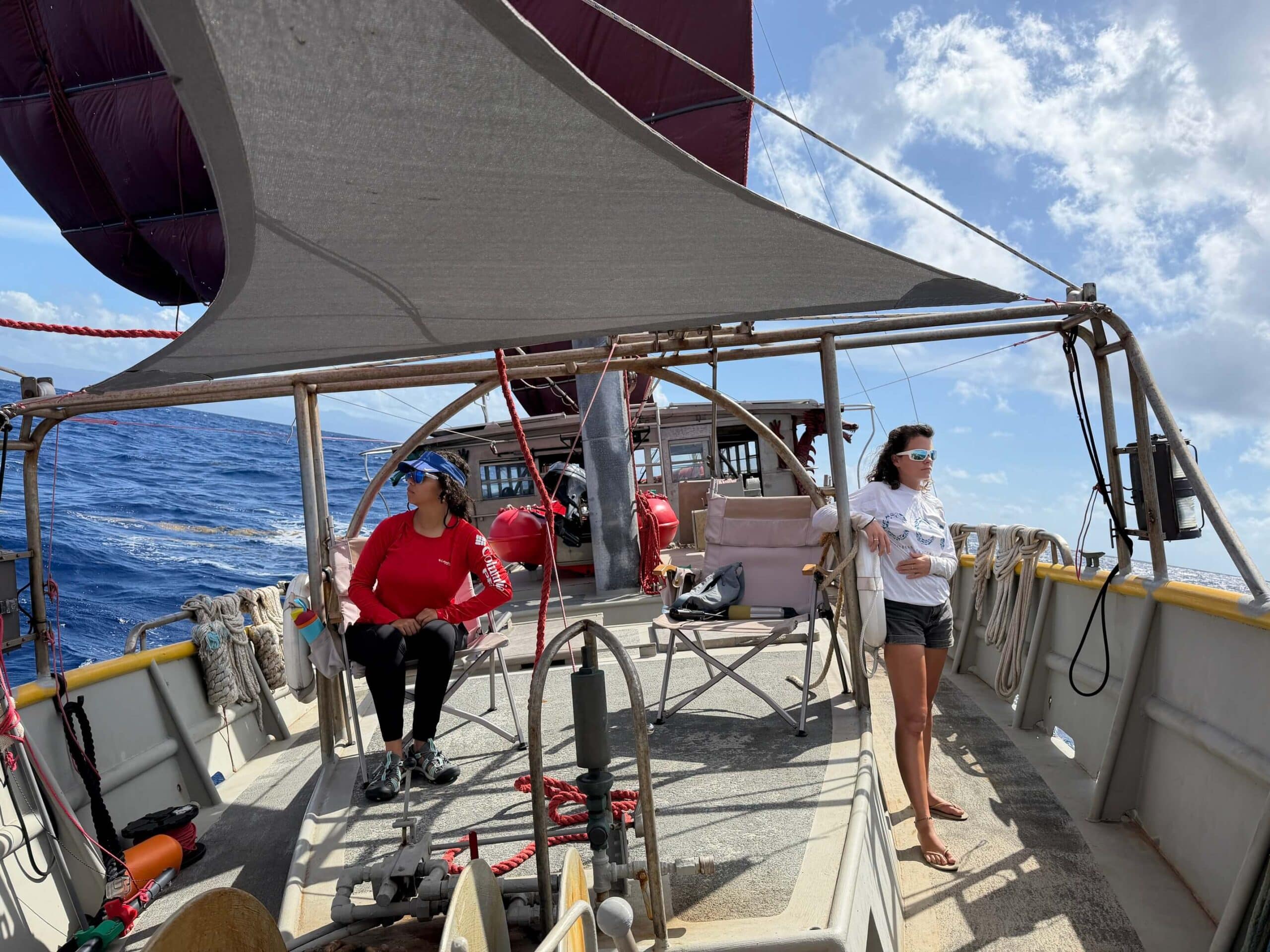
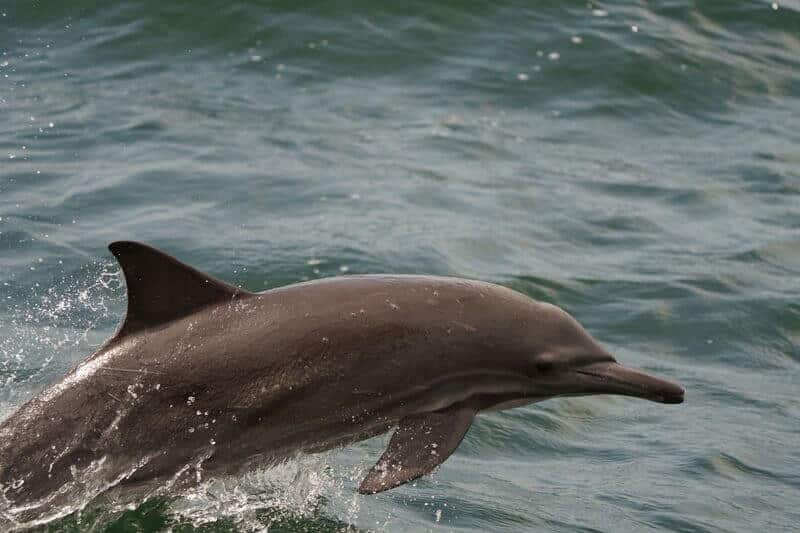
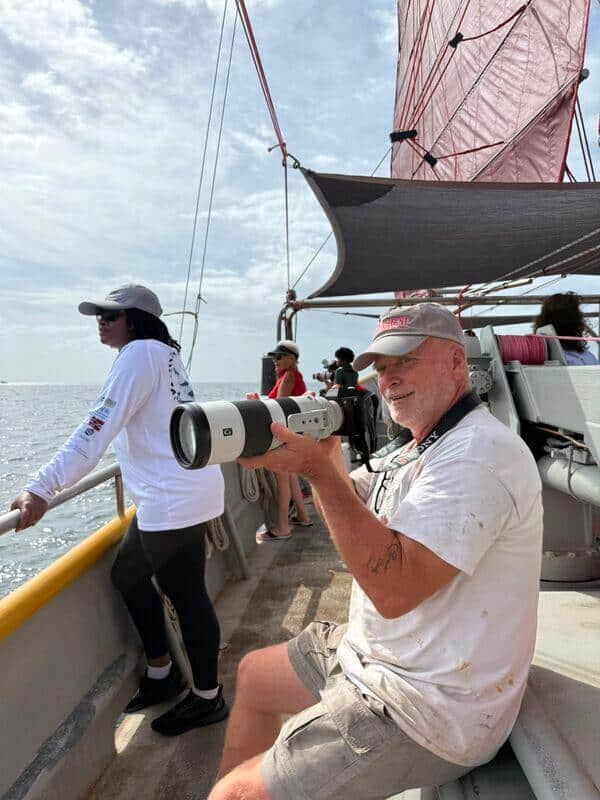
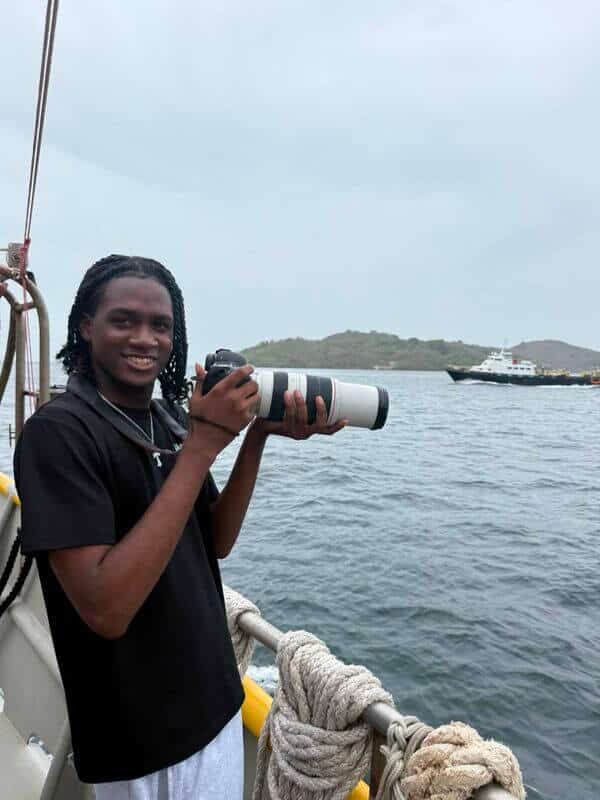
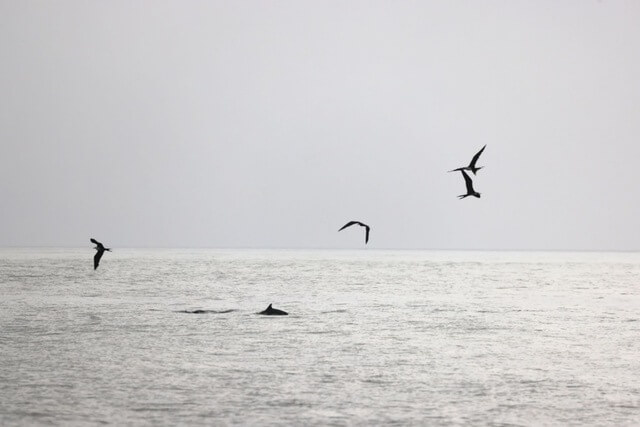
Throughout the expedition, researchers conducted standardized visual and passive acoustic marine megafauna surveys while collecting eDNA samples, deploying BRUVS, documenting marine debris, and photographing wildlife for identification studies. During the expedition, the team recorded more than eight cetacean species, along with sharks, marlins, leatherback sea turtles, and a remarkable diversity of seabirds.
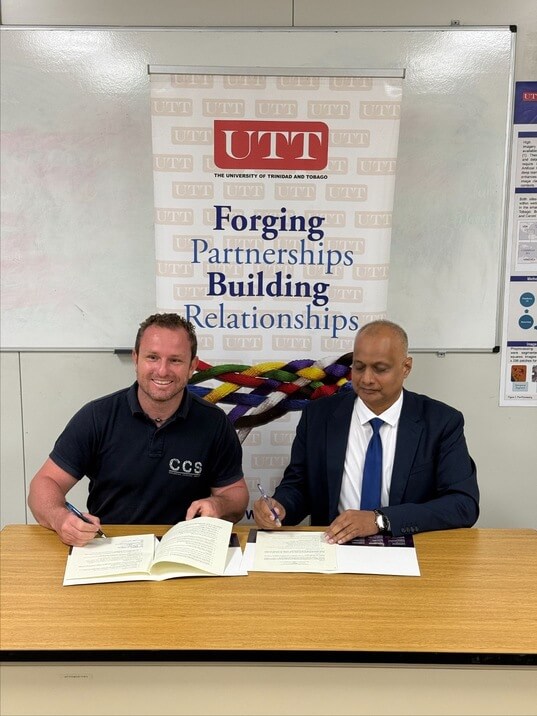
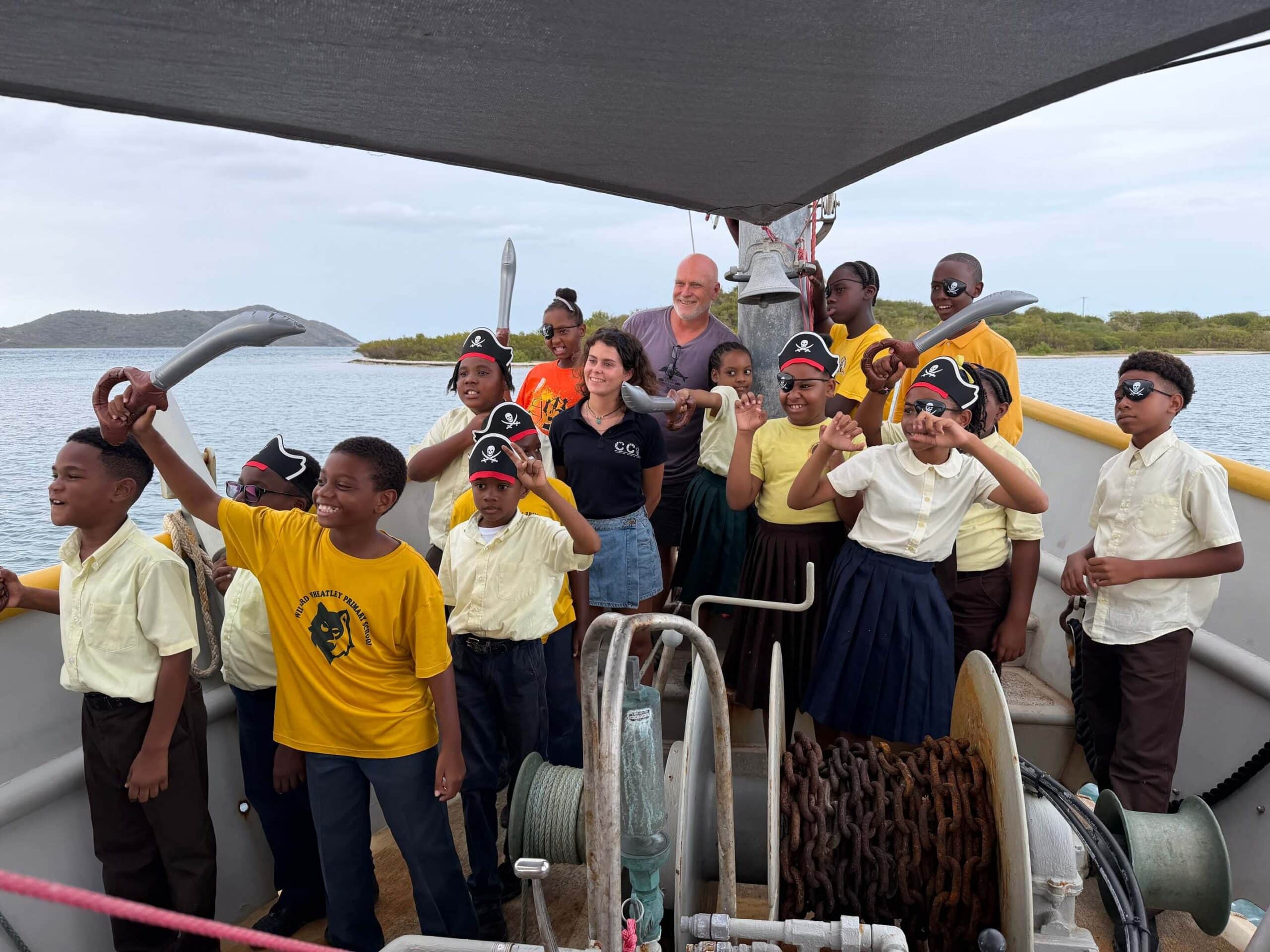
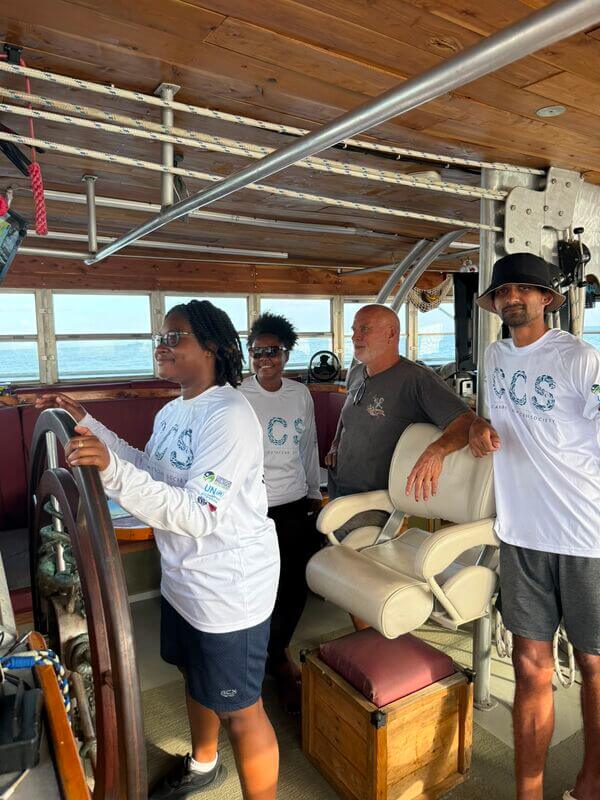
One of the expedition’s most significant achievements was completing the first standardized marine megafauna survey around Trinidad and Tobago, providing an important scientific baseline for future research in the region. The project also strengthened regional partnerships and conservation capacity through the signing of a Memorandum of Understanding with the University of Trinidad and Tobago, the launch of the Trinidad and Tobago Marine Mammals Coalition, training local participants in survey methodologies, and outreach events that engaged students, community members, NGOs, and government representatives throughout the Caribbean.
The expedition highlighted both the ecological richness of the Caribbean Sea and the growing pressures facing its marine ecosystems, reinforcing the importance of coordinated, multinational conservation efforts across the region.
Location
Caribbean Sea
Duration of Project
The Caribbean Cetacean Society, founded in 2020, has been conducting marine mammal research throughout the Caribbean since its inception. This expedition marked the launch of the Calypso Project, a three-month, Caribbean-wide survey that will resume in fall 2026 to complete its inaugural field season. The project is designed to be repeated every two years, creating one of the region’s first long-term, standardized marine mammal monitoring programs.
Leadership
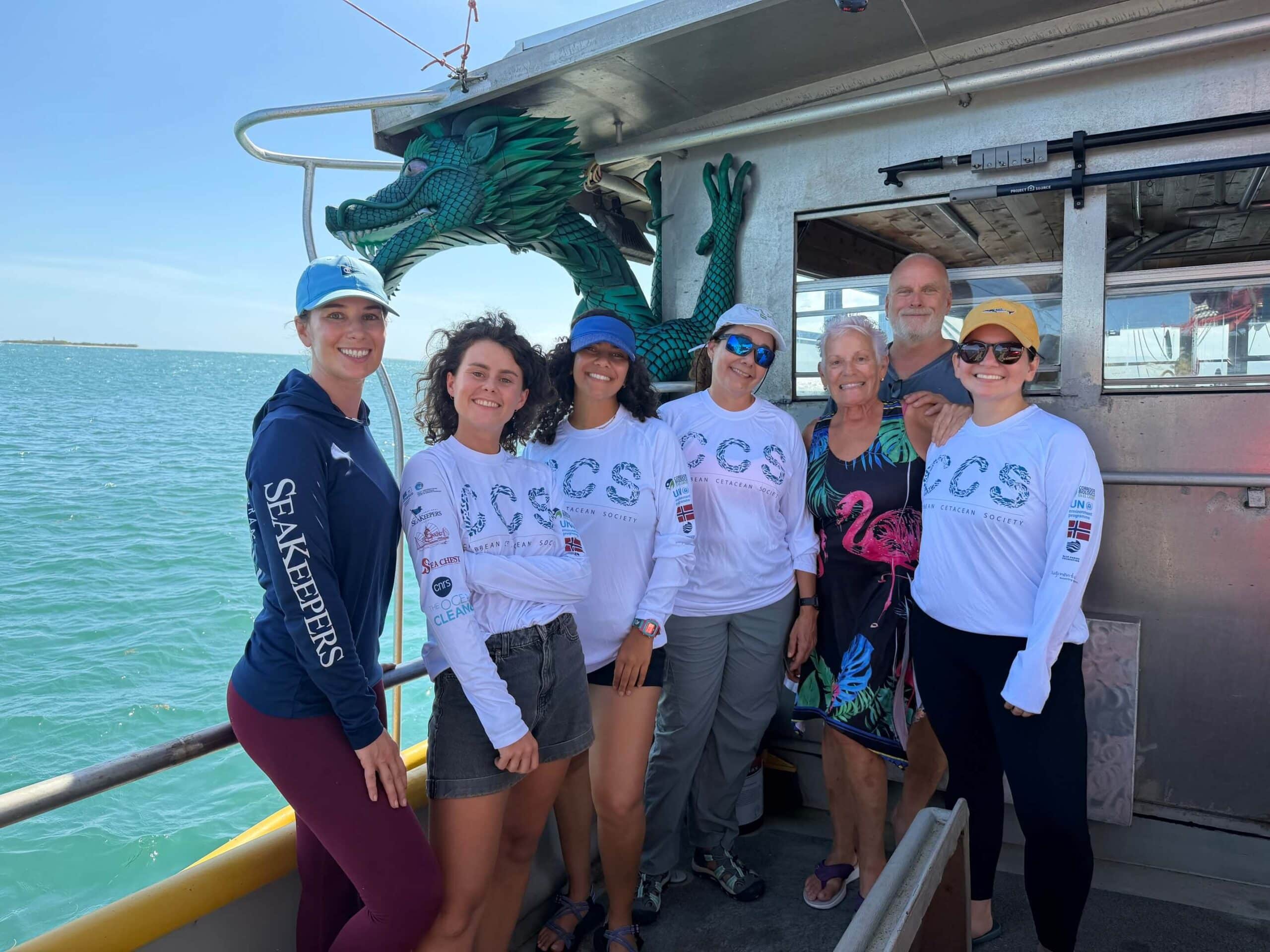
Research Team
- Myrtille Dupin, Expedition Leader
- Jeffery Bernus, Researcher
- Michael Walter Grimm, Volunteer
- Barbara Camille Horta Cruz, Volunteer
- Ruben Rivero, Volunteer
- Alejandra Febus, Volunteer
- Katharina Ellen Schienbein, Volunteer
- Gina Mariell Maldonado Rocha, Volunteer
- Grisel Rodriguez-Ferrer, Researcher
- Laetitia Franchi, Volunteer
- Marine Doublet, Researcher
- Laura-Lynn Liméry, Volunteer
- Satine Dispersyn, Volunteer
- Sanjeev Persad, Volunteer
- Adrian Wilson, Researcher
- Shivani Goberdhan, Volunteer
- Gabriela Sofía Hernández Ramírez, Researcher
- Elijah Vesprey, Volunteer
- Aimee Boisselle, Researcher
- Rajeev Balgobin, Volunteer
- Kyiesha Ahkleia Rhea Lewis, Volunteer
- Fadilah Zafirah Ali, Volunteer
- Julien de Graaff, Researcher
- Deniel Novella, Volunteer
- Emilie Priou, Volunteer
- Aubri Keith, The International SeaKeepers Society
Partner Sites

Photo Gallery