
Monitoring the American Crocodile in Everglades National Park

Project Overview:

The University of Floridaโ€™s Croc Docs research team is seeking vessel support for its long-term monitoring of the American crocodile (Crocodylus acutus) in Everglades National Park. This federally threatened species serves as an important indicator of how wildlife responds to changing hydrological conditions and ongoing Everglades restoration.

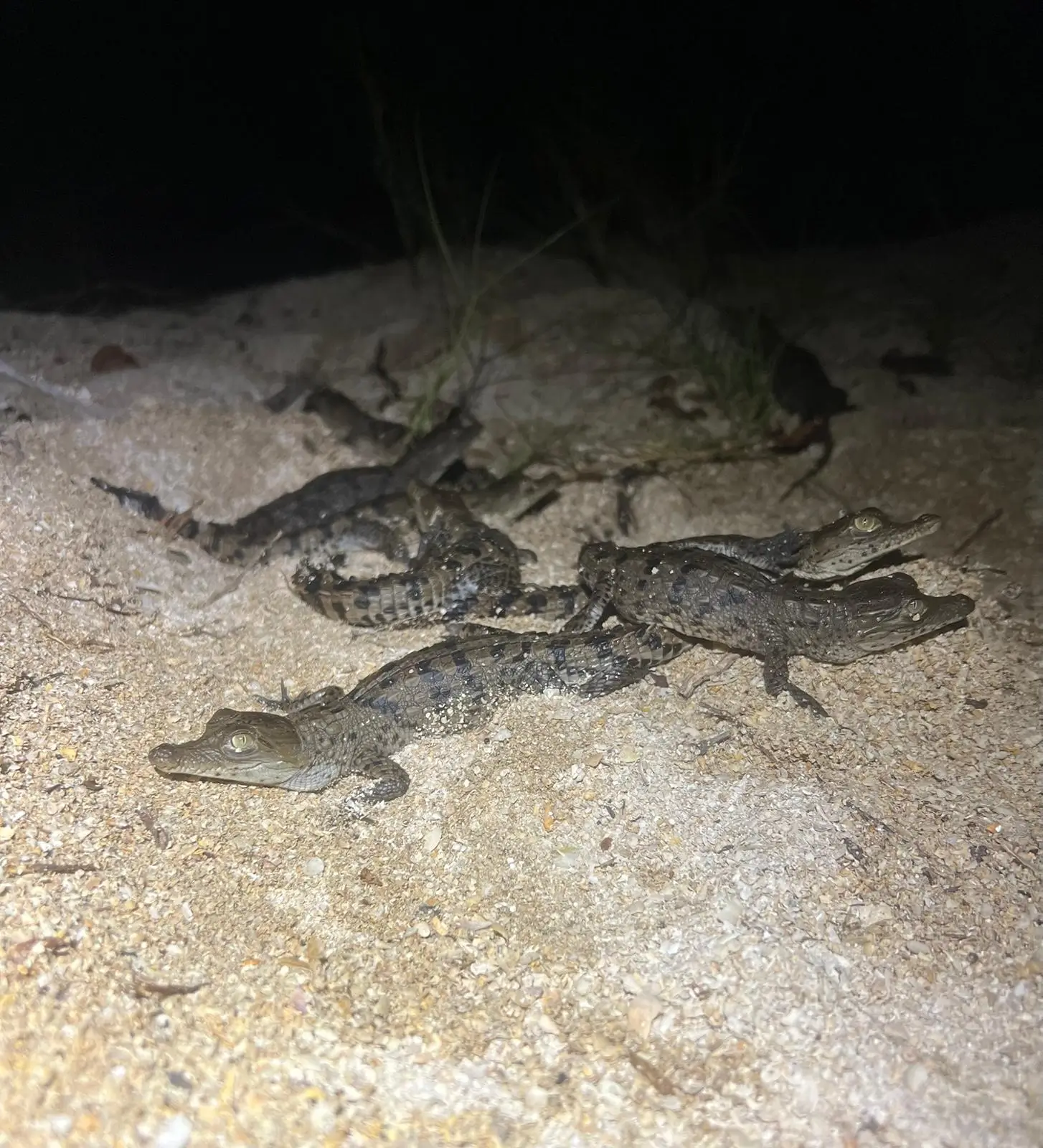
The 2027 expedition will focus on crocodile nesting activity in the remote Cape Sable and Flamingo areas. Researchers will monitor nests and collect morphometric data from hatchling crocodiles to evaluate nesting effort and success, growth, survival, distribution, estimated abundance, and body condition.

These measurements help scientists understand how crocodiles respond to natural and human-induced ecosystem changes, particularly changes in freshwater flow, salinity, water levels, and prey availability. The findings will contribute to a monitoring program that has informed crocodile conservation and ecosystem-management decisions in South Florida for nearly five decades.

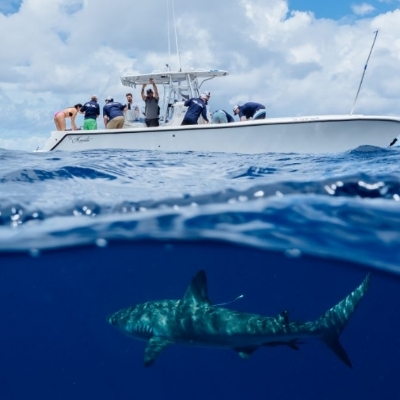
The participating vessel will serve as the research teamโ€™s accommodations and operational base near Cape Sable. Fieldwork will be conducted aboard the teamโ€™s own 17-foot skiff, which will be secured alongside the supporting vessel when not in use.

Program Partners

  • University of Florida Croc Docs
  • Everglades National Park

Location

Expected Time Frame

Duration of Expedition

  • 5-12 field days over a period of one to two weeks

Accommodation Needed

  • 3 Researchers + 1 SeaKeepers Representative

Special Equipment Needed

  • Ability to safely secure a 17-foot research skiff alongside the vessel. The research team will conduct daily field operations from its own skiff, so dedicated working deck space aboard the supporting vessel is not required
crocdocs

Background:

The American crocodile is a federally threatened species found in coastal and estuarine habitats throughout South Florida. Its recovery is closely linked to regional hydrological conditions, particularly the freshwater inputs that influence estuarine water levels, salinity, habitat availability, and prey abundance.

Because crocodiles respond to these environmental changes, their population health can provide valuable insight into the broader ecological effects of Everglades restoration. Changes in hydrological conditions can affect crocodile nesting effort and success, growth, survival, distribution, abundance, and body condition, making these important indicators of ecosystem health and restoration progress.

Monitoring of American crocodiles in southern Florida has been underway since 1978. Findings from this long-term research have guided species and land-management decisions throughout the region and provided important scientific evidence supporting the speciesโ€™ reclassification from endangered to threatened in 2007.

Continued monitoring is necessary to evaluate how crocodiles respond to current and future restoration initiatives, including projects intended to improve freshwater flow through Taylor Slough and surrounding estuaries.

Mission:

The mission of this project is to determine how American crocodiles respond to natural and human-induced ecosystem changes in Everglades National Park and to evaluate the ecological effects of ongoing hydrological restoration.

Key objectives include:

-Assessing American crocodile nesting effort and success
-Monitoring the distribution and relative abundance of crocodiles
-Evaluating growth, survival, and body condition
-Collecting morphometric data from hatchling crocodiles
-Examining relationships between crocodile population metrics and hydrological conditions
-Evaluating crocodile responses to restoration projects designed to improve freshwater flow into Taylor Slough and surrounding estuarine habitats
-Maintaining the long-term dataset needed to guide species conservation and ecosystem-management decisions

Applications:

Data collected through this project will help scientists and resource managers evaluate the ecological effects of Everglades restoration. By tracking changes in crocodile nesting, survival, abundance, distribution, growth, and body condition, researchers can assess whether changes in freshwater delivery are improving conditions within South Floridaโ€™s coastal ecosystems.

The project will also support the continued recovery and management of the American crocodile by identifying population trends and areas of ecological importance. Because monitoring protocols have remained consistent over several decades, the resulting dataset provides a valuable long-term measure of environmental change in Everglades National Park.

Findings will be shared with Everglades National Park staff and other resource managers responsible for crocodile conservation, hydrological restoration, and the management of South Floridaโ€™s estuarine habitats.

Get Involved

If youโ€™re interested in learning more about this specific program opportunity, please reach out to our team below to find out more about this program or get involved in other opportunities with SeaKeepers.

Explore More Opportunities

img at sea opportunities

At-Sea Opportunities

Browse other research opportunities around the world to support oceanographic research through our other branches of programming.
img citizen science opportunities

Citizen Science Opportunities

Browse other citizen science opportunities around the world to support scientists in their research.
img education opportunities

Education Opportunities

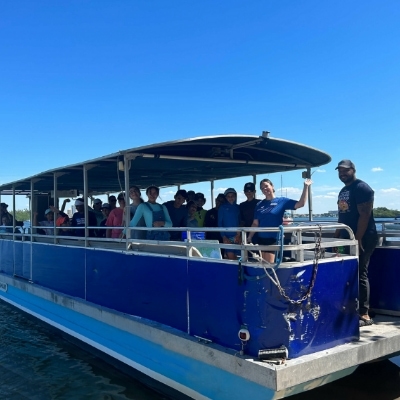
Browse education opportunities in South Florida, the United Kingdom and the South Pacific to support educational outreach for students.
img community opportunities

Community Opportunities

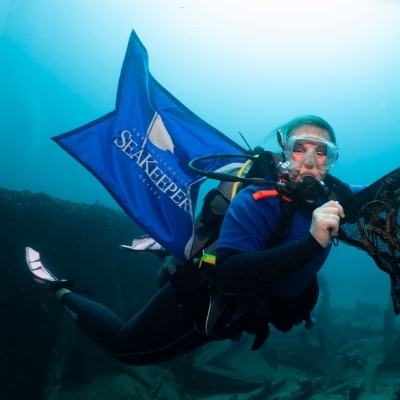
Browse community engagement opportunities in South Florida, the United Kingdom and the South Pacific to support local social responsibility and policy change.
img get involved form

Get Involved

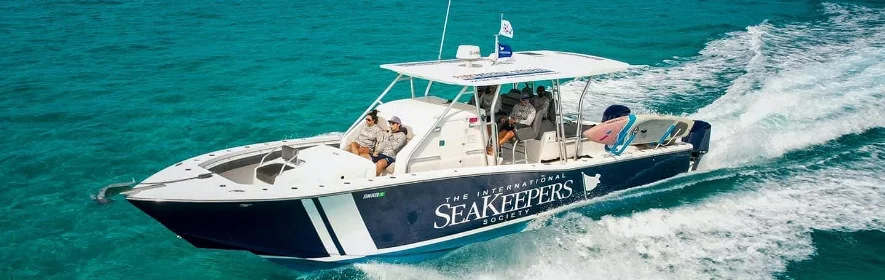
To discover more about this program and contribute to the crucial work of ocean conservation and scientific research, please fill out the form below and a member of our programming team will reach out to you with more details.

"*" indicates required fields

This field is for validation purposes and should be left unchanged.