
- DISCOVERY Yacht Aquamarine
Assessing Ecological Resilience of Great Star Coral in Florida
- August 7 - 20, 2026
- Florida Keys Reef Tract, FL
Project Overview
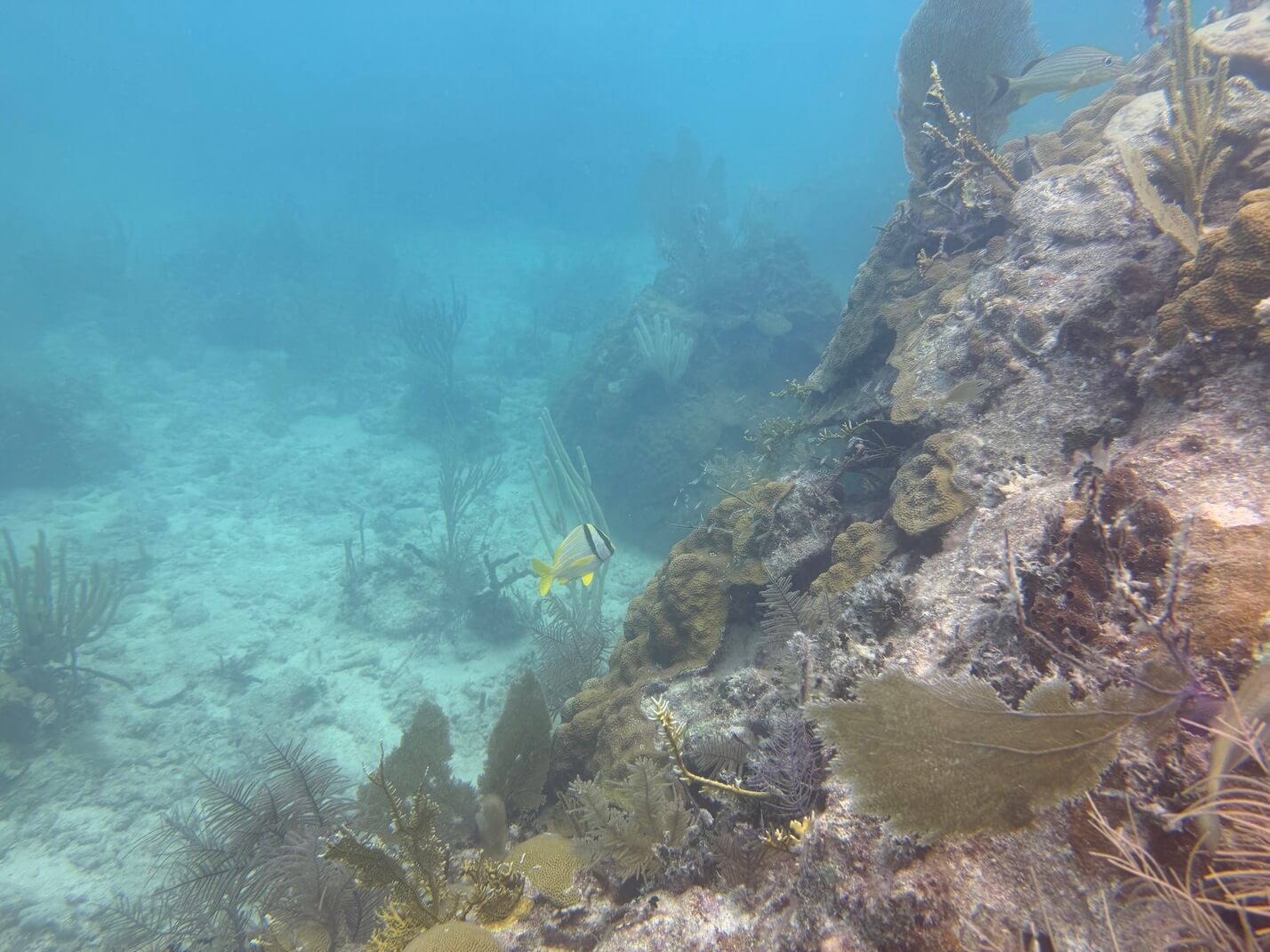
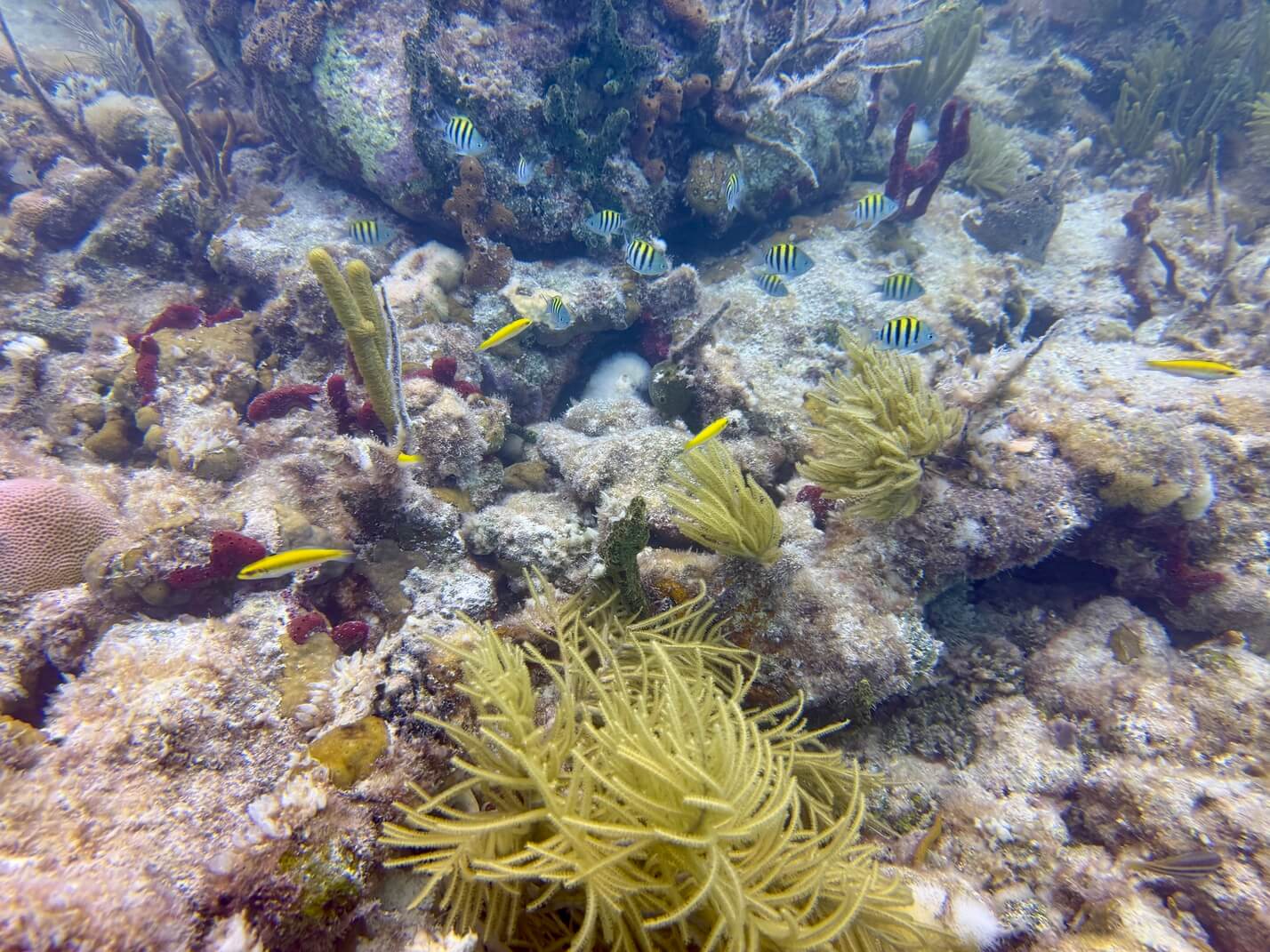
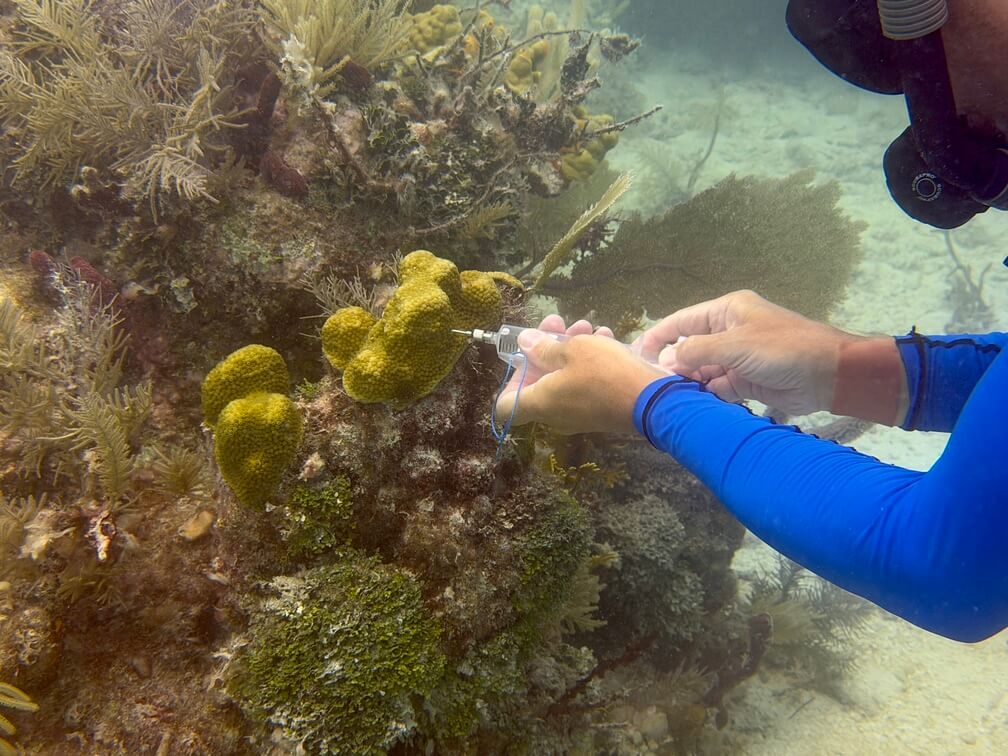
Reef habitats in the Florida Keys Reef Tract (FKRT) have declined dramatically since 1970’s, to the extent that some of its formerly foundational coral species have been declared ecologically extinct. But not all coral species suffer the same fate. This project investigates one of the survivors: great star coral (Montastrea cavernosa), a large mound-forming coral found in all reef habitats throughout the FKRT. This species is a “living fossil” of the coral world with an impressive survival history: its genetic lineage dates as far back as the Cretaceous period, which means that it persisted even through the dinosaur-killing asteroid impact 65 million years ago. Today, it is one of the very few coral species that still do relatively well in Florida despite profound degradation of its coral reefs (its conservation status is “least concern”). How can it adapt so successfully? To answer that, the Matz Lab will measure how this species’ genetic composition changes across the seascape and which environmental factors drive that change. This approach, called “seascape genomics”, is as close as it gets to directly asking the coral what it cares most about in its environment. This information will be very useful in coral reef management, particularly restoration.
Application
The data collected from this expedition will be very useful in coral reef management, particularly restoration. As environmental parameters change, we may be able to predict what the effect will be on particular species. Even as certain species become extinct from normal natural cycles, human intervention may help to slow this degradation.
Expedition Summary
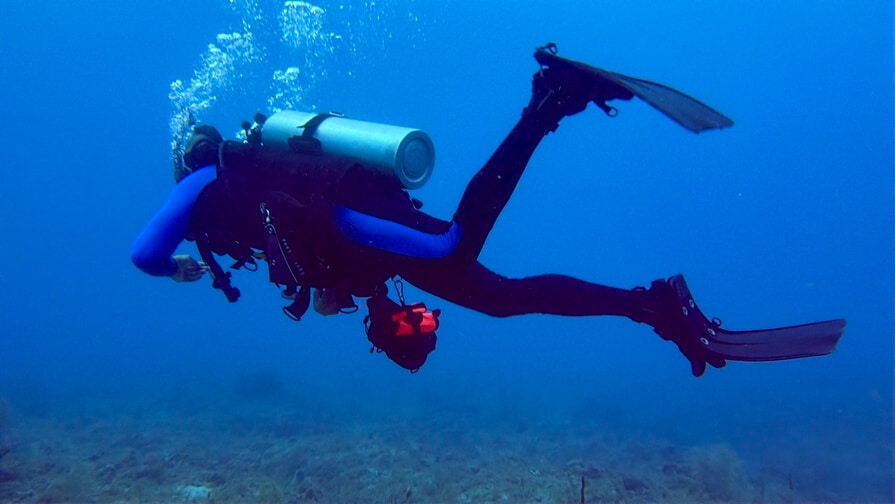
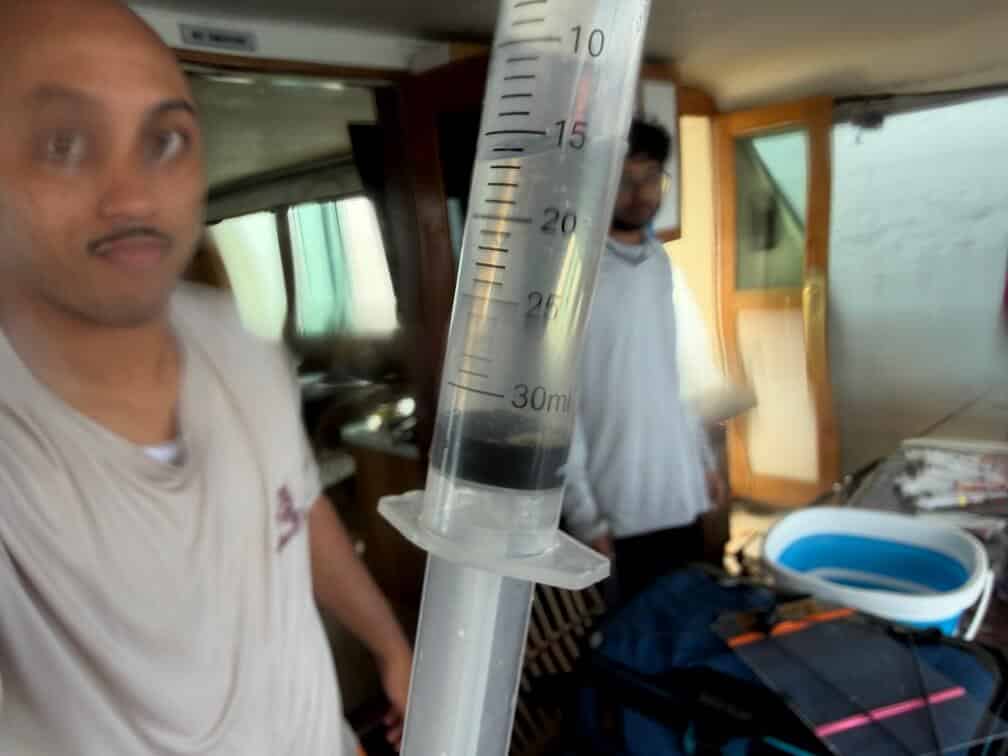
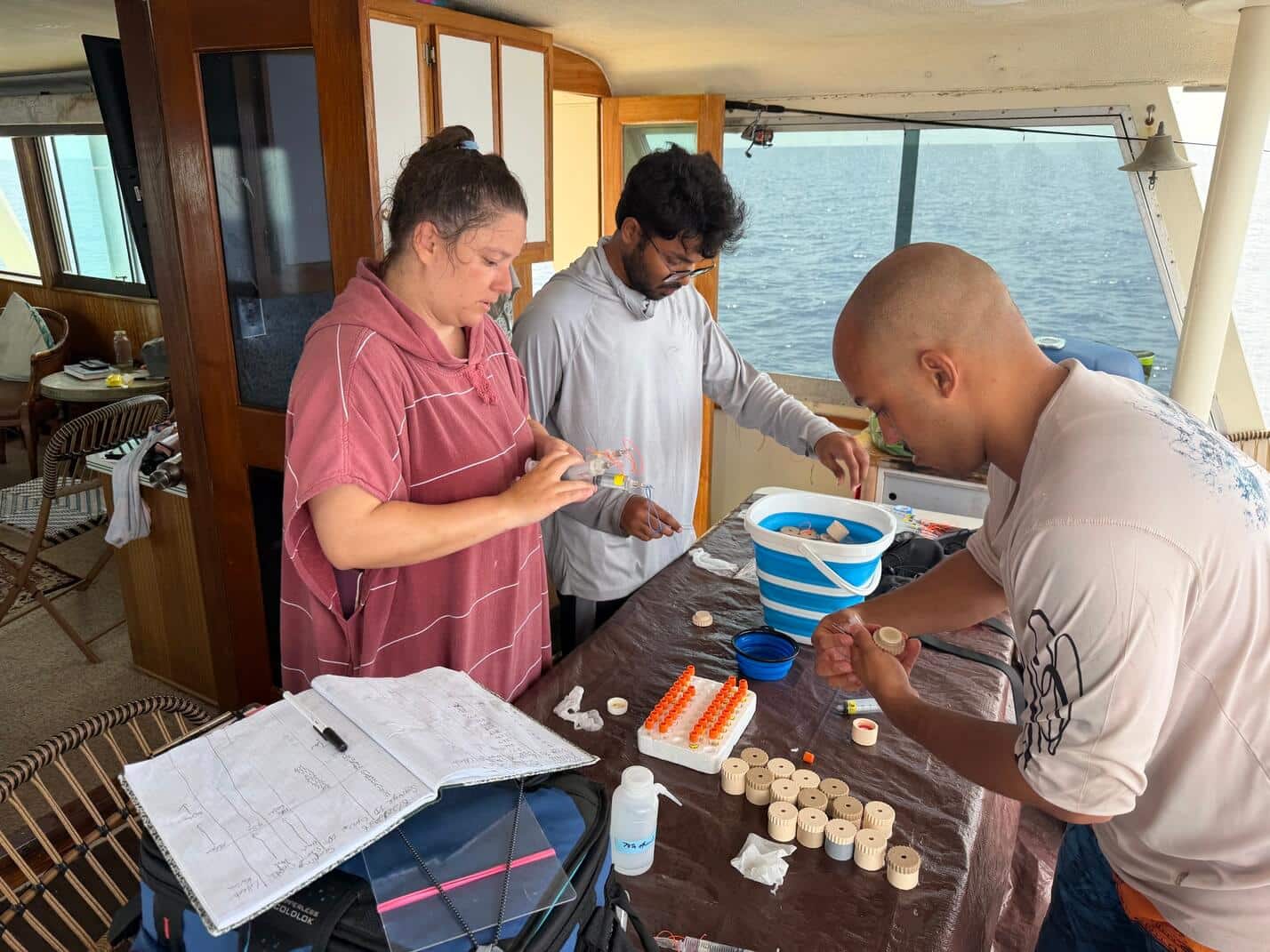
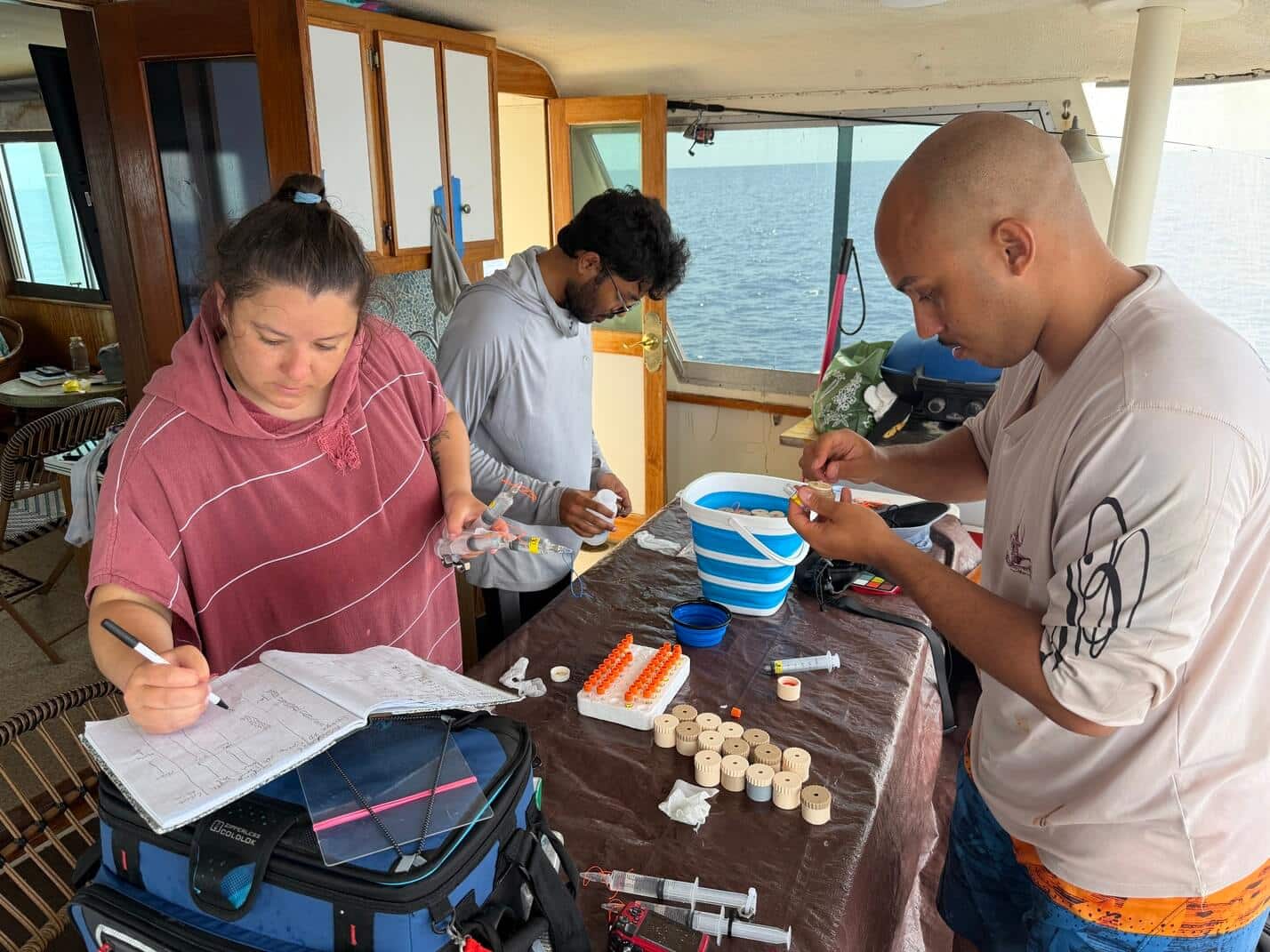
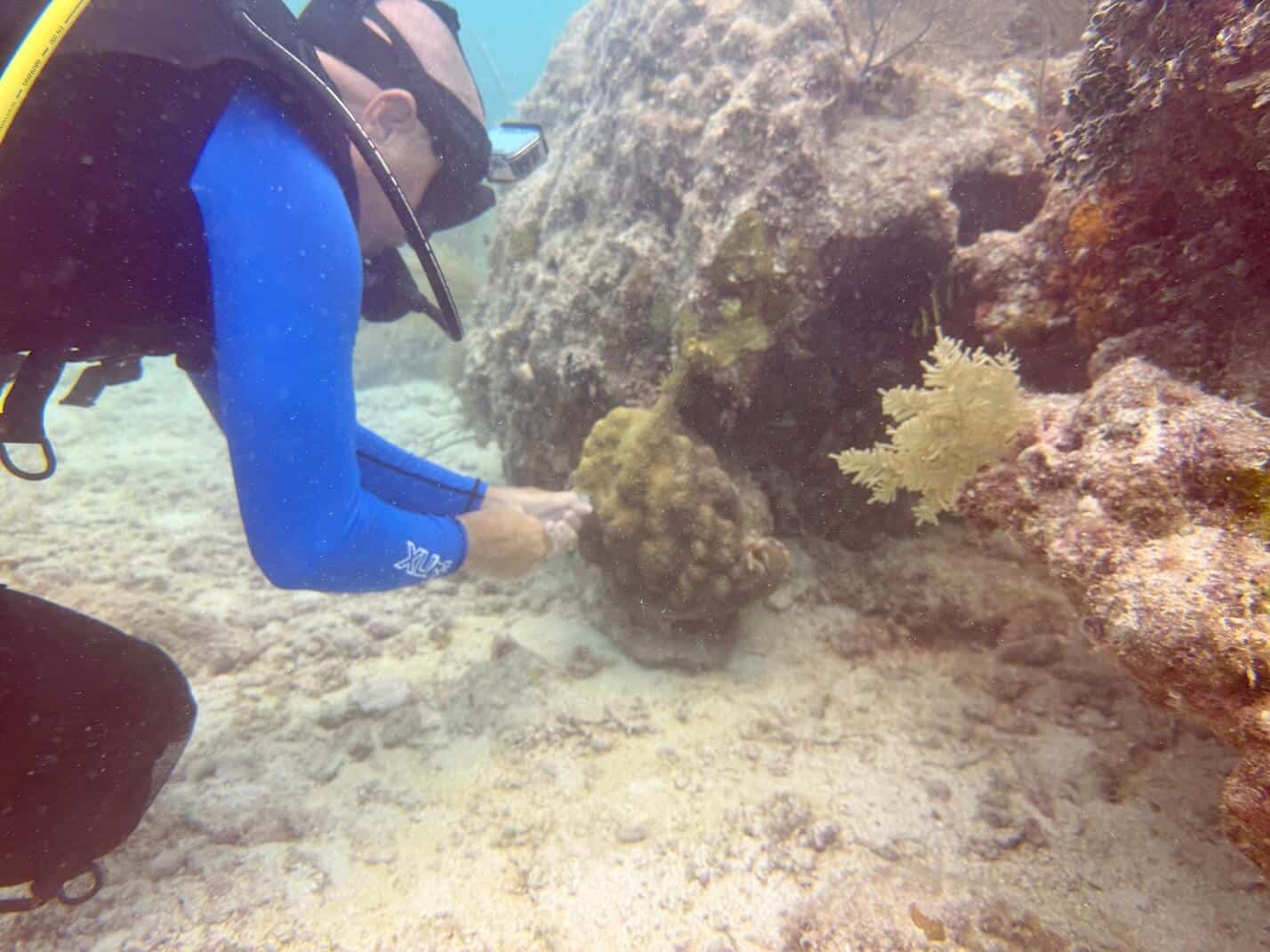
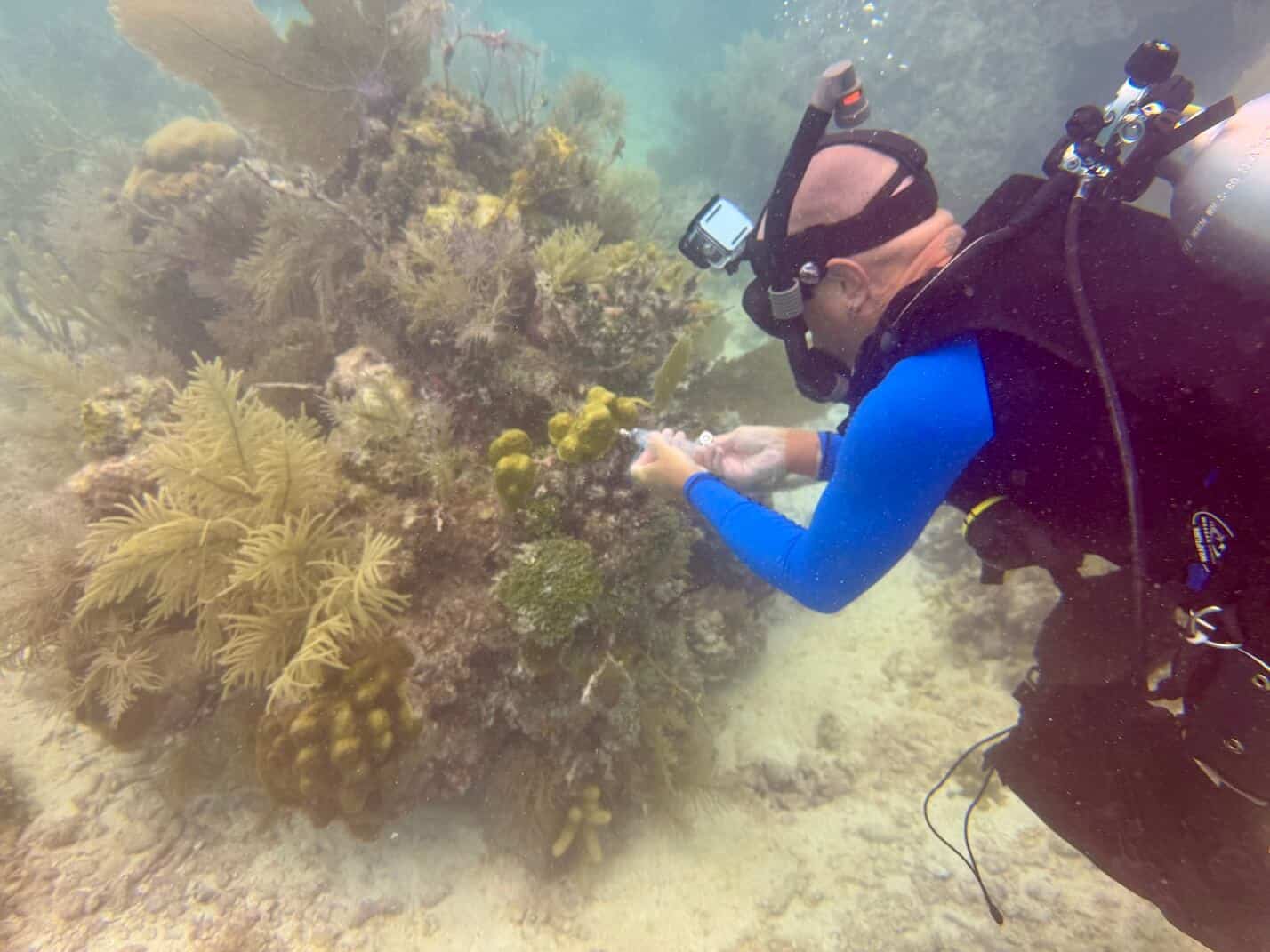
From August 7 – 20, 2026, The International SeaKeepers Society assisted Dr. Mikhail “Misha” Matz and the Matz Lab from The University of Texas at Austin with a research expedition spanning the entire Florida Keys Reef Tract, and over the course of two weeks aboard DISCOVERY Yacht Aquarmarine. The team was able to dive 40 reef sites, collecting over 350 samples of the great star coral (Montastrea cavernosa), as well as about 150 samples of the mountainous star coral (Orbicella faveolata), one of the species that is in profound decline, for comparison.
Location
The Florida Keys Reef Tract from the Dry Tortugas and up to Miami.
Duration of Project
The expedition lasted two weeks, but sample processing and genetic analysis will take one to two years
Leadership
Research Team
Mikhail Matz, PhD – Lead Scientist of the expedition, Professor at the University of Texas at Austin
Alexa Huzar – Lead field researcher, Lab Manager at Matz Lab at UT Austin
Karim Primov – Field researcher, Graduate Student at Matz Lab at UT Austin
Aranya Dhibar – Field researcher, Graduate Student at Matz Lab at UT Austin
Partner Sites

Publications
Photo Gallery