
- DISCOVERY Yacht FREERANGER
Tracking Oceanic Manta Migration Across the Southwest Pacific
- June 13 - July 8, 2026
- South Pacific, Ocean
Project Overview
Oceanic manta rays found in Aotearoa New Zealand are now known to travel far beyond the country’s waters, moving north into the tropical Pacific as part of a regular seasonal migration. Years of monitoring by Manta Watch Aotearoa New Zealand, including public sighting reports, individual identification and satellite tracking, have helped identify more than 235 individual mantas and revealed just how extensive these movements can be.
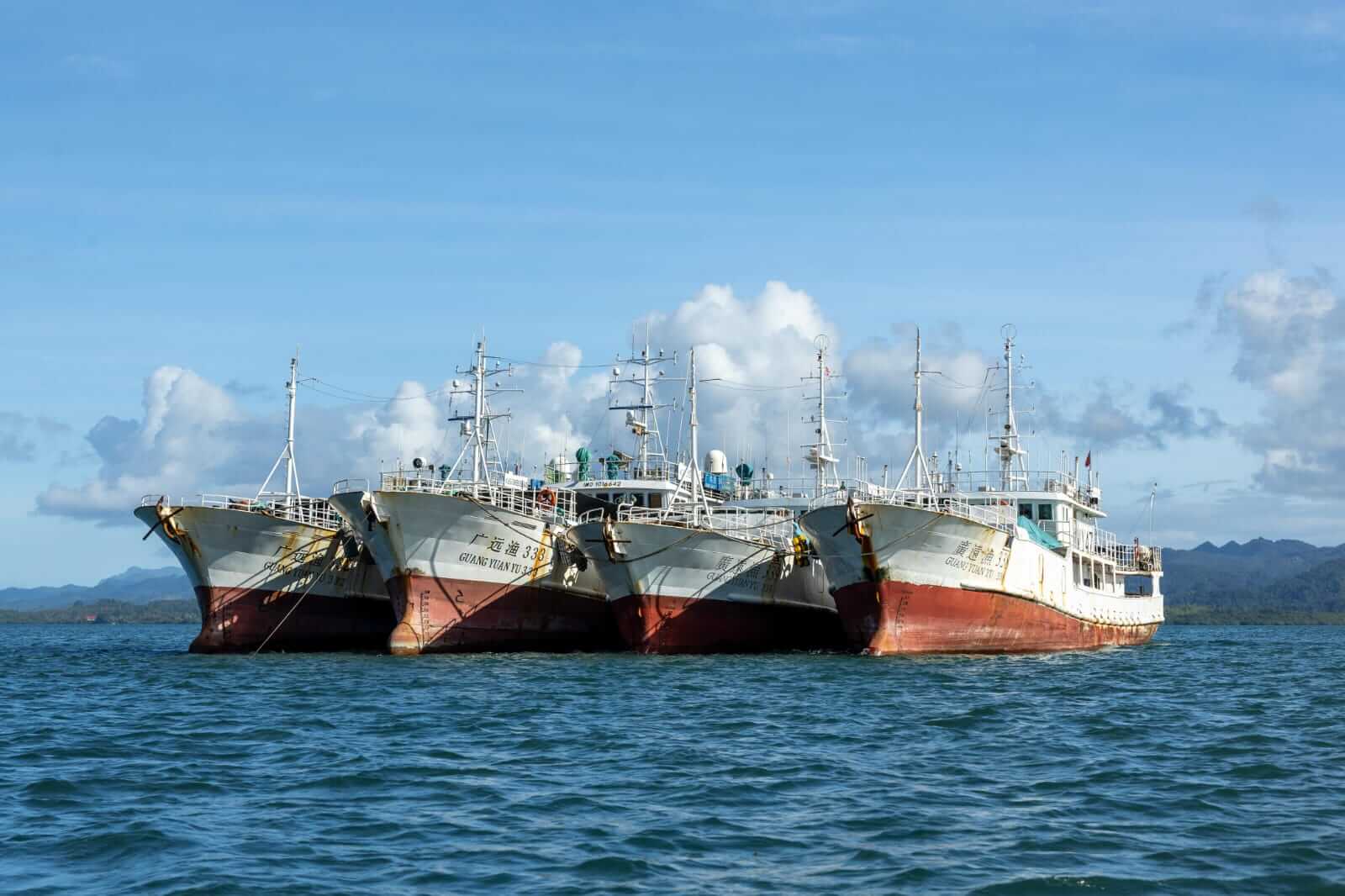
These discoveries have also created new conservation questions. Tracking results indicate that some mantas may not survive their journey through the Southwest Pacific, drawing attention to possible interactions with large-scale fishing activity beyond New Zealand’s waters. The next challenge is therefore not only understanding where the mantas travel, but gaining a clearer picture of the conditions and potential threats they encounter along the way.
Application
This expedition provided an important first look at what can realistically be achieved when following the migration of Aotearoa’s oceanic manta rays by sea. While monitoring animals across thousands of kilometres of open ocean is challenging, the voyage identified new opportunities to combine dedicated expeditions with observations from sailors already travelling these routes.
The findings will help shape future work by Manta Watch Aotearoa New Zealand, including further satellite tagging and planned genetic sampling to build a clearer picture of population connectivity and the risks mantas may encounter outside New Zealand.
Expedition Summary
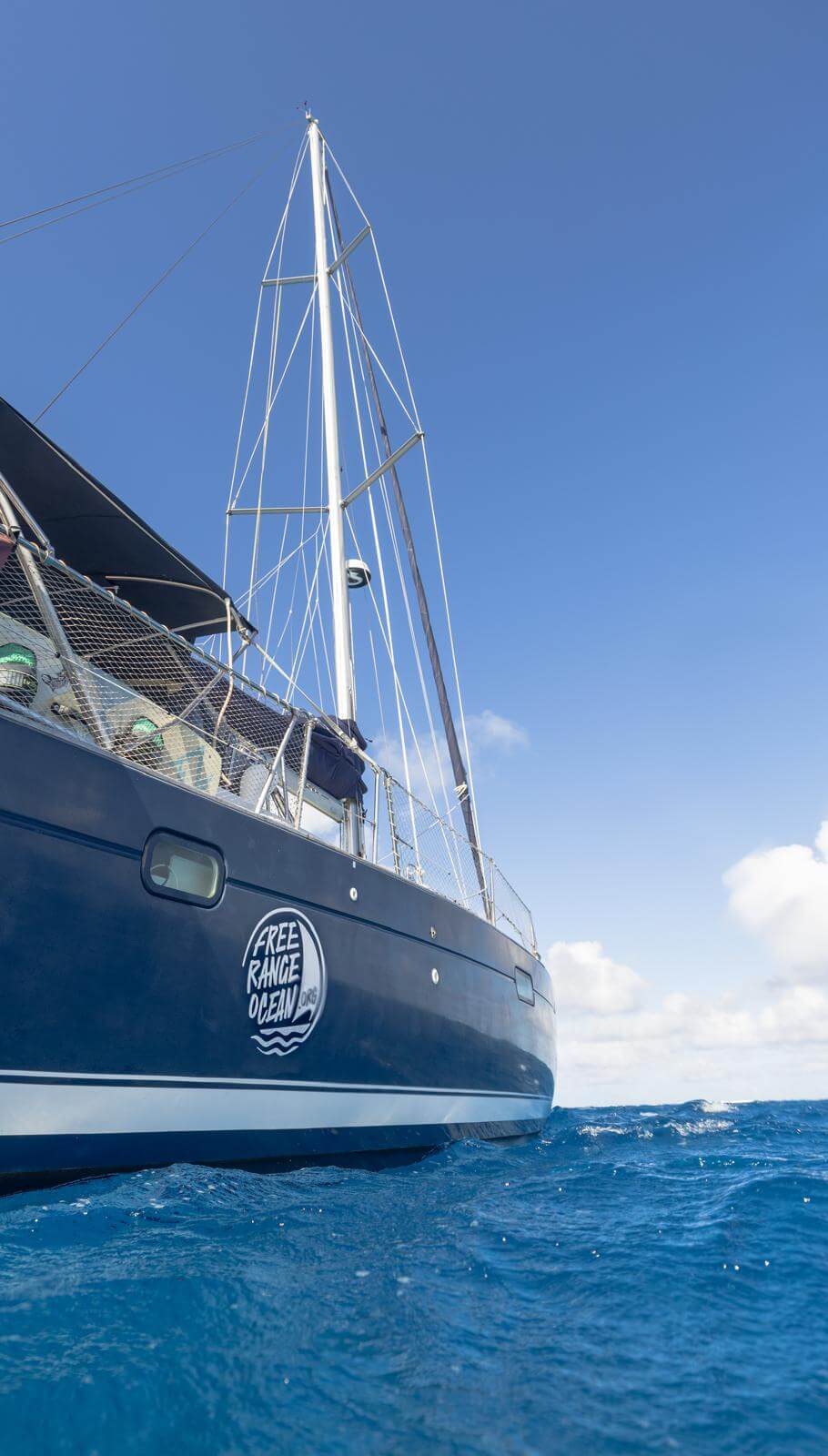
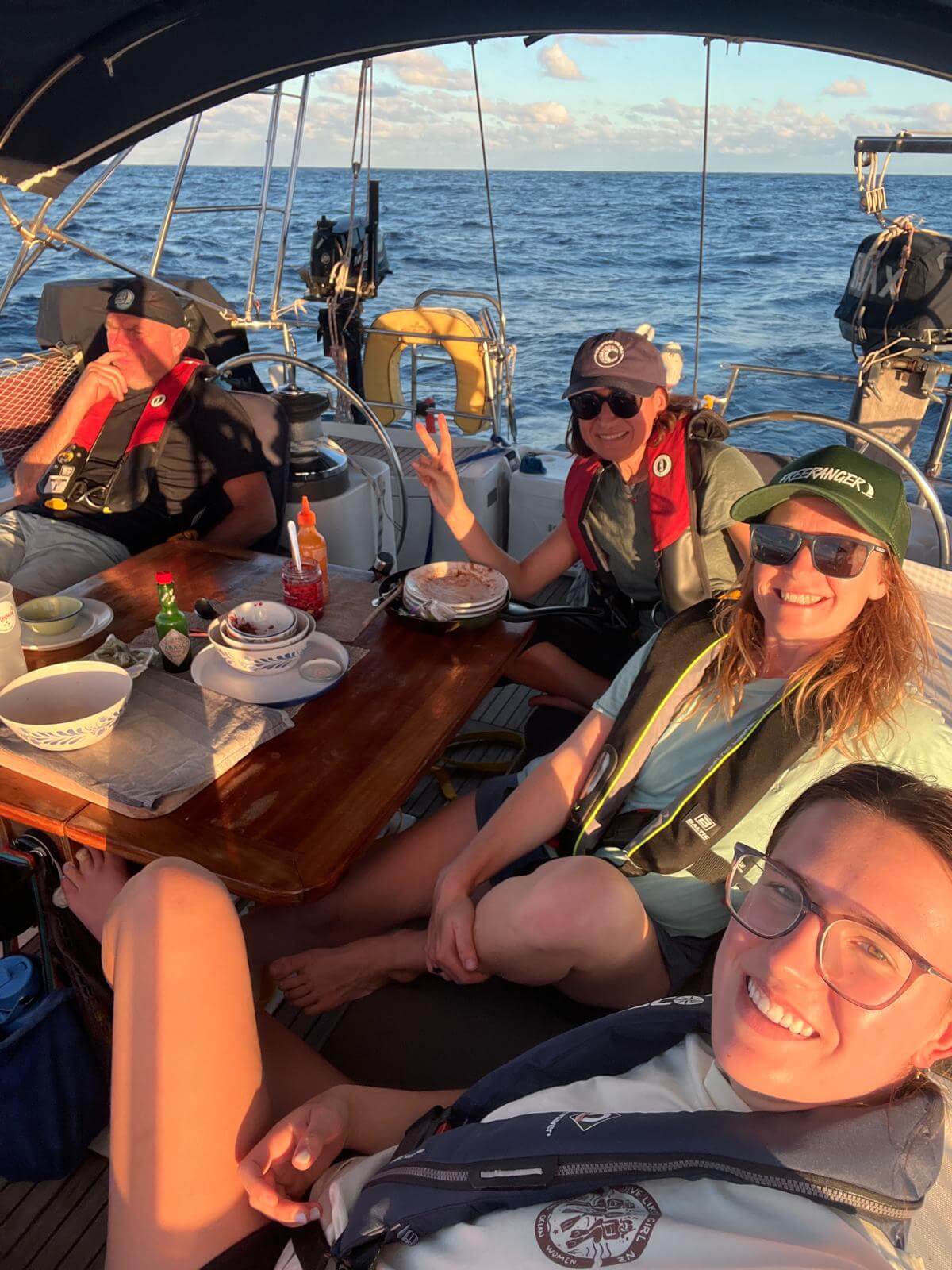
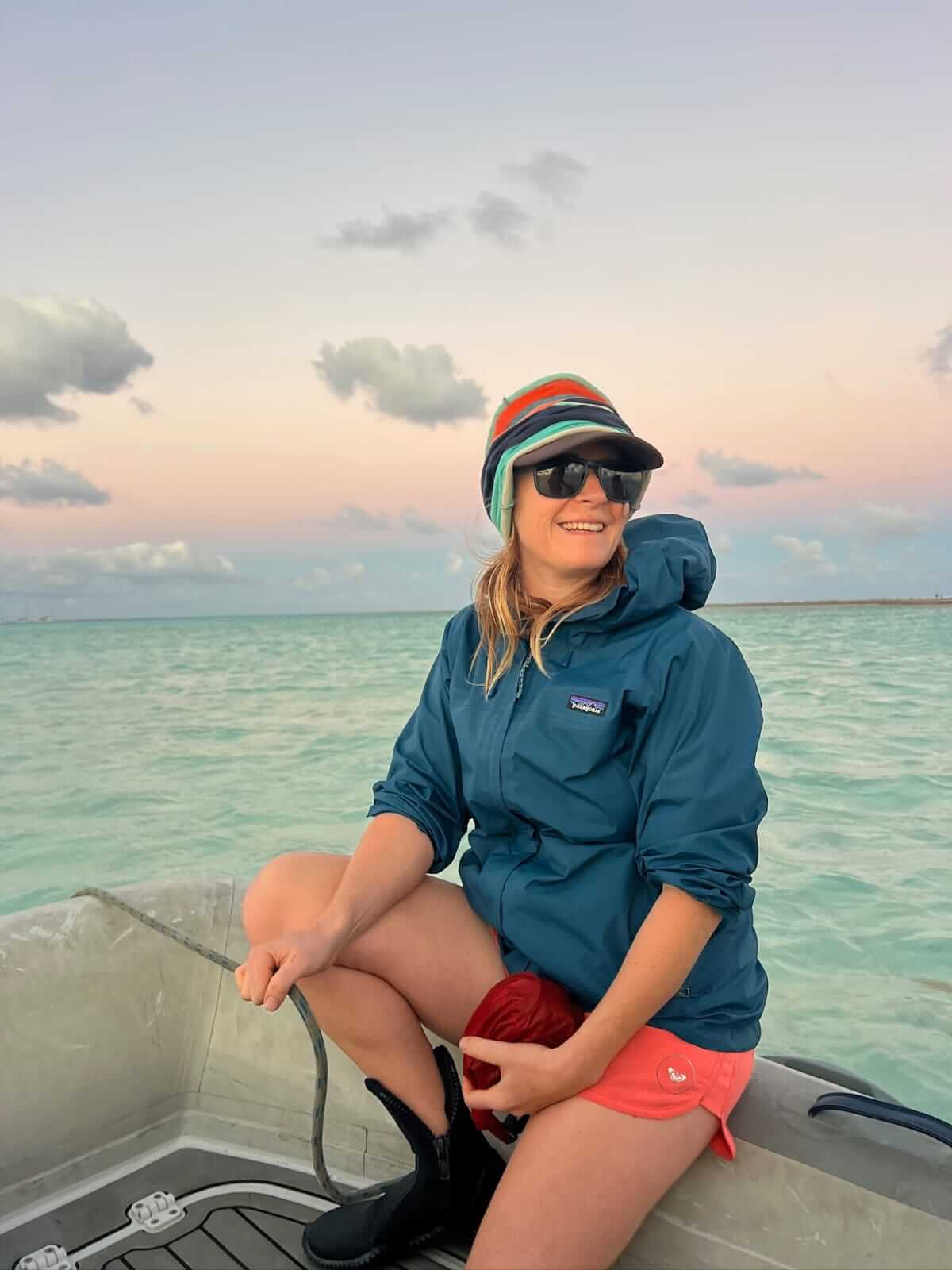
From June 13th to July 8th, 2026, Lydia Green from Manta Watch Aotearoa New Zealand joined DISCOVERY Yacht FREERANGER for a 25-day Scientist-Led Expedition focused on better understanding the migration of Aotearoa’s oceanic manta rays into the Southwest Pacific. Her time aboard included preparation and planning in New Zealand, the offshore expedition itself, and several days in Fiji following arrival to complete surveys, connect with regional partners and wrap up the expedition.
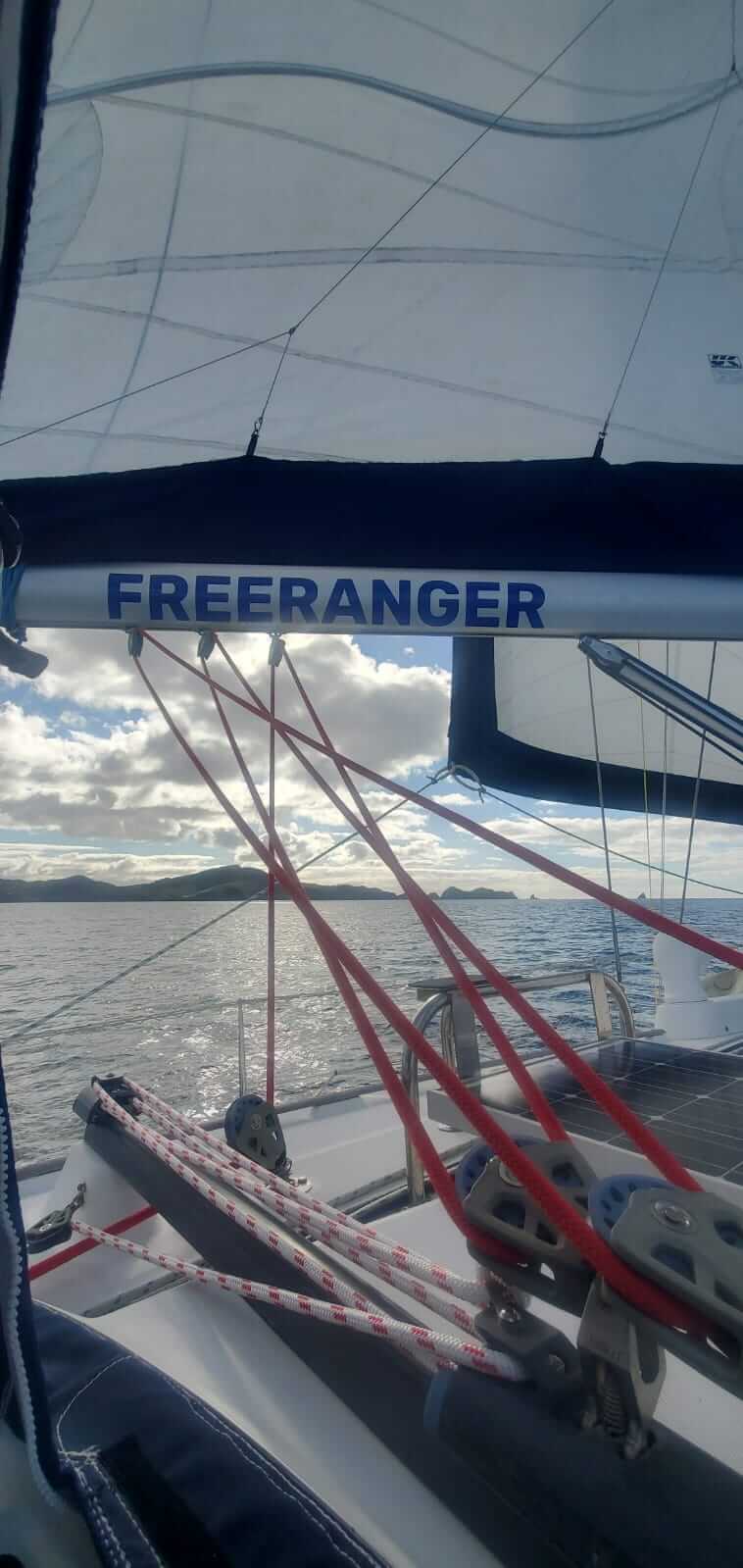
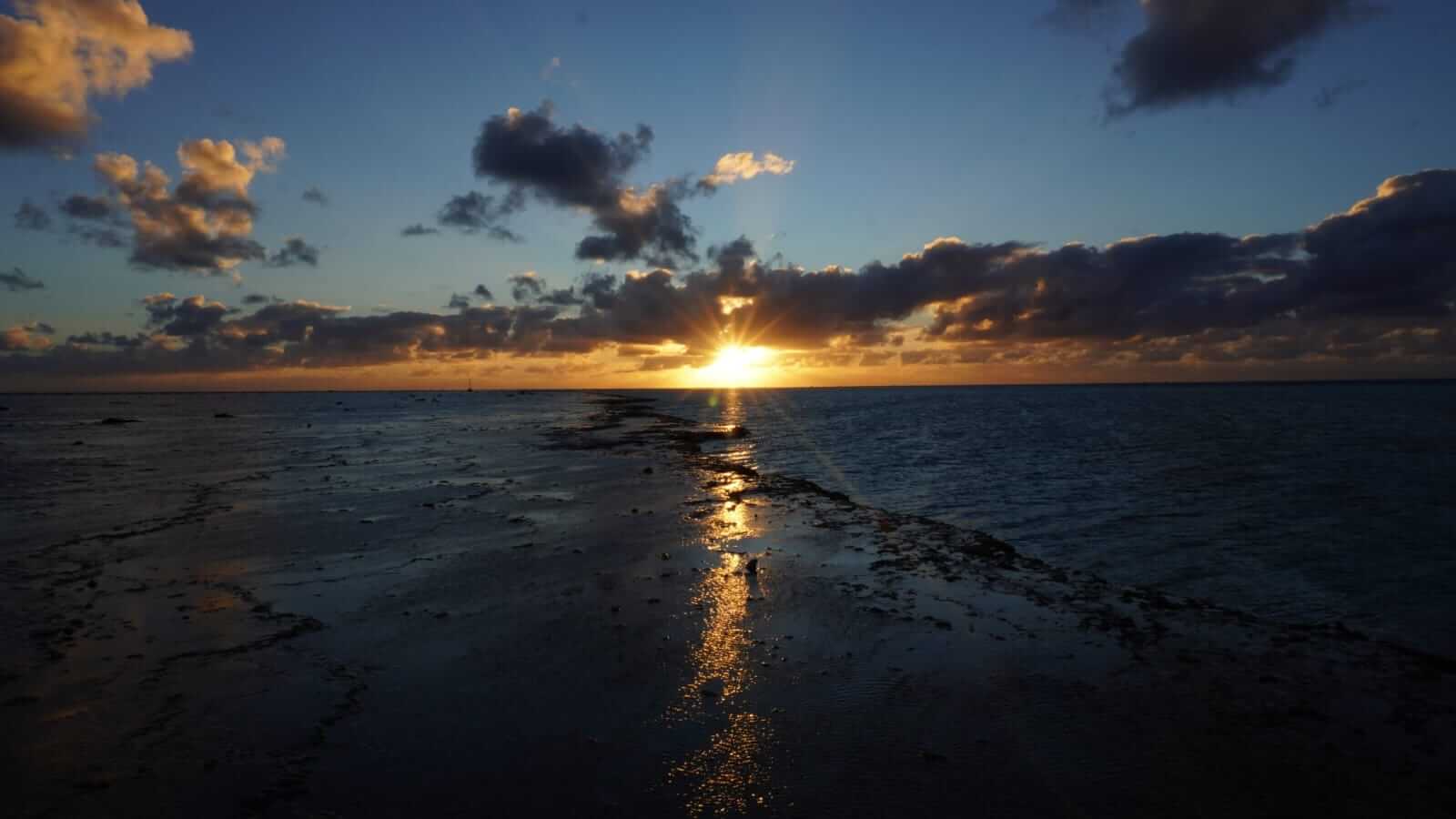
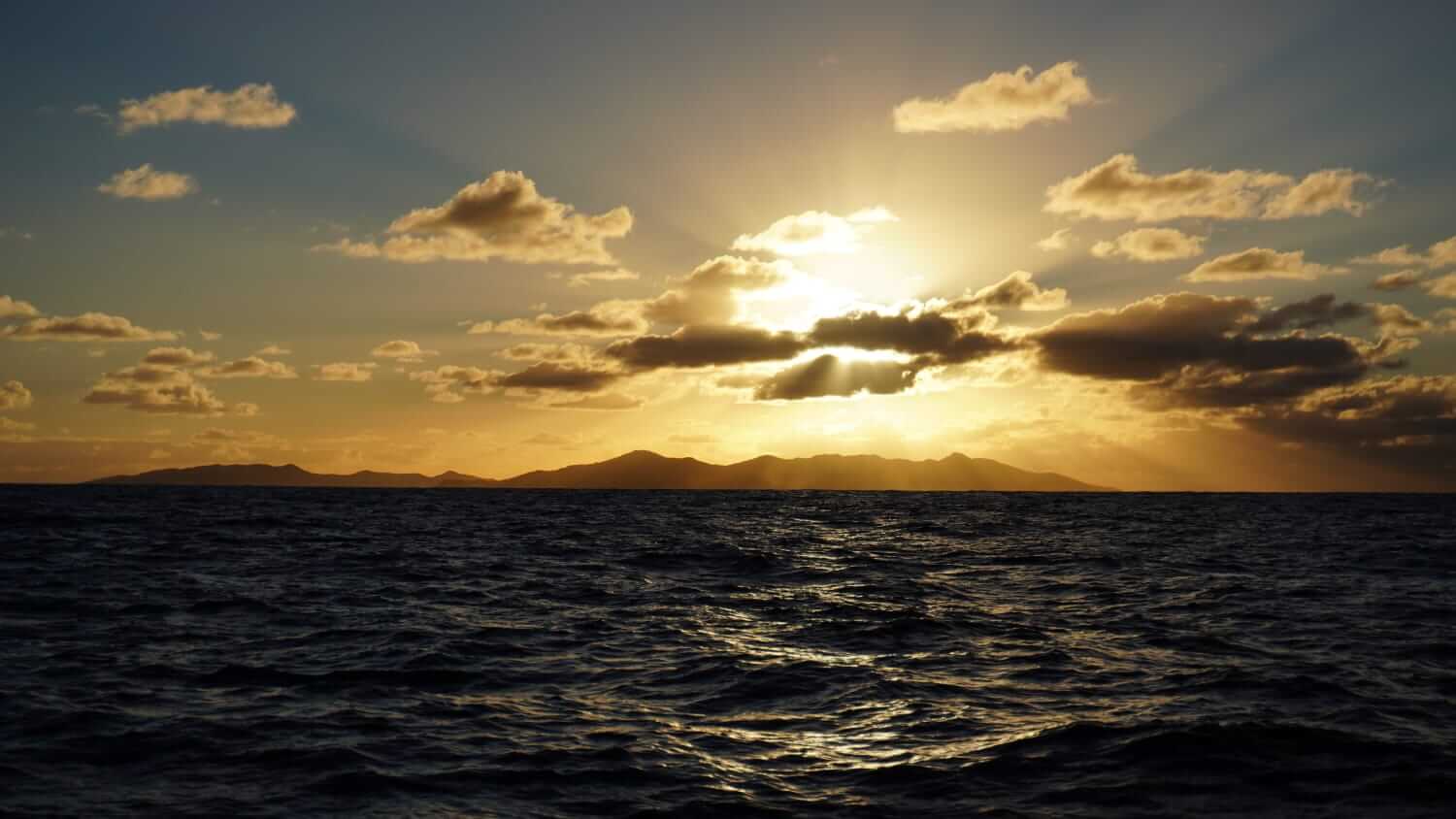
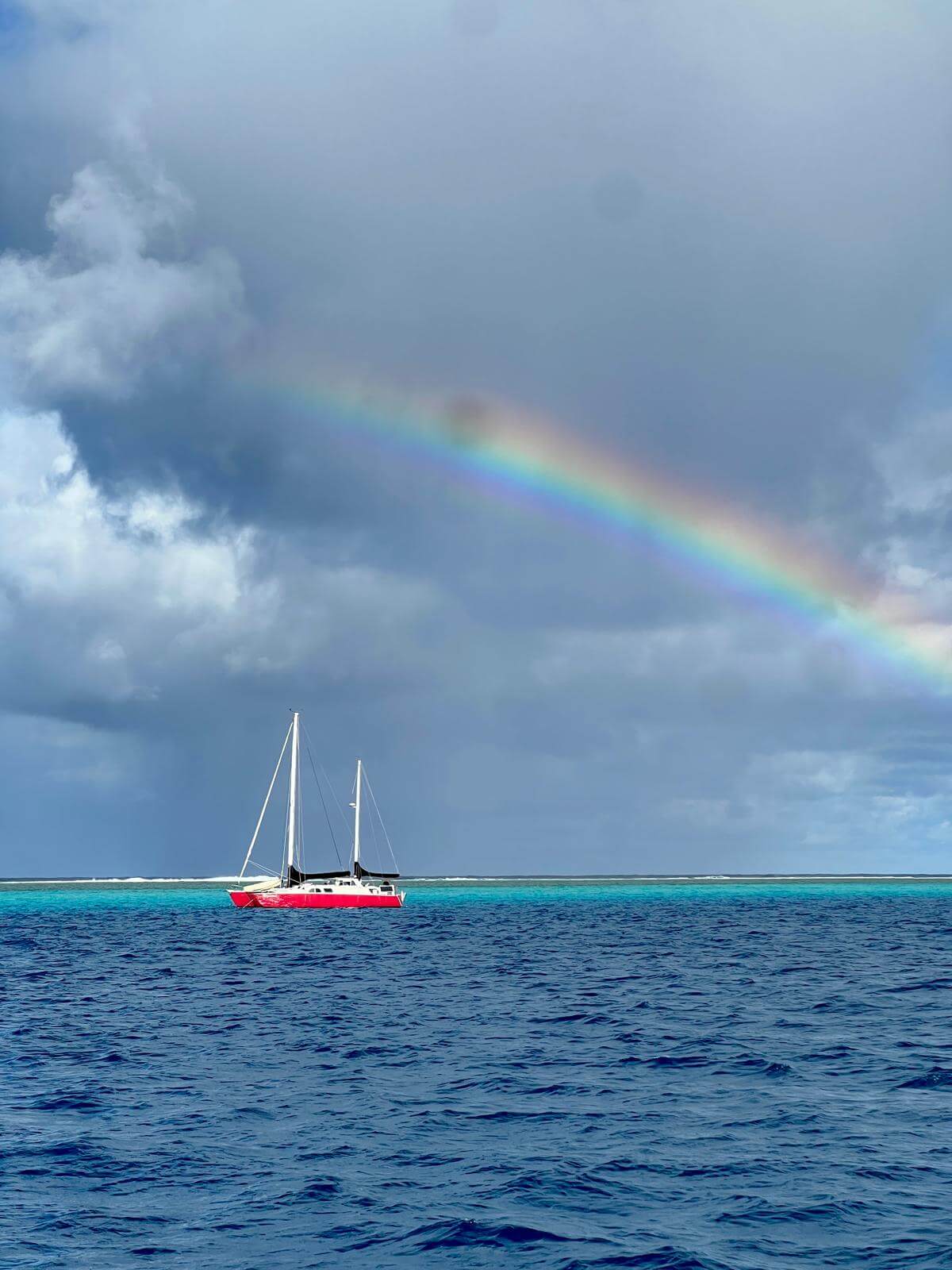
The main passage took place over 12 days, covering 1,384 nautical miles from Opua, New Zealand to Savusavu, Fiji, with three nights spent at North Minerva Reef along the way. Rather than meeting the mantas at a known aggregation area, the expedition followed part of their known migration pathway into the tropical Pacific, giving the team an opportunity to better understand the realities of monitoring these highly mobile animals once they leave New Zealand waters.
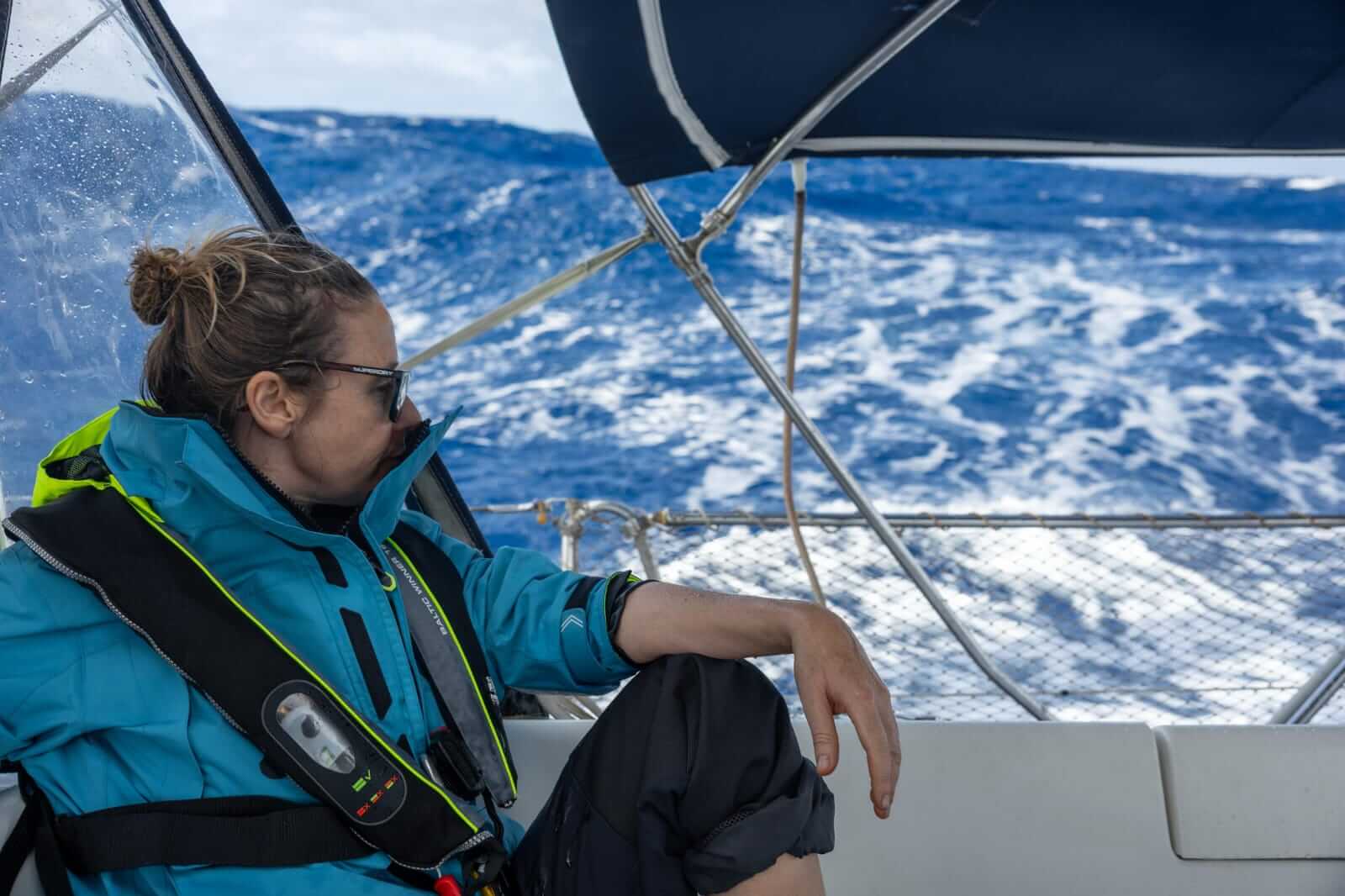
Conditions during the offshore passage were challenging, including several days of four to six metre swells, which limited opportunities for visual manta surveys. However, the journey highlighted another important opportunity for future monitoring: the wider cruising community. Each year, sailing vessels make similar seasonal passages between New Zealand and Pacific Island nations, placing them in areas where observations of marine life, fishing vessels and fishing activity could help build a clearer picture of what is happening along the mantas’ migration route.
FREERANGER also supported additional citizen science throughout the passage, completing 30 environmental DNA sampling tows for Citizens of the Sea. These samples will contribute biodiversity information from remote areas of the Pacific where scientific data remains limited.
After arriving in Fiji, Lydia connected with the Manta Project Fiji team to exchange knowledge and carry out additional manta surveys around Suva. This provided an opportunity to connect work being undertaken in New Zealand with teams studying mantas further north in their range and strengthen collaboration across the Southwest Pacific.
Location
New Zealand and Fiji
Duration of Project
25 Days
Leadership
Research Team
Lydia Green
Partner Sites
Photo Gallery