

Shark and Sea Turtle Movements in the Central Bahamas
Project Overview:
Beneath The Waves is seeking vessel support to install a new acoustic receiver array in the central Bahamas. Approximately 25 receivers will be positioned across shallow coastal and shelf-edge habitats east of New Providence, between New Providence and Eleuthera.
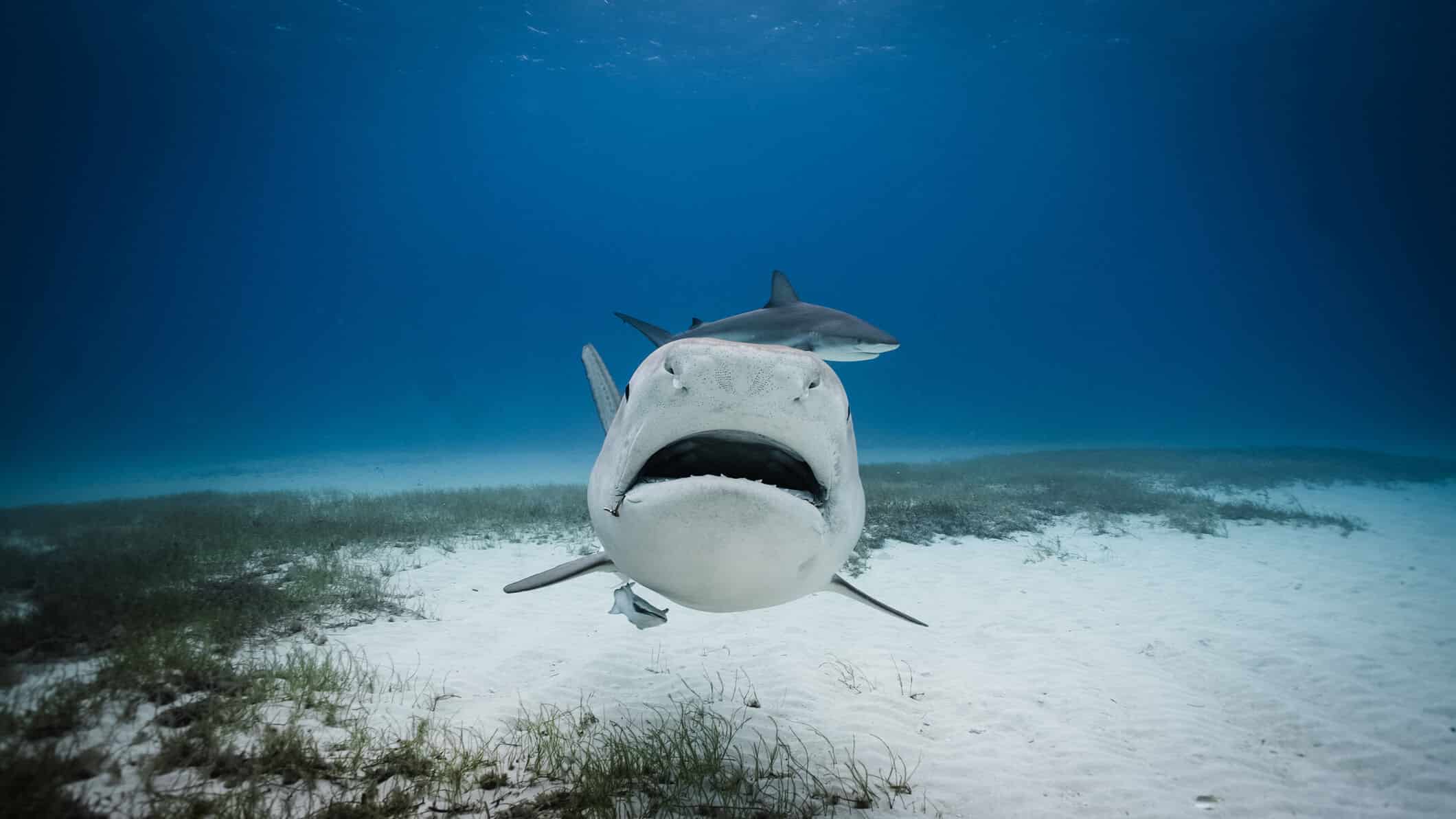
The array will allow researchers to follow the movements of acoustically tagged sharks and green sea turtles as they travel among seagrass beds, coral reefs, sand flats, and the deeper waters of the New Providence Channel. Its dense configuration will provide near-continuous tracking within the study area, helping researchers examine habitat connectivity and interactions among tiger sharks, Caribbean reef sharks, blacknose sharks, and green sea turtles.
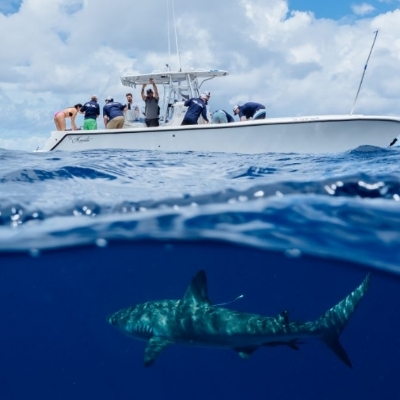
The expedition will primarily focus on installing the receiver array. If installation is completed ahead of schedule, the remaining vessel time will be used to tag additional sharks within the study area.
Program Partners
- Beneath The Waves
- University of The Bahamas
Location
- Nassau, New Providence, The Bahamas, with field operations focused on the remote shelf-edge waters east of New Providence and north of the barrier islands extending toward western Eleuthera.
Expected Time Frame
- November 2026 through January 2027
Duration of Expedition
- One week
Accommodation Needed
- Accommodations for three to four researchers + one SeaKeepers representative
Special Equipment Needed
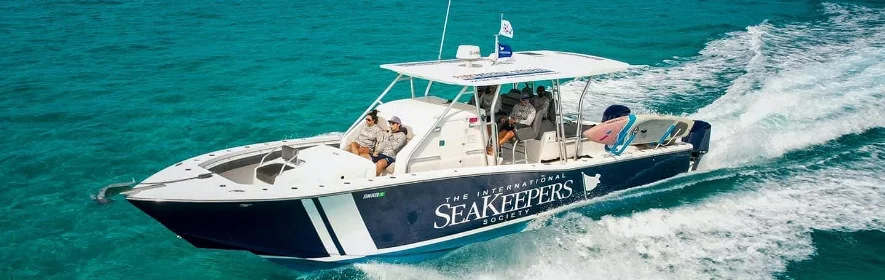
- A swim platform, whether stationary or hydraulic, or another safe and convenient means of entering and exiting the water
- An onboard SCUBA compressor, preferred, or sufficient storage capacity for the required number of SCUBA tanks
- A lazarette or other secure storage compartment for research and diving equipment
- Storage capacity for approximately 25 metal sand screws, each approximately four feet long
- Sufficient working space for preparing acoustic receivers and supporting daily dive operations
Expedition parameters listed above are flexible and negotiable.
Background:
Beneath The Waves has studied large, mobile shark species in The Bahamas for more than a decade. Its previous research includes a five-year acoustic telemetry project examining the habitat use and residency patterns of sharks occupying the coastal waters of New Providence and Great Exuma.
That work revealed species-specific patterns in habitat use and movement across broad areas and highlighted the ecological importance of tiger sharks as both apex predators and connectors among coastal ecosystems. However, the previous receiver arrays covered relatively large geographic areas and contained gaps between individual receivers. They were also located near populated areas and major tourism destinations, where human activity may influence animal movements and behavior.
The new array will be installed in a more remote area east of New Providence. Approximately 25 receivers will be placed in a dense, gridded configuration spanning seagrass, coral reef, sand flat, and shelf-edge habitats. This design will allow researchers to observe shark and sea turtle movements at a much finer scale and investigate how animals move between shallow coastal ecosystems and the deeper waters of the New Providence Channel.
The project is led by Dr. Brendan Shea of Beneath The Waves and builds upon the organizationโs longstanding shark research in The Bahamas.
Mission:
The mission of this project is to improve understanding of how sharks and green sea turtles move through and interact within the connected coastal habitats of the central Bahamas.
The primary objectives include:
- Installing approximately 25 acoustic receivers in shallow coastal and shelf-edge waters east of New Providence
- Creating a densely spaced array capable of providing near-continuous tracking of tagged animals within the study area
- Examining habitat connectivity among seagrass beds, coral reefs, sand flats, and the deeper waters of the New Providence Channel
- Documenting the movements and habitat use of tiger sharks, Caribbean reef sharks, blacknose sharks, and green sea turtles
- Investigating how the presence and behavior of tiger sharks may affect reef-associated sharks and resident green sea turtles
- Improving understanding of interactions within and among species at a finer spatial scale
- Deploying shallow-water receivers on SCUBA using approximately four-foot metal sand screws
- Deploying deep-water receivers from the vessel at the shelf edge
- Tagging additional sharks if receiver installation is completed ahead of schedule
- Generating movement data that can support future student-led research through the Bahamas Ocean Science Fellowship program
RESEARCH ACTIVITIES
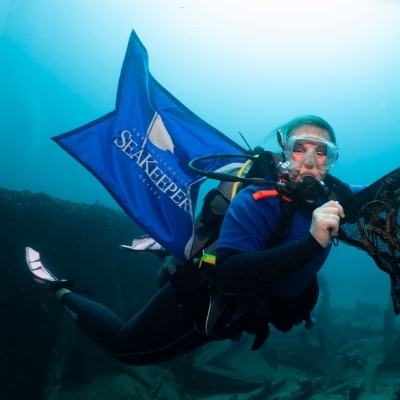
Most receivers will be installed by researchers on SCUBA in approximately 15 to 35 feet of water. Each shallow-water receiver will be secured to an approximately four-foot metal sand screw installed in the seafloor.
Additional receivers will be deployed in deeper water along the shelf edge. These units will be lowered from the vessel to the seafloor and will not require researchers to enter the water.
Once operational, the array will detect tagged sharks and green sea turtles as they move through the study area. If the installation progresses more quickly than anticipated, researchers will use the remaining expedition time to tag additional sharks near the new array.
Applications:
The new acoustic array will give researchers a more detailed understanding of how sharks and green sea turtles use connected coastal and deep-water habitats in the central Bahamas. Its dense configuration will help reveal movements that may not be detected by more widely spaced receivers, including transitions among seagrass beds, coral reefs, sand flats, and the shelf edge.
The data will also help researchers examine interactions among apex predators, reef-associated sharks, and resident green sea turtles. In particular, the project will investigate whether the presence and behavior of tiger sharks influence how other species use the surrounding habitats.
This research is not intended for direct legislative action. However, it will expand the scientific understanding of ecologically important species and habitats within The Bahamas and provide a foundation for future monitoring, conservation planning, and research.
Data collected through the array may also be used by University of The Bahamas students participating in Beneath The Wavesโ Bahamas Ocean Science Fellowship program. Through this year-long program, local students receive training in marine fieldwork and develop individual research projects. Students focusing on shark movement ecology may be granted access to relevant project data for their analyses.
Relevant/Previous Scientific Publication(s):
Program Partners:
Get Involved
If youโre interested in learning more about this specific program opportunity, please reach out to our team below to find out more about this program or get involved in other opportunities with SeaKeepers.
Explore More Opportunities
At-Sea Opportunities
Citizen Science Opportunities
Education Opportunities