
- DISCOVERY Yacht Aqua Lares
Whale Migration and Biodiversity in Svalbard
- July 25 - August 1, 2026
- Svalbard, Norway
Project Overview
I. Humpback Whale Observation with Emily Cunningham and Dr Daniel Moore.
Global humpback whale populations were decimated by industrial whaling, leading to the enforcement of a global ban for all whales in 1986. Over recent years, populations have begun to restore, causing sightings to become more frequent. In 2018, the first UK humpback whale observation for over a century was recorded near Edinburgh, Scotland. Keen to understand where this whale originated from, Cunningham and Moore collaborated with local community groups to collect whale fluke (tail) images to
assess the species distribution in the region. As these fluke patterns are unique, Cunningham and Moore were able to non-invasively track this individual, named VYking, to uncover that it originated from Svalbard, rather than traditionally known Icelandic feeding grounds. This discovery suggests that this Arctic habitat is favored by UK humpback whales – a previously unknown connection. Cunningham and
Moore published this research in a paper in 2019, titled Sudden seasonal occurrence of humpback whales Megaptera novaeangliae in the Firth of Forth, Scotland, and first confirmed movement between high latitude feeding grounds and United Kingdom waters (linked here). Although this was a significant discovery, little is known about the extent of this connection, as high-quality photographic resources are limited.
II. Environmental DNA Analysis with Dr. Maria Saggiomo and Dr. Roberta Piredda
The Arctic is at the forefront of climate change, warming at a rate three times faster than any other region on Earth due to Arctic Amplification. This rapid rate of environmental change is significantly impacting the region’s ecosystems, both on land and at sea, for example by reducing the availability of suitable habitats for feeding and hunting, forcing species to rapidly adapt in order to survive. Throughout the global oceans, whales are key indicators of ocean health, as they are sensitive to environmental change and play a vital role in the marine food web. As such, their presence, behaviors and organismal health clearly depict the state of the ecosystem and surrounding marine environment. In particular, fin whales annually undertake large-scale migrations from southern equatorial waters to their favored Arctic feeding grounds in Svalbard. However, in recent years, the timing of their journeys has shifted. Researchers are therefore keen to better understand the factors influencing this shift, and how these marine mammal sentinels are responding to climate change, to ensure their continued use as effective ocean health indicators.
Application
I. Humpback Whale Observation with Emily Cunningham and Dr Daniel Moore.
Cunningham and Moore are aiming to address this knowledge gap as part of the Polar Expedition aboard Aqua Lares by collecting valuable photo-identification data. Their primary scientific objective is to use these images to compare their humpback whale sightings in Svalbard with those previously recorded in the UK by cross-referencing their new images with existing catalogues, including Happy Whale (linked here), and additional datasets held by collaborating researchers. In parallel, the project aims to support broader research efforts, including those led by local scientists, by ensuring that all data collected are made openly accessible and freely available for reuse. All photographic and associated metadata will be uploaded to Happy Whale, which will serve as the principal data-sharing platform. All collected data will be made openly accessible and freely available for use to support broader research efforts. This study aims to conclusively determine whether Svalbard is a favored feeding ground for UK humpback whales, justifying the importance of that original sighting.
II. Environmental DNA Analysis with Dr. Maria Saggiomo and Dr. Roberta Piredda
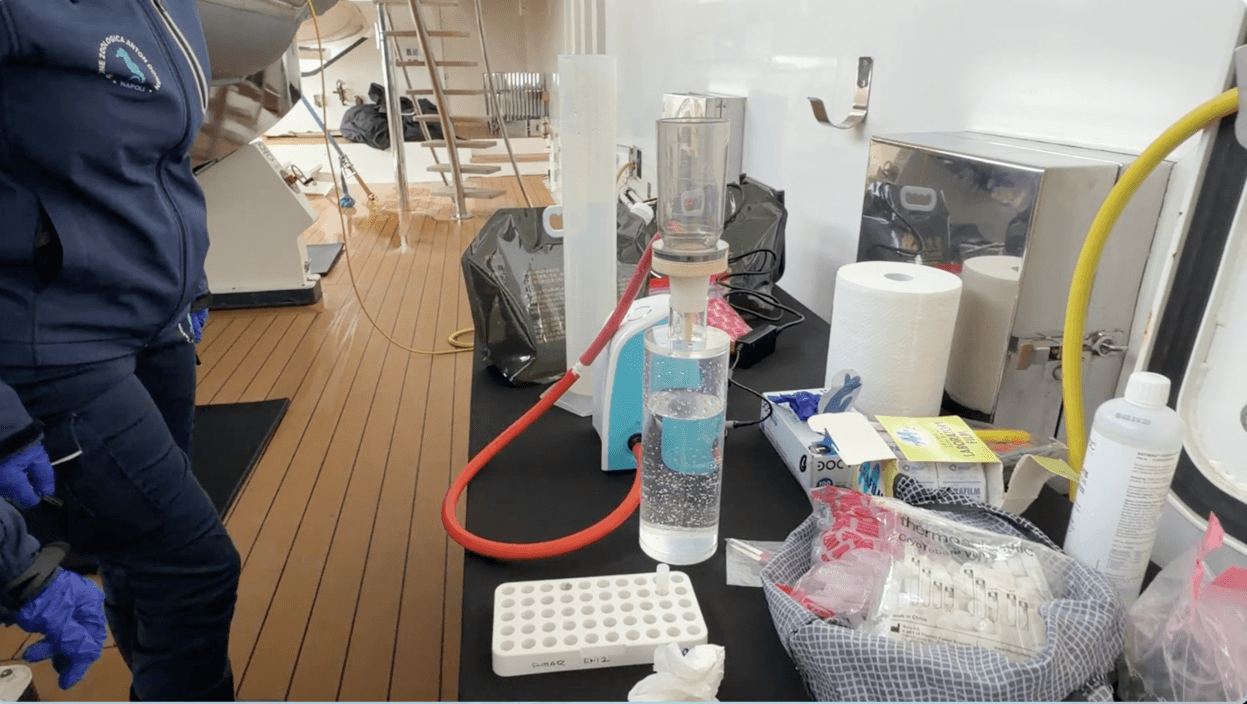
Through her ongoing Arctic research, Saggiomo’s research aims to carry out preliminary evaluations of the impact of current changes and oceanographic and trophic variables on the occurrence, migration, behavior and feeding strategies of fin whales in Svalbard (particularly Kongsfjorden) and model their potential short-term responses to environmental shifts in the region. The main objective of this study aboard Aqua Lares is to trace the presence of whales through eDNA analysis and reconstruct the biodiversity of the upper water column in Svalbard, to better understand changes in their feeding behaviors and the composition of prey populations in the region.
Expedition Summary
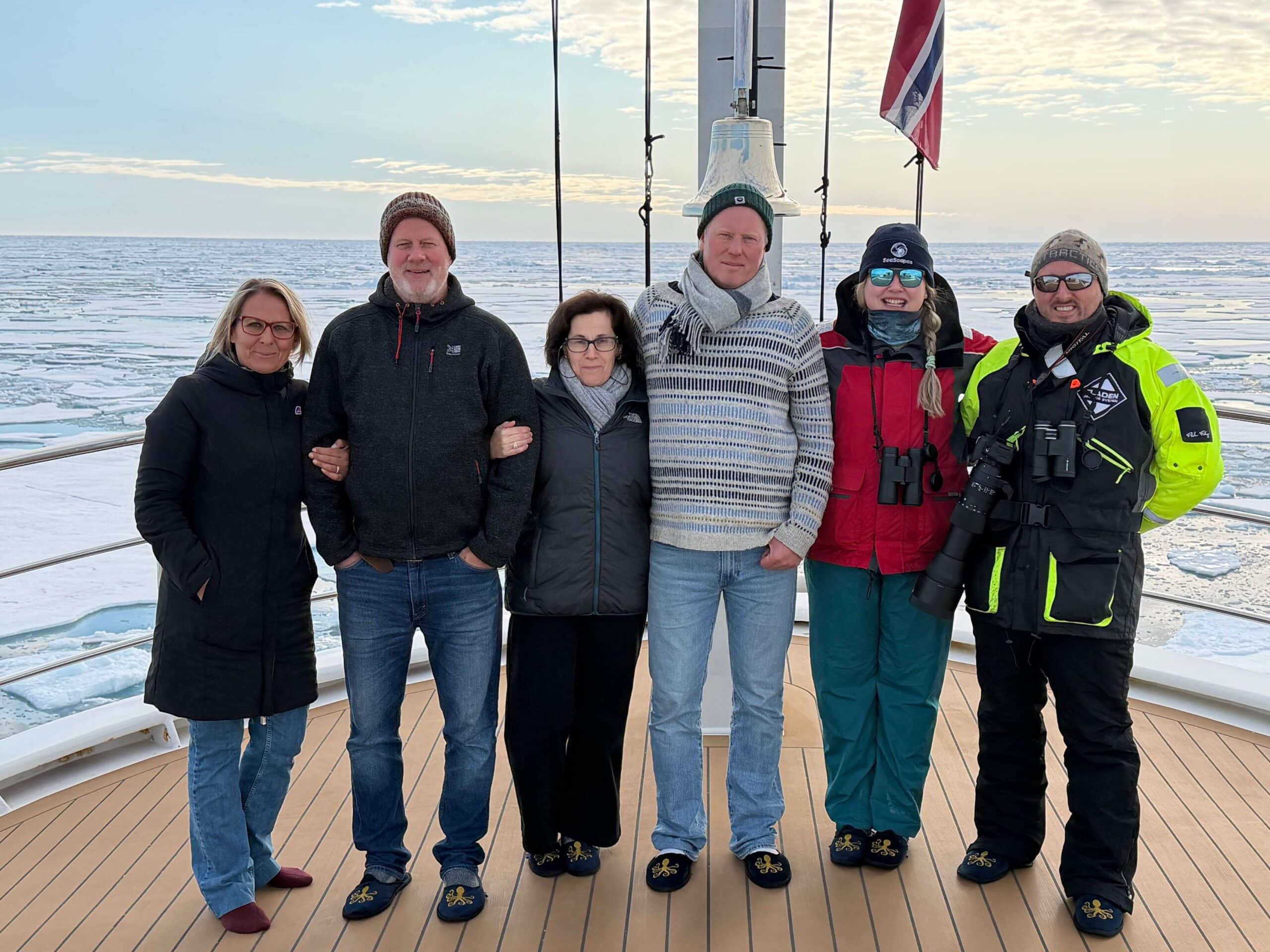
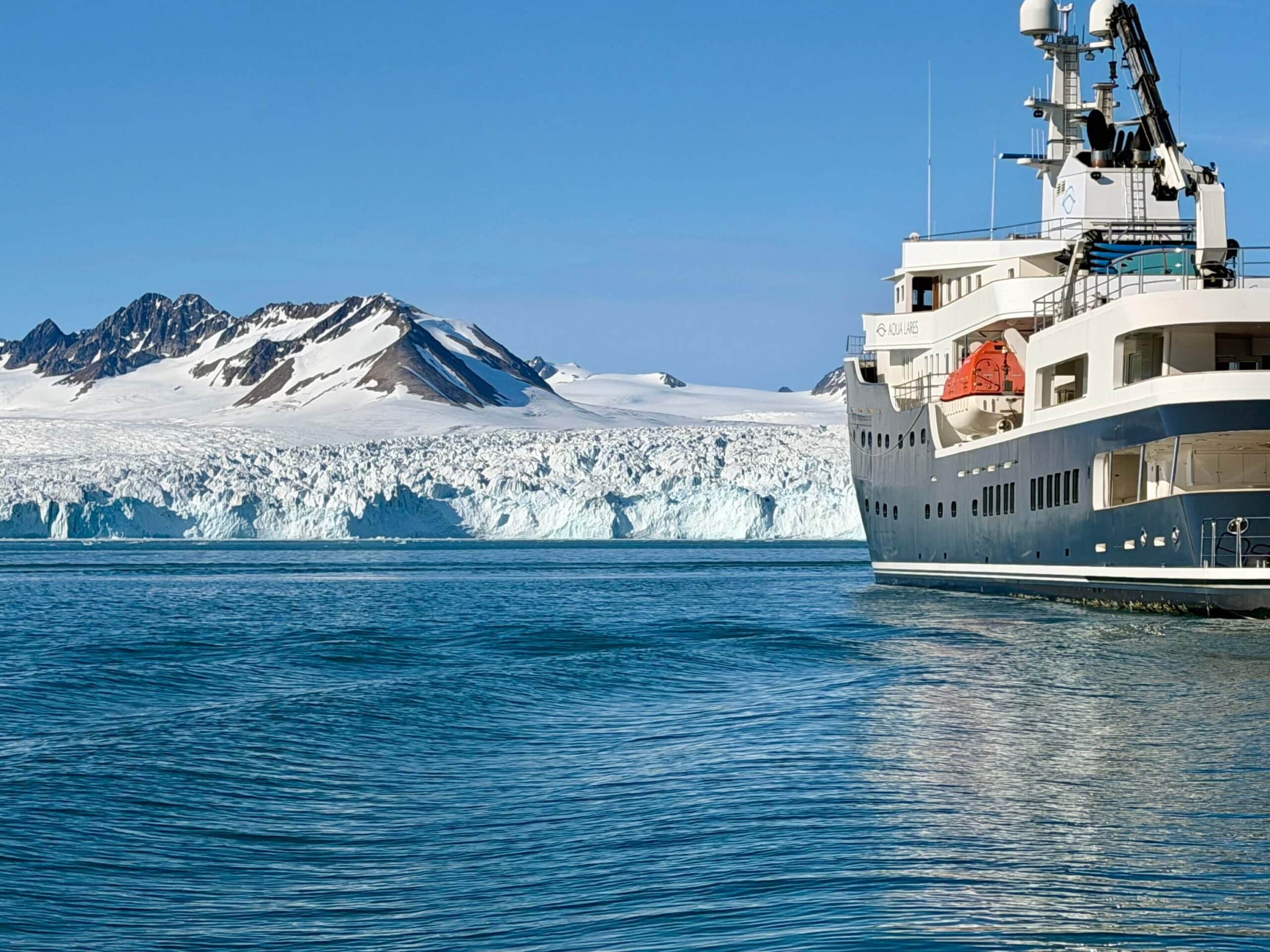
From July 25th – August 1st, 2026, The International SeaKeepers Society supported a Scientist-Led Expedition aboard DISCOVERY Yacht Aqua Lares in the Arctic archipelago of Svalbard, investigating how changing environmental conditions, may or may not be affecting local biodiversity as well as the migratory patterns of certain species, especially humpback whales.
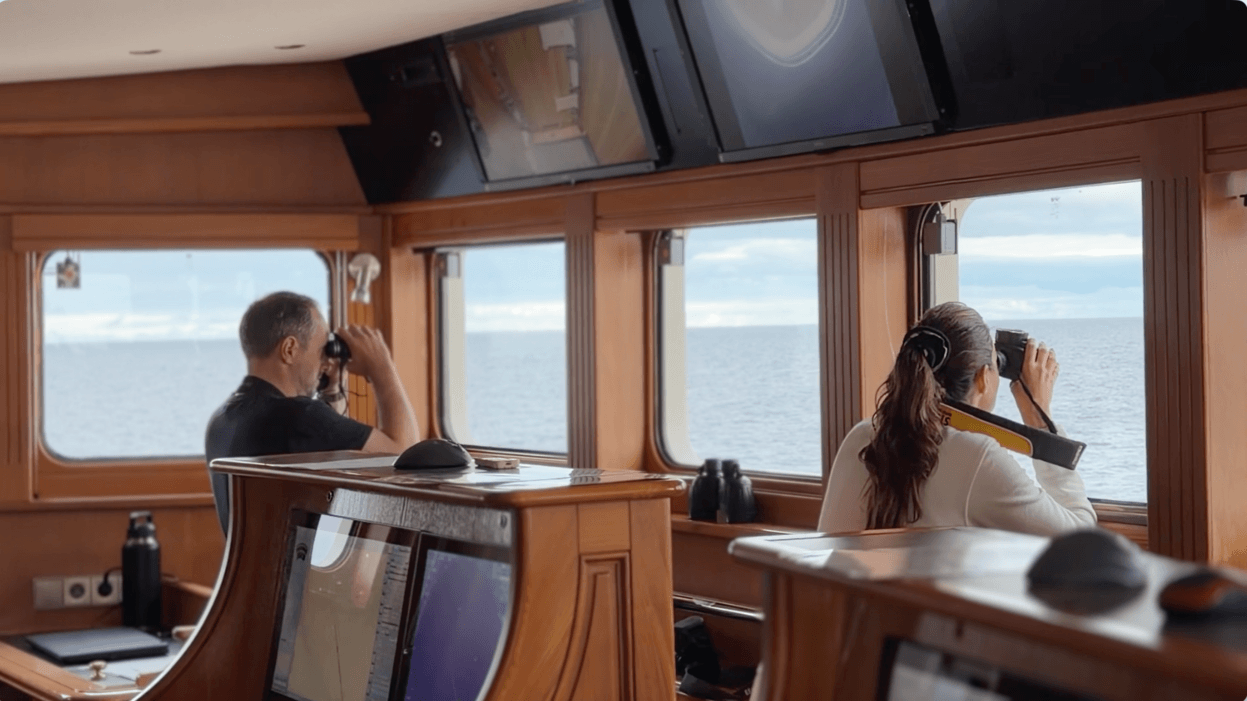
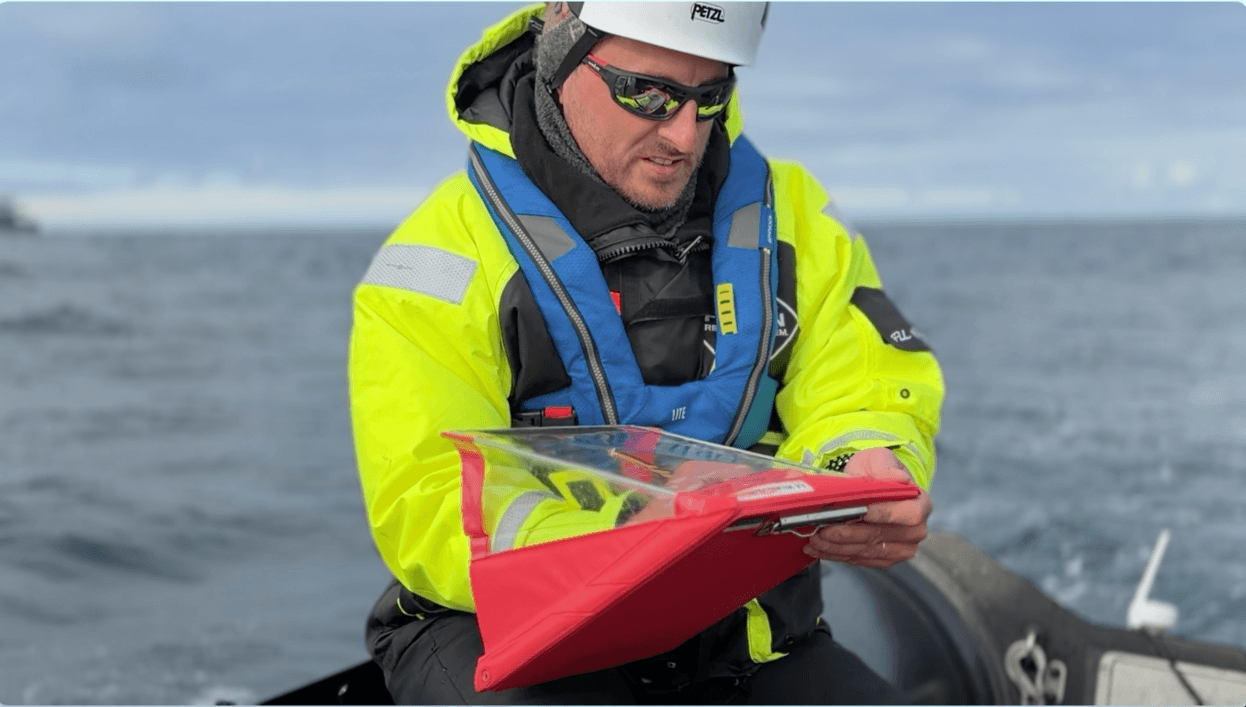
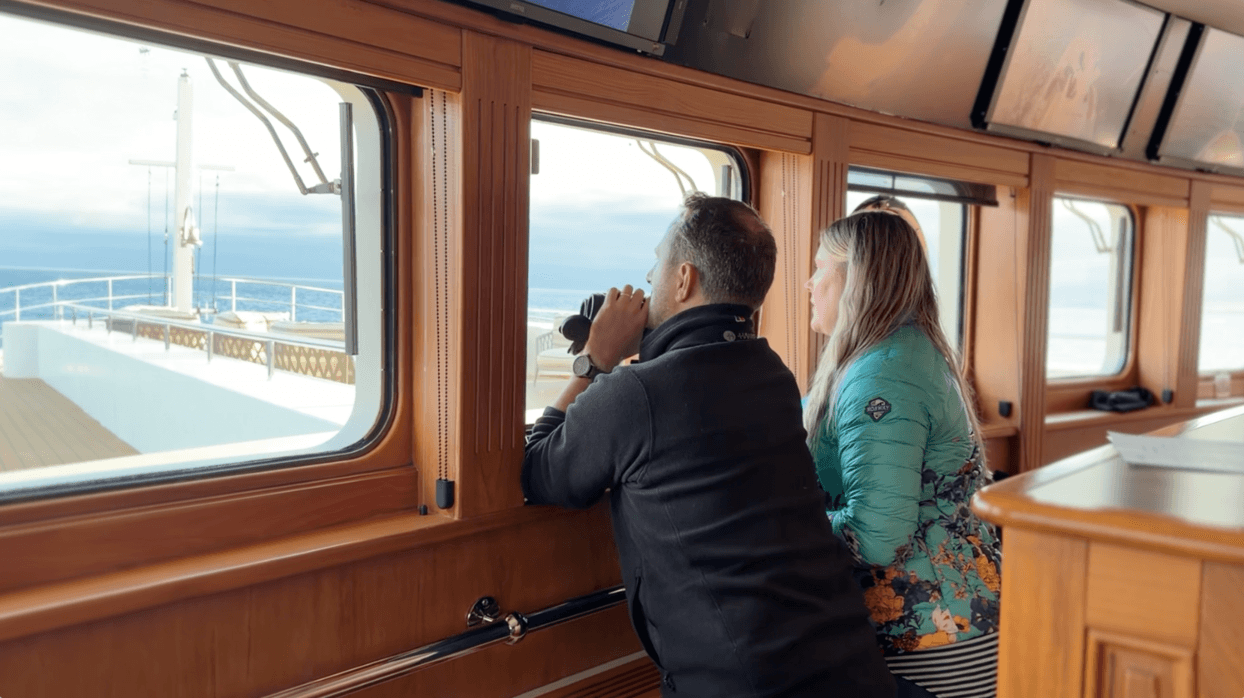
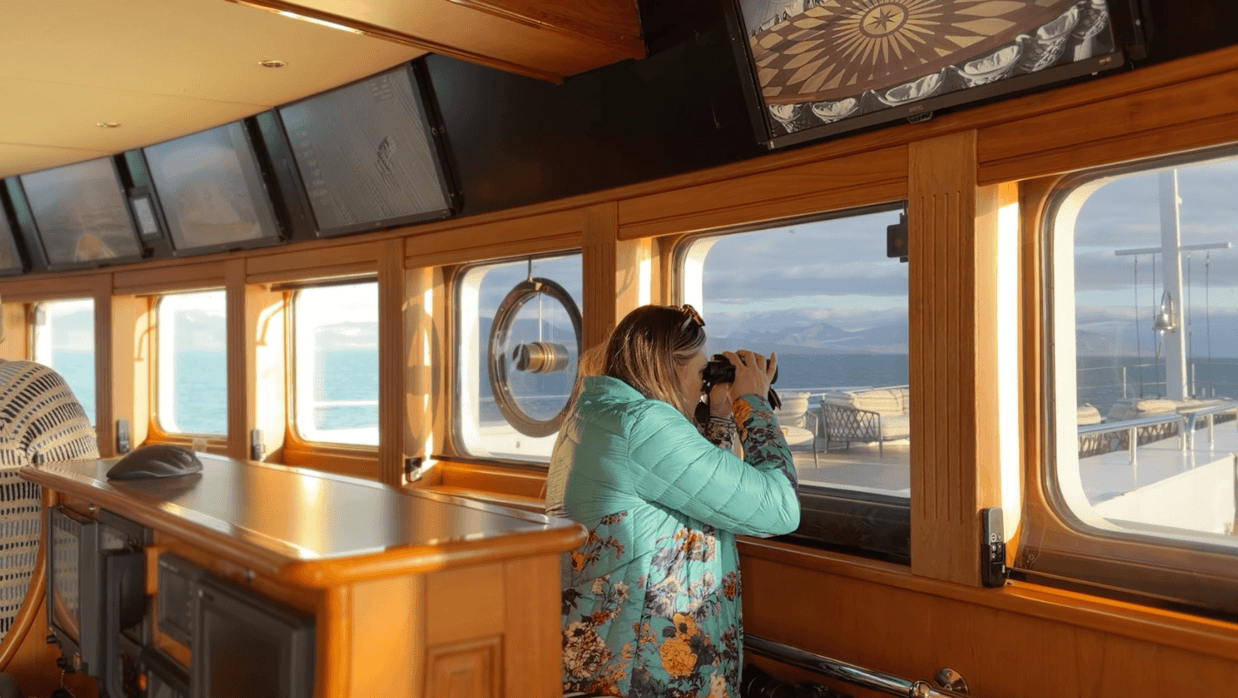
The research team consisted of two teams, working both independently and in conjunction with each other. To investigate their hypothesis, Cunningham and Moore conducted effort-based visual surveys from Aqua Lares throughout the planned expedition route, supplemented by dedicated tender surveys in areas of elevated humpback whale activity or during group sightings. Key survey areas included the waters surrounding Prins Karls Forland, the Isfjorden system, the north-western coast of Spitsbergen, and Hornsund. These visual surveys involved using a digital single-lens reflex (DSLR) camera system to primarily photograph the ventral surface of whale flukes, and secondarily photograph dorsal fins and upper flanks.
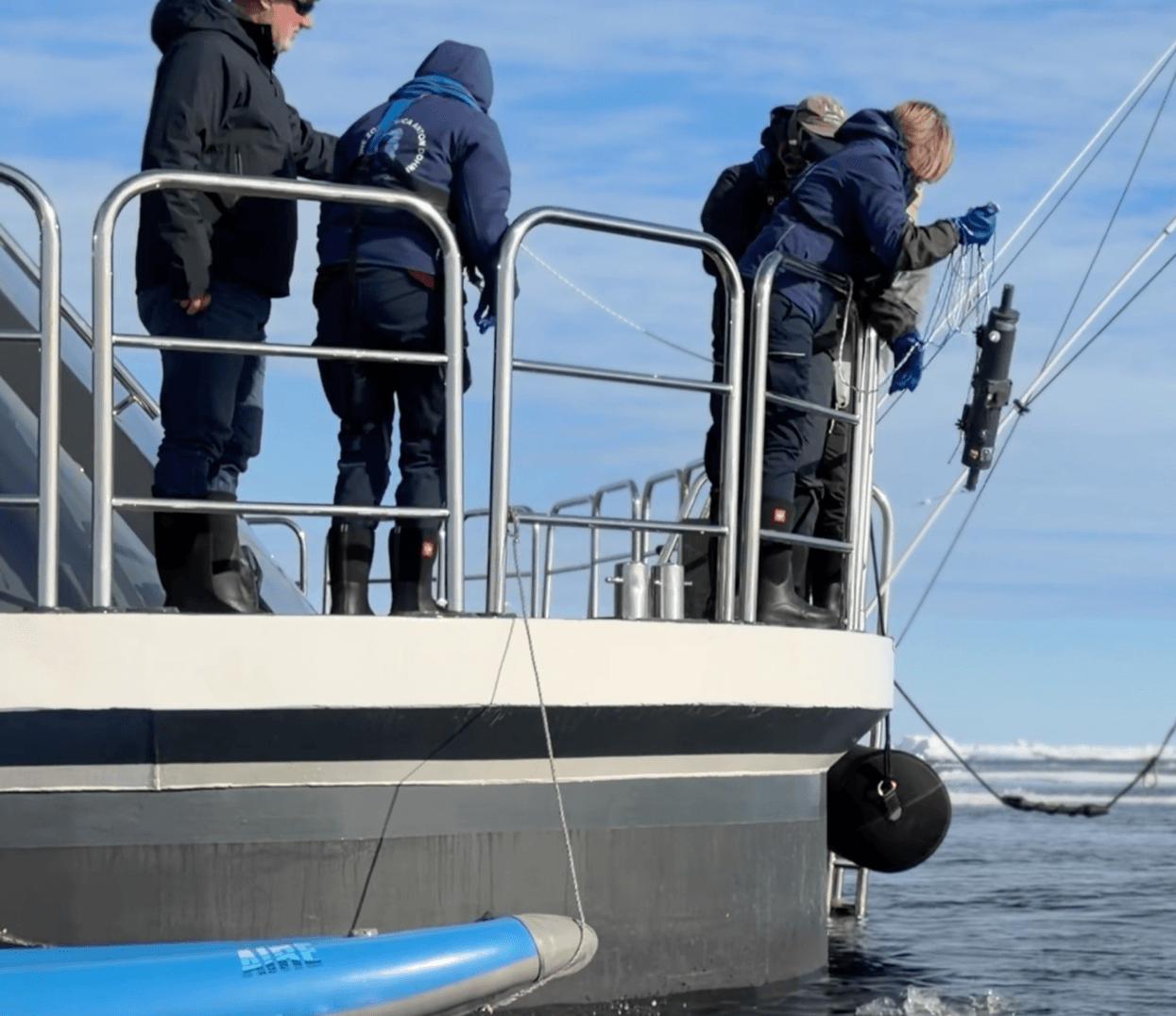
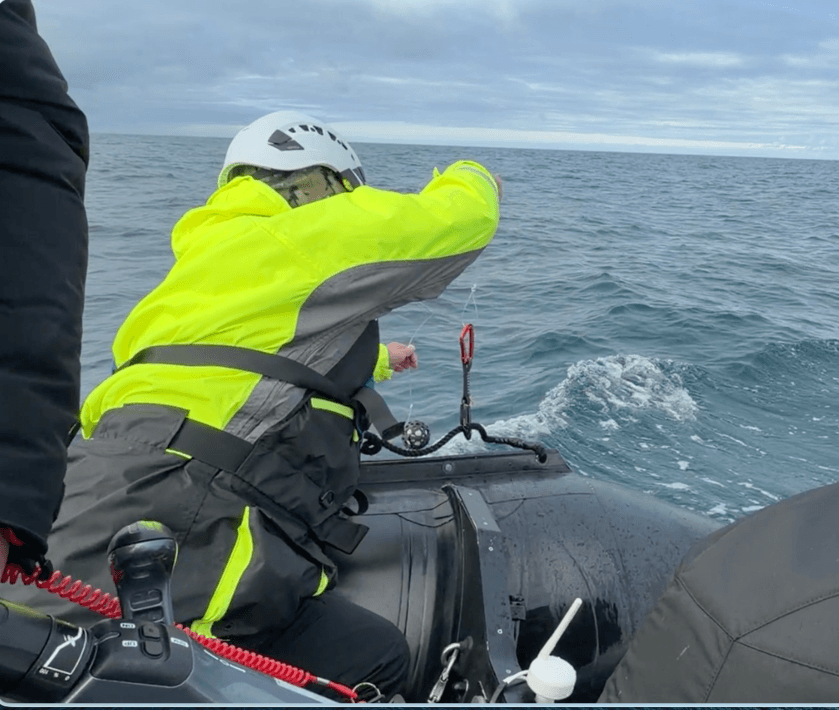
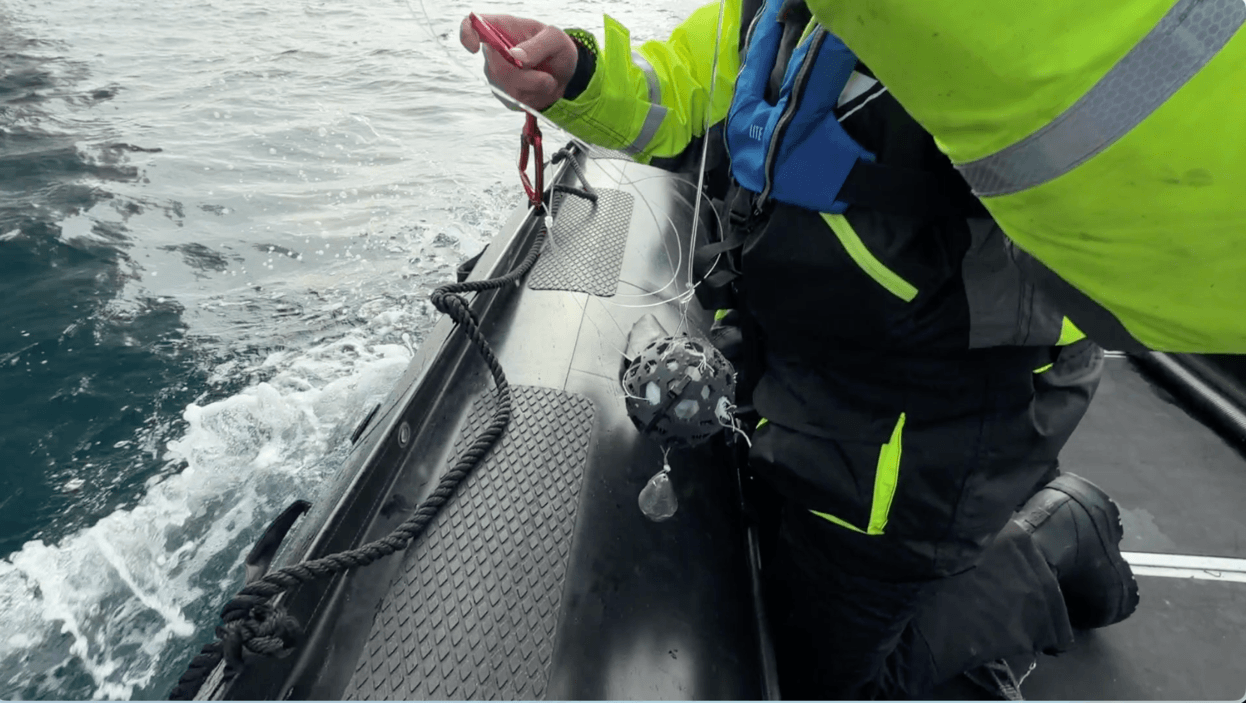
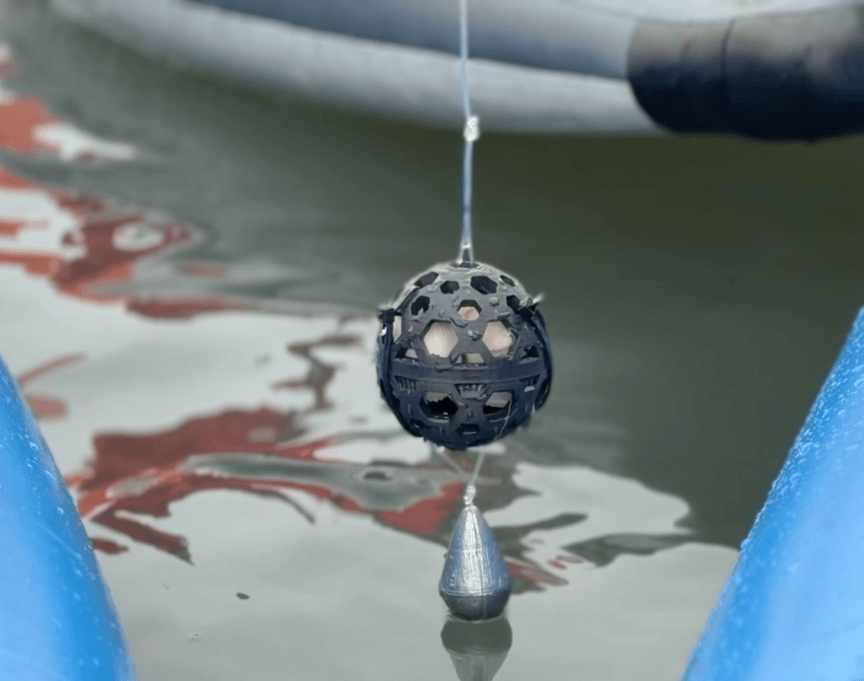
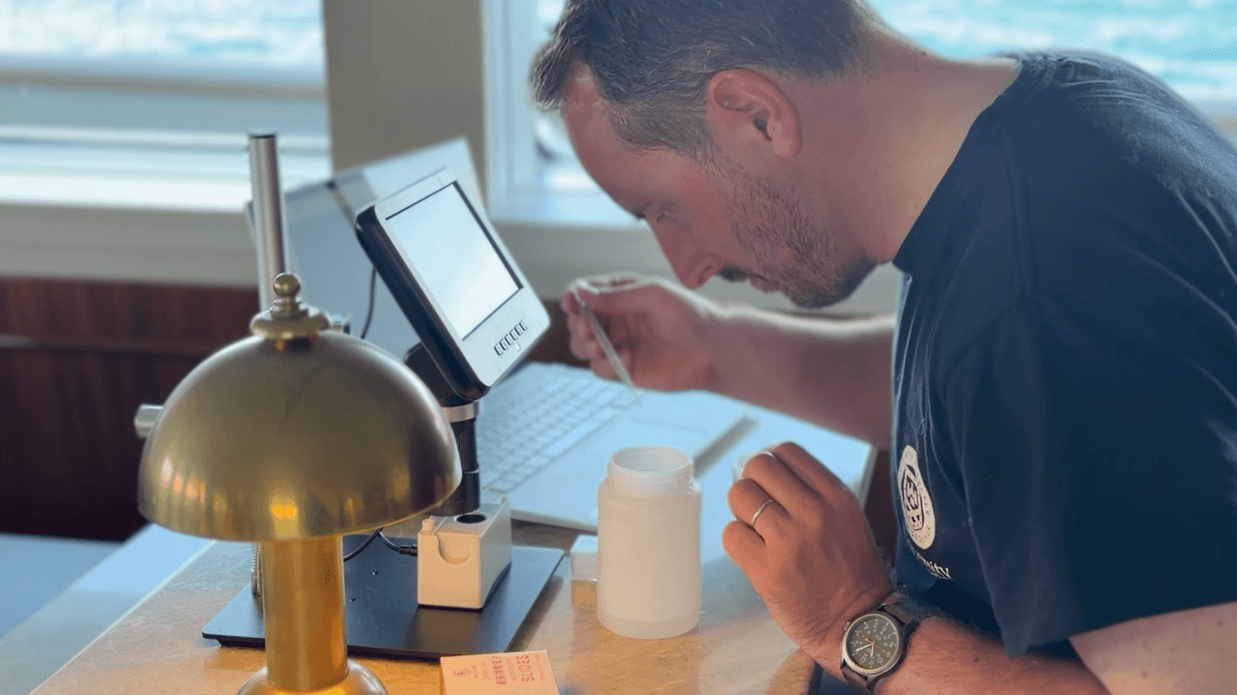
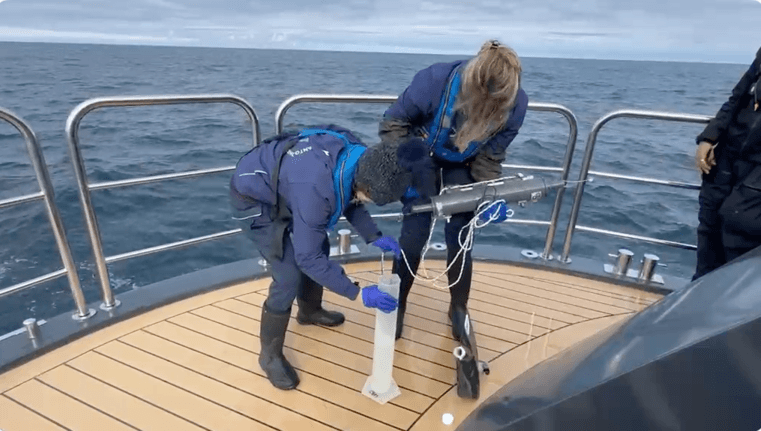
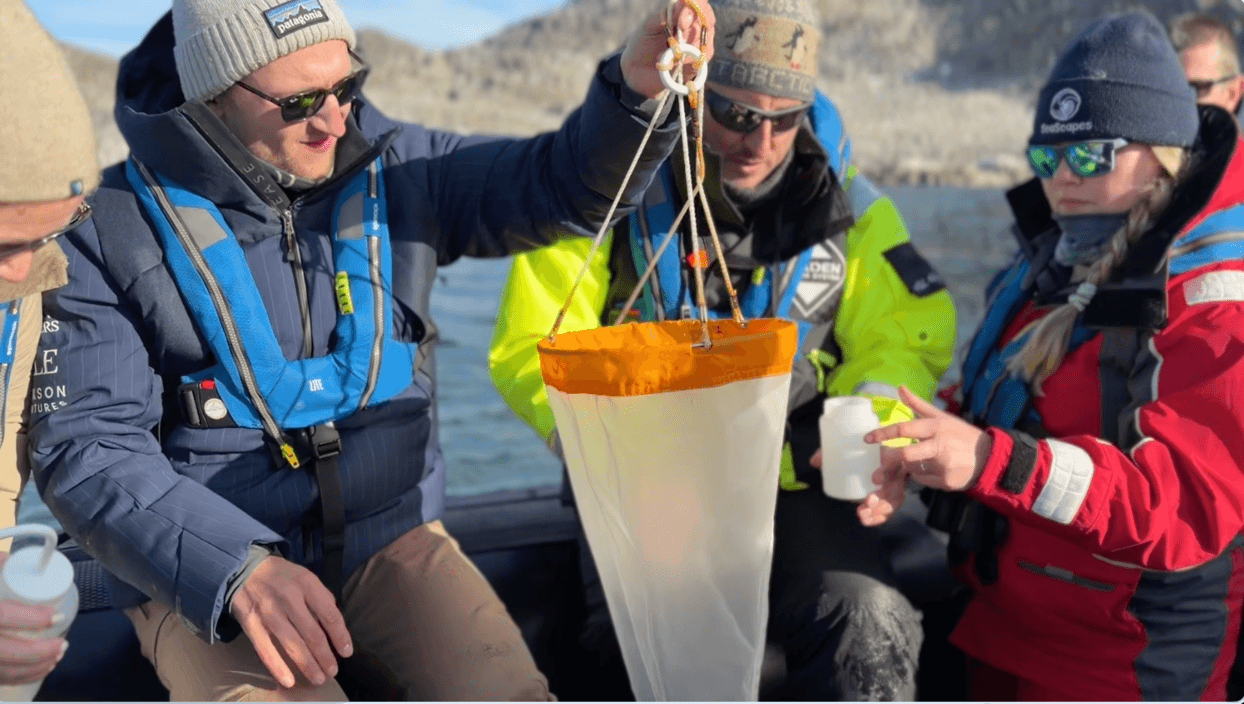
For eDNA collection and analysis, the team employed a Niskin bottle (a cylindrical, non-metallic water-sampling device used in oceanography and limnology to collect uncontaminated seawater from specific depths in the water column) which was deployed from the yacht, as well as metaprobes (3D-printed, spherical devises used to monitor marine biodiversity and fish communities without active water pumping or expensive filtration equipment) which were deployed from kayaks and Zodiac tenders further afield.
Some bullet points summarizing the expedition:
· Target species (humpback whale) not seen so we were not able to do photo-ID / eDNA community sampling
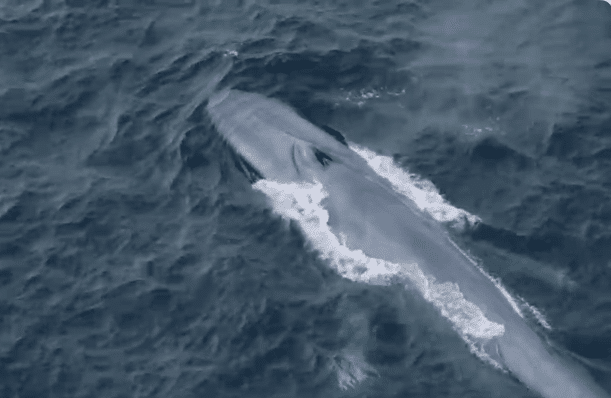
· One opportunistic sampling of eDNA from a blue whale flukeprint was conducted using a metaprobe in support of the eDNA community sampling led by Doctors Piredda and Saggiomo. To the researchers’ knowledge at the time of the expedition, this is the first time this has been done. The sample will be analyzed by Dr. Piredda.
· Other cetacean species observed: bowhead whales, fin whales, and minke whales as well as a blue whale. These observations will be reported into appropriate citizen science schemes, but these had no direct relevance to Emily and Daniel’s research.
Next Steps:
· We await the results from Italy of the metaprobe analysis relating to the blue whale sampling event. Pending these results, we will consider collectively with Mariella and Roberta how best to report this – perhaps a conference poster sharing this opportunistic sampling.
Location
Svalbard, Norway
Duration of Project
This eight-day expedition supported the broader ongoing work of Dr Daniel Moore, Emily Cunningham, MBE, Dr. Maria Saggiomo, and Dr. Roberta Piredda.
Research Team
Dr Daniel Moore – University of Exeter
Emily Cunningham MBE – Honorary Associate Research Fellow, University of Exeter
Dr. Maria Saggiomo – Stazione Zoologica Anton Dohrn, Napoli
Dr. Roberta Piredda – Stazione Zoologica Anton Dohrn, Napoli

Photo Gallery