
37th European Cetacean Society Conference
- April 20 - 24, 2026
- Dundee, Scotland
Event Overview
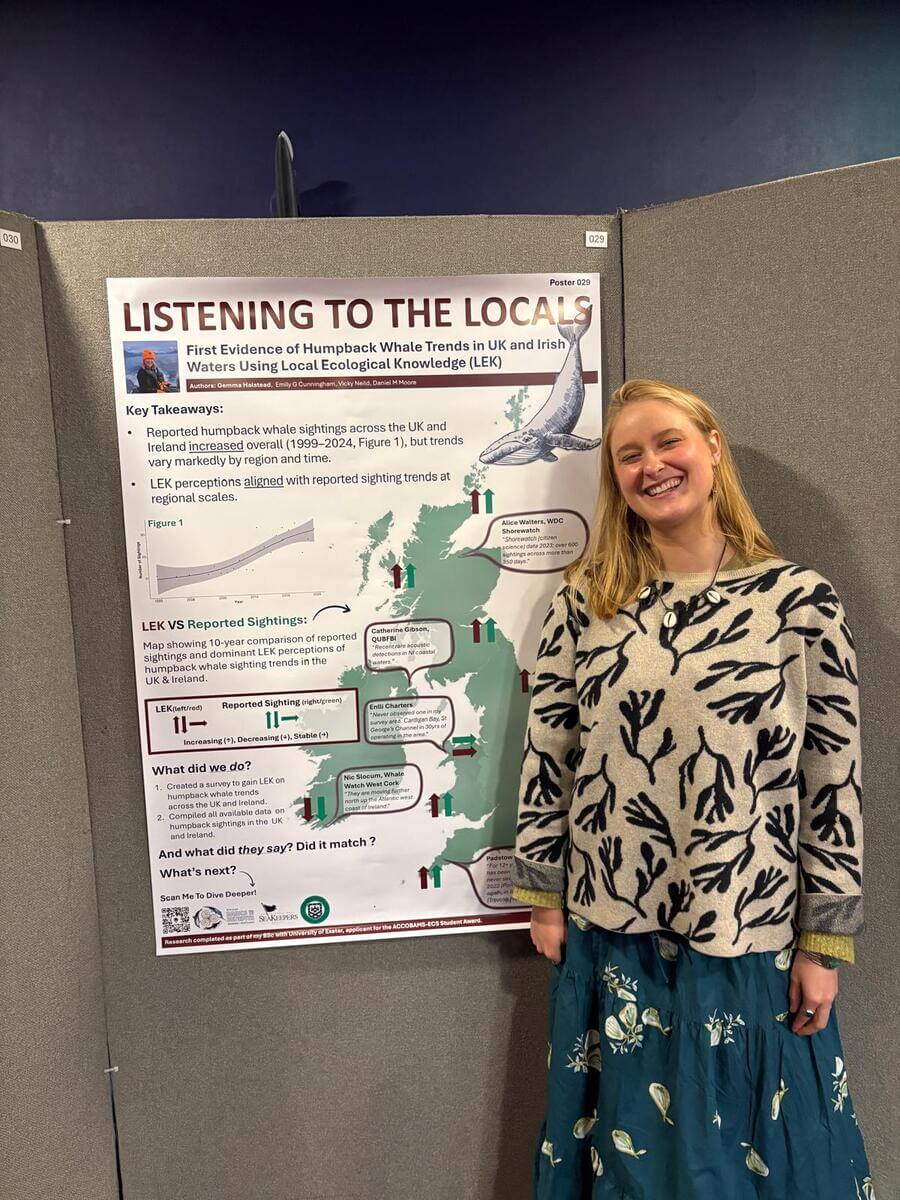
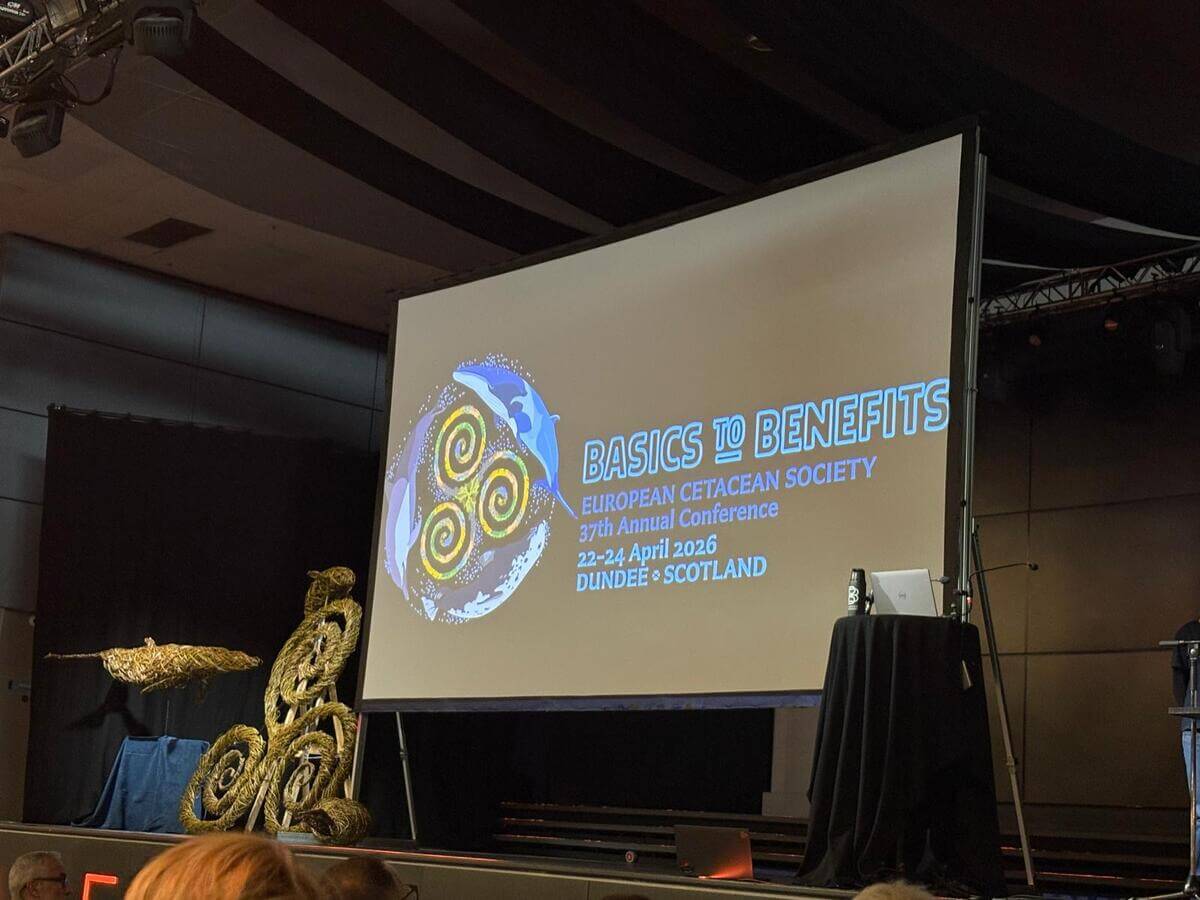
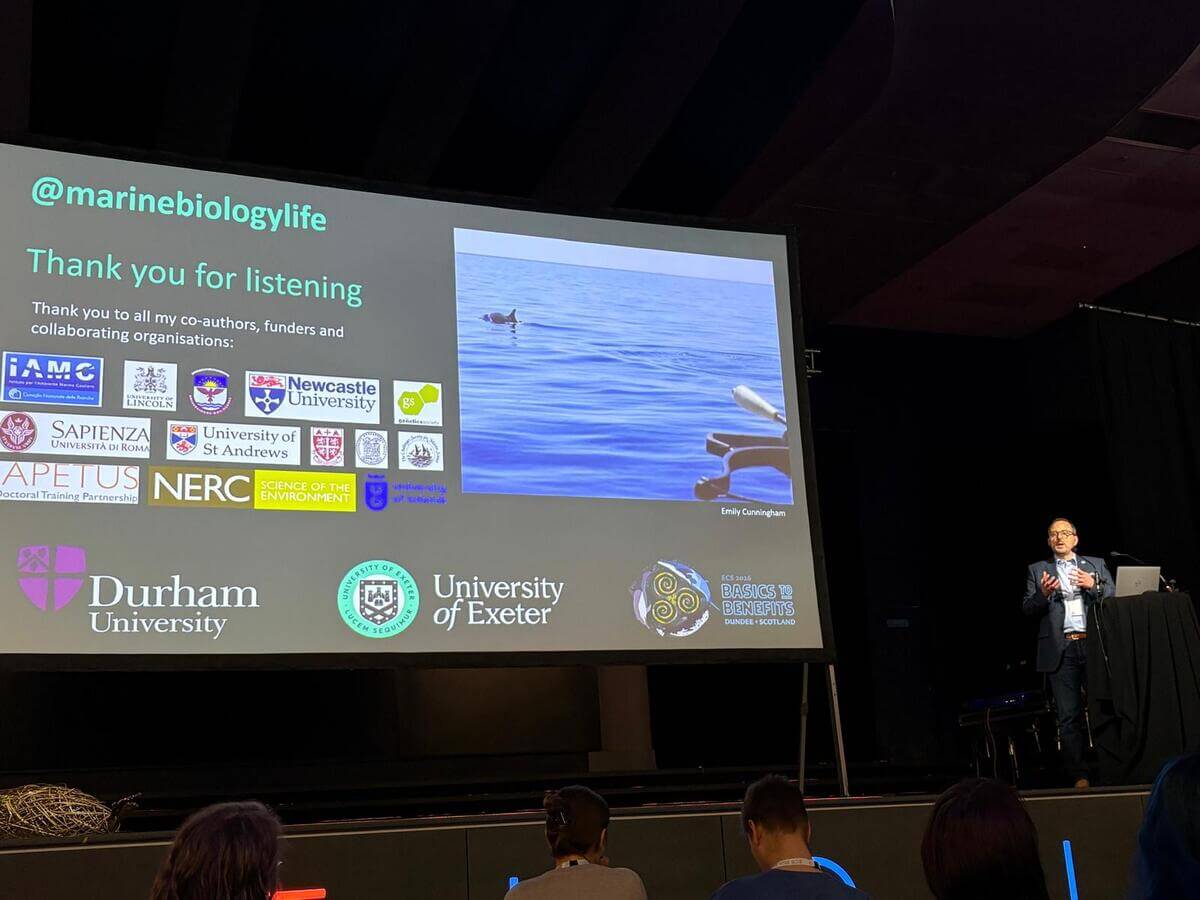
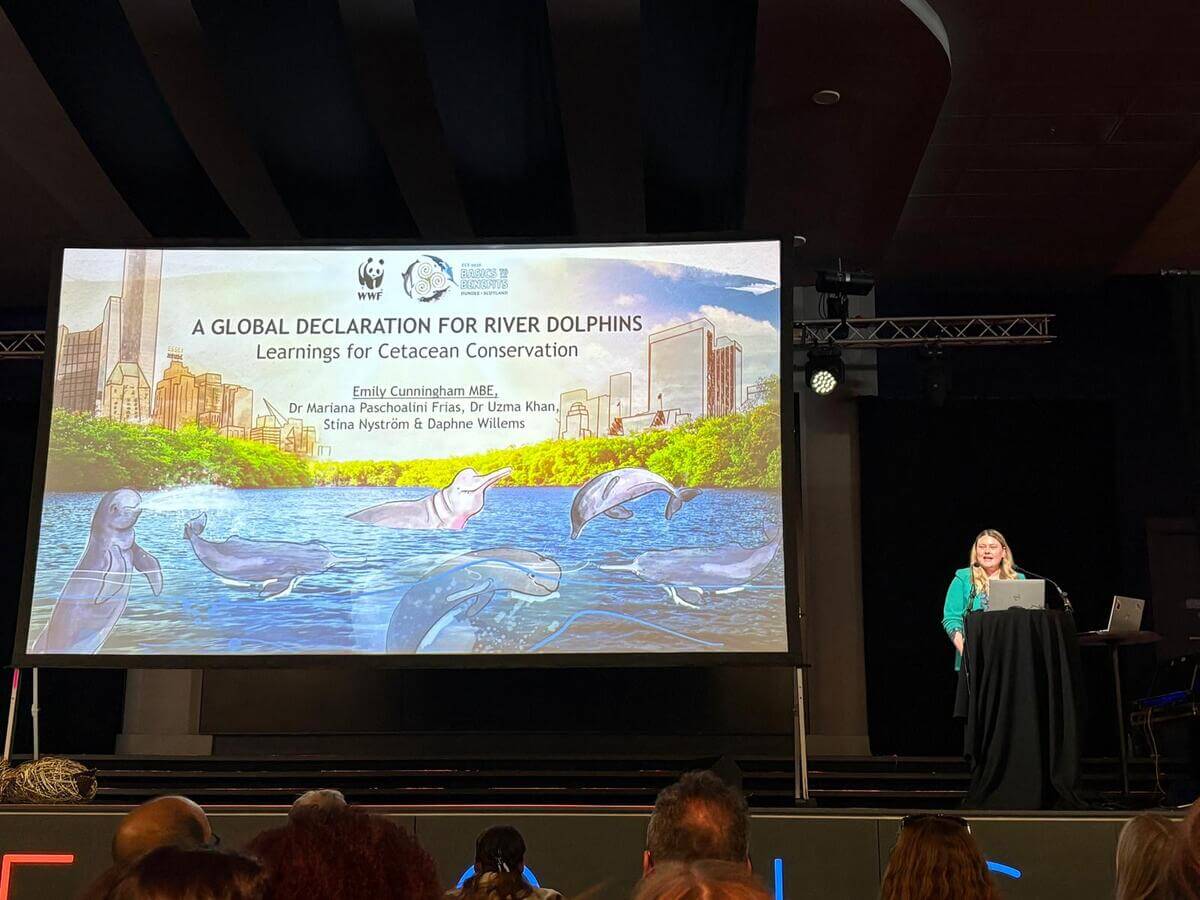
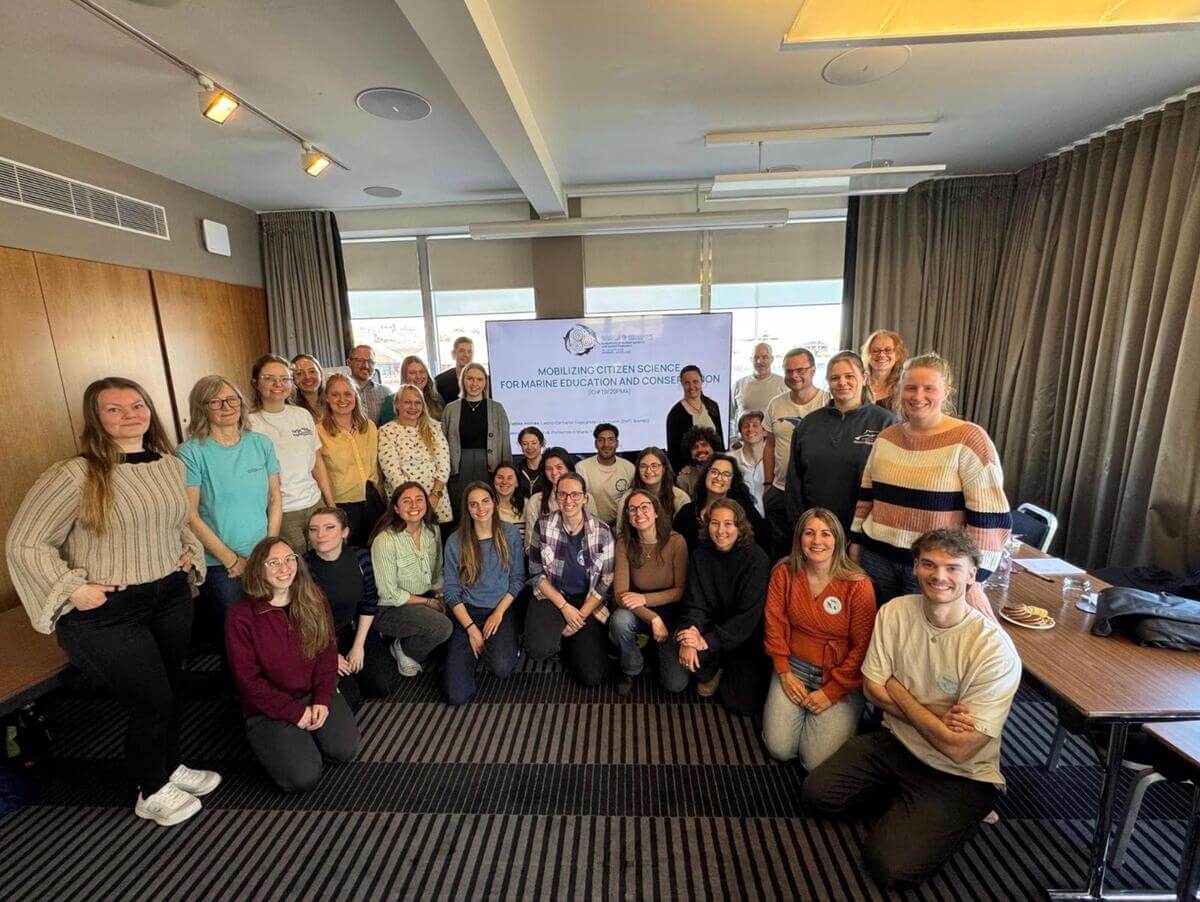
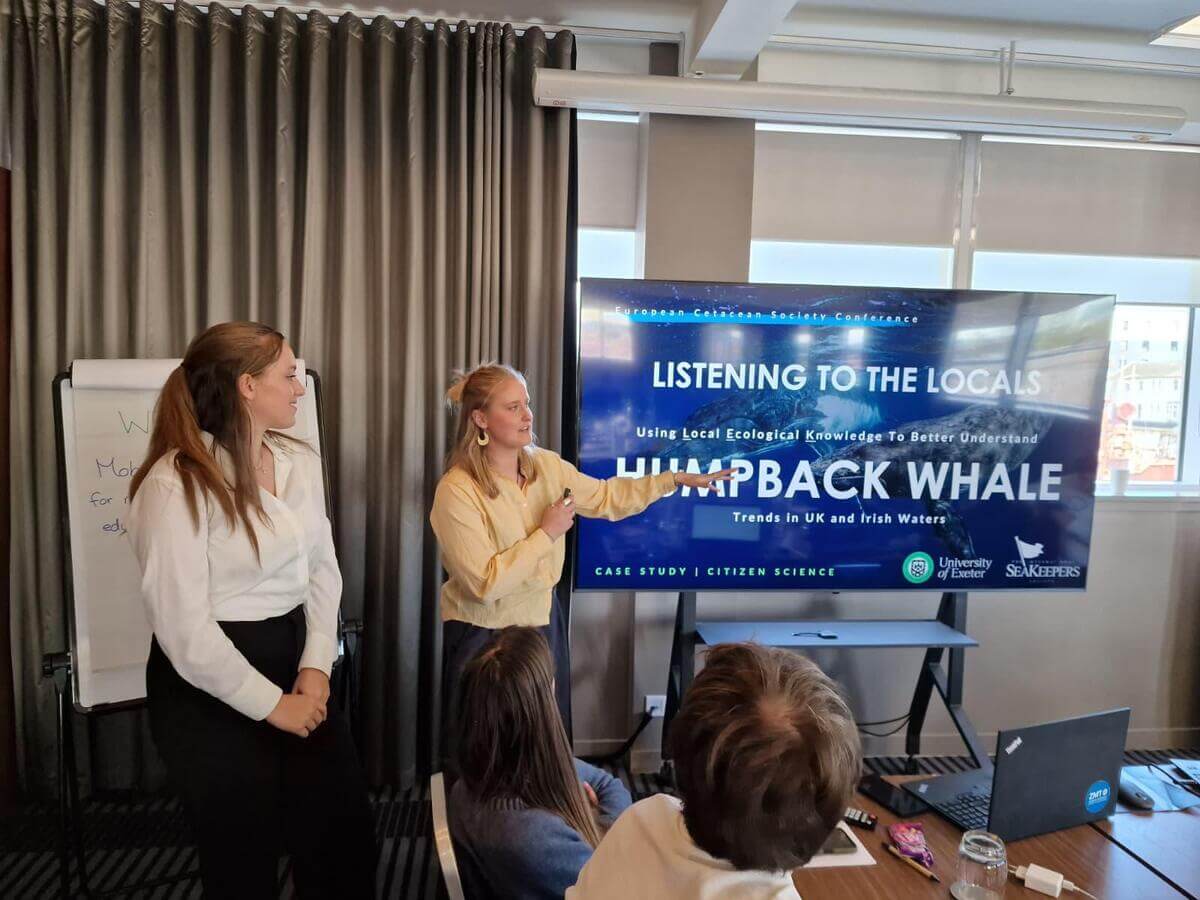
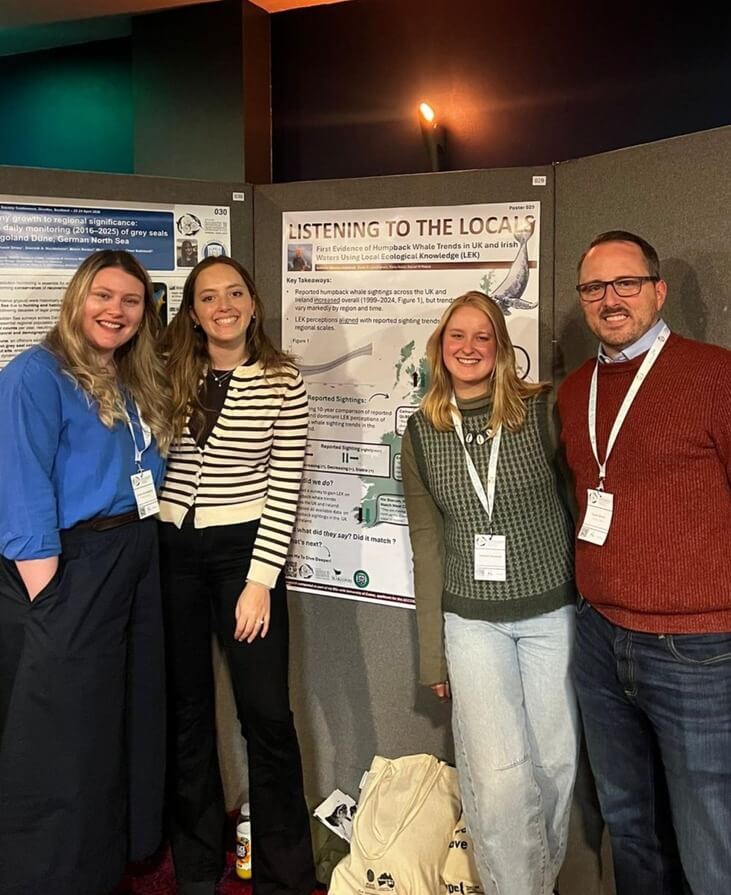
From April 20-24, 2026, The International SeaKeepers Society attended the 37th European Cetacean Society Conference in Dundee, Scotland. With around 800 researchers, students and organisation representatives in attendance, the event showcased an array of whale, dolphin, porpoise and seal research currently being undertaken across Europe, giving all the opportunity to connect and learn more about the field. Titled “Basics to Benefits”, this year’s event celebrated the full journey of marine mammal science, from foundational science to wider applications for conservation and management, valuing input from those at all stages of their scientific careers. During the conference, SeaKeepers attended 3 workshops: Building Bridges – sign language and inclusive practices for marine mammal science education – an interactive workshop, Mobilising citizen science for marine education and conservation (where SeaKeepers presented alongside programme partners from the UK Humpback Sightings Citizen Science project), and Advancing towards mitigation of collision risk for marine traffic. These gave SeaKeepers the ability to not only share more about their work, but also better understand the needs of the cetacean science and disabled communities, enabling SeaKeepers to further develop the DISCOVERY Programme to improve its effectiveness in the region. Overall, the conference allowed SeaKeepers to strengthen both existing relationships and new partnerships, and explore how they can better support European at-sea studies, with the aim of expanding their reach to support more communities across the region.
The International SeaKeepers Society attended the 37th European Cetacean Society Conference (ECS) to connect with current and potential programme partners, learn more about the European cetacean science field, and raise awareness for SeaKeepers mission in the region. Learnings from the conference will be used to enhance SeaKeepers current programme offerings and develop the DISCOVERY Programme to make it more effective and inclusive in the region.
Partner Sites
Photo Gallery