Monthly Margaret Pace Park Cleanup
- January 10, 2026
- Miami, Florida

Event Overview
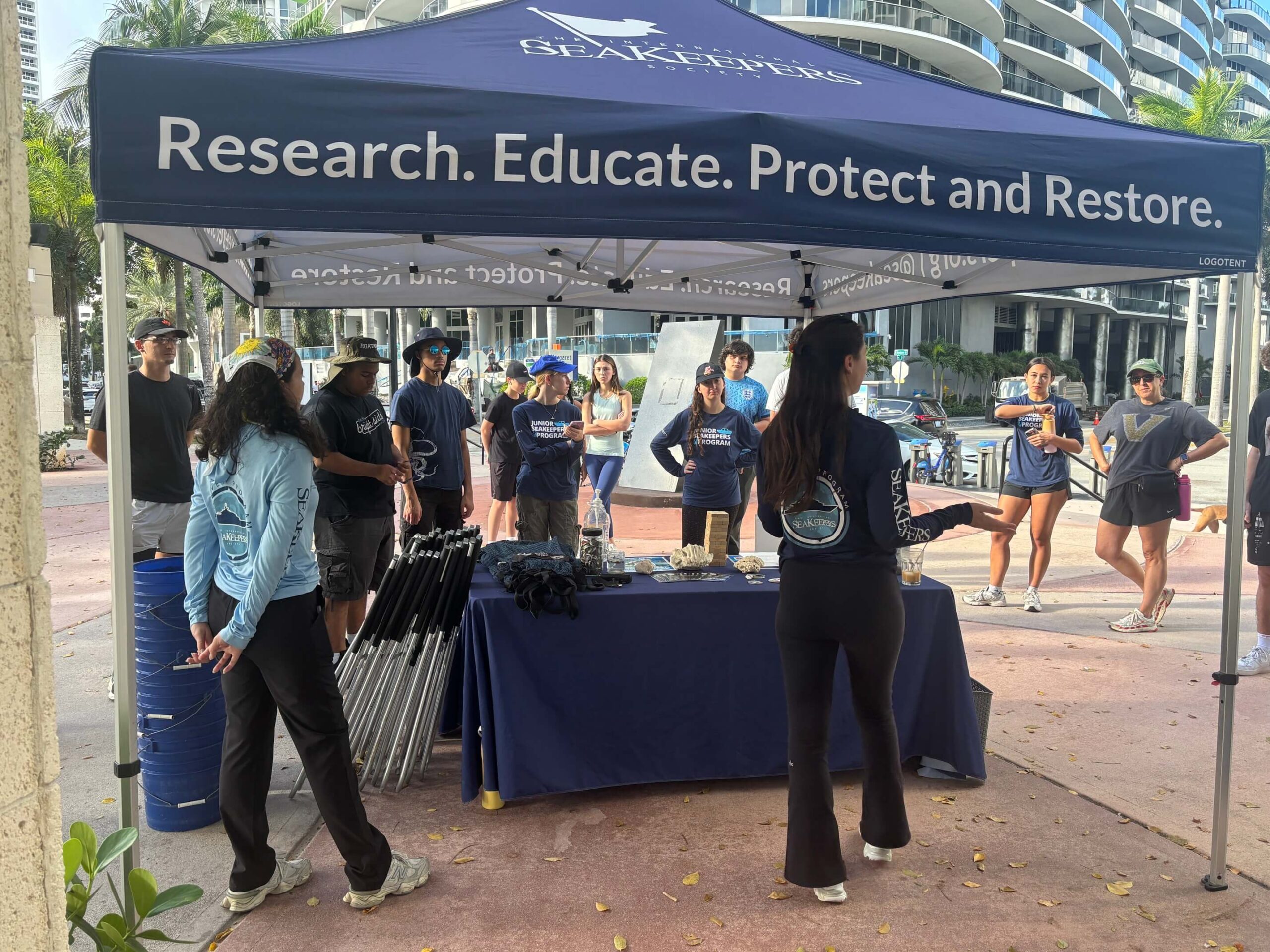
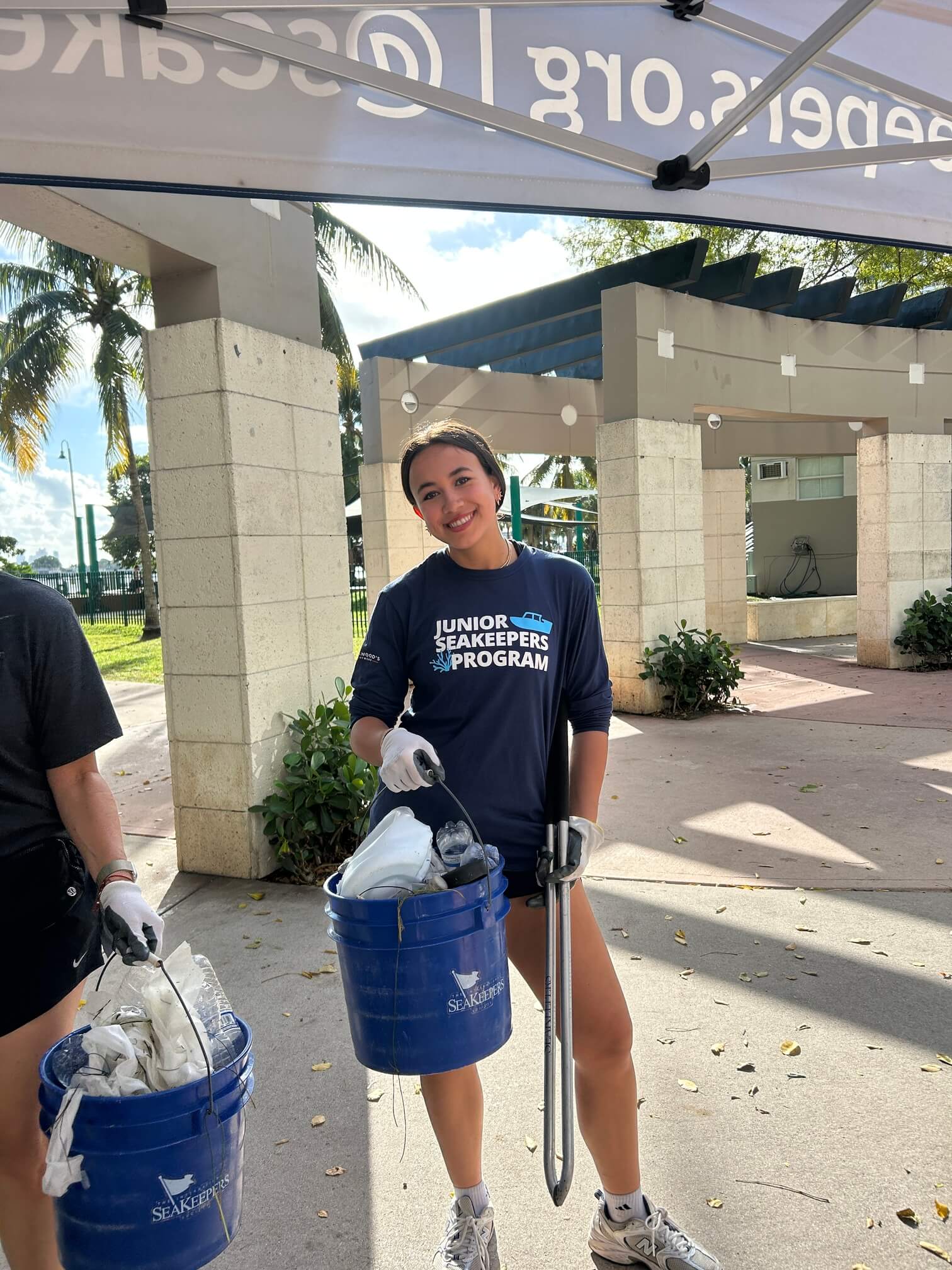
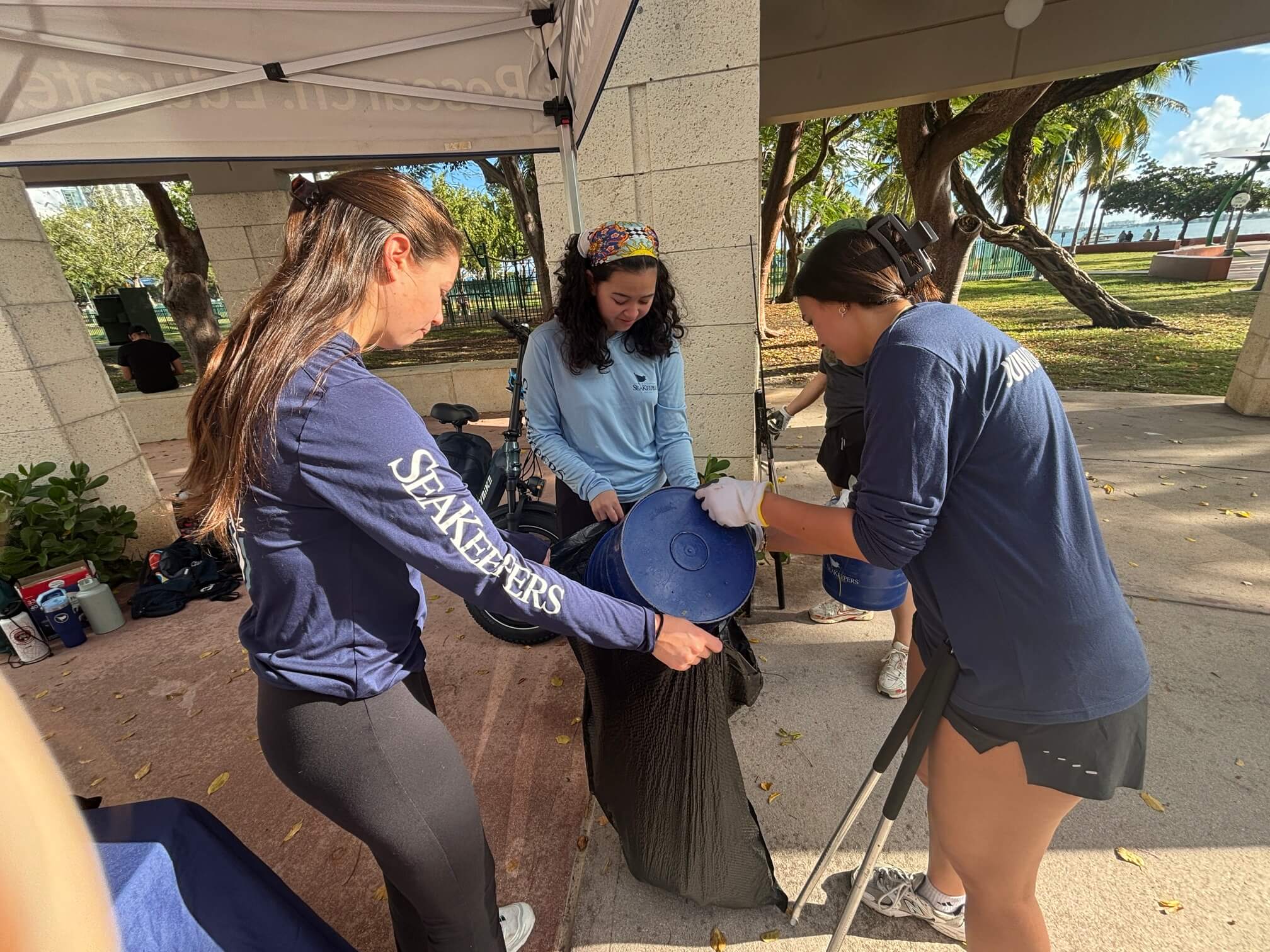
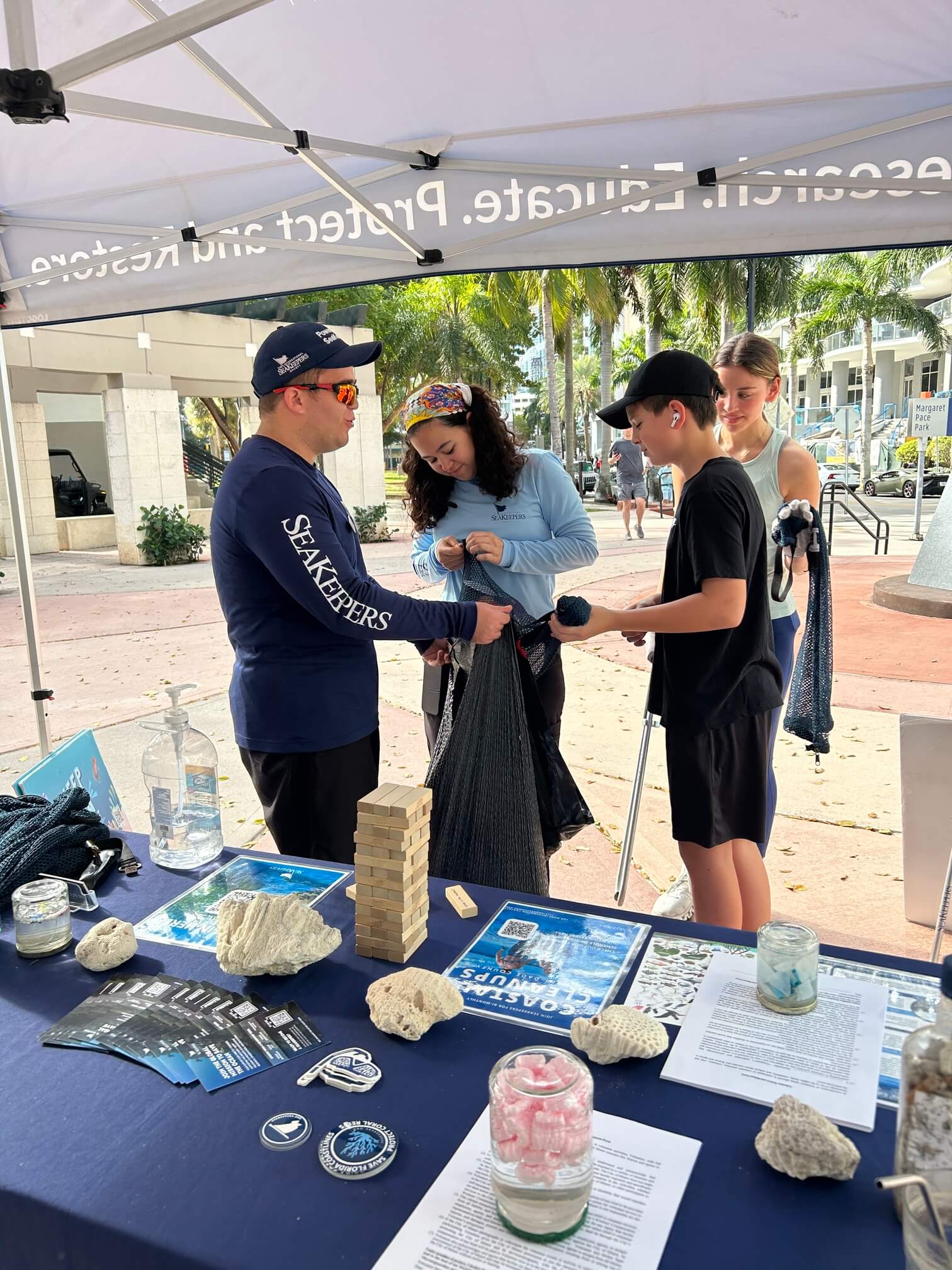
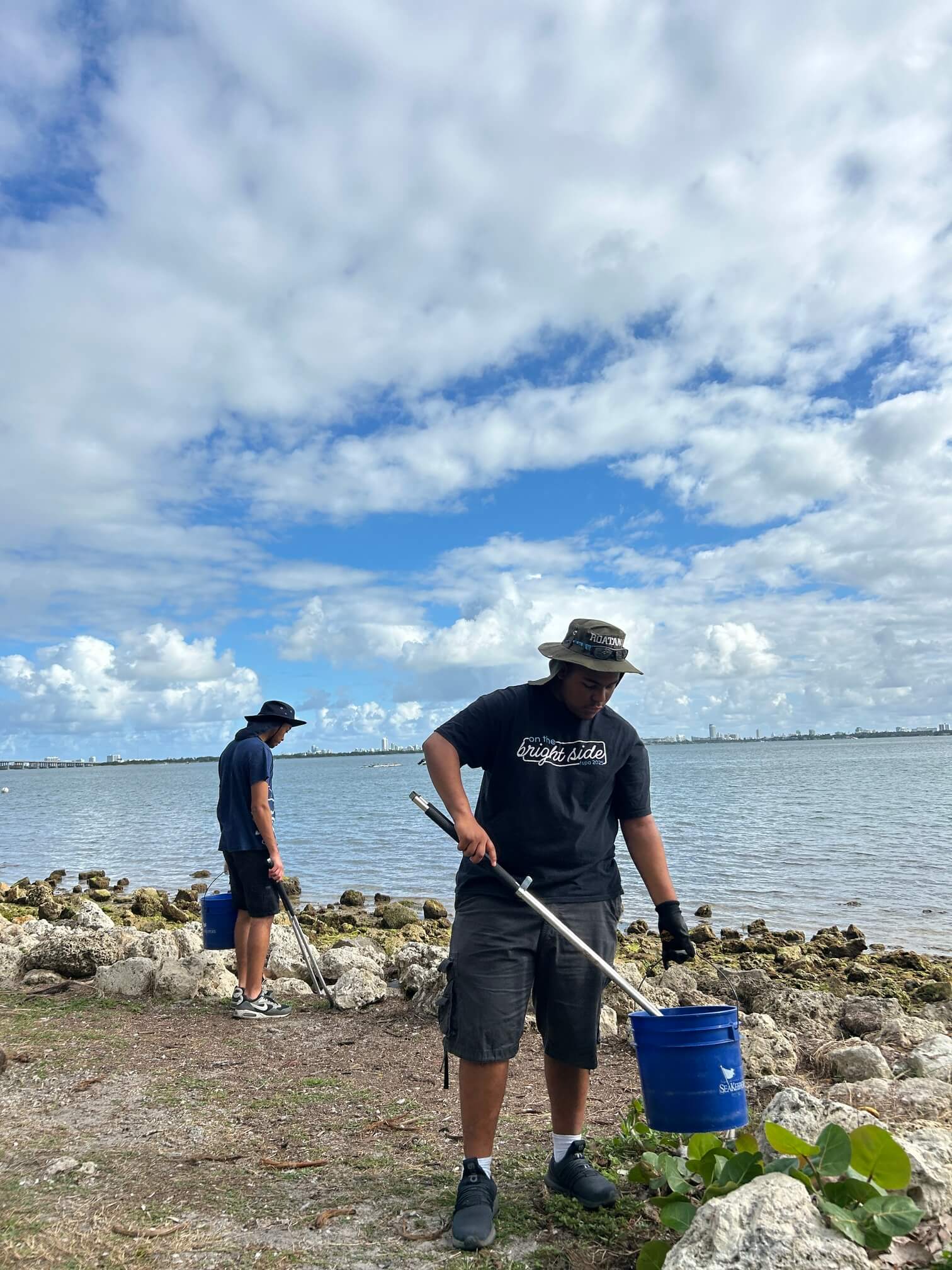
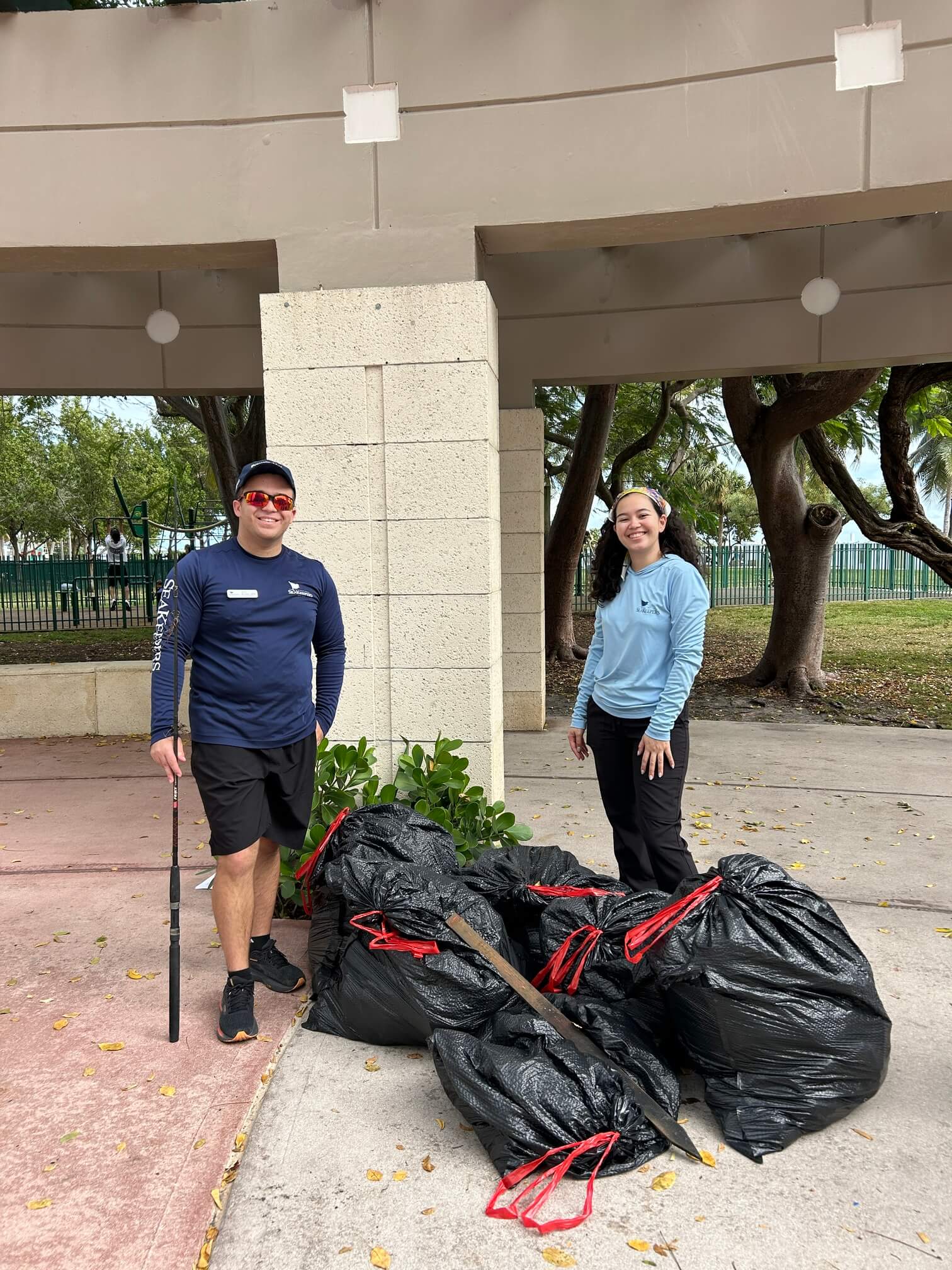
On Saturday, January 10, 2026, The International SeaKeepers Society hosted the first cleanup of the year at Margaret Pace Park in Downtown Miami. We were joined by 34 volunteers at the entrance of the park, where they listened to a safety briefing, grabbed protective gear, and set out to remove trash from the area. Margaret Pace Park lies directly on the coast of Biscayne Bay, and despite regular cleanup efforts at this site, lots of debris accumulates and enters the Bay. The park’s urban location and the proximity of heavily trafficked picnic islands result in the shoreline being inundated with trash from all sides, putting the nearby marine life at risk. Our volunteers returned with full buckets and bags of waste found in the grass of the park, pulled from between rocks on the shoreline, or removed from the shallow water. Our volunteers returned with some odd items, such as a fishing rod, while the overwhelming majority of the trash consisted of beverage bottles, plastic wrappers, bottle caps, and cigarette butts. One volunteer set out to collect as many cigarette butts as possible and log them using Marine Debris Tracker, and collected over 800 butts in under two hours! By the end of the cleanup, our volunteers had removed over 112 pounds of trash from the park and the surrounding area, leaving Biscayne Bay and the shoreline cleaner for all to enjoy. We are grateful to all our volunteers for their hard work, and hope to see them at upcoming cleanups.
Marine Debris Tracker is a data collection app that allows the general public to contribute to an open-date platform and scientific research by recording the different types of litter, specifically plastic pollution, that they find in either inland or marine environments. Marine Debris Tracker was developed by the University of Georgia’s Jambeck Research Group, which SeaKeepers worked with in 2021 when the Jambeck Research Group collaborated with Ocean Conservancy to assess Miami’s plastic waste management, known as a Circularity Assessment Protocol. SeaKeepers again assisted the Jambeck Research Group’s Circularity Informatics Lab in 2022 with another Circularity Assessment Protocol in the Florida Keys. The researchers of the Jambeck Lab use the Marine Debris Tracker app to record their data, and with citizen scientists also using the app, more data can be collected in different areas. Using Marine Debris Tracker at our cleanups involves community members in creating a bigger picture of plastic pollution, and provides the means for new scientific findings to be generated as well as for effective local legislation to be informed. SeaKeepers is excited to be incorporating this app at our cleanups and continue our mission of coastal education, protection, and restoration. In this cleanup, 18% of volunteers participated in using the app to record data.
Photo Gallery