
Coastal Classroom with Durlston School’s Eco Club
- June 19, 2026
- Barton-on-Sea, UK
Project Overview
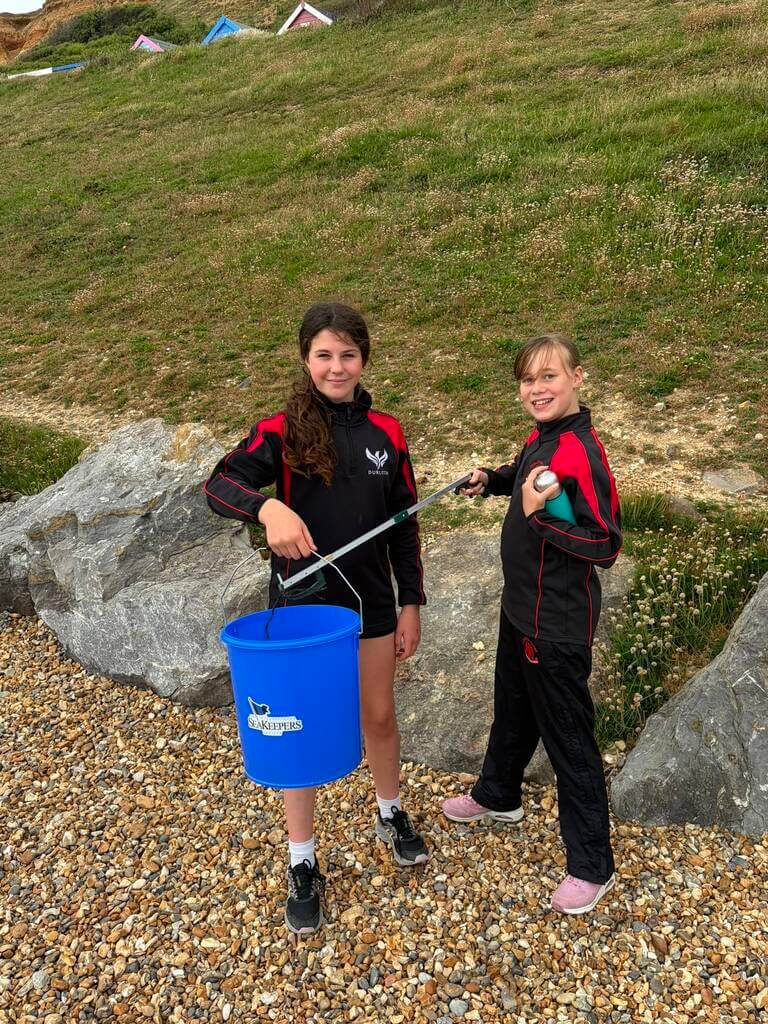
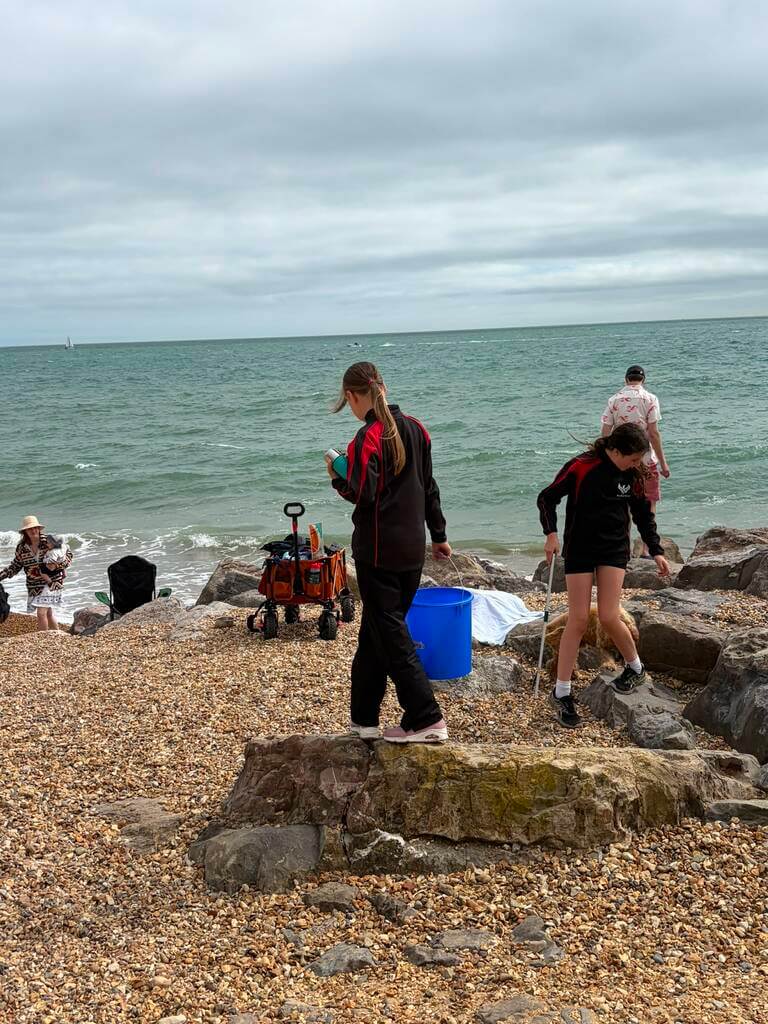
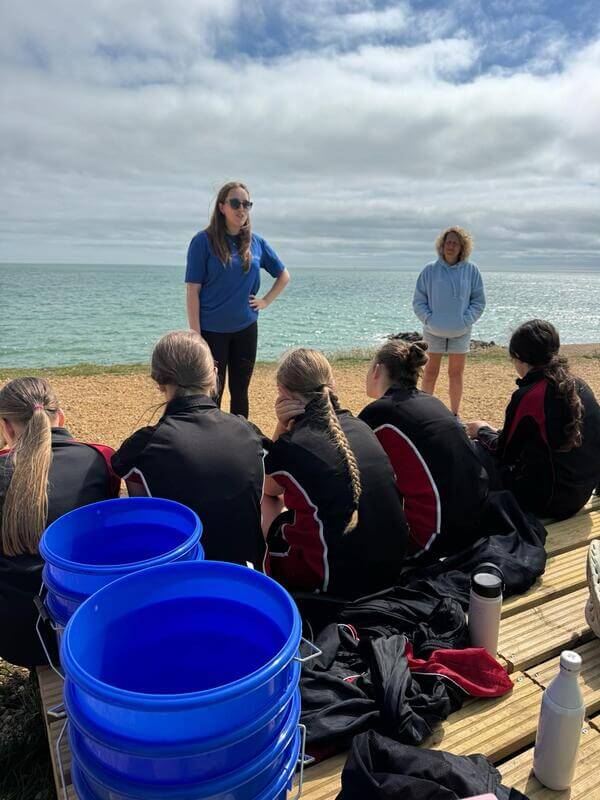
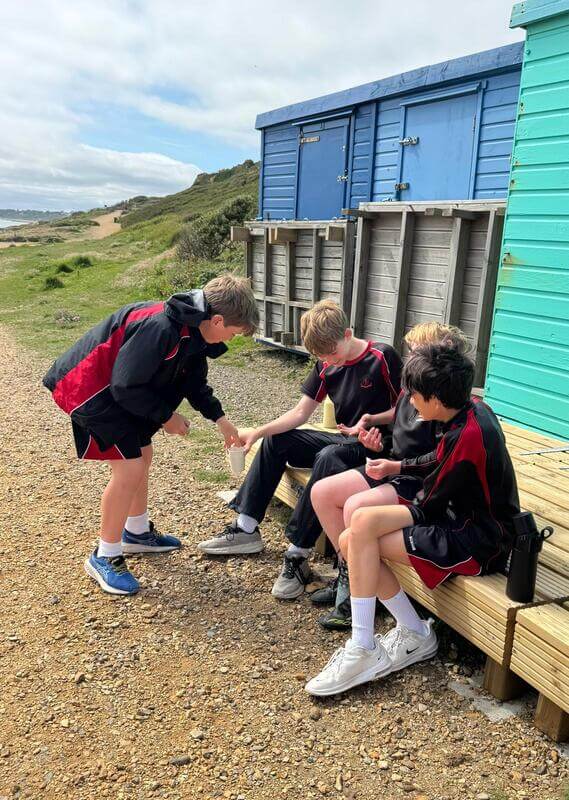
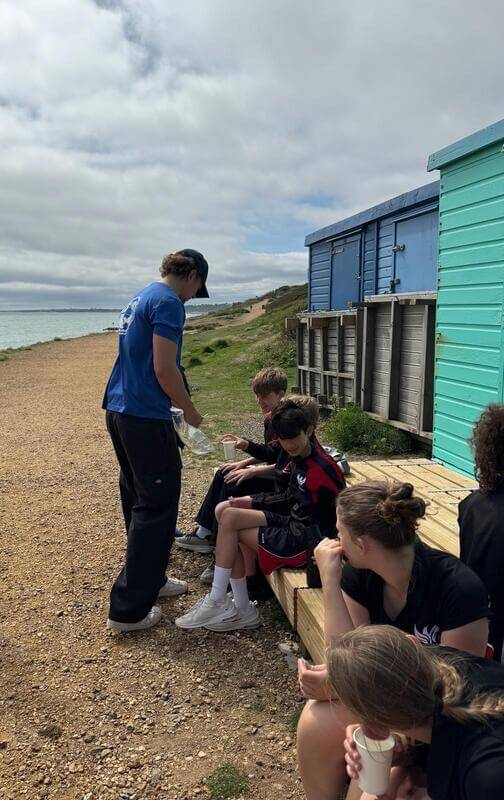
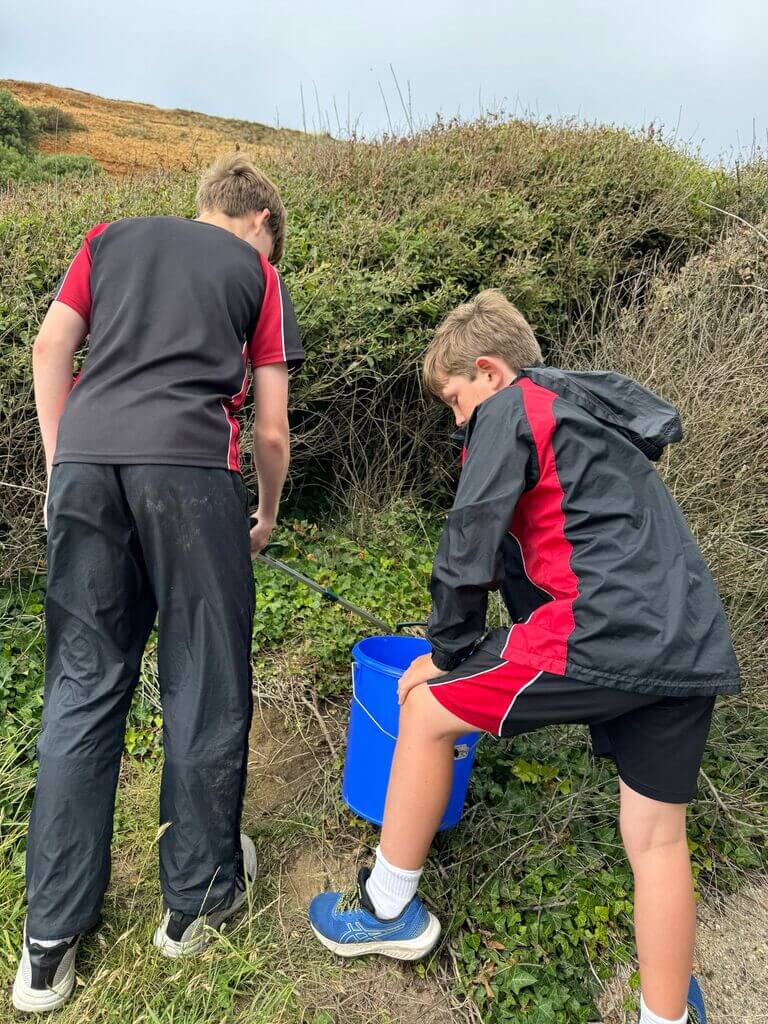
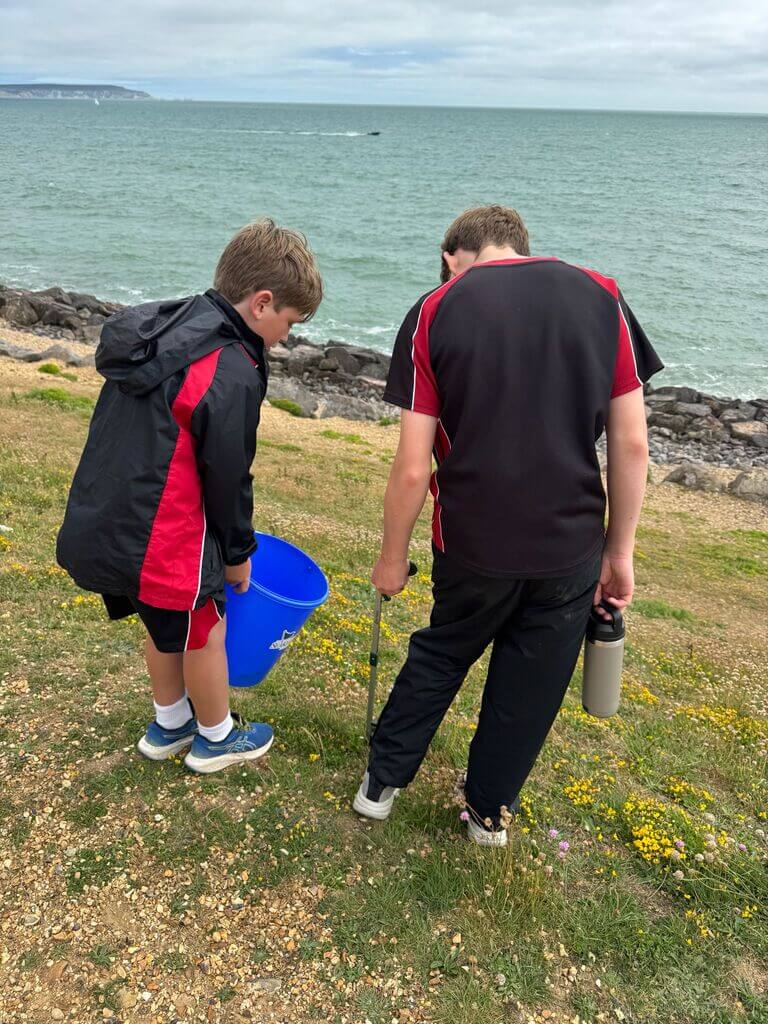
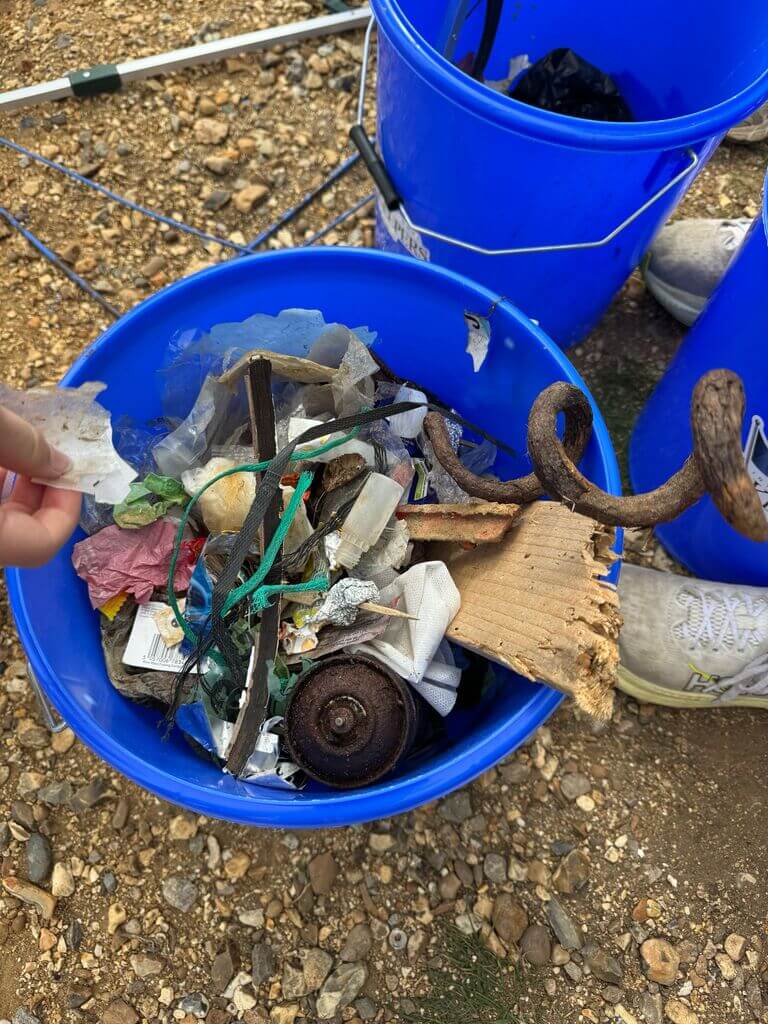
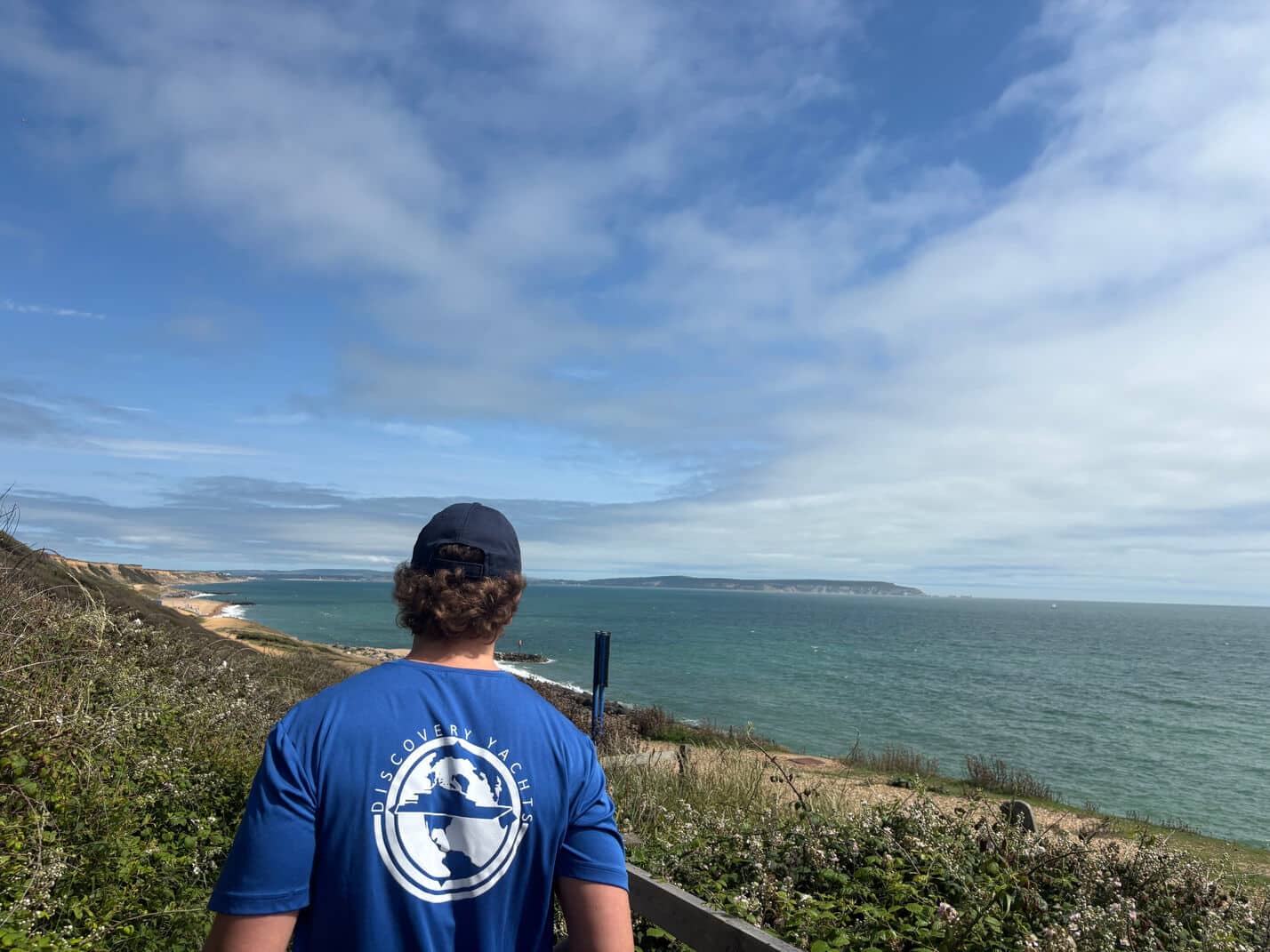
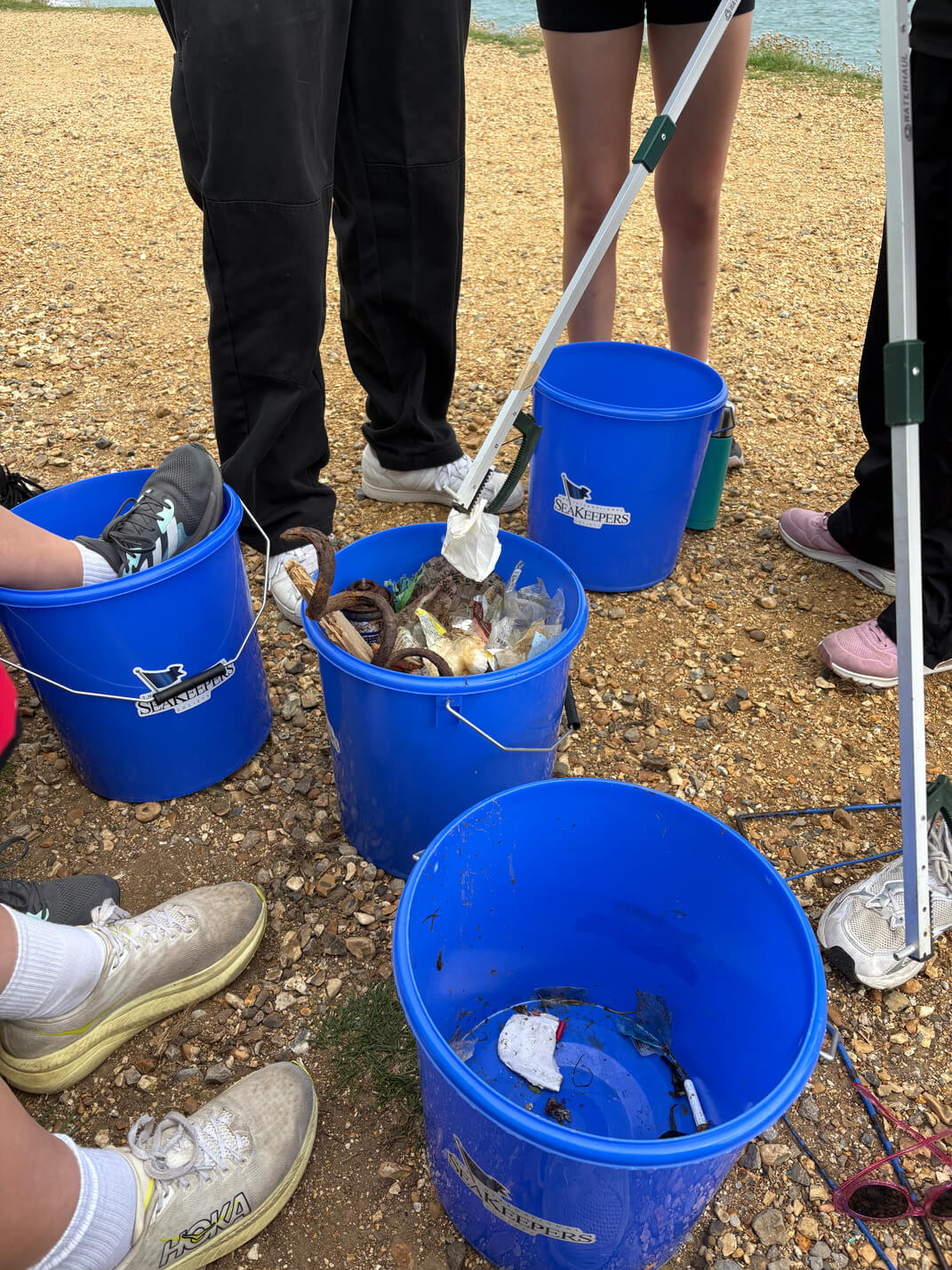
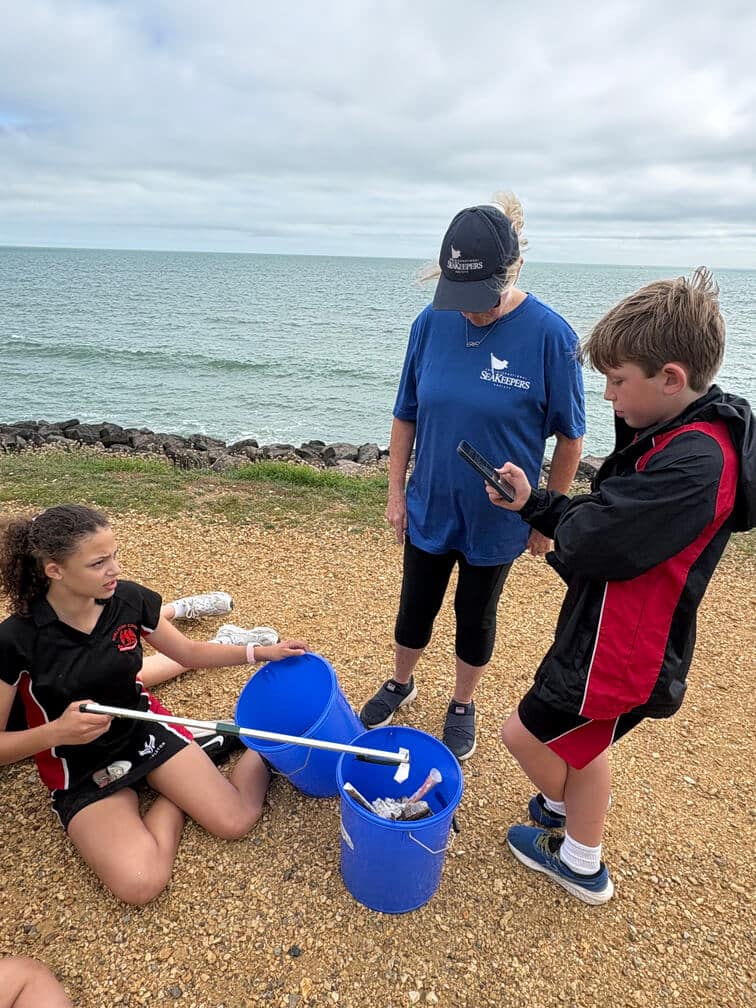
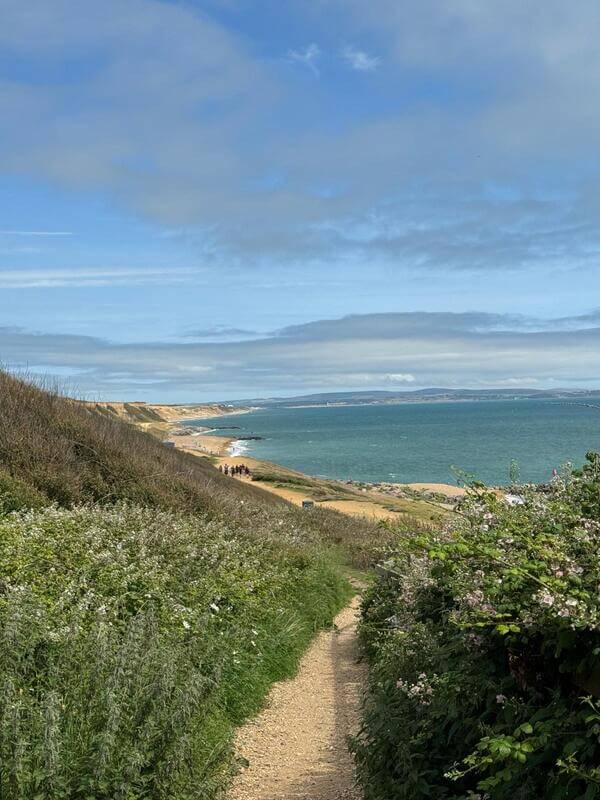
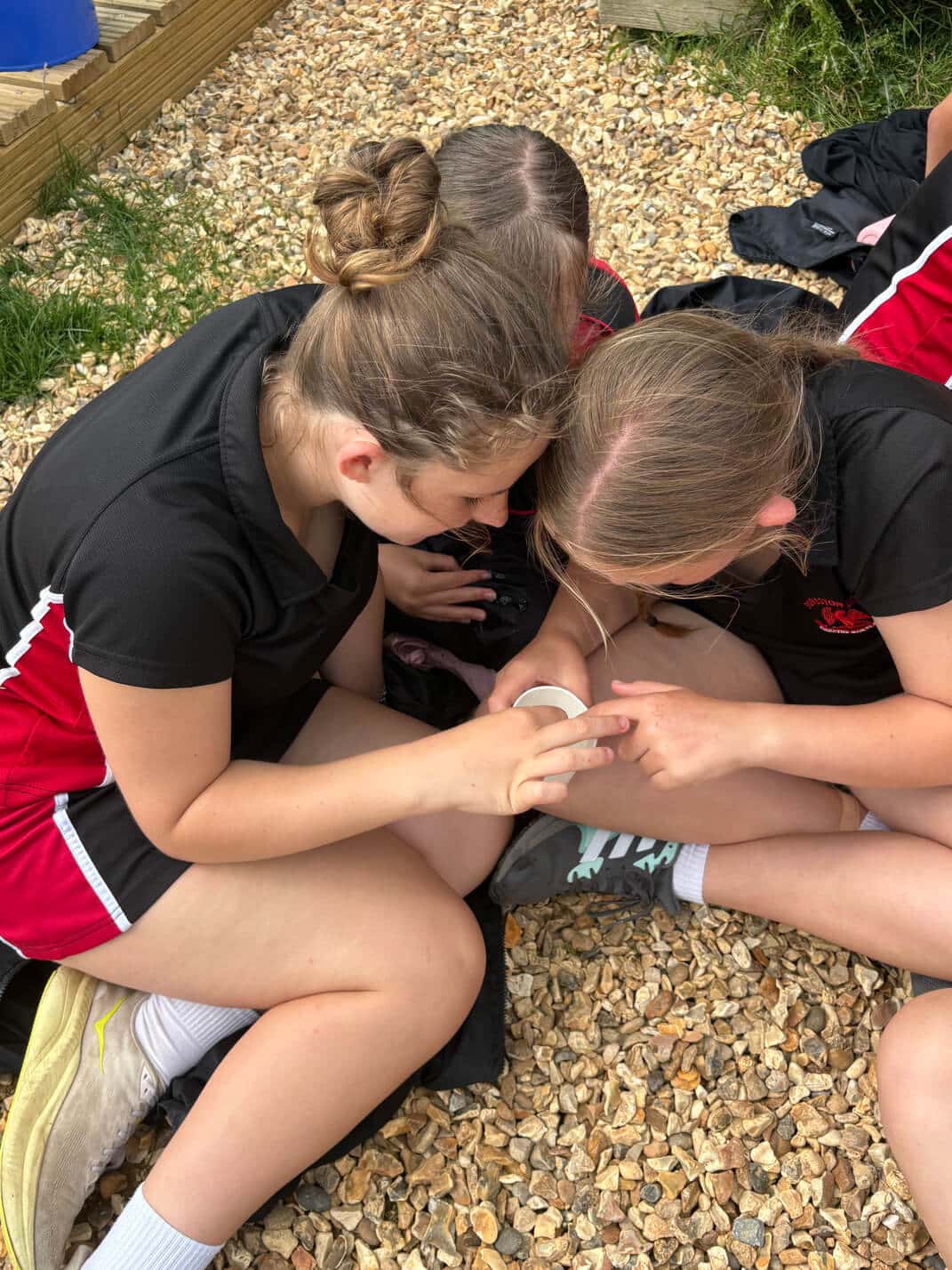
On June 19, 2026, The International SeaKeepers Society hosted a Coastal Classroom with students from Durlston School’s Eco Club at Barton-on-Sea beach. The students independently conducted their own cleanup last year at this site and had no success finding any marine debris, so were keen to return to see if they could collect more this year. However, on the walk down to the beach before the session even began, they spotted many small pieces of litter amongst the foliage – a sign of things to come! SeaKeepers began the session with an educational introduction about the origins and impacts of plastic pollution, before asking the students to participate in the “Sink or Float” activity. Here they tested to see whether pieces of commonly used plastics either sank or floated in a cup of water, resembling how each item would react if discarded in the marine environment. This sparked a discussion into how everyday items can harm different forms of marine life, such as turtles ingesting plastic bags that they mistake for jellyfish, or more dense plastics smothering seafloor-dwelling creatures when they sink. With this information in mind, the students were then tasked to see how much marine debris they could collect from the local coastline, considering how each piece could have caused harm if left in the ocean. Thanks to their efforts, the students removed 4 buckets of pollution from the beach, weighing 7.5kg. After assuming that the beach would be clean due to their experience last year, the students were shocked to see how much waste they found, with many keen to return next year to see whether they would find the same again. Thanks to Marine Debris Tracker, the students also had the opportunity to learn more about the types of items that they were finding, with 35% of their finds being plastic and 8% being food wrappers. These results truly showcased how people can make small changes to better protect the ocean, such as taking packaging home after a picnic or disposing of it effectively – lessons that the students plan to take forward in their Eco Club sessions to encourage their community to be more ocean conscious.
SeaKeepers thank Durlston School and their Eco Club students for their participation in this Coastal Cleanup and continued support of SeaKeepers. We look forward to running more sessions with this group in the future to continue to explore how the next generation can play a positive role in ocean conservation.
During cleanups, SeaKeepers utilises Marine Debris Tracker, a data collection app that allows the public to record marine plastic pollution environments in an open-source database. The app was developed by the University of Georgia’s Jambeck Research Group, who have collaborated with SeaKeepers in 2021 and 2022 on Circularity Assessment Protocols in Miami and the Florida Keys. Data collected helps inform scientific findings and effective legislation. In this cleanup, 100% of volunteers used the app to record data. SeaKeepers is excited to continue incorporating this tool in our mission of coastal education, protection, and restoration.
Partner Sites

Photo Gallery