
- DISCOVERY Vessel River Queen
Fifth Annual SeaKeepers/Georgia Aquarium Teacher Workshop Professional Development Weekend
- June 18 - 21, 2026
- Miami, Florida
Project Overview
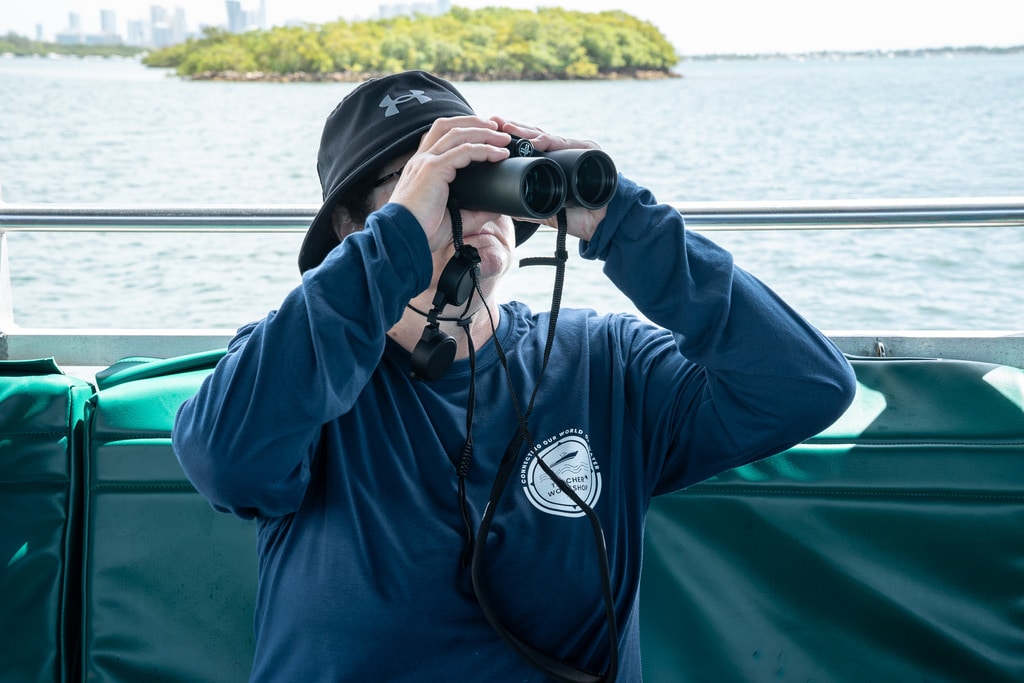
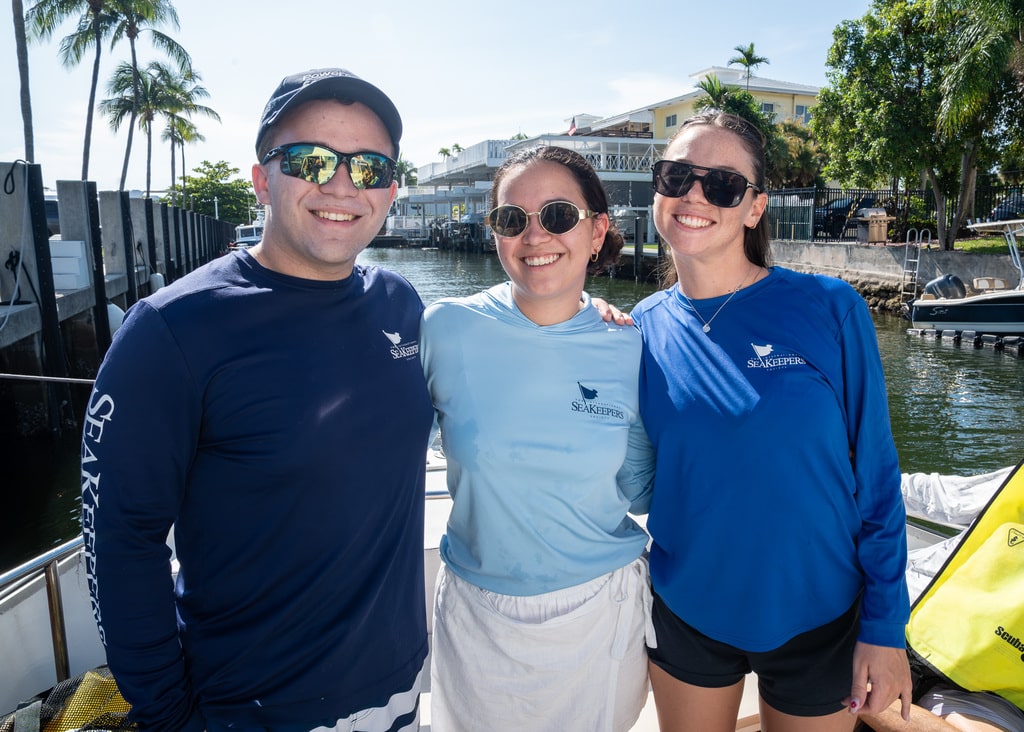
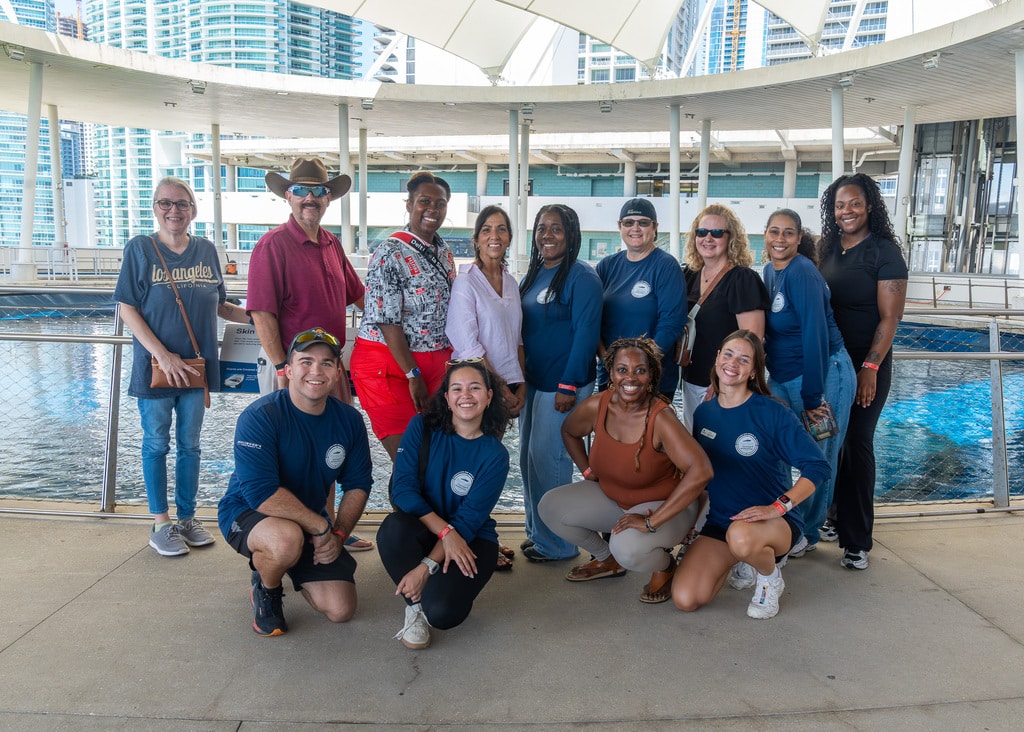
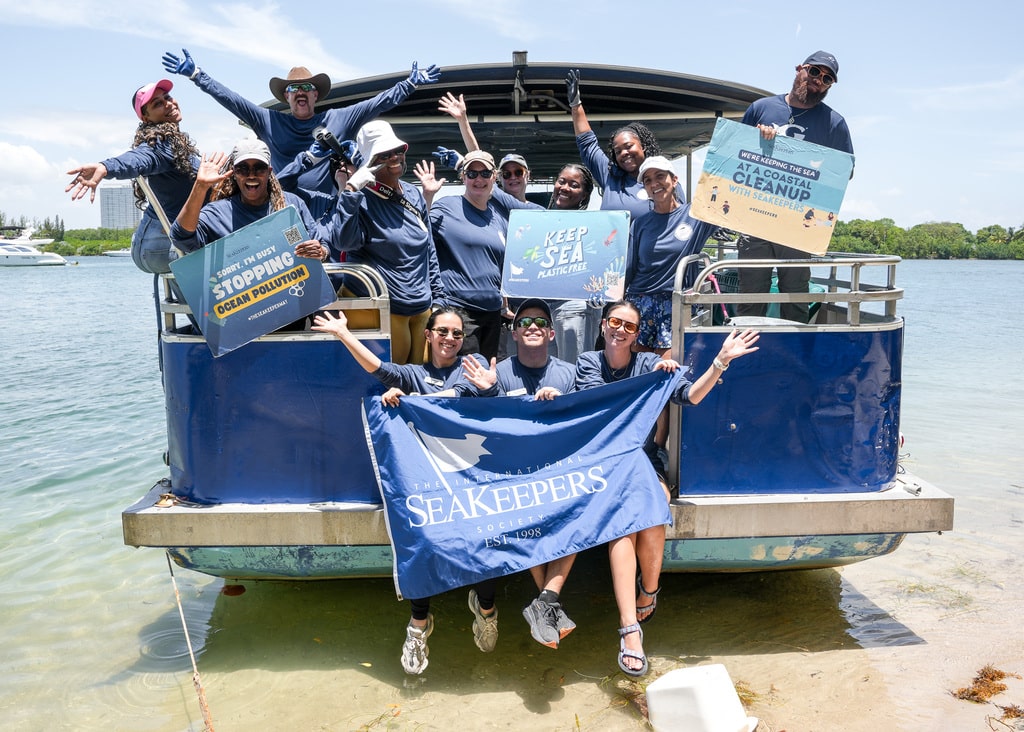
From June 18th-21st, 2026, The International SeaKeepers Society in collaboration with the Georgia Aquarium hosted the fifth annual Teacher Workshop professional development (PD) opportunity in Miami, Florida. SeaKeepers’ education team was able to bring ten middle and high school science educators from seven different counties in Georgia for a weekend of marine science educational activities and field experiences. We began our workshop with introductions on SeaKeepers and an icebreaker for our team as well as the teachers, before being joined by guest speakers from Miami Waterkeeper. The education team from Miami Waterkeeper introduced the teachers to Biscayne Bay and the animals and habitats within it, as well as taught our teachers how to identify major sources of pollution including dredging, sewage leaks, and fertilizer through the “1000 Eyes on the Water” training. Through completing this course, our teachers were able to better identify point sources of pollution we observed while on the water throughout the weekend, and also gave the teachers context on how they and their own students can become better equipped to protect and understand their own local communities.
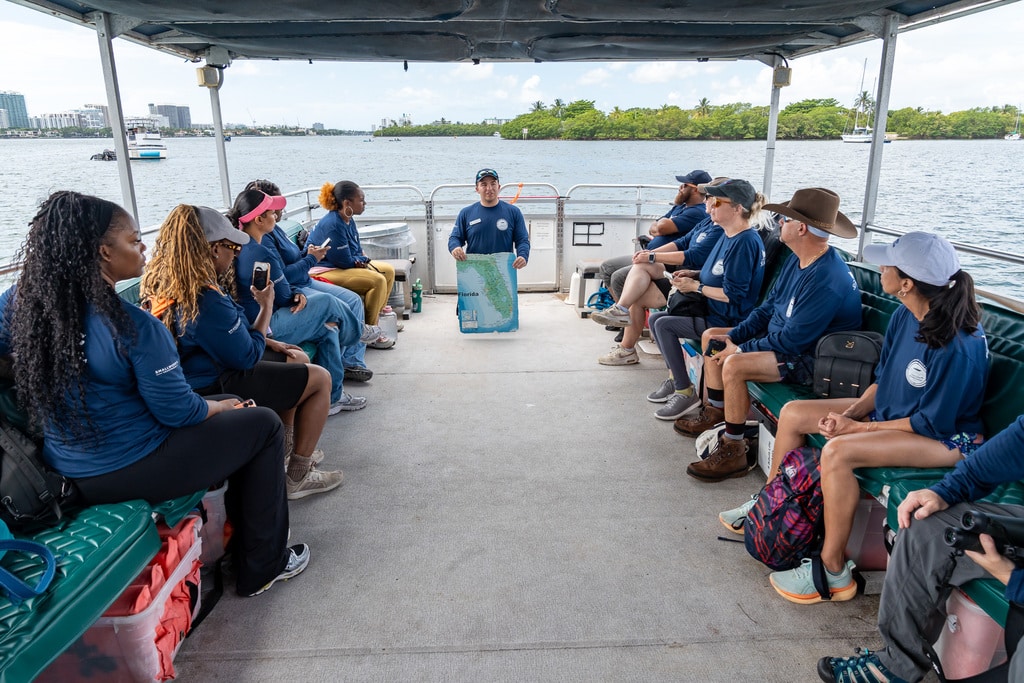
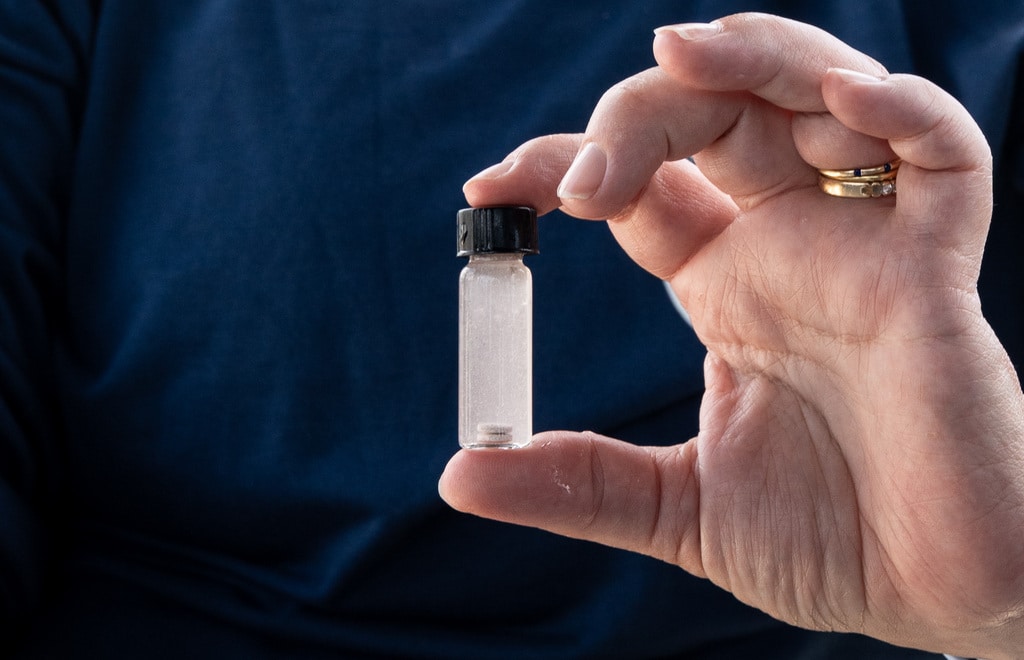
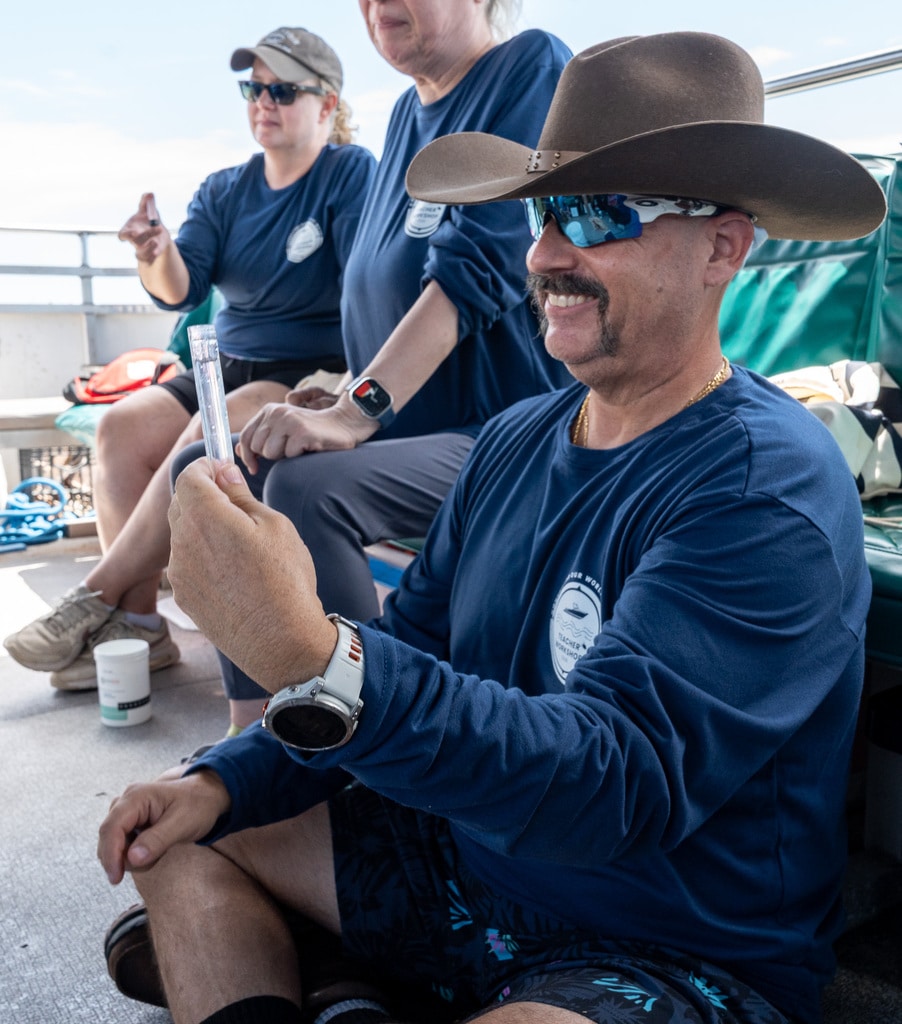
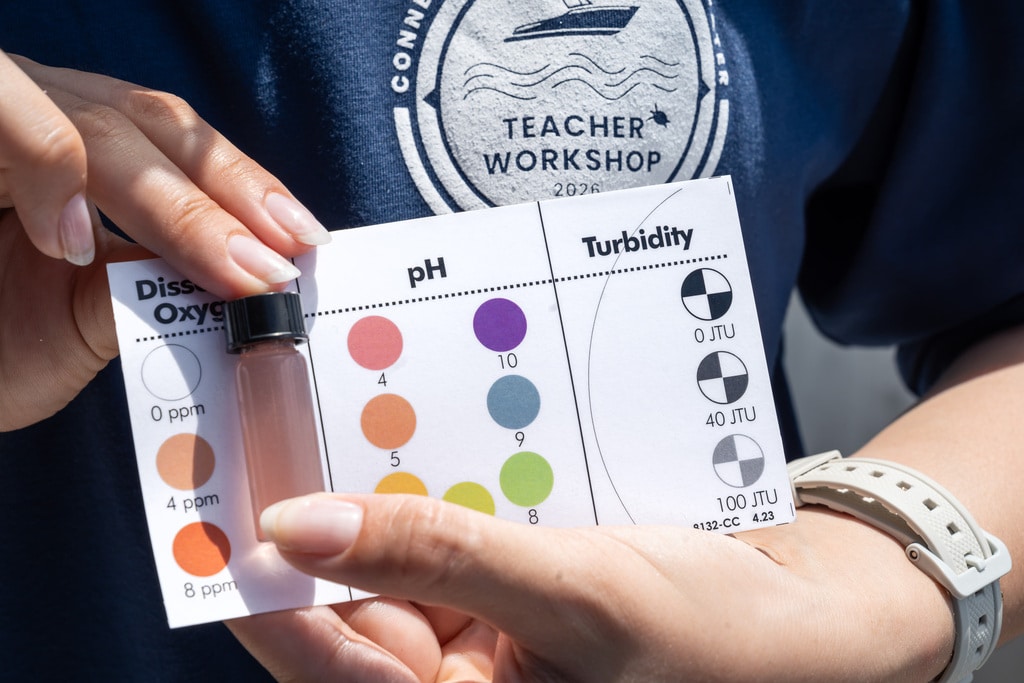
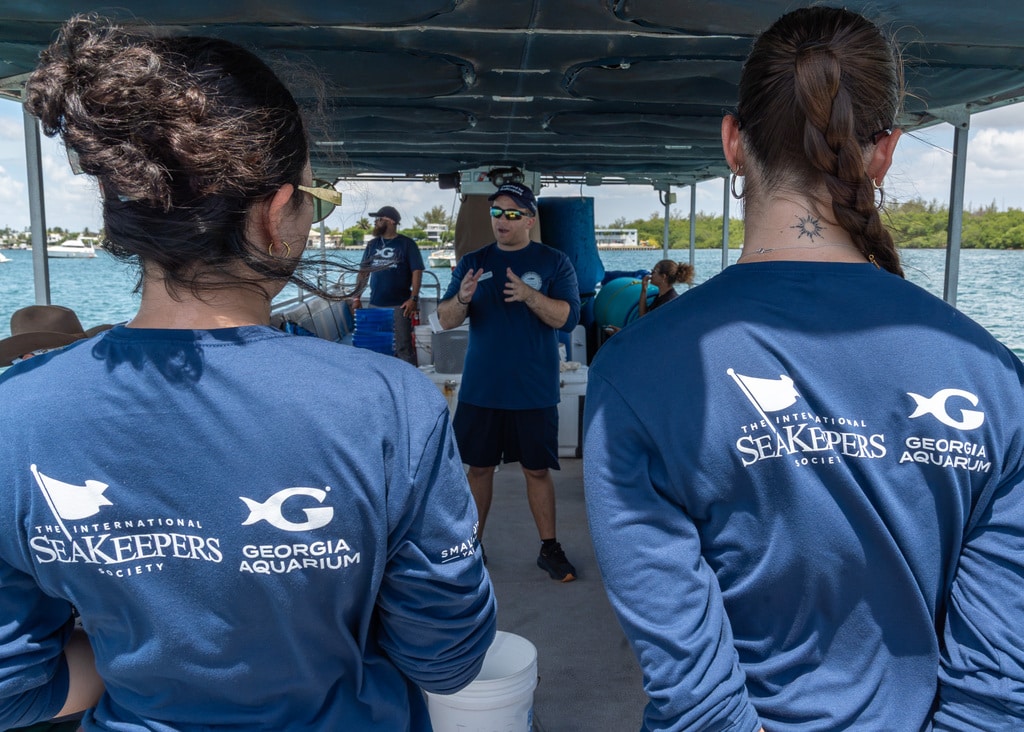
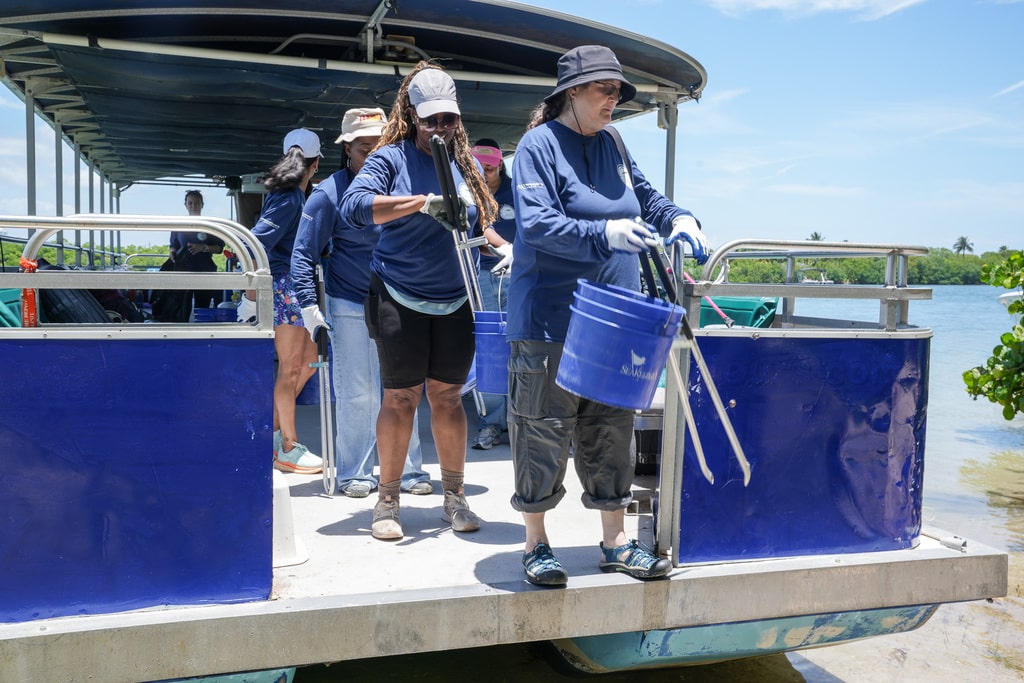
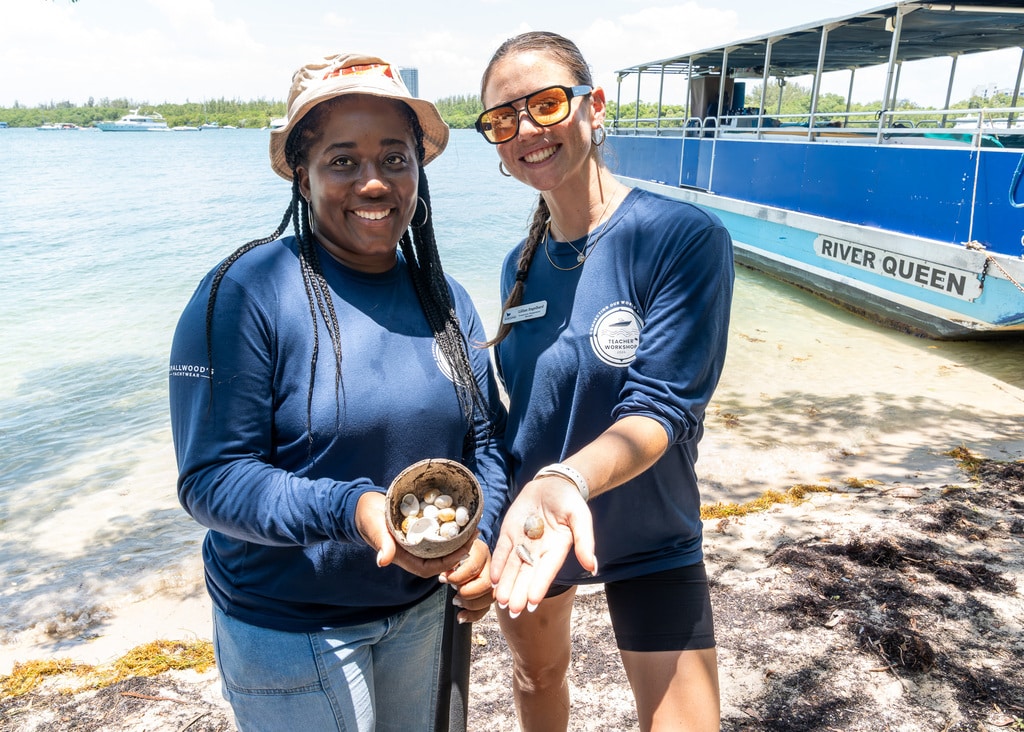
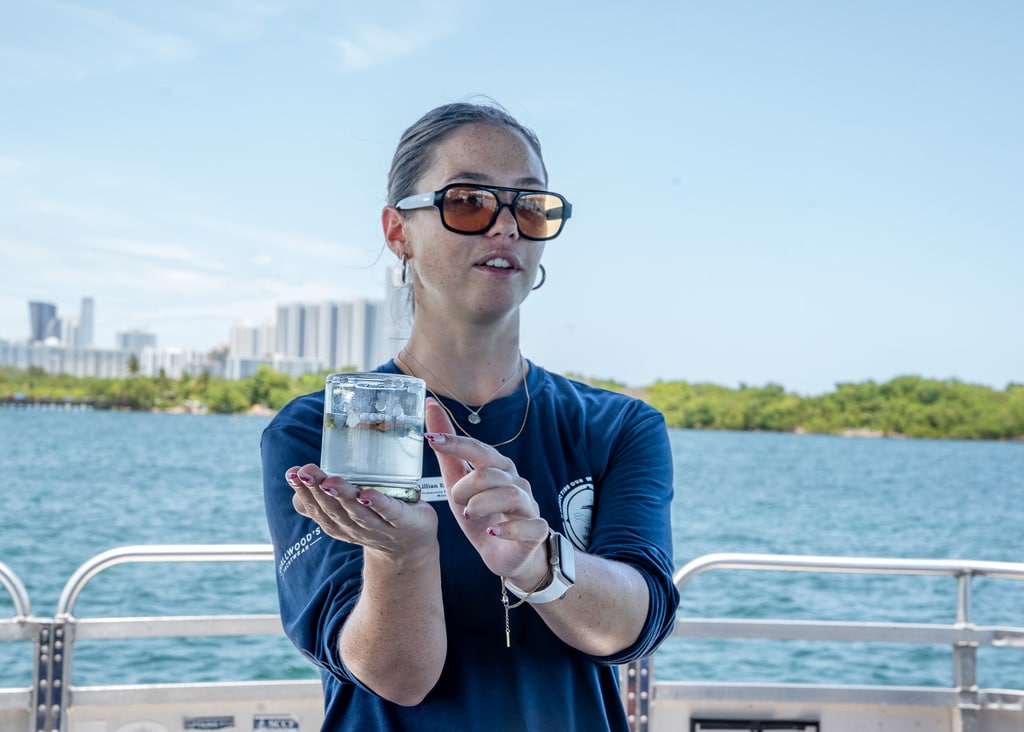
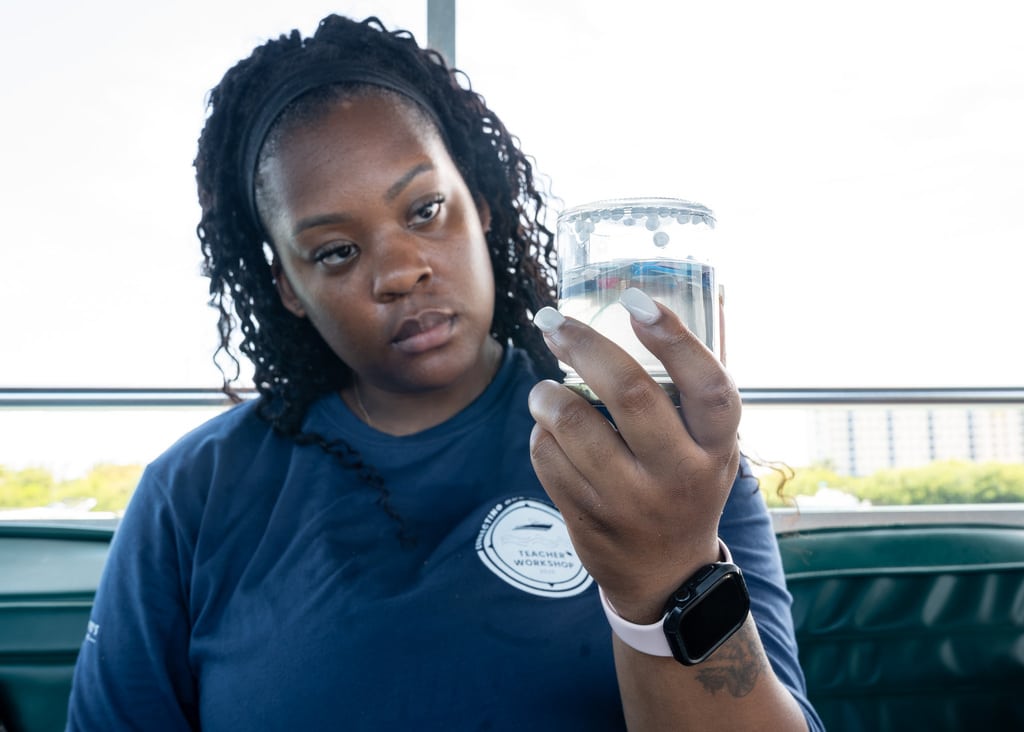
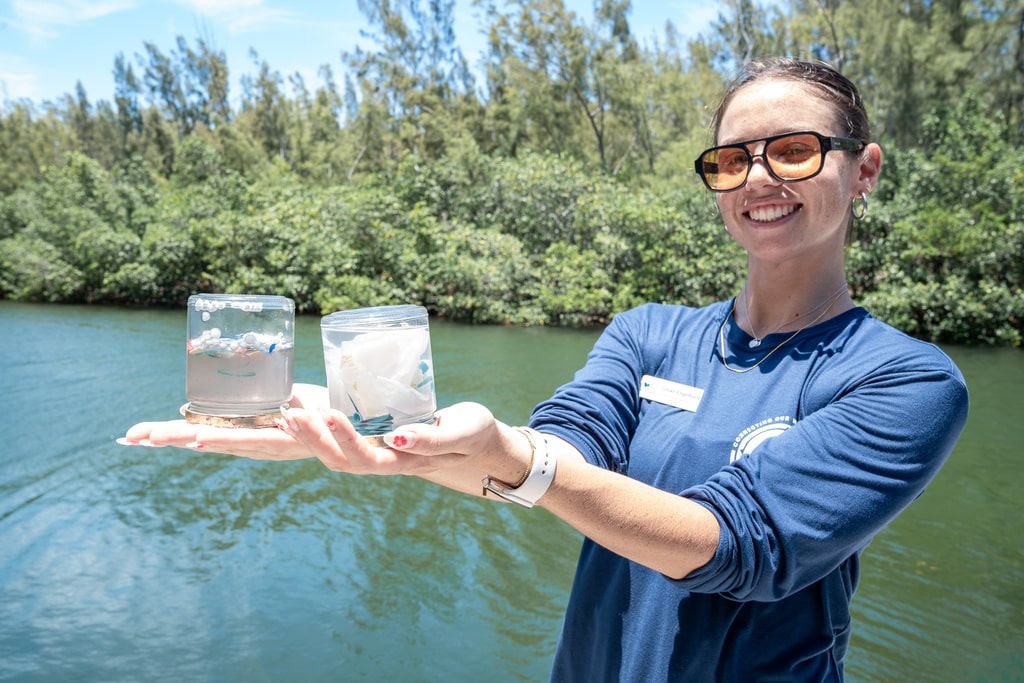
As we started our second day of the workshop, we took our teachers to FIU’s Biscayne Bay Campus for a floating classroom experience aboard DISCOVERY Vessel River Queen. The teachers were able to experience Biscayne Bay firsthand, as well as discuss key environmental topics like coastal ecology of South Florida, urbanization, critical habitats in the Bay, and the evolution of the pollution crisis in the Bay. After our discussion, the SeaKeepers team led our first hands-on activity of the workshop by taking some water quality measurements using our Earth Echo Water Challenge Kits. With these kits, our teachers took measurements on several parameters like temperature, pH, dissolved oxygen, and turbidity. As we concluded the first activity, we took the time to allow for the teachers to take a lunch break and ask questions about all that we had discussed so far. After our break, our team arrived on Sandspur Island, a picnic island in the bay that often deals with frequent pollution due to ineffective waste management processes. While there, the educators and our team participated in a coastal cleanup, removing significant amounts of anthropogenic trash from the shores and waterline of the highly trafficked island. Following our cleanup, we discussed major observations about what we found in comparison to what we use in daily lives and how best to educate students of all ages on the dangers of pollution in our waterways and communities. After returning back to land, SeaKeepers’ Community Engagement Manager, Lillian, led our educators in an activity called Sink or Float, a game centered on plastic pollution through studying the types of plastic and their properties. We finished the day with a presentation centered on what was covered so far, as well as introducing key concepts for the next day’s activities such as fish physiology, species identification, and safe snorkeling practices.
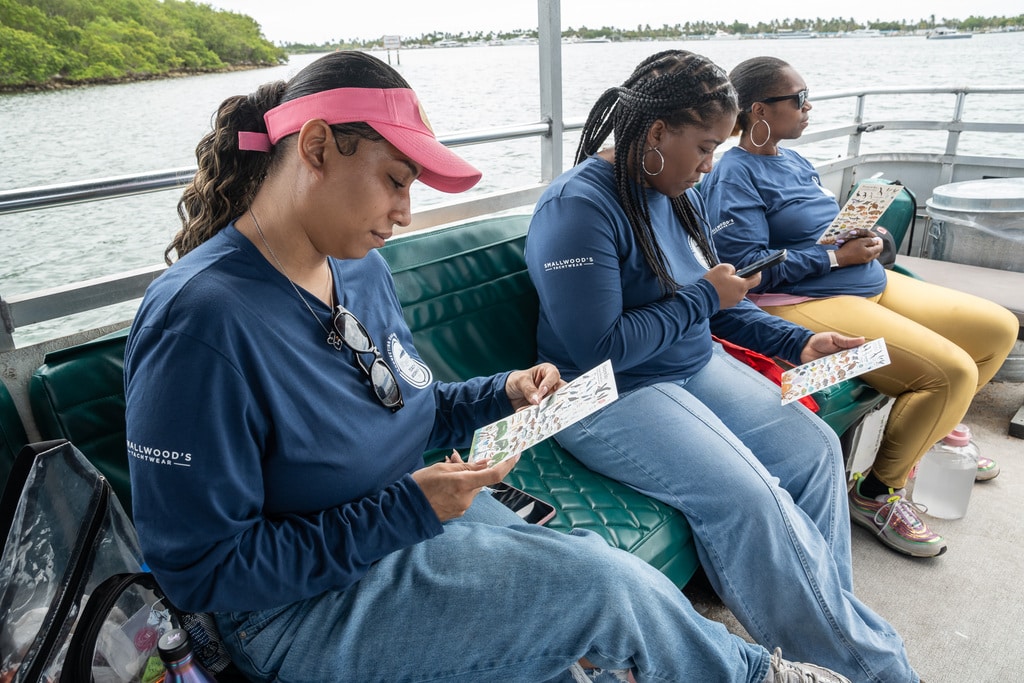
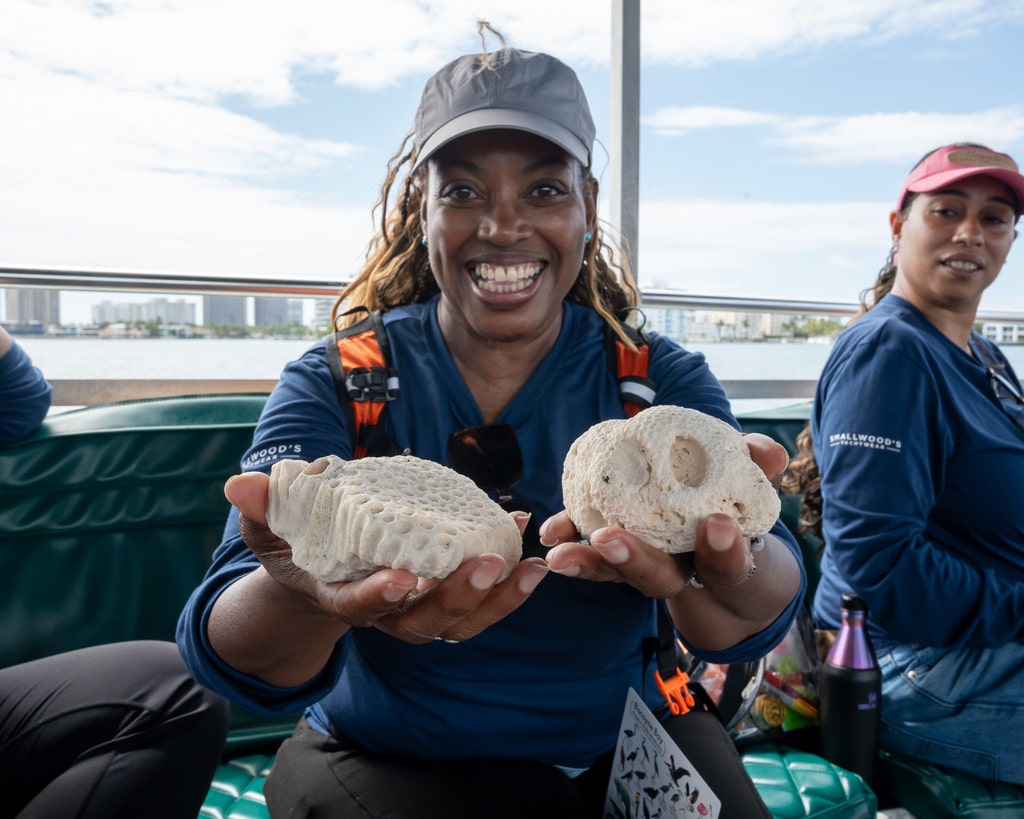
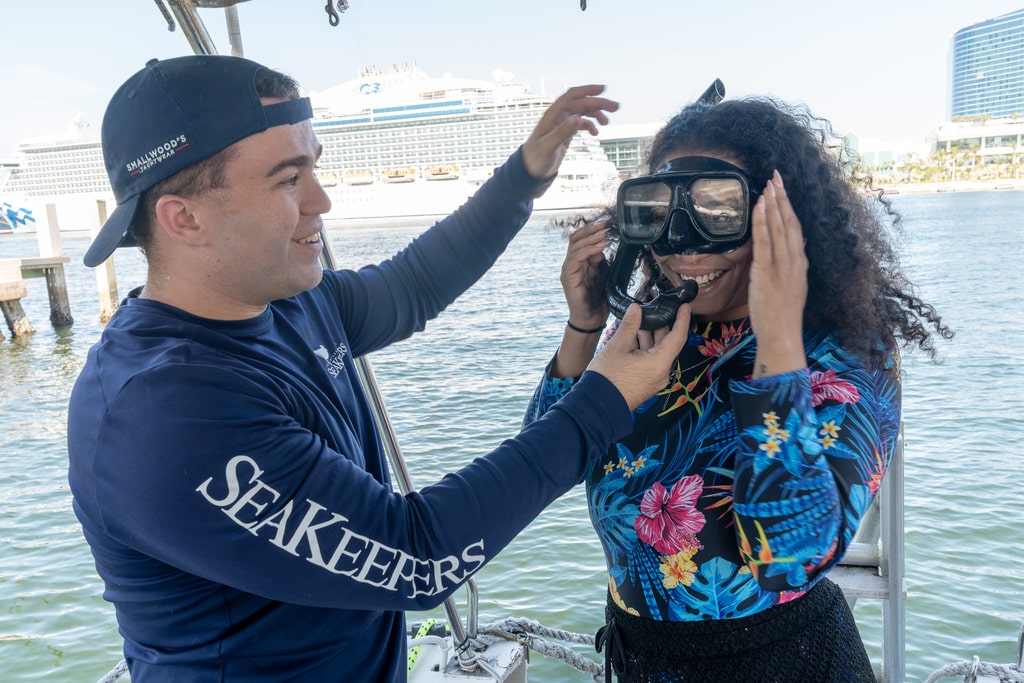
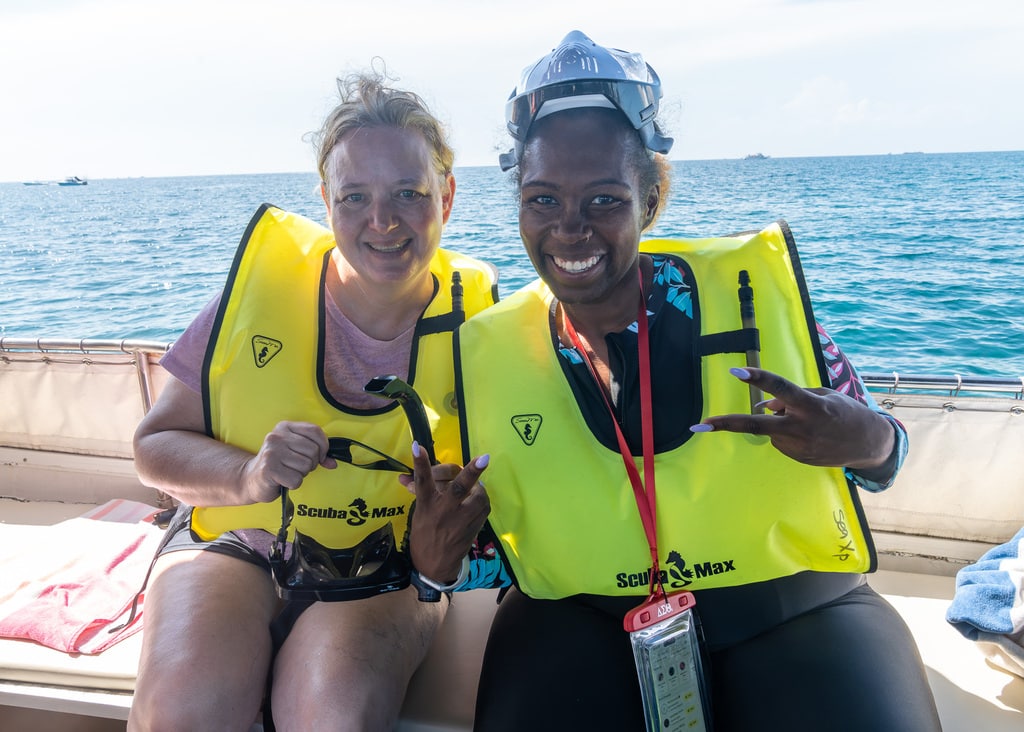
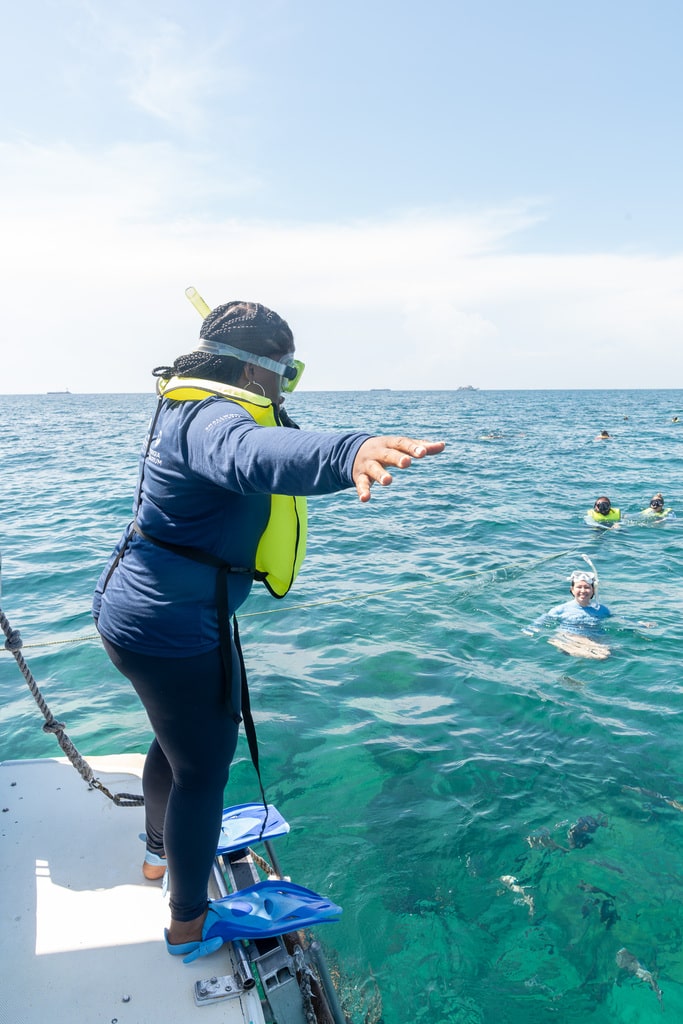
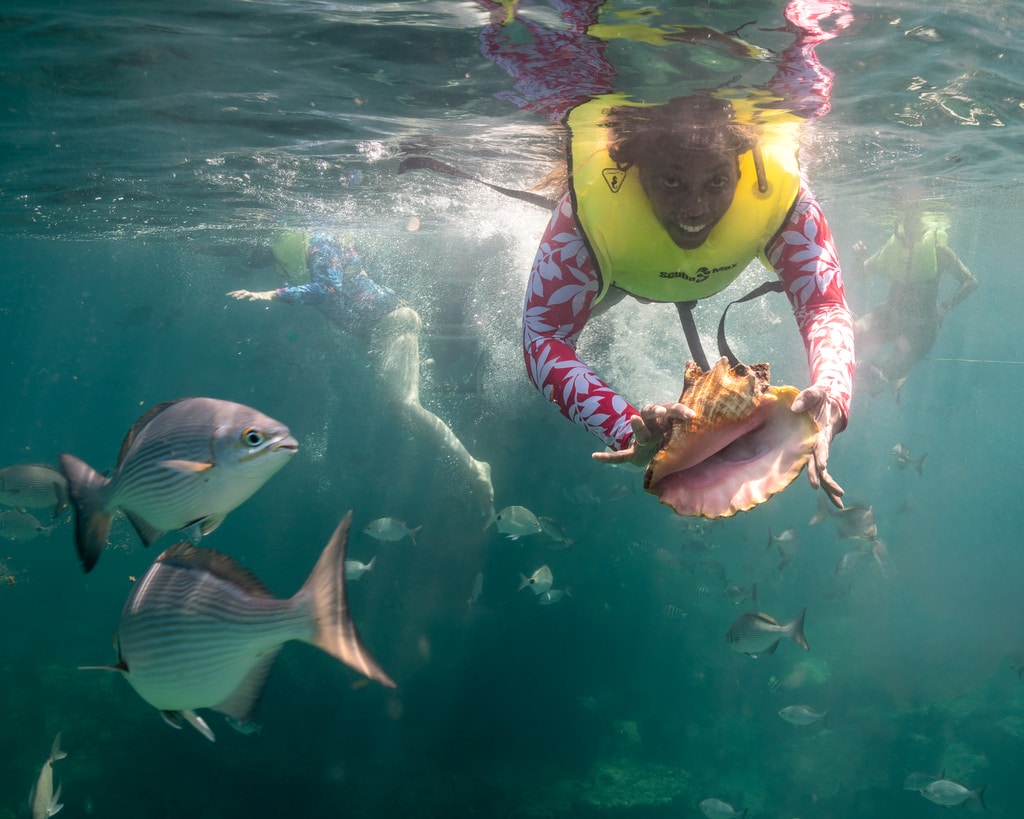
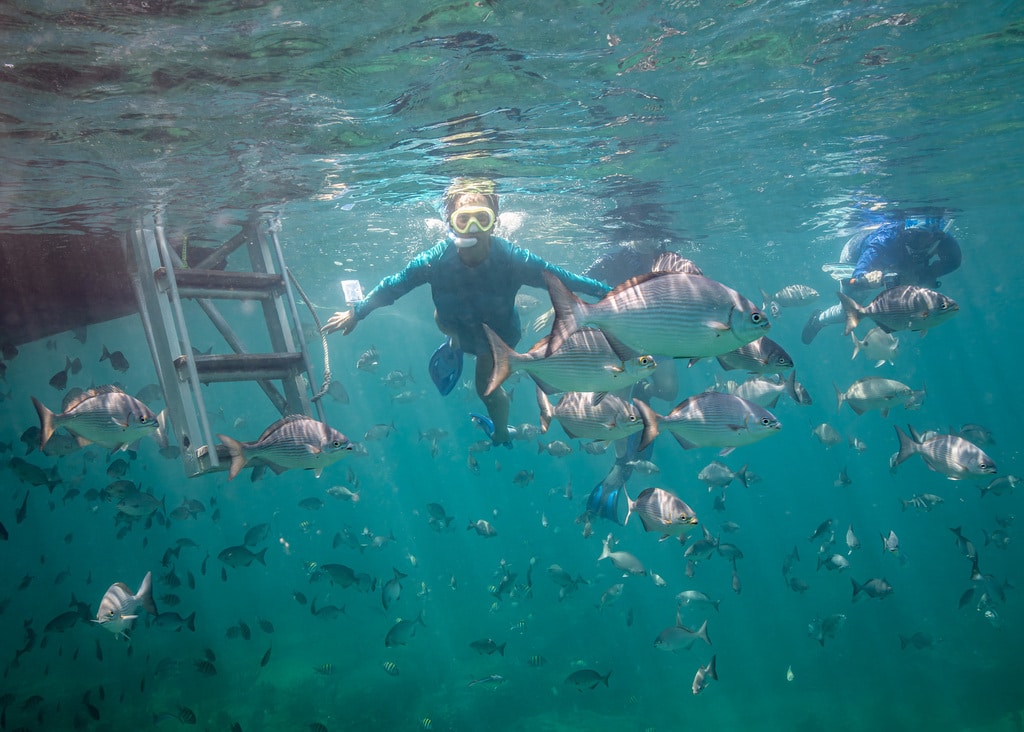
To start the third day of the workshop, we headed to local dive shop Sea Experience in Fort Lauderdale for a boat-based snorkel experience. We spent a handful of hours at the site, observing a multitude of marine species and practicing species identification using species ID cards of both Biscayne Bay and coral reefs. Some of these ID cards were those produced by the SeaKeepers team with the help of partner artist Kelly Quinn and Canvas of the Wild. Our educators were able to spot several species during their time in the water, including chub, sergeant major, angelfish, and parrotfish, among many more. Crystal clear waters also allowed the teachers to see some healthy corals despite rising ocean temperatures and other dangers to coral health in South Florida.
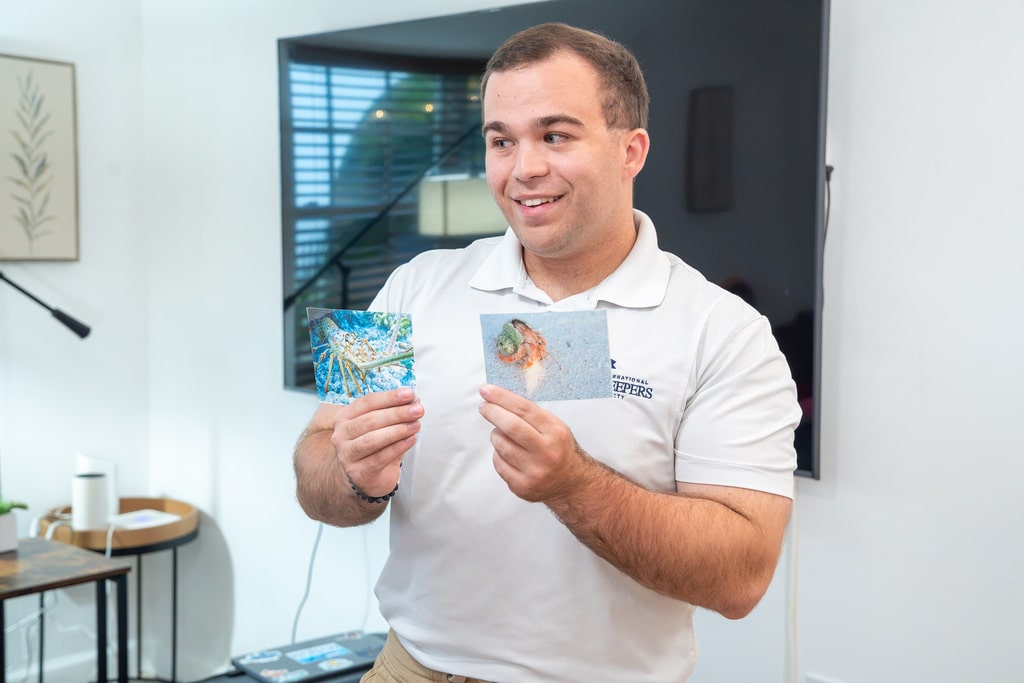
After this activity, we moved on with a final activity led by SeaKeepers’ Educational Outreach Manager, Jack. This activity, Creatures from the Beach, saw teachers got to put their new physiology and species ID skills to use, differentiating key animals and plants into groups and determining relations in them. After this activity, we wrapped up our third day with a discussion we call “Bringing it Home” aimed at applying the concepts learned to the environments in Georgia that the teachers live and work in. Many teachers shared the challenges and limitations they face in their classrooms, including concerns of limited accessibility to resources that would allow them to take their students out of the classroom and into the environment. We wrapped up our conversation by sharing tools and resources that will best allow these teachers to engage their students in marine science, conservation and field activities in their local communities.
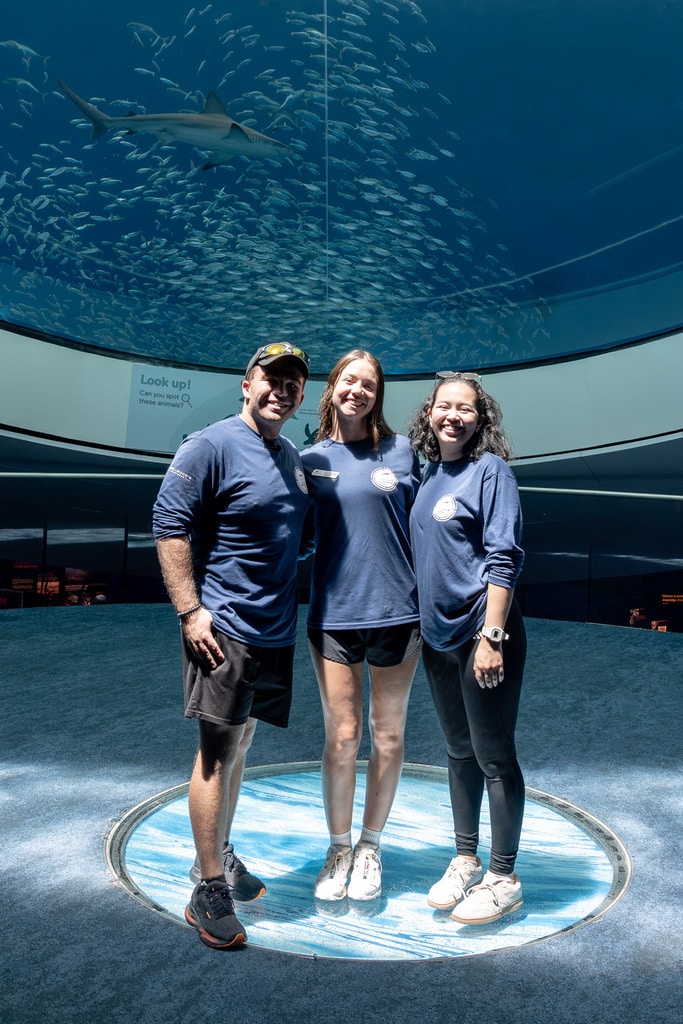
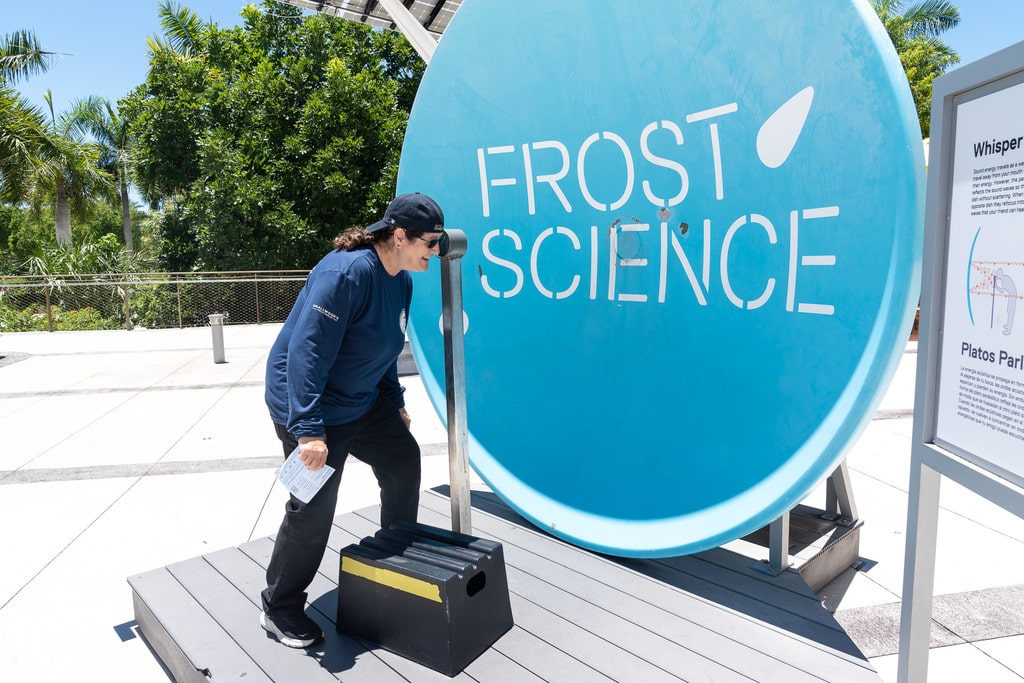
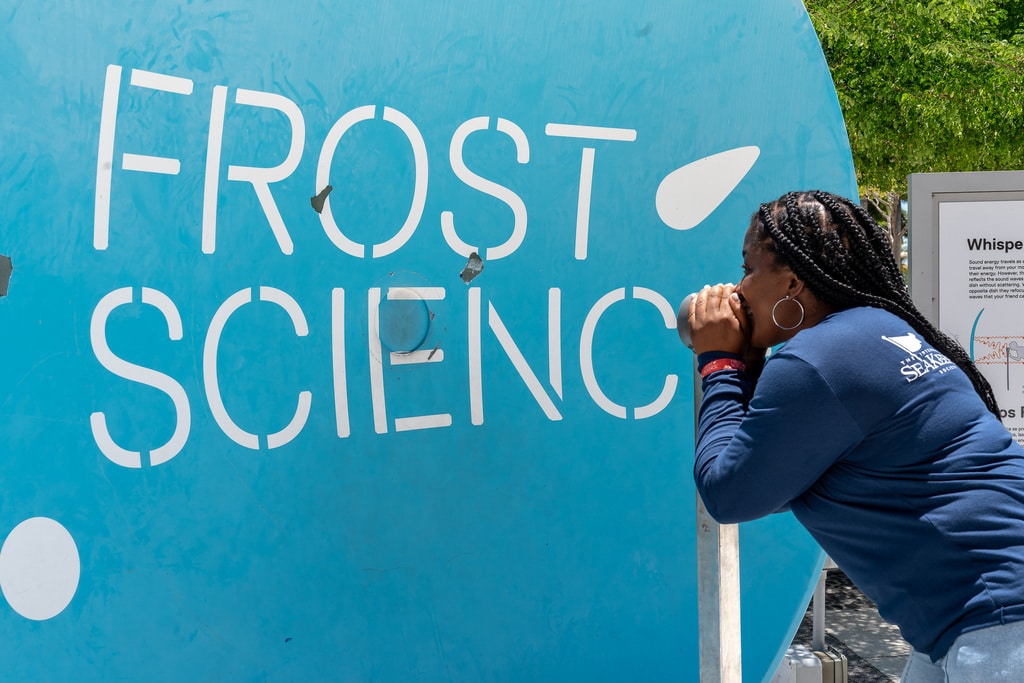
To conclude our weekend with the educators, the SeaKeepers and the Georgia Aquarium team brought the teachers to the Philip and Patricia Frost Museum of Science in Miami, where they were able to explore the exhibits and the aquarium. Several teachers also volunteered to participate in video and interview testimonials about their experience with us. Our educators will be leaving this experience with not only great memories, but with a full online database of resources to incorporate into their classrooms, including free lesson plans, teaching graphics, nature center contacts, grant opportunities, as well as physical resources such as their own Earth Echo water quality kits. By curating and providing free open access to the vast array of educational resources SeaKeepers has produced, we hope to build a long-lasting relation between our team and the educators, as well as further extend the impact so these teachers can reap the benefits of this experience for many years.
We had an amazing weekend with all of the teachers, and we look forward to maintaining our connections with them for years to come!
Partner Sites
Photo Gallery