
IJSKP 2026 – Mapping for People and Planet with Seabed 2030
- February 27, 2026
- Singapore, Australia, New Zealand
Project Overview
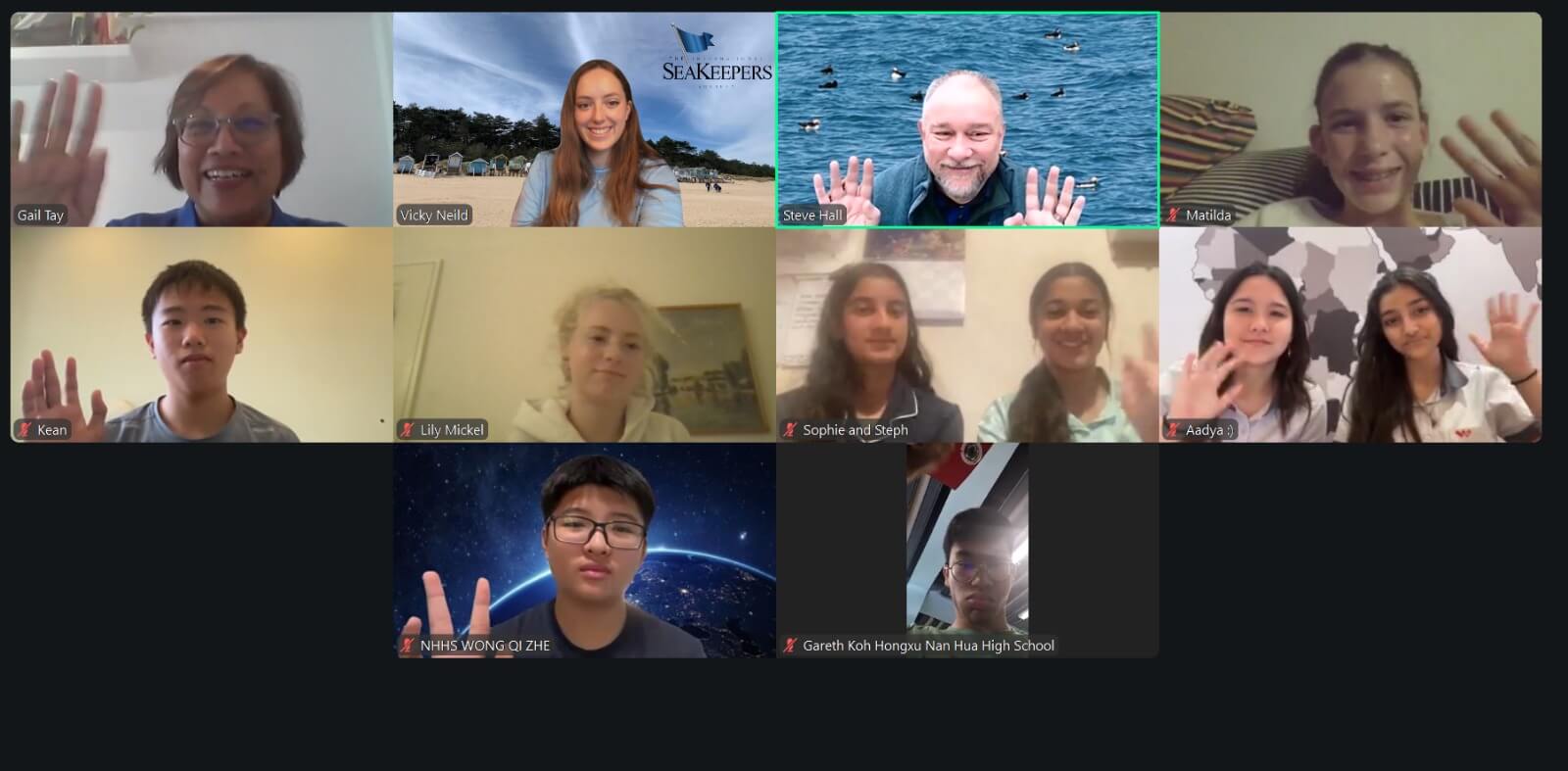
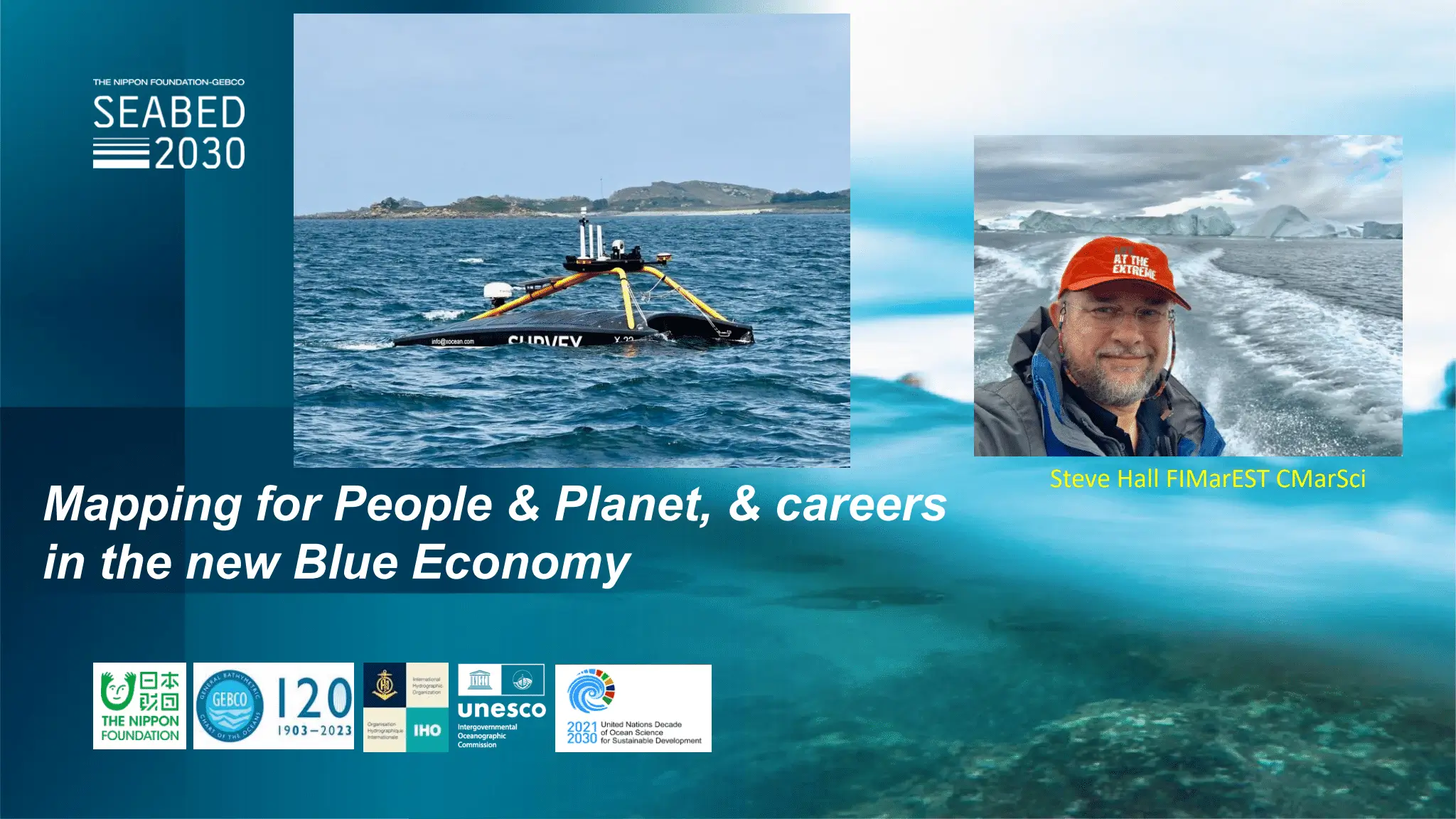
On February 27 , the third webinar in the International Junior SeaKeepers Programme (IJSKP) 2026 series featured Steve Hall, Head of Partnerships at Seabed 2030. As one of SeaKeeper’s valued citizen science partners, Seabed 2030 has an ongoing relationship with SeaKeepers, and we are proud to actively support this important programme and its mission to map the world’s ocean floor.
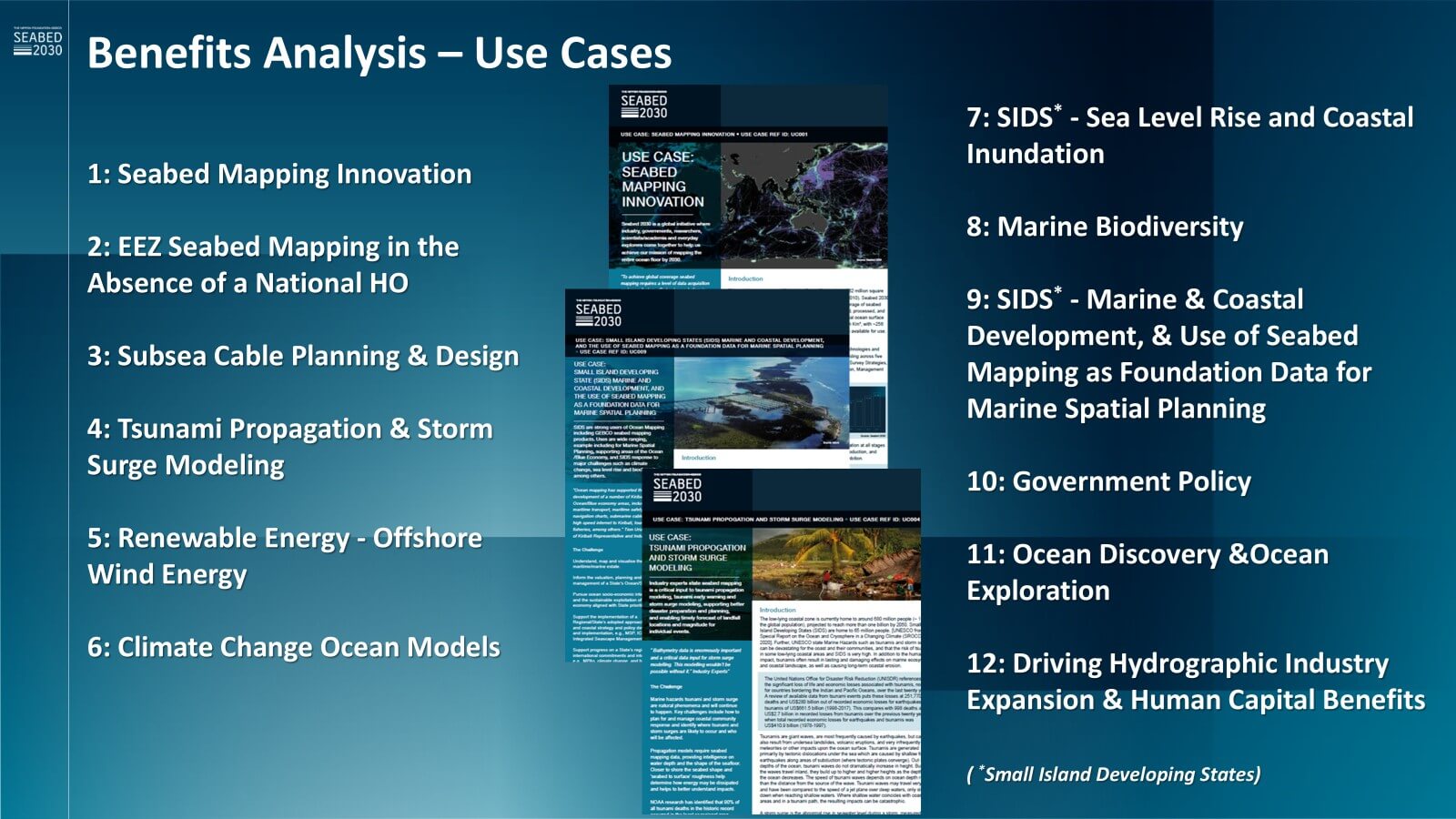
Steve delivered an engaging and informative presentation on the growing importance of ocean mapping in an era of changing marine use. He explored how new systems of marine spatial planning are emerging to manage multiple activities within increasingly crowded maritime spaces, highlighting why accurate seabed data is essential for informed decision-making.
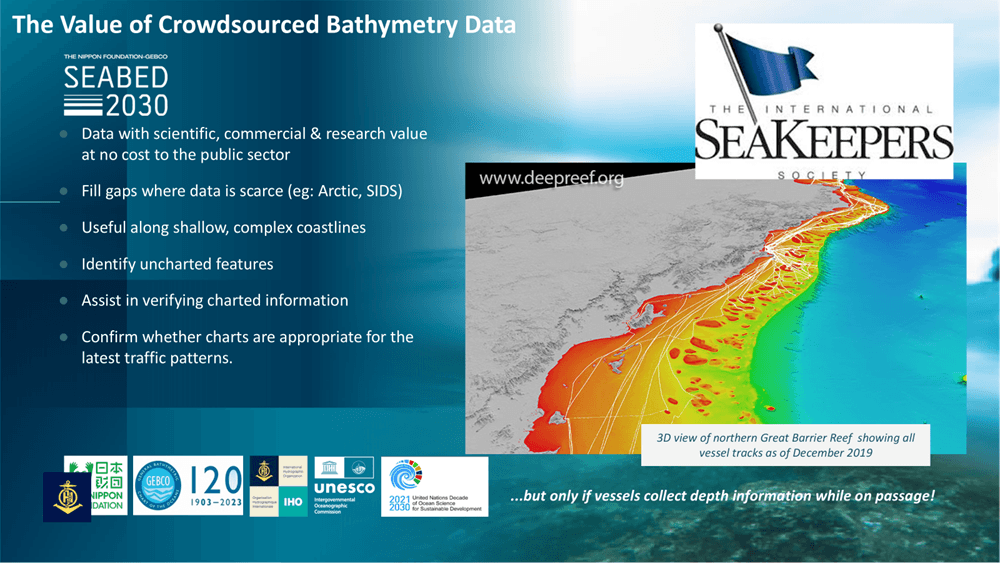
The session traced the history of the General Bathymetric Chart of the Oceans (GEBCO), founded in 1903 by Prince Albert I of Monaco, and explained how Seabed 2030 serves as an accelerator for GEBCO’s ambitious goal of producing a complete map of the world’s seabed by 2030. Steve shared updates on current progress, the challenges involved in mapping the ocean floor, and emerging innovations including robotic technologies and citizen science contributions.
He also discussed how climate change, sea-level rise, and geopolitical changes are reshaping our relationship with the ocean. Particular attention was given to the High Seas Treaty, the landmark legally binding UN agreement adopted in 2023 to conserve and sustainably manage marine biodiversity in areas beyond national jurisdiction, covering nearly two-thirds of the ocean.
The webinar concluded with an inspiring look at future ocean technologies and the diverse career opportunities emerging within the new blue economy , leaving the Junior SeaKeepers’ participants with a deeper appreciation of the vital role ocean mapping plays in understanding and protecting our blue planet.
Partner Sites
Photo Gallery