
AI-Assisted Monitoring of Florida Artificial Reef Fisheries

Project Overview:

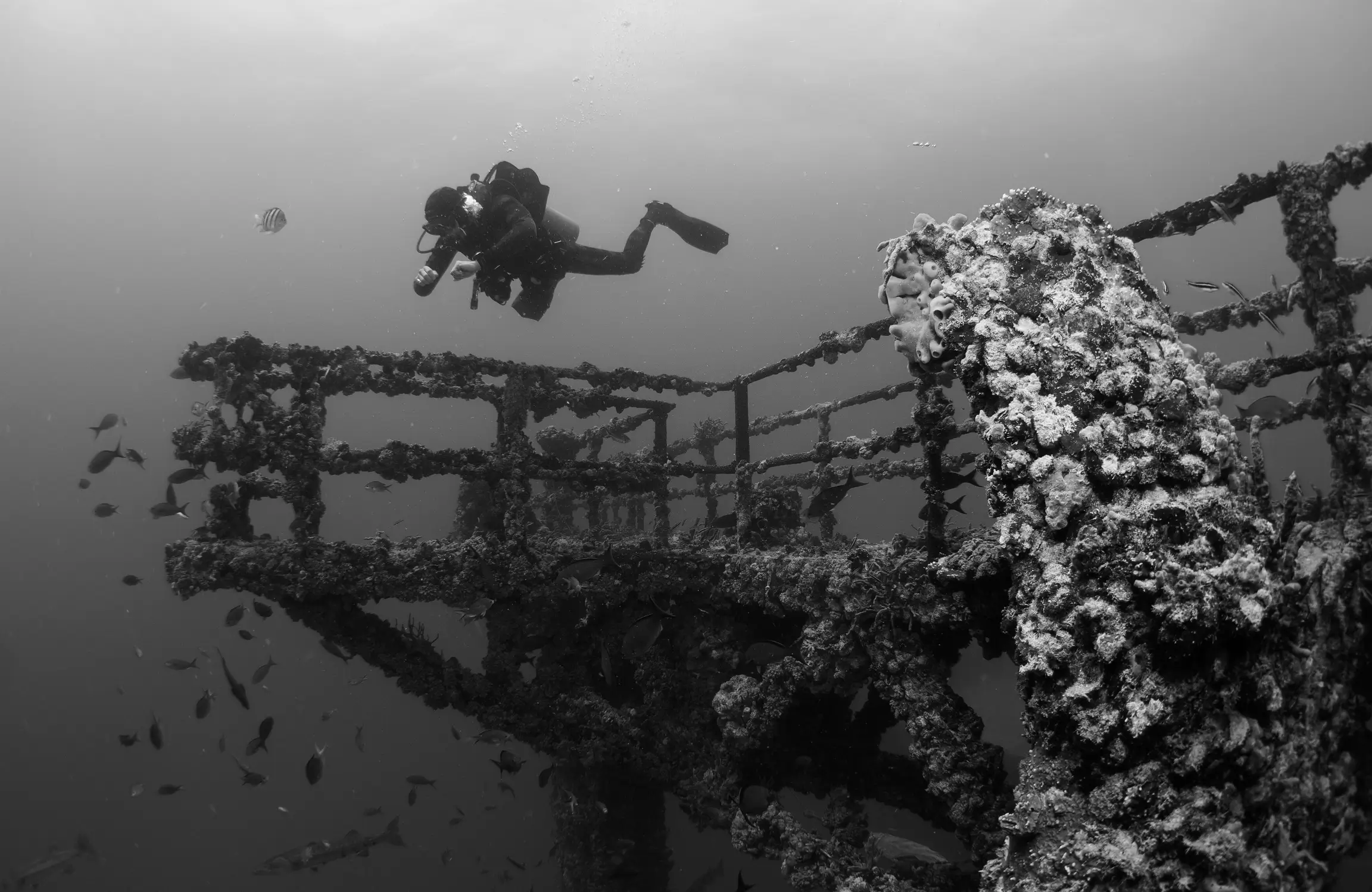
Researchers from Nova Southeastern University (NSU) are developing and validating an integrated underwater video monitoring system to improve how fish communities are studied on artificial reefs in South Florida. The project will combine traditional scientific diving surveys with diver-mounted cameras, baited and unbaited stereo-video systems, and emerging artificial intelligence tools to explore more efficient and repeatable methods for monitoring fish populations.

Fieldwork will take place on approximately five existing vessel reefs offshore Broward County, Florida. Researchers will compare modified Reef Visual Census surveys with underwater video collected using multiple camera configurations. Expert-reviewed footage will then be used to test AI-assisted fish detection, tracking, and species identification.

The project will also evaluate the practical requirements for longer-term underwater monitoring, including camera deployment, biofouling, maintenance intervals, equipment reliability, and a proof-of-concept system for transmitting underwater imagery to a surface buoy for semi-live viewing.

Program Partners

  • Nova Southeastern University
  • Fish & Wildlife Foundation of Florida
  • Broward County
  • Florida Fish and Wildlife Conservation Commission

Location

Expected Time Frame

Duration of Expedition

  • 8โ€“10 vessel days distributed across approximately three sampling periods

Accommodation Needed

  • Approximately 6 Researchers + 1 SeaKeepers Representative, no overnight accommodations required

Special Equipment Needed

  • Licensed captain
  • Safe and easy access to the water, such as a swim platform
  • Adequate open deck space for four scientific divers with SCUBA tanks and gear
  • Deck space for two small weighted stereo-camera frames, surface buoys, lines, and associated field equipment
  • Sufficient working space to safely prepare, deploy, and recover camera systems

Expedition parameters listed above are flexible and negotiable.

5055233 (1)

Background:

Artificial reefs are an important component of South Floridaโ€™s marine habitat and support a variety of recreationally and ecologically important fishes, including snappers, groupers, hogfish, jacks, grunts, and other reef-associated species. However, monitoring fish communities on large vessel reefs can be challenging due to their substantial vertical relief, structural complexity, and the limited amount of time divers can spend underwater.

Diver-based visual surveys provide valuable biological information but require experienced observers and significant field effort. Remote underwater video can increase sampling duration and provide a permanent visual record, but different camera methods can introduce their own sampling biases, while the large volumes of footage generated require considerable time for researchers to review.

Recent advances in affordable underwater camera systems and AI-assisted image and video analysis offer an opportunity to make this monitoring more efficient. Before these technologies can be applied more broadly, researchers need to compare their performance with established scientific survey methods and evaluate practical considerations such as camera placement, maintenance, biofouling, and equipment reliability under real-world field conditions.

Principal Investigator Paul Arena has extensive experience studying fish communities on South Florida artificial reefs, including previous research comparing fish assemblages on sunken vessels and natural reefs. This project builds upon that work by combining established fisheries survey methods with emerging underwater imaging and artificial intelligence technologies.

Mission:

The mission of this project is to improve the efficiency, repeatability, and long-term potential of fisheries monitoring on Florida artificial reefs while developing tools that can support future research, conservation, and education.

Key objectives include:

  • Comparing modified Reef Visual Census observations with video collected using diver-mounted cameras
  • Comparing paired baited and unbaited stereo-video surveys using standardized camera systems
  • Evaluating differences among survey methods in fish species detection, relative abundance, size structure, and detection of fisheries-important species
  • Testing AI-assisted fish detection, tracking, and species identification against expert-reviewed underwater video
  • Determining practical camera deployment, biofouling, maintenance, and sampling requirements
  • Testing the feasibility of transmitting underwater imagery to a surface buoy for semi-live viewing
  • Training NSU graduate and undergraduate students in fisheries research, scientific diving, underwater technology, video analysis, and data interpretation

Applications:

The project will help determine whether underwater video and AI-assisted analysis can complement established diver-based methods for monitoring fish communities on artificial reefs. By comparing multiple approaches during the same field surveys, researchers can evaluate which techniques provide reliable biological information while reducing some of the time and effort required for long-term monitoring.

The resulting protocol is intended for broader application to artificial reefs throughout Florida and may provide scientific and technological groundwork for future artificial reef research and monitoring initiatives in Broward County.

The project will also provide hands-on training opportunities for NSU graduate and undergraduate students. Students will participate in fish identification, scientific diving, Reef Visual Census surveys, underwater video collection, video annotation, AI validation, data analysis, and presentation of research findings.

DISCOVERY Vessel support will provide the research team with access to offshore artificial reef sites throughout the year and the working platform necessary to deploy divers and camera systems. Research funding is available to contribute toward fuel expenses when needed.

Get Involved

If youโ€™re interested in learning more about this specific program opportunity, please reach out to our team below to find out more about this program or get involved in other opportunities with SeaKeepers.

Explore More Opportunities

img at sea opportunities

At-Sea Opportunities

Browse other research opportunities around the world to support oceanographic research through our other branches of programming.
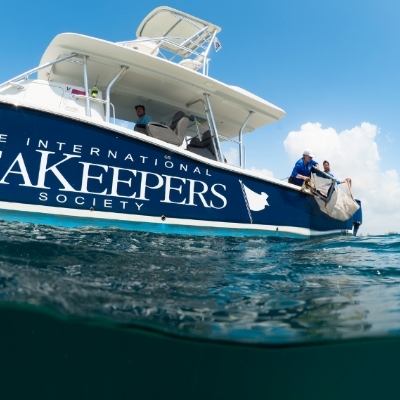
img citizen science opportunities

Citizen Science Opportunities

Browse other citizen science opportunities around the world to support scientists in their research.
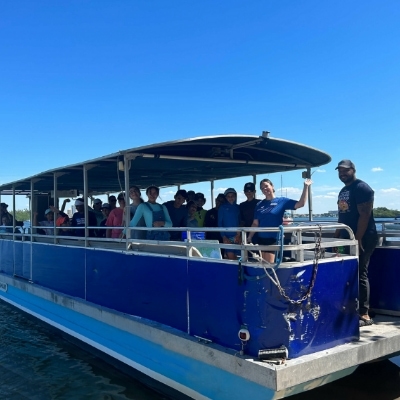
img education opportunities

Education Opportunities

Browse education opportunities in South Florida, the United Kingdom and the South Pacific to support educational outreach for students.
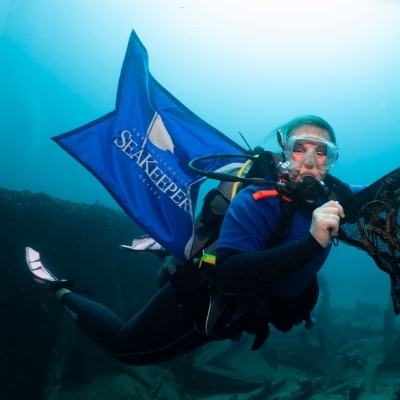
img community opportunities

Community Opportunities

Browse community engagement opportunities in South Florida, the United Kingdom and the South Pacific to support local social responsibility and policy change.
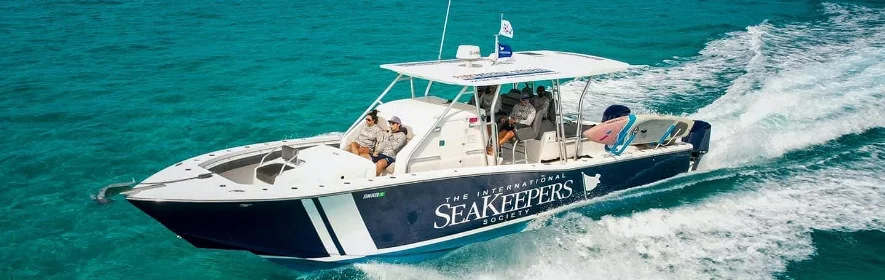
img get involved form

Get Involved

To discover more about this program and contribute to the crucial work of ocean conservation and scientific research, please fill out the form below and a member of our programming team will reach out to you with more details.

"*" indicates required fields

This field is for validation purposes and should be left unchanged.