
Far Out Offshore Dolphin Project – Long-Term Monitoring of Offshore Cetaceans
Project Overview:
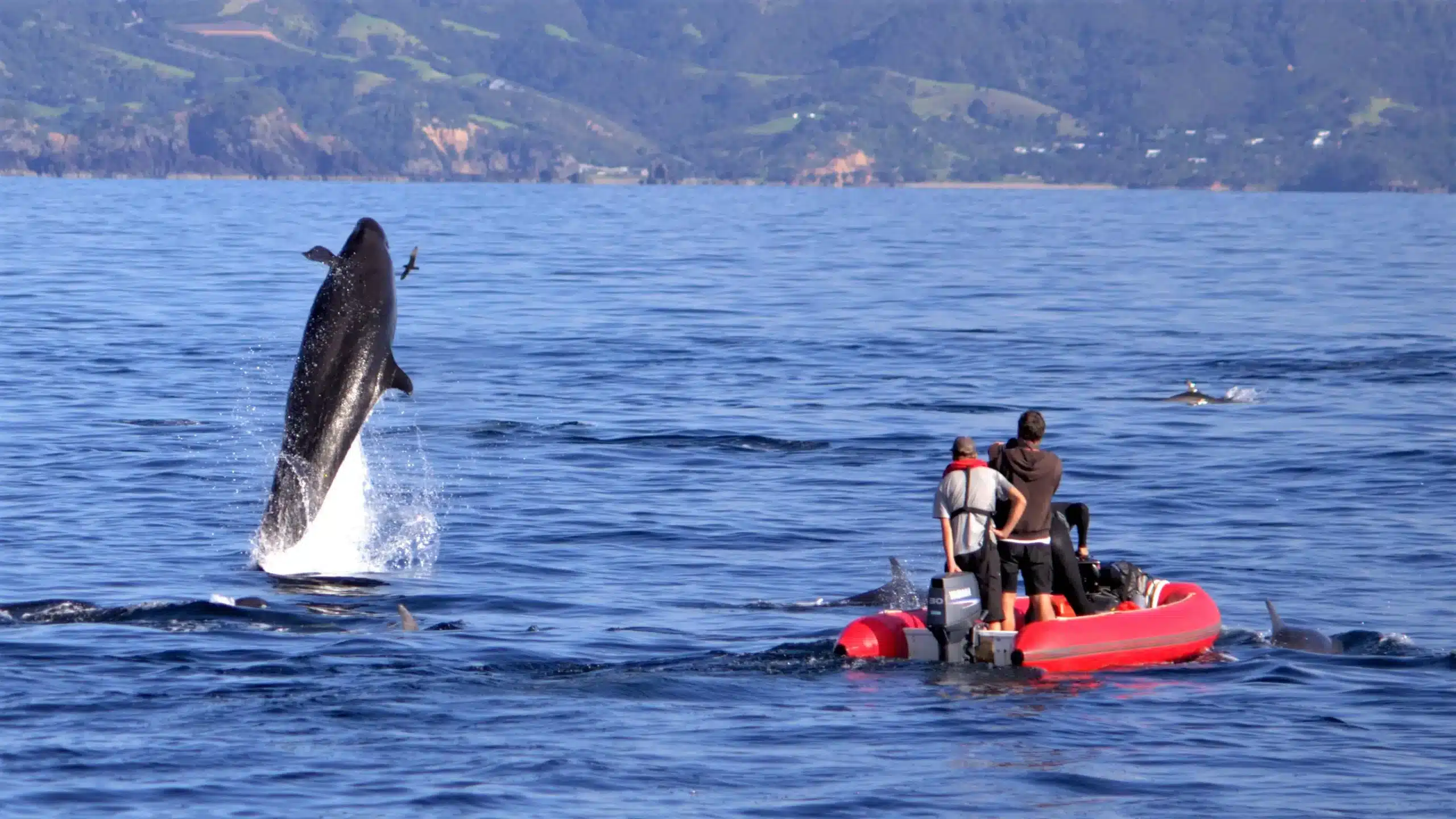
The Far Out Offshore Dolphin Project is a long-term research program investigating the occurrence, site fidelity, population dynamics, and social structure of offshore cetaceans in northeastern New Zealand. The project focuses particularly on three species that regularly associate with one another: false killer whales, pilot whales, and oceanic bottlenose dolphins. Using standardized photo-identification surveys, the research team builds individual identification catalogues to assess population size, seasonal movements, site fidelity, social organization, and inter-specific associations.
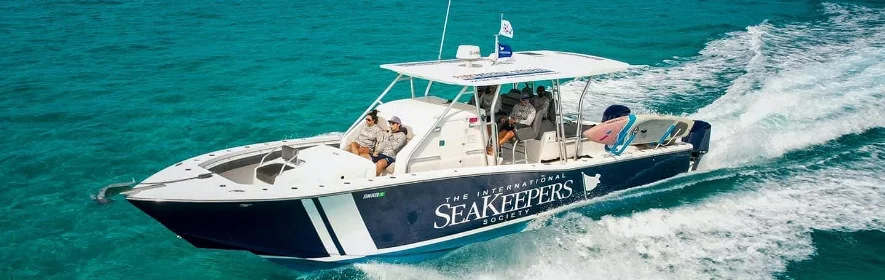
The project is seeking vessel support for a series of offshore surveys between November and May. These surveys will contribute to an ongoing dataset spanning more than two decades and will help address important knowledge gaps concerning offshore cetacean populations, habitat use, social structure, and responses to environmental change.
Program Partners
- Far Out Ocean Research Collective
Location
- Waters between North Cape and East Cape, New Zealand, with Greater Auckland, Whangārei, or Tauranga identified as suitable departure locations.
Expected Time Frame
- November through May
Duration of Expedition
- Up to 49 vessel days, ideally divided into several 5–7 day survey periods. The preferred approach is approximately seven days of surveying each month between November and May.
Accommodation Needed
- 2-3 research personnel
Special Equipment Needed
- Access to a tender or smaller vessel
- Unobstructed standing room on the bow or the flybridge for two researchers to conduct cetacean observations and photographic identification
Expedition parameters listed above are flexible and negotiable.
Background:
The Far Out Offshore Dolphin Project has been studying New Zealand’s offshore dolphins and whales since 2000, building one of the country’s longest-running datasets on these fascinating and little-known animals.
The project focuses on three species that are often seen travelling together: false killer whales, pilot whales, and oceanic bottlenose dolphins. By photographing the unique markings on individual animals, researchers can recognize them over many years and learn more about where they travel, how long they stay in an area, and who they choose to associate with.
This long-term work has revealed some remarkable stories. The Far Out team has identified a population of around 150 false killer whales, with some of the same individuals returning to northeastern New Zealand waters over many years. False killer whales and oceanic bottlenose dolphins are also frequently seen together, with the two species occurring together in around 95% of encounters.
More than 1,000 oceanic bottlenose dolphins have also been identified in New Zealand waters, with many individuals returning to the same areas over time. Pilot whales are regularly encountered as well, although much less is known about their lives at sea.
These encounters offer a rare window into the social lives of New Zealand’s offshore whales and dolphins. Continued surveys help researchers build a clearer picture of these animals and how their movements and relationships may be changing over time. The expedition will contribute to this important long-term research by helping the Far Out team continue to find, photograph, and identify individual whales and dolphins in New Zealand waters.
Mission:
To improve understanding of the abundance, habitat use, population dynamics, and social structure of offshore dolphins and associated cetaceans, with particular focus on the drivers of inter-specific associations and the impacts of environmental change on their ecology.
Applications:
The Far Out Offshore Dolphin Project provides long-term data on offshore cetacean populations that can support conservation and management in New Zealand. Photo-identification data contribute to estimates of population size, individual survival and resighting patterns, seasonal occurrence, site fidelity, social organization, and species associations.
The project’s findings have already contributed to conservation-status assessments for false killer whales and oceanic bottlenose dolphins in New Zealand. Research conducted by Far Out members has also helped identify the distinct characteristics and ecological patterns of these offshore populations, including the seasonal movements and inter-specific associations that may influence their habitat use and conservation needs. Data gathered have also contributed to the assessment of Important Marine Mammal Areas (IMMAs), off north-eastern New Zealand.
Continued surveys will extend an established long-term dataset and help identify changes in population composition, distribution, site fidelity, and social structure over time. The resulting information can inform marine management and conservation planning, particularly for offshore species for which relatively little systematic at-sea information is available.
The project also has an important data-sharing and capacity-building component. Data will be made available to relevant iwi for dissemination with rangatahi, while long-term datasets may also be made available to students to support skills development and enable young people without access to their own field programs to work with real offshore cetacean data.
Relevant/Previous Scientific Publication(s):
- Zaeschmar et al. (2014) – Occurrence of false killer whales off northeastern New Zealand
- Zaeschmar et al. (2020) – Occurrence, site fidelity and associations of oceanic common bottlenose dolphins off northeastern New Zealand
- Zaeschmar & Estrela (2022) – The False Killer Whale, in Handbook of the Mammals of Europe
- Zaeschmar & Baird (2025) – The False Killer Whale, in Ridgeway & Harrison's Handbook of Marine Mammals, Vol. 2: The Oceanic Dolphins
Program Partners:
Get Involved
If you’re interested in learning more about this specific program opportunity, please reach out to our team below to find out more about this program or get involved in other opportunities with SeaKeepers.
Explore More Opportunities
At-Sea Opportunities
Citizen Science Opportunities
Education Opportunities