
Habitat Use, Behavior, and Tourism Impacts on Whale Sharks and Mobula Rays in the Southern Gulf of California

Project Overview:

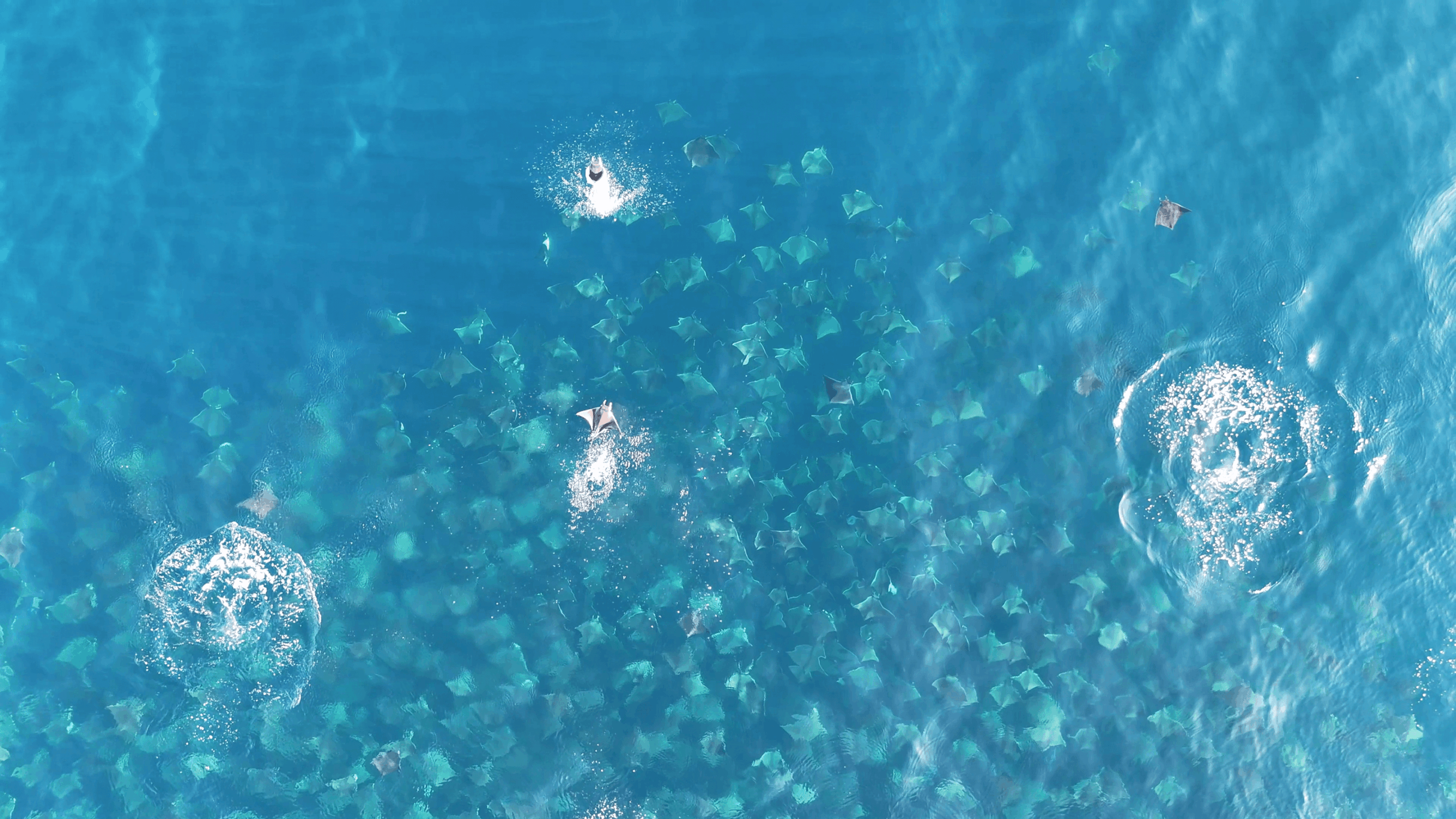
The southern Gulf of California is a globally significant habitat for whale sharks (Rhincodon typus) and mobula rays, including large seasonal aggregations of Mobula munkiana. Unlike most known whale shark aggregation sites, which are dominated by juvenile males, this region supports both juvenile males and large, mature females at different times of year, making it the only known area where these two groups occur within the same region. The ecological drivers behind this unique pattern remain poorly understood.

In recent years, tourism in the region has increased rapidly, particularly around mobula ray aggregations in La Ventana Bay and the waters surrounding Cerralvo Island. More than 70 operators now conduct tourism activities with these species, generating an estimated USD 8.5 million annually for local communities. However, this growth has occurred with limited regulation, and little is known about the natural behavior of mobula rays during these aggregations or how tourism activities may affect them.

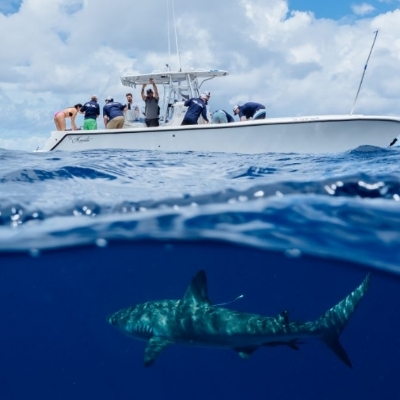
Through a series of marine expeditions, this project will investigate habitat use, movement patterns, and behavior of whale sharks and M. munkiana to identify critical areas for conservation and assess the impacts of tourism. Working in collaboration with local communities and government partners (SEMARNAT), the project aims to translate scientific findings into practical recommendations for sustainable tourism and vessel management, supporting the long-term protection of these species and the broader Gulf of California ecosystem.

Program Partners

  • Whale Shark Mexico

Location

Expected Time Frame

Duration of Expedition

  • 7-8 Days

Accommodation Needed

  • Maximum of 8 Researchers

Special Equipment Needed

  • Licensed Captain, Access to a tender or smaller vessel

Expedition parameters listed above are flexible and negotiable.

Screenshot 2025 12 19 at 4.22.07 PM (1) (1)

Background:

Whale sharks and mobula rays face increasing conservation challenges despite their ecological importance. Whale sharks are listed as Endangered on the IUCN Red List, with global declines driven by threats such as vessel strikes, bycatch, and disturbance from unregulated tourism. Mobula rays in the Gulf of California, including M. munkiana, range from Vulnerable to Critically Endangered and are also experiencing population declines.

The southwestern Gulf of California, particularly La Ventana Bay, has recently been designated an Important Shark and Ray Area (ISRA) by the IUCN due to its ecological significance. This region supports high marine biodiversity and hosts one of the largest known mobula ray aggregation events in the world. At the same time, it has experienced rapid growth in ecotourism activities, including swimming and freediving with mobula rays, often without clear guidelines or enforcement.

While whale sharks are legally protected in Mexico and some local tourism regulations exist, management efforts remain fragmented and largely focused on coastal juvenile aggregations. Limited scientific data on habitat use, behavior, and overlap with human activities โ€” particularly for mature female whale sharks and large mobula ray aggregations โ€” has hindered the development of effective, evidence-based management strategies. This project seeks to address these gaps by establishing a scientific baseline to better balance species protection with the growing socioeconomic importance of marine wildlife tourism in the region.

Mission:

The goal of this project is to assess habitat use, behavior, and vulnerability to human impacts of whale sharks and Mobula munkiana aggregations in the southern Gulf of California.

Key objectives include:
-Identifying critical whale shark habitats, such as feeding, breeding, or nursery areas
-Collecting tissue samples to investigate trophic ecology and foraging depth using stable isotope and mercury analyses
-Analyzing whale shark behavior to inform protection of high-use areas and support sustainable ecotourism practices
-Documenting natural behavior within M. munkiana aggregations, including potential reproductive functions
-Assessing the effects of human presence and behavior on mobula ray aggregations, considering aggregation size and number of people in the water

Applications:

This project will generate actionable knowledge to reduce threats to whale sharks and mobula rays in the southern Gulf of California. Through collaboration with local communities, stakeholders, and Mexicoโ€™s Ministry of Environment and Natural Resources (SEMARNAT), research findings will be translated into locally supported management strategies aimed at reducing disturbance and mortality, strengthening habitat protection, and supporting long-term conservation.

The project also emphasizes education and outreach. Public lectures, school visits, and community events in La Paz and Cabo San Lucas, along with partnerships with local tourism operators, will promote responsible ecotourism practices. Digital outreach in both Spanish and English will further broaden awareness and encourage public stewardship of whale sharks and Mobula munkiana.

Get Involved

If youโ€™re interested in learning more about this specific program opportunity, please reach out to our team below to find out more about this program or get involved in other opportunities with SeaKeepers.

Explore More Opportunities

img at sea opportunities

At-Sea Opportunities

Browse other research opportunities around the world to support oceanographic research through our other branches of programming.
img citizen science opportunities

Citizen Science Opportunities

Browse other citizen science opportunities around the world to support scientists in their research.
img education opportunities

Education Opportunities

Browse education opportunities in South Florida, the United Kingdom and the South Pacific to support educational outreach for students.
img community opportunities

Community Opportunities

Browse community engagement opportunities in South Florida, the United Kingdom and the South Pacific to support local social responsibility and policy change.
img get involved form

Get Involved

To discover more about this program and contribute to the crucial work of ocean conservation and scientific research, please fill out the form below and a member of our programming team will reach out to you with more details.

"*" indicates required fields

This field is for validation purposes and should be left unchanged.