




Manta and Devil Rays of the Western Atlantic

Project Overview:

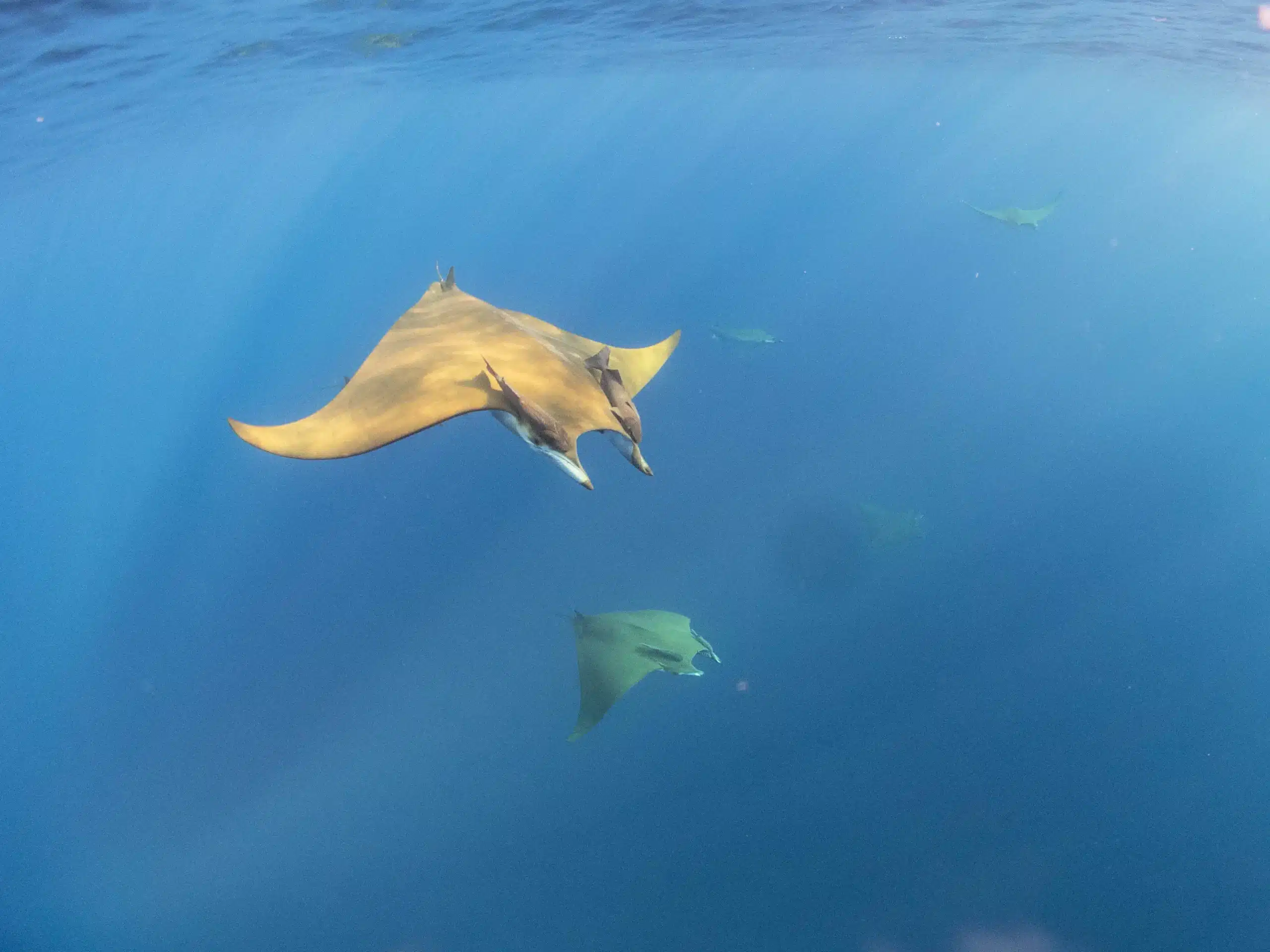
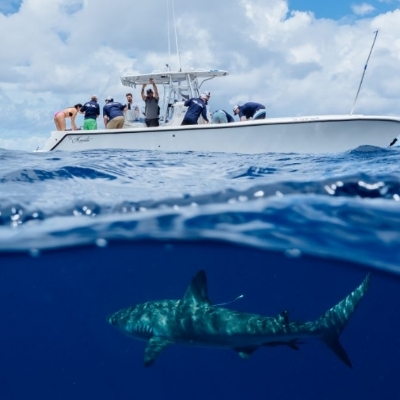
The Marine Megafauna Foundation (MMF) is seeking vessel support for a five-day Scientist-Led Expedition to study mantaand devil rays around offshore canyons and seamounts in the western North Atlantic.
Although manta rays have received increasing scientific attention, significant gaps remain in our understanding of their ecology, movements, and connectivity across the Atlantic. Even less is known about western Atlantic devil ray populations, which have not previously been the focus of a dedicated research expedition in this region.
Researchers plan to use satellite tagging, photographic identification, behavioral observations, genetic sampling, and drone surveys to establish baseline information about these threatened species. The resulting data will help identify critical habitats, clarify population connectivity, and inform future conservation and management efforts.

Program Partners

  • Marine Megafauna Foundation
  • Florida Manta Project
  • NOAA Fisheries

Location

Expected Time Frame

Duration of Expedition

  • Five days, with the possibility of recurring expeditions as the project develops.

Accommodation Needed

  • 2 - 4 Researchers + 1 SeaKeeper Representative

Special Equipment Needed

  • Swim platform (hydraulic or stationary) or easy access to water & clear deck space suitable for launching and recovering a drone

Expedition parameters listed above are flexible and negotiable.

MMF

Background:

The Marine Megafauna Foundation conducts research to advance the understanding and conservation of threatened marine megafauna, including manta and devil rays. In the western Atlantic, MMF researchers have contributed to studies examining mobulid distribution, habitat use, movements, and interactions with human activities.

Previous work has identified a rare nursery habitat for juvenile manta rays in South Florida and important mating and foraging habitat used by adults. In collaboration with NOAA, researchers have also satellite-tagged manta rays near the Mississippi River Delta to better understand their movements and potential overlap with shrimp trawl fisheries.

This work has expanded to include other mobulid species. Recent research confirmed an extension of the known range of the sicklefin devil ray, Mobula tarapacana, in the western North Atlantic, with observations indicating that offshore waters of the northeastern United States may provide important seasonal habitat. Building on these findings, MMF now seeks to conduct the first dedicated field expedition focused on manta and devil rays in this region.

Mission:

The mission of this project is to collect baseline data on the understudied and threatened manta and devil rays of the western Atlantic.

Project objectives include:

  • Identifying new study areas for mobulid rays in the Atlantic, including the Northeast Canyons
  • Collecting behavioral observations and biological samples
  • Using satellite telemetry to study ray movements and potential overlap with fisheries
  • Identifying critical habitats for mobulids in the western Atlantic
  • Sharing findings with resource managers, conservation organizations, students, and the public

Applications:

Manta and devil rays face significant conservation pressures, yet limited information is available about their distribution, movements, habitat use, and population connectivity in the western North Atlantic. Establishing baseline data will help researchers better assess the importance of offshore canyons and seamounts to these species and identify areas where they may overlap with fishing activity and other human uses.

The findings will be shared with NOAA Fisheries, the International Union for Conservation of Nature, and other relevant management bodies. Giant manta rays are listed as threatened under the U.S. Endangered Species Act, and additional information about their distribution and habitat use can support future management decisions.

Hudson Canyon has also been considered for designation as a National Marine Sanctuary. Documentation of threatened manta and devil ray species within the area could provide further scientific information relevant to the protection and management of this habitat.

Get Involved

If youโ€™re interested in learning more about this specific program opportunity, please reach out to our team below to find out more about this program or get involved in other opportunities with SeaKeepers.

Explore More Opportunities

img at sea opportunities

At-Sea Opportunities

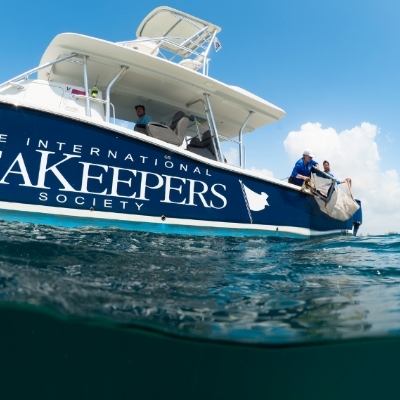
Browse other research opportunities around the world to support oceanographic research through our other branches of programming.
img citizen science opportunities

Citizen Science Opportunities

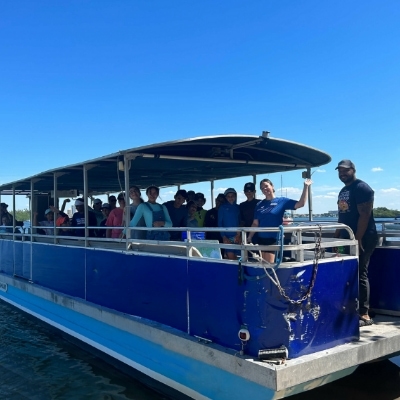
Browse other citizen science opportunities around the world to support scientists in their research.
img education opportunities

Education Opportunities

Browse education opportunities in South Florida, the United Kingdom and the South Pacific to support educational outreach for students.
img community opportunities

Community Opportunities

Browse community engagement opportunities in South Florida, the United Kingdom and the South Pacific to support local social responsibility and policy change.
img get involved form

Get Involved

To discover more about this program and contribute to the crucial work of ocean conservation and scientific research, please fill out the form below and a member of our programming team will reach out to you with more details.

"*" indicates required fields

This field is for validation purposes and should be left unchanged.