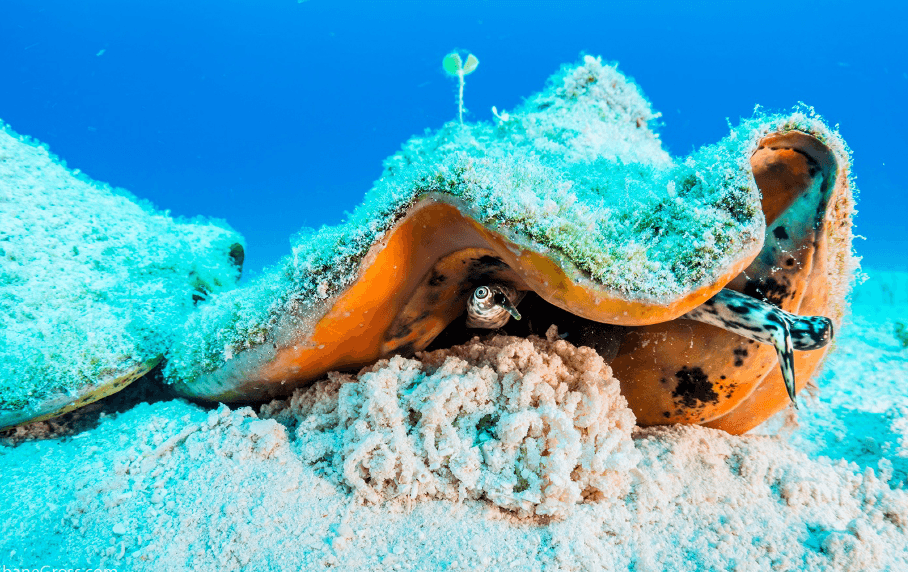
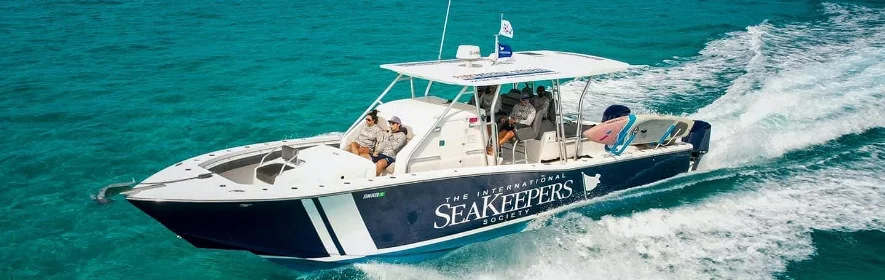
The Perry Institute for Marine Science (PIMS) is seeking vessel support for a one-week expedition to assess shallow and deep-water populations of queen conch throughout the southern Bahamas during their reproductive season. Research efforts will focus on remote islands including Mayaguana, Acklins & Crooked Island, and Ragged Island, where conch populations remain poorly studied due to the logistical challenges and limited diving infrastructure in the region.
Using manta tows, belt transects, and ROV surveys, the research team aims to collect critical ecological data to better understand the status of queen conch populations and identify potential refugia in both shallow and deep-water habitats. Findings from this work will directly support fisheries management and conservation planning efforts in The Bahamas.
Program Partners
Perry Institute for Marine Science
Department of Marine Resources – The Bahamas
Location
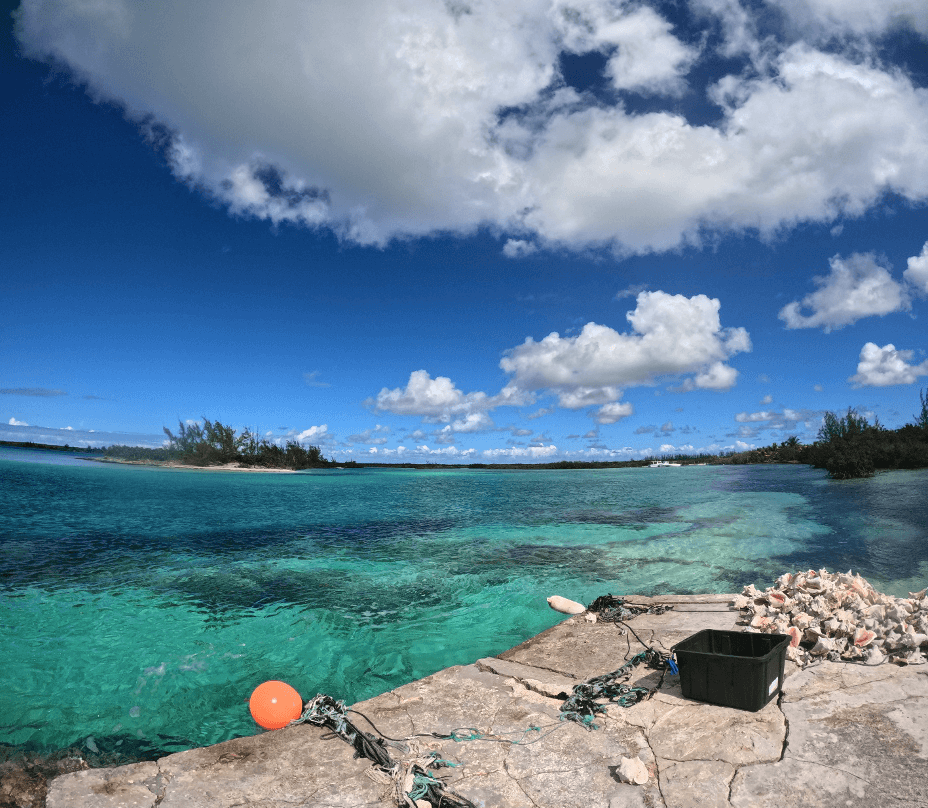
The Bahamas – Mayaguana, Acklins & Crooked Island, Ragged Island
Expected Time Frame
July – September 2027
Duration of Expedition
7 Days
Accommodation Needed
4 Researchers + 1 SeaKeepers Representative
Special Equipment Needed
Licensed captain, Swim platform (hydraulic or stationary) or easy access to the water, Tender or smaller vessel for site access, Compressor for SCUBA diving, and Clear deck space (3–5 ft) for drone and ROV launches
Expedition parameters listed above are flexible and negotiable.
Background:
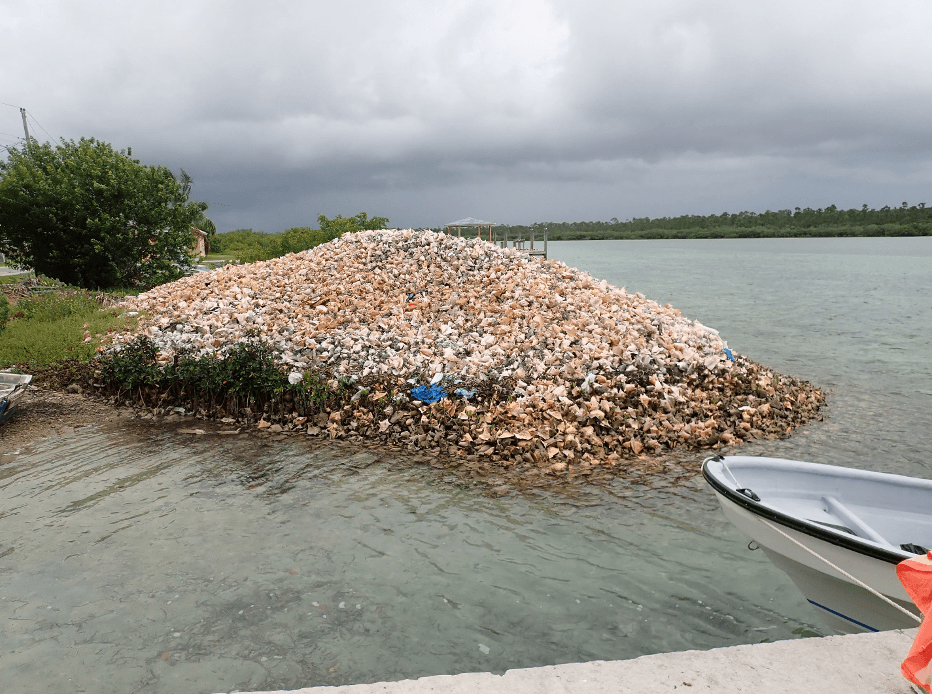
Queen conch are a cornerstone of Bahamian culture and economy, supporting one of the country’s most valuable fisheries, particularly for domestic consumption. However, decades of over-harvesting have led to widespread declines in shallow-water populations, raising concerns about the long-term sustainability of the fishery and the health of marine ecosystems.
Deep-water conch populations may serve as important refugia and larval sources, but these habitats remain poorly quantified across The Bahamas due to the challenges associated with surveying depths beyond typical free-diving and recreational SCUBA ranges. Conducting robust assessments in these remote regions is essential for understanding whether deep-water populations can support recruitment and contribute to stock recovery.
PIMS has been contracted by the Department of Marine Resources (DMR) to conduct queen conch population assessments throughout the southern Bahamas, with a focus on improving scientific understanding and informing future management strategies.
Mission:
This expedition will assess shallow and deep-water populations of queen conch using manta tows, belt transects, and ROV surveys. The goal is to provide updated ecological data to the Department of Marine Resources to guide science-based fisheries management and conservation planning efforts for queen conch populations in The Bahamas.
Applications:
Data collected during this expedition will directly support marine management efforts in The Bahamas by informing fisheries and conservation recommendations aimed at rebuilding queen conch populations and promoting sustainable management of the fishery.
This work will also contribute to a broader understanding of deep-water conch habitats and their potential role in supporting long-term population recovery throughout the region.
If you’re interested in learning more about this specific program opportunity, please reach out to our team below
to find out more about this program or get involved in other opportunities with SeaKeepers.
Browse community engagement opportunities in South Florida, the United Kingdom and the South Pacific to support local social responsibility and policy change.
To discover more about this program and contribute to the crucial work of ocean conservation and scientific research, please fill out the form below and a member of our programming team will reach out to you with more details.
"*" indicates required fields
We use cookies to ensure that we give you the best experience on our website. If you continue to use this site we will assume that you are happy with it.