
Rapid Assessment of Coastal Shark Presence and Habitat Use in Belize

Project Overview:

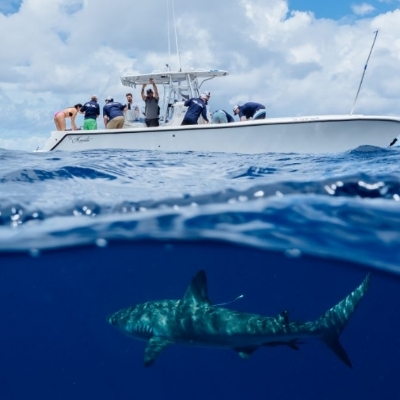
Researchers from Ocean First Institute are conducting a rapid field survey to document shark presence and habitat use in coastal waters near Caye Caulker, Belize, within the northern Belize Barrier Reef region. The project will focus on nearshore reef and seagrass habitats located outside designated Marine Protected Areas, where relatively little information currently exists about shark activity.

The research team will use non-lethal monitoring methods, including Baited Remote Underwater Video Systems (BRUVS), to record observations of sharks and other marine life. These underwater camera systems are deployed from a vessel and placed on the seafloor for approximately one hour to capture video footage of species attracted to the bait.

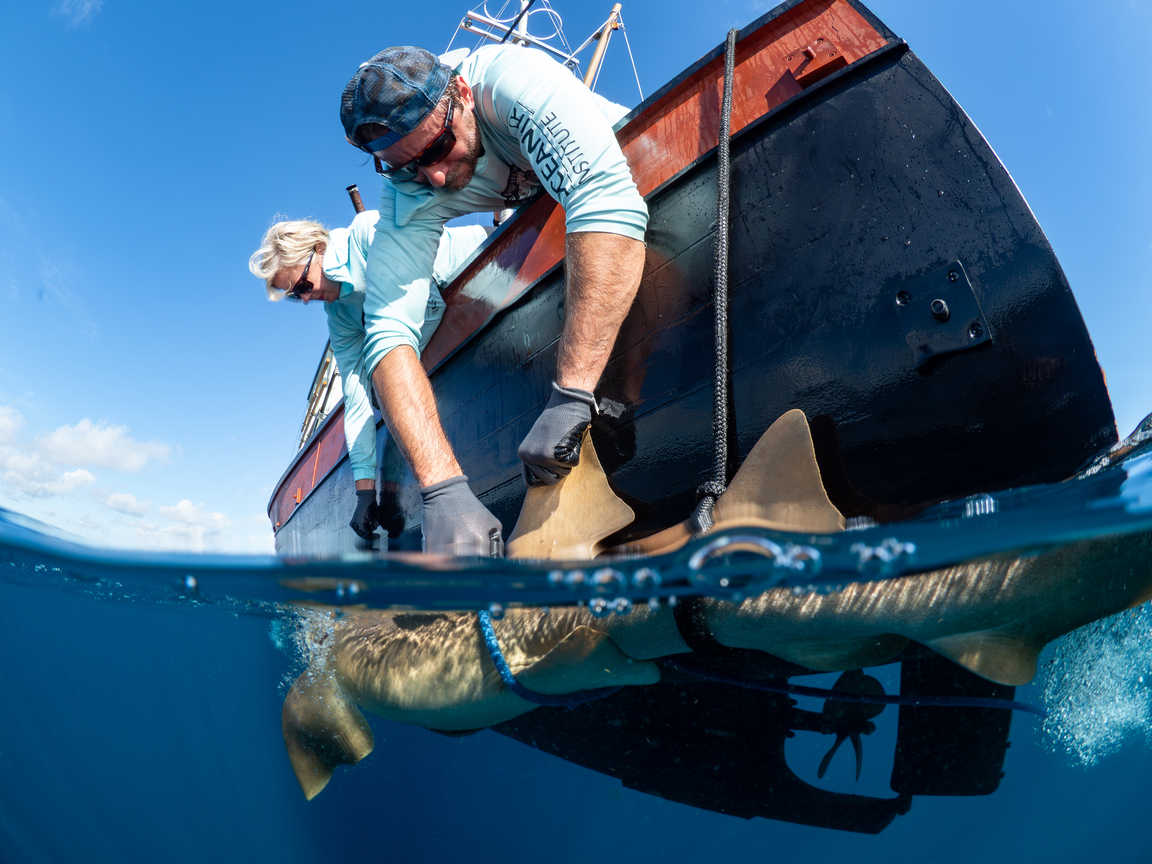
The vessel supporting this expedition will serve as the operational platform for deploying and retrieving BRUV units and conducting field observations in the surrounding area. If sharks are encountered during operations, researchers may briefly capture individuals using rod-and-reel methods in order to attach non-invasive external identification tags before releasing them immediately at the capture site.

Data collected during the survey will provide baseline observations of shark presence in coastal waters outside protected areas and will be shared with the Belize Fisheries Department to support ongoing monitoring and conservation efforts in Belizean waters.

Program Partners

  • Ocean First Institute

Location

Expected Time Frame

Duration of Expedition

  • 2 Days

Accommodation Needed

  • The research team will be staying shoreside and can provide accommodation to the vessel captain/crew. Vessel will need to be able to accommodate a group of 7 researchers + 1 SeaKeepers representative each day.

Special Equipment Needed

  • Low freeboard or easy access to the water for deploying and retrieving research equipment.

Expedition parameters listed above are flexible and negotiable.

1013000 (1)

Background:

Sharks play a critical ecological role in tropical marine ecosystems and are widely recognized as indicators of ocean health. However, many shark species are particularly vulnerable to fishing pressure due to their slow growth, late maturity, and low reproductive rates. Monitoring shark presence and habitat use is therefore an important component of marine conservation and fisheries management throughout the Caribbean region.

The coastal waters surrounding northern Belize contain a diverse mosaic of reef, seagrass, and shallow marine habitats that may serve as important areas for a variety of shark species. While some conservation initiatives are underway in Belize, relatively little information exists about shark presence and habitat use in certain nearshore areas located outside Marine Protected Areas.

Rapid field assessments such as this project help generate important baseline observations that can contribute to a broader understanding of shark distribution in the region.

Ocean First Institute operates an active shark research program focused on shark presence, habitat use, and conservation technologies. The research team has extensive experience conducting shark research throughout the western Atlantic and eastern Pacific, including studies of hammerhead sharks in the Eastern Tropical Pacific.

Mission:

The mission of this project is to document shark presence and habitat use in coastal waters near Caye Caulker, Belize using non-lethal monitoring techniques.

By conducting a rapid field assessment in nearshore reef and seagrass habitats outside Marine Protected Areas, the project aims to generate baseline observations that can contribute to regional shark conservation efforts and a better understanding of shark distribution in Belizean waters.

Applications:

Data collected during this expedition will help improve scientific understanding of shark presence and habitat associations in coastal areas of northern Belize.

Project findings will be shared with the Belize Fisheries Department and regional conservation partners and may contribute to future monitoring programs, conservation planning, or fisheries management discussions related to sharks in Belizean waters.

Observations and media from the project will also be incorporated into education and outreach programs led by Ocean First Institute. These materials may be used in undergraduate coursework related to shark biology and marine conservation, including classes taught through the University of Colorado Boulder, as well as in shark research training programs and public outreach initiatives.

By connecting field research with education and outreach, the project helps illustrate real-world applications of marine science and conservation.

Get Involved

If youโ€™re interested in learning more about this specific program opportunity, please reach out to our team below to find out more about this program or get involved in other opportunities with SeaKeepers.

Explore More Opportunities

img at sea opportunities

At-Sea Opportunities

Browse other research opportunities around the world to support oceanographic research through our other branches of programming.
img citizen science opportunities

Citizen Science Opportunities

Browse other citizen science opportunities around the world to support scientists in their research.
img education opportunities

Education Opportunities

Browse education opportunities in South Florida, the United Kingdom and the South Pacific to support educational outreach for students.
img community opportunities

Community Opportunities

Browse community engagement opportunities in South Florida, the United Kingdom and the South Pacific to support local social responsibility and policy change.

img get involved form

Get Involved

To discover more about this program and contribute to the crucial work of ocean conservation and scientific research, please fill out the form below and a member of our programming team will reach out to you with more details.

"*" indicates required fields

This field is for validation purposes and should be left unchanged.