
Rice’s Whale Survival Expedition
Project Overview:
Ocean Alliance is seeking vessel support for a month-long research expedition focused on the Rice’s whale (Balaenoptera ricei), one of the world’s most endangered marine mammals. Fewer than 100 individuals are estimated to remain, and the species is found only in the Gulf of Mexico.
The expedition will take place within Rice’s whale core habitat along the 200-meter depth contour off western Florida. Researchers anticipate spending 10–15 days at sea during a four-week window, allowing operations to be scheduled around weather conditions and whale sightings.
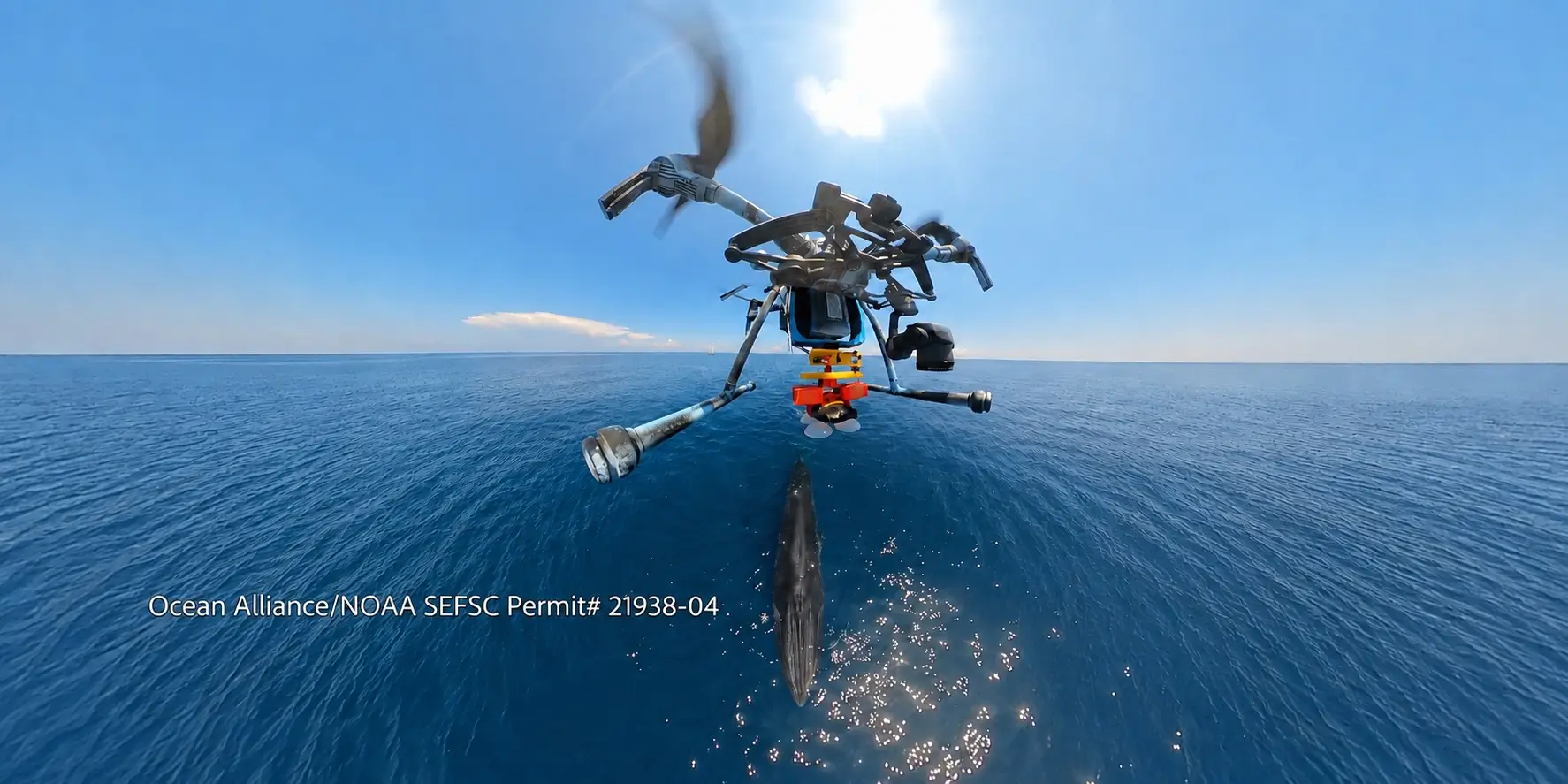
The research team will use drones to deploy temporary, high-resolution suction-cup tags that record video, sound, depth, acceleration, and movement. These data will help researchers understand how Rice’s whales feed, move, communicate, use energy, and respond to vessel traffic and underwater noise.
Researchers will also collect aerial imagery for photogrammetry and behavioral analysis, contribute dorsal-fin photographs to NOAA’s Rice’s whale identification catalog, and, when conditions allow, use Ocean Alliance’s SnotBot drone to collect respiratory samples. Together, these methods will provide urgently needed information to support the conservation and recovery of this exceptionally rare species.
Program Partners
- Ocean Alliance
Location
- Gulf of Mexico, offshore of western Florida. Preferred home port of Pensacola, Florida, or a nearby port.
Expected Time Frame
- Approximately the last two weeks of June through the first two weeks of July 2027.
Duration of Expedition
- Four-week project window with approximately 10–15 days of vessel operations.
Accommodation Needed
- 6–10 Researchers + 1 SeaKeepers Representative
Special Equipment Needed
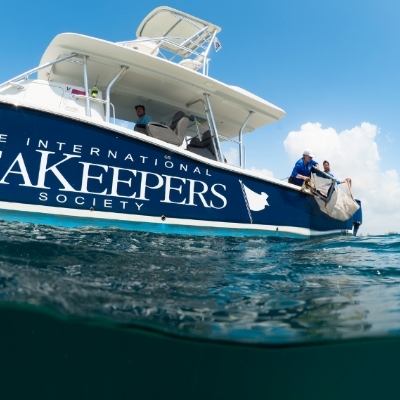
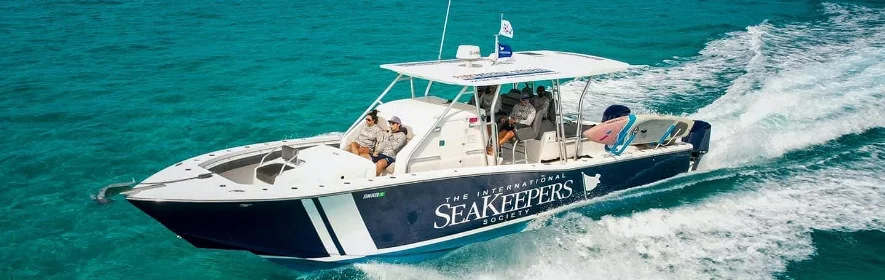
- Licensed captain, Offshore-capable vessel suitable for extended research operations, A safe working area for launching and recovering research drones
Expedition parameters listed above are flexible and negotiable.
Background:
The Rice’s whale is found exclusively in the Gulf of Mexico, where much of its habitat overlaps with oil and gas activity, commercial shipping routes, fisheries, and other human uses. Threats include vessel strikes, underwater noise, fishing-gear entanglement, marine debris, pollution, and climate-related changes in prey availability.
Because the population is extremely small and difficult to locate, scientists still have limited information about the species’ behavior, energetic needs, feeding ecology, habitat use, health, and response to human activity. These knowledge gaps make it difficult to develop and evaluate targeted conservation measures.
High-resolution biologging tags provide a way to observe whale behavior that cannot be seen from the surface. Traditionally, suction-cup tags have been applied from a small boat using a long pole, requiring researchers to work in close proximity to the whale. Ocean Alliance’s drone-based system allows tags to be deployed more precisely and with less disturbance.
Ocean Alliance first demonstrated this method on Rice’s whales in 2024, successfully deploying seven tags during three days of tagging effort. Before that expedition, only two suction-cup tags had ever been deployed on the species. The proposed 2027 expedition will build upon that success and substantially expand the available behavioral dataset.
Mission:
The mission of the Rice’s Whale Survival Expedition is to expand scientific understanding of Rice’s whales and generate practical data that can support their conservation and recovery.
Key objectives include:
-Deploying high-resolution suction-cup biologging tags using drones
-Documenting feeding behavior, diving patterns, movement, energy use, and acoustic behavior
-Evaluating whale exposure and potential vulnerability to vessel traffic and underwater noise
-Collecting aerial imagery for photogrammetry, body-condition assessment, and behavioral observations
-Contributing dorsal-fin photographs to NOAA’s Rice’s whale identification catalog
-Collecting respiratory samples using SnotBot when conditions permit
-Gathering information on genetics, hormones, reproductive status, stress, and respiratory microbiomes
-Recovering naturally released tags and examining residual skin samples for genetic analysis
-Evaluating whether smaller vessels, drones, and streamlined field teams can provide a more flexible and cost-effective model for targeted Rice’s whale research
-Capturing visual and acoustic media to increase public awareness of the species
Applications:
The expedition will generate data needed to better understand Rice’s whale behavior, habitat use, health, and exposure to human activity. Results may help inform conservation measures addressing vessel-strike risk, underwater noise, fishing interactions, habitat protection, and other threats.
Ocean Alliance will make relevant findings available to federal agencies, universities, conservation organizations, and other stakeholders. The data may support science-based implementation of federal protections, including the Endangered Species Act and Marine Mammal Protection Act, as well as NOAA Fisheries’ ongoing work to understand the species’ abundance, distribution, behavior, and exposure to human impacts.
Data and media from the expedition will also support university research and public education. Potential academic collaborations include Syracuse University for tag-data analysis, Scripps Institution of Oceanography for acoustic analysis, and Stony Brook University for prey-mapping research.
Educational materials may include field updates, maps, data visualizations, drone imagery, acoustic recordings, interviews, and short videos. These resources will be shared through virtual classroom presentations, university seminars, internships, mentored research opportunities, and Ocean Alliance’s public education channels.
Relevant/Previous Scientific Publication(s):
Program Partners:
Get Involved
If you’re interested in learning more about this specific program opportunity, please reach out to our team below to find out more about this program or get involved in other opportunities with SeaKeepers.
Explore More Opportunities
At-Sea Opportunities
Citizen Science Opportunities
Education Opportunities