

Saving Corals from Local Extinction in The Bahamas

Project Overview:

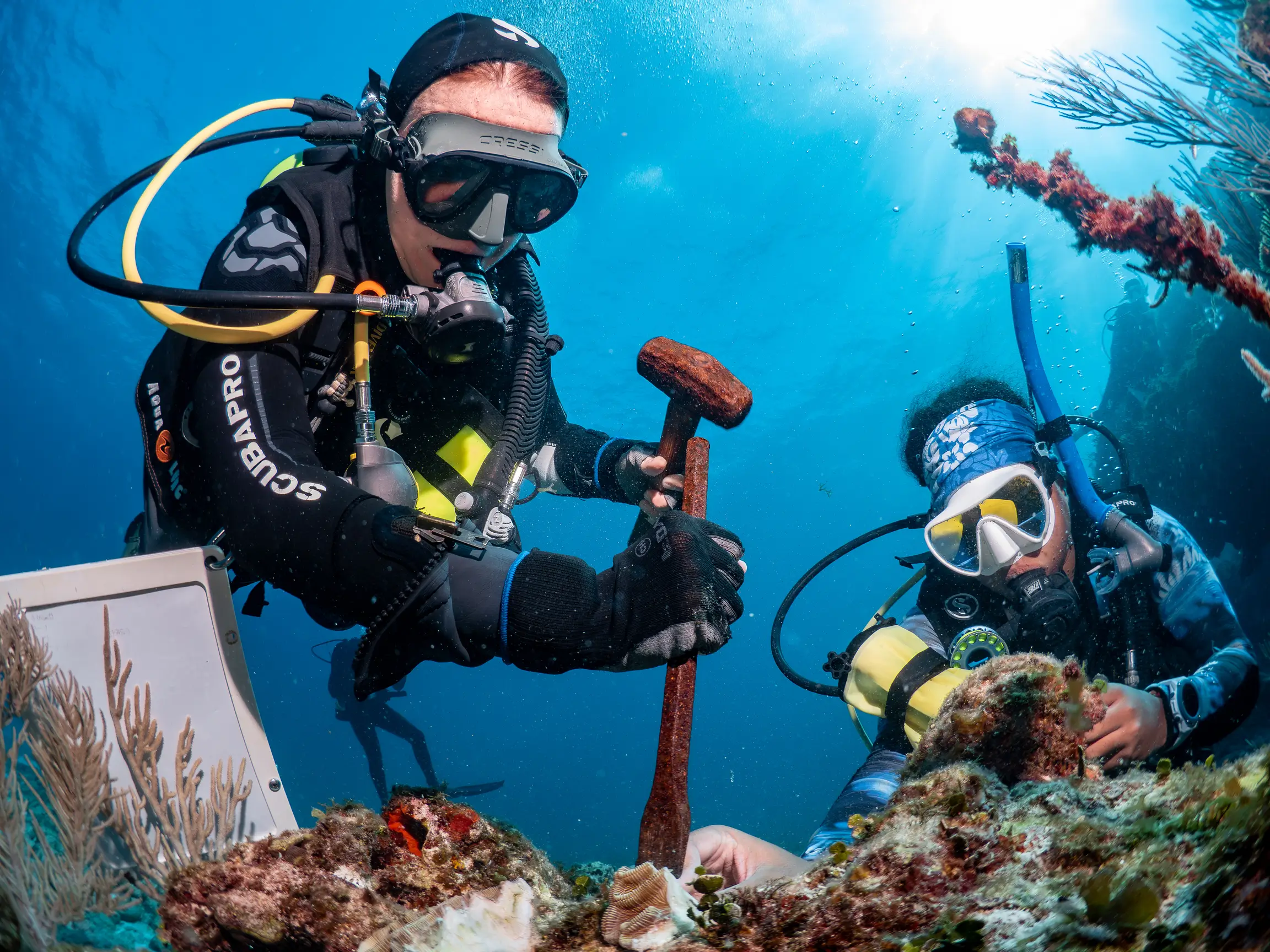
The Perry Institute for Marine Science is leading a coral rescue initiative across The Bahamas to safeguard reef-building coral species at risk of local extinction. This project involves the targeted collection of corals from multiple islands, including both healthy colonies and those affected by Stony Coral Tissue Loss Disease (SCTLD), for transfer to a biosecure, land-based coral gene bank facility.

Once in controlled conditions, these corals are stabilized, monitored, and maintained to preserve their genetic diversity. Through advanced propagation and spawning techniques, rescued corals will contribute to future reef restoration efforts, including the reintroduction of resilient genotypes back onto degraded reefs. This work represents a proactive, science-driven approach to preserving coral biodiversity and supporting long-term ecosystem recovery in The Bahamas.

Program Partners

  • Perry Institute for Marine Science
  • Atlantis Blue Project Foundation
  • Government of the Bahamas
  • University of the Bahamas

Location

Expected Time Frame

Duration of Expedition

  • 7 days (5 working days/2 travel days)

Accommodation Needed

  • 4 Researchers and 1 SeaKeepers Representative

Special Equipment Needed

  • Licensed Captain, Access to tender or smaller vessel, Compressor (for scuba diving), Sufficient deck space that is able to be continuously wet and can hold 5 large igloo coolers

Expedition parameters listed above are flexible and negotiable.

1011769

Background:

Coral reef ecosystems throughout The Bahamas and the wider Caribbean are undergoing rapid decline due to a combination of rising ocean temperatures, climate change, and the spread of Stony Coral Tissue Loss Disease. This disease has caused widespread mortality among reef-building coral species, significantly reducing both coral cover and genetic diversity across the region.

In response, coral gene banking has emerged as a critical conservation strategy. By removing at-risk corals from the wild and maintaining them in controlled, biosecure environments, scientists can preserve living genetic material that would otherwise be lost. The Bahamas Coral Gene Bank is part of a national effort to protect coral biodiversity, housing live coral colonies in specialized systems that promote growth, resilience, and reproductive success.

These systems allow for continuous monitoring of coral health and the application of techniques such as target feeding and simulated spawning cycles to enhance survivorship and propagation. Collecting corals from multiple islands ensures a broad representation of genetic diversity, which is essential for increasing the adaptive capacity of coral populations and supporting effective restoration efforts.

Mission:

Expedition Mission:
To safeguard the genetic diversity of Bahamian coral species through responsible collection, land-based preservation, and controlled breeding, supporting the restoration and resilience of coral reef ecosystems across The Bahamas.

Project Objectives:
-Conduct targeted coral collection expeditions across Bahamian islands to capture a wide range of genetic diversity
-Prioritize the rescue of species most vulnerable to SCTLD and other environmental stressors
-Establish and maintain healthy coral populations within a biosecure gene bank facility
-Utilize advanced propagation and spawning techniques to produce viable coral offspring
-Support reef restoration through the reintroduction of resilient coral genotypes
-Contribute to local conservation efforts and provide education on coral reef preservation to students and communities

Applications:

This project plays a critical role in preserving coral biodiversity in The Bahamas by safeguarding vulnerable species and genetic lineages that are at risk of being lost. By maintaining living coral populations within a gene bank, researchers can support long-term conservation goals and provide a reliable source of resilient coral stock for future restoration initiatives.

The propagation and reintroduction of genetically diverse corals will help rebuild degraded reef systems, improving ecosystem health, supporting fisheries, and enhancing coastal protection. In addition to restoration outcomes, this work contributes to a growing body of knowledge on coral resilience, reproduction, and disease response, informing conservation strategies across the wider Caribbean.

The project also supports education and outreach efforts, helping to raise awareness of coral reef conservation and inspire local stewardship of marine resources.

Get Involved

If you’re interested in learning more about this specific program opportunity, please reach out to our team below to find out more about this program or get involved in other opportunities with SeaKeepers.

Explore More Opportunities

img at sea opportunities

At-Sea Opportunities

Browse other research opportunities around the world to support oceanographic research through our other branches of programming.
img citizen science opportunities

Citizen Science Opportunities

Browse other citizen science opportunities around the world to support scientists in their research.
img education opportunities

Education Opportunities

Browse education opportunities in South Florida, the United Kingdom and the South Pacific to support educational outreach for students.
img community opportunities

Community Opportunities

Browse community engagement opportunities in South Florida, the United Kingdom and the South Pacific to support local social responsibility and policy change.
img get involved form

Get Involved

To discover more about this program and contribute to the crucial work of ocean conservation and scientific research, please fill out the form below and a member of our programming team will reach out to you with more details.

"*" indicates required fields

This field is for validation purposes and should be left unchanged.