
Sea Turtle Spotter
Project Overview:
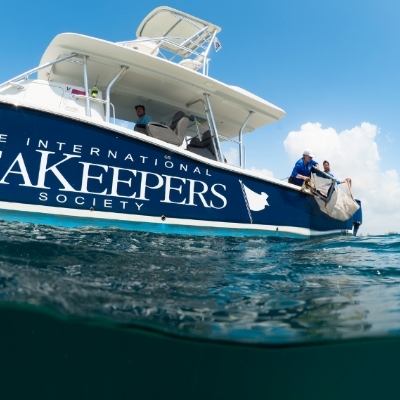
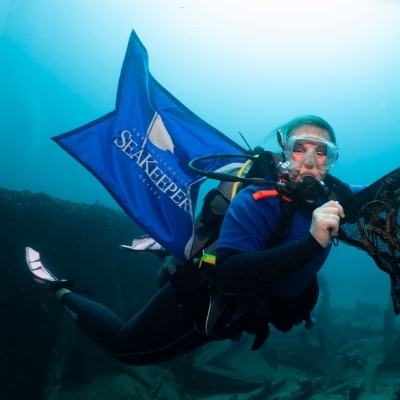
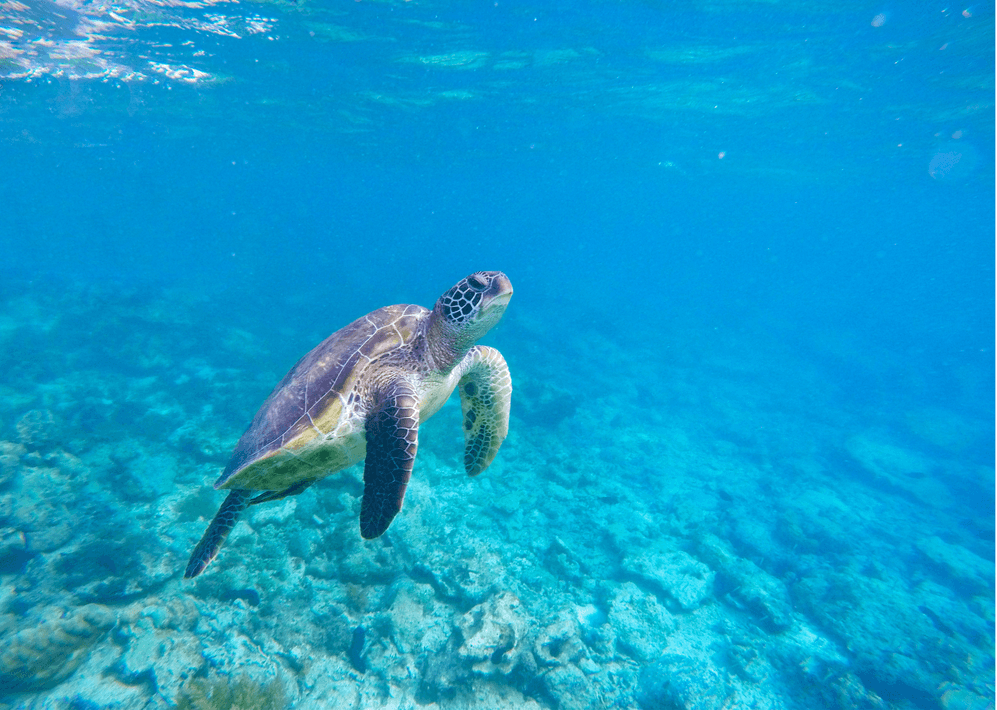
Collecting data on turtles in the open ocean is typically costly and very difficult for researchers to carry out. Boaters and divers are therefore uniquely positioned to collect observations of sea turtles in the ocean. These observations are valuable data that Upwell can use for informing conservation strategies to better protect these largely threatened reptiles. By reporting sea turtle sightings from anywhere in the world, ocean users can help scientists to better understand sea turtle movements, behaviours, changes in populations, foraging locations and habitat conditions. All of which are essential if we are to protect and restore global populations.
Program Partners
- Upwell
Location
- Global
Expected Time Frame
- Ongoing
Citizen Science activity parameters listed above are flexible and negotiable.
Background:
Among the most long-lived animals on Earth, turtles are found across the global oceans in all regions apart from the polar seas. They play a vital role in the marine food web, maintaining balance by consuming a wide variety of prey species. All sea turtles migrate, and some species, like leatherbacks, are known to regularly make vast migrations (8,000-11,000 km) from nesting to foraging areas.
There are 7 different species of sea turtle: flatback, green, hawksbill, Kempโs Ridley, olive ridley, leatherback and loggerhead. Most species are further subdivided into populations with status classifications on the IUCN Red List ranging from Least Concern to Critically Endangered. Thanks to sustained conservation efforts over many decades, green sea turtles were downgraded to Least Concern in October 2025 – the lowest conservation status. However, all species still require constant protection as they are at-risk of harm due to human activities and environmental shifts, such as fisheries bycatch, plastic pollution and climate change.
Mission:
Founded by Dr George Shillinger and Dr Kristin Reed in Monterey California,USA, Upwellโs mission is to protect and recover endangered populations of turtles through research and conservation actions that reduce threats at sea.
Ocean users can get involved in the Sea Turtle Spotter project from anywhere outside the polar regions. If you find a turtle in the water, dead or alive, and either with or without a marking or flipper tag, please note the location (can be longitude and latitude or a general name like โCoral Bayโ), take a photo using your mobile device and share it using a simple Google Form. The more information that you can provide, the more your report will support research. All collected data will be shared on the iNaturalist open-access platform to form a valuable dataset that can be downloaded by researchers, legislators and students to mobilise the conservation of these magnificent animals.
Relevant/Previous Scientific Publication(s):
How to Participate:
To join SeaKeepers’ Sea Turtle Spotter Team and contribute your sea turtle sightings to this project, please email SeaKeepersโ Citizen Science Manager at rosemarie@seakeepers.org.
Program Partners:
UpwellGet Involved
If youโre interested in learning more about this specific program opportunity, please reach out to our team below to find out more about this program or get involved in other opportunities with SeaKeepers.
Explore More Opportunities
At-Sea Opportunities
Citizen Science Opportunities
Education Opportunities