
Shining a Light on Aotearoa’s Hidden Deep Reefs

Project Overview:

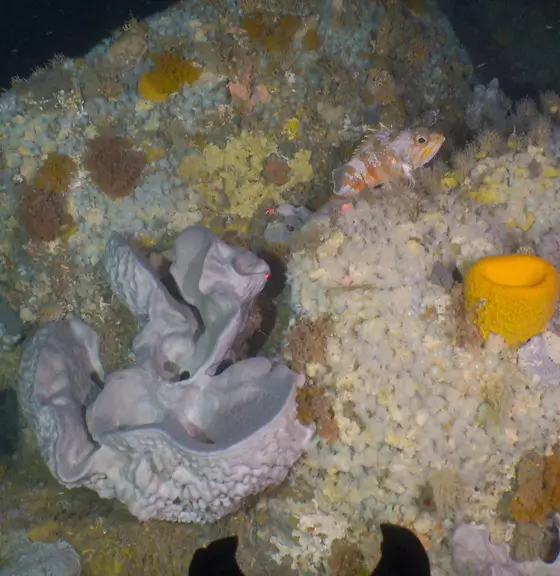
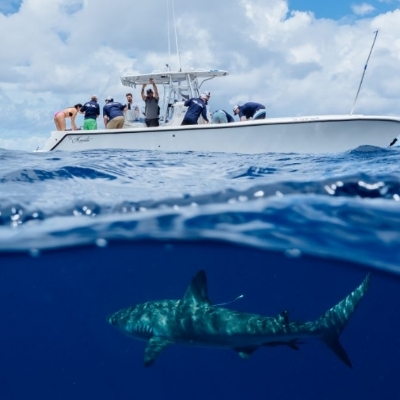
Professor James Bell and his team at Te Herenga Waka – Victoria University of Wellington are exploring the “mesophotic zone”, the middle-light depths between 20 and 150 m that sit between diver limits and the deep sea. Over the last three years, his group has discovered a range of previously unknown deep-reef ecosystems across Aotearoa, including coral gardens, glass sponge beds, red coral fields, and ascidian communities. The team uses a Remotely Operated Vehicle (ROV) to discover, document, and classify these deep-reef systems so they can be better understood and managed. These habitats are ecologically important yet remain largely unprotected, and the aim of this project is to shine a light on these undiscovered ecosystems to support national-scale deep reef management.

Program Partners

  • Te Herenga Waka - Victoria University of Wellington

Location

Expected Time Frame

Duration of Expedition

  • Flexible

Accommodation Needed

  • 4 Researchers

Special Equipment Needed

  • Licensed Captain
  • Swim platform (hydraulic or stationary) or easy access to water
  • Access to tender or smaller vessel

Expedition parameters listed above are flexible and negotiable.

James Bell NZ thumbnail image

Background:

The mesophotic zone has only recently become accessible thanks to affordable, small ROVs. Unlike shallow kelp-dominated reefs, these deeper ecosystems are built mostly by animals such as corals, sponges, and ascidians. They may actually cover more area than shallow reefs in New Zealand but receive very little attention or protection. Professor Bell’s team is leading national efforts to map, classify, and understand these temperate mesophotic ecosystems (TMEs), helping fill major knowledge gaps and supporting national-scale marine habitat mapping.

Mission:

The goals of this project are to discover, classify, and monitor mesophotic reefs across Aotearoa using ROV exploration and new 3D imaging tools. The project aims to create the first national mesophotic habitat classification, produce scaled 3D models of deep reefs, and share these findings with managers, iwi, students, and the public.

Applications:

The data collected will support:
• Identification and mapping of unique deep-reef habitats
• Evidence-based protection and marine spatial planning across Aotearoa
• National marine habitat classification efforts (CMECS)
• New 3D monitoring tools for deep reefs
• Outreach for schools through the “Being a Marine Biologist” education program
• Live-feed ROV engagement with classrooms (planned)

Get Involved

If you’re interested in learning more about this specific program opportunity, please reach out to our team below to find out more about this program or get involved in other opportunities with SeaKeepers.

Explore More Opportunities

img at sea opportunities

At-Sea Opportunities

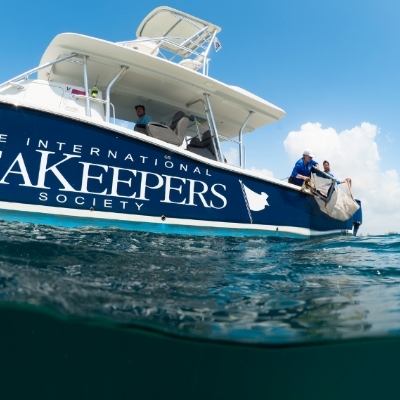
Browse other research opportunities around the world to support oceanographic research through our other branches of programming.
img citizen science opportunities

Citizen Science Opportunities

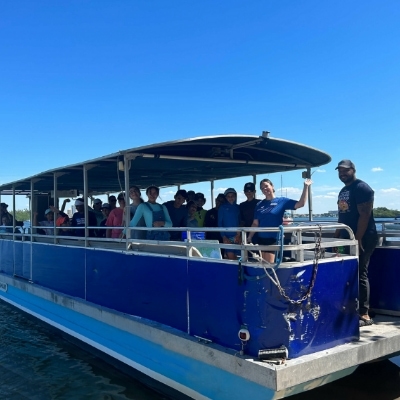
Browse other citizen science opportunities around the world to support scientists in their research.
img education opportunities

Education Opportunities

Browse education opportunities in South Florida, the United Kingdom and the South Pacific to support educational outreach for students.
img community opportunities

Community Opportunities

Browse community engagement opportunities in South Florida, the United Kingdom and the South Pacific to support local social responsibility and policy change.
img get involved form

Get Involved

To discover more about this program and contribute to the crucial work of ocean conservation and scientific research, please fill out the form below and a member of our programming team will reach out to you with more details.

"*" indicates required fields

This field is for validation purposes and should be left unchanged.