
- DISCOVERY Vessel Lokate
Deep and Cheap: Developing Cameras For Deep-Sea Science
- July 26 - 31, 2026
- Almerimar, Spain
Project Overview
The deep sea, which covers 65% of our planet, is one of the least explored environments on Earth. Due to the need for expensive, specialised technology, less than 0.001% of the deep-sea floor has been directly imaged, mostly in areas targeted for commercial activities like mining. This lack of exploration limits our understanding and ability to protect these vast marine ecosystems.
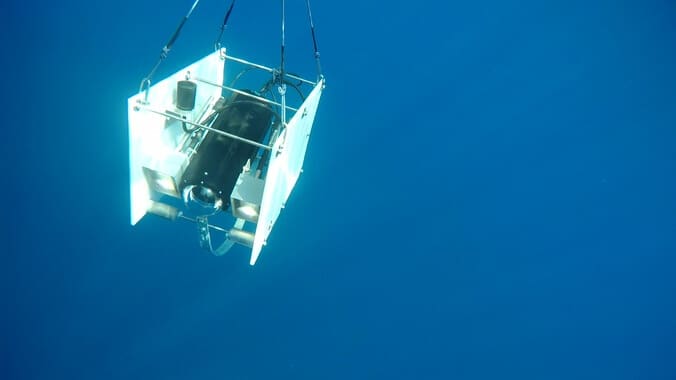
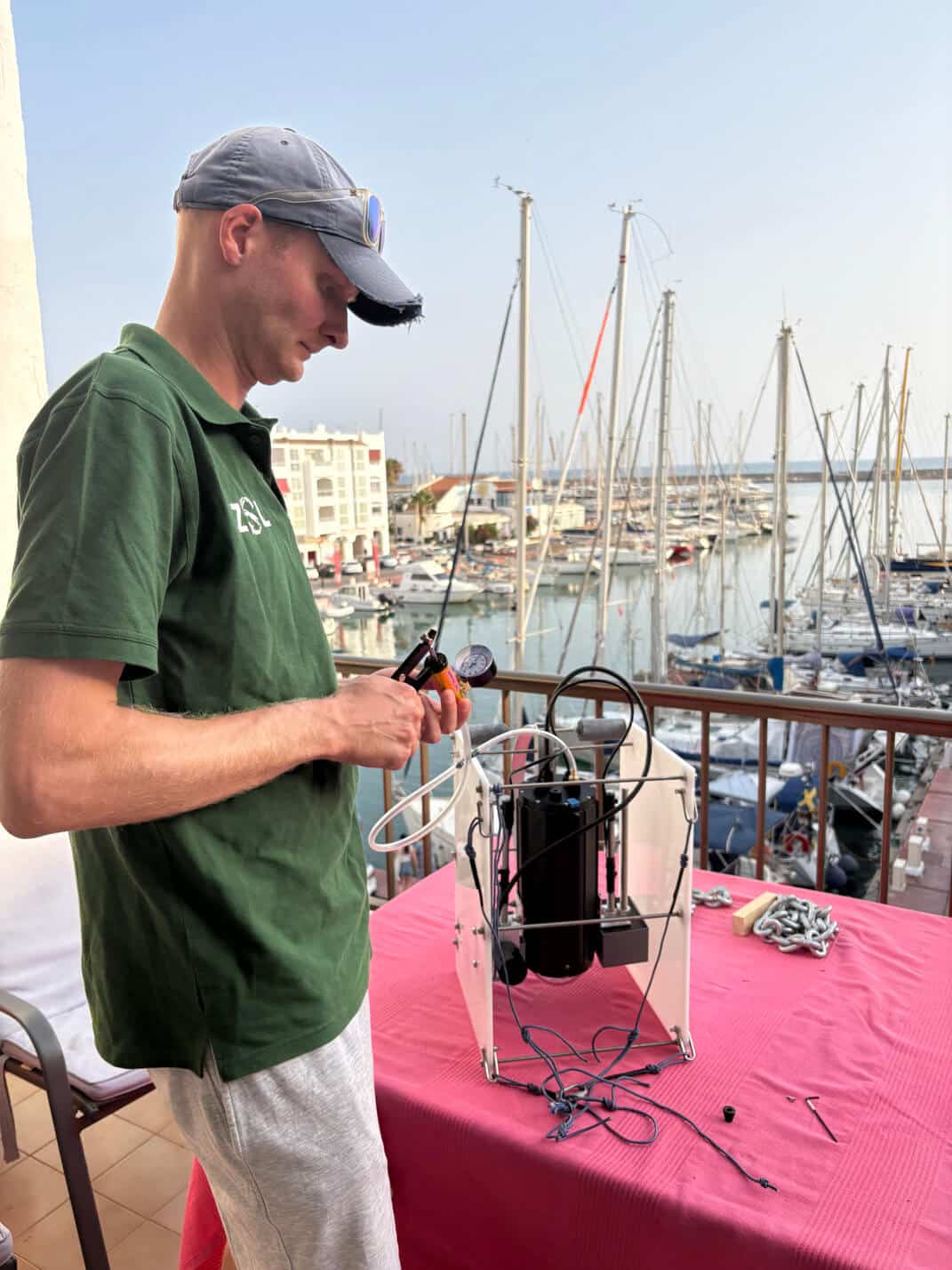
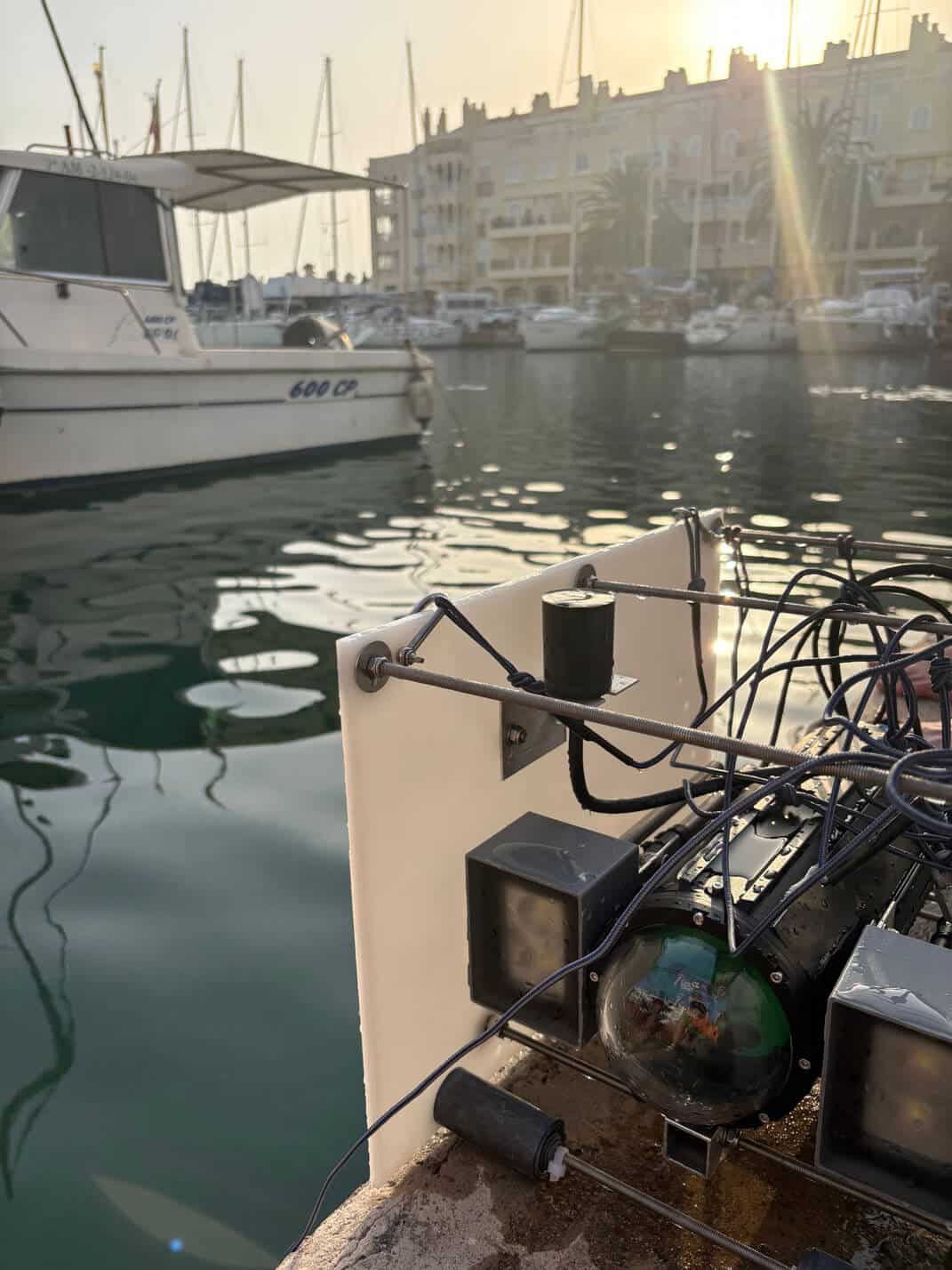
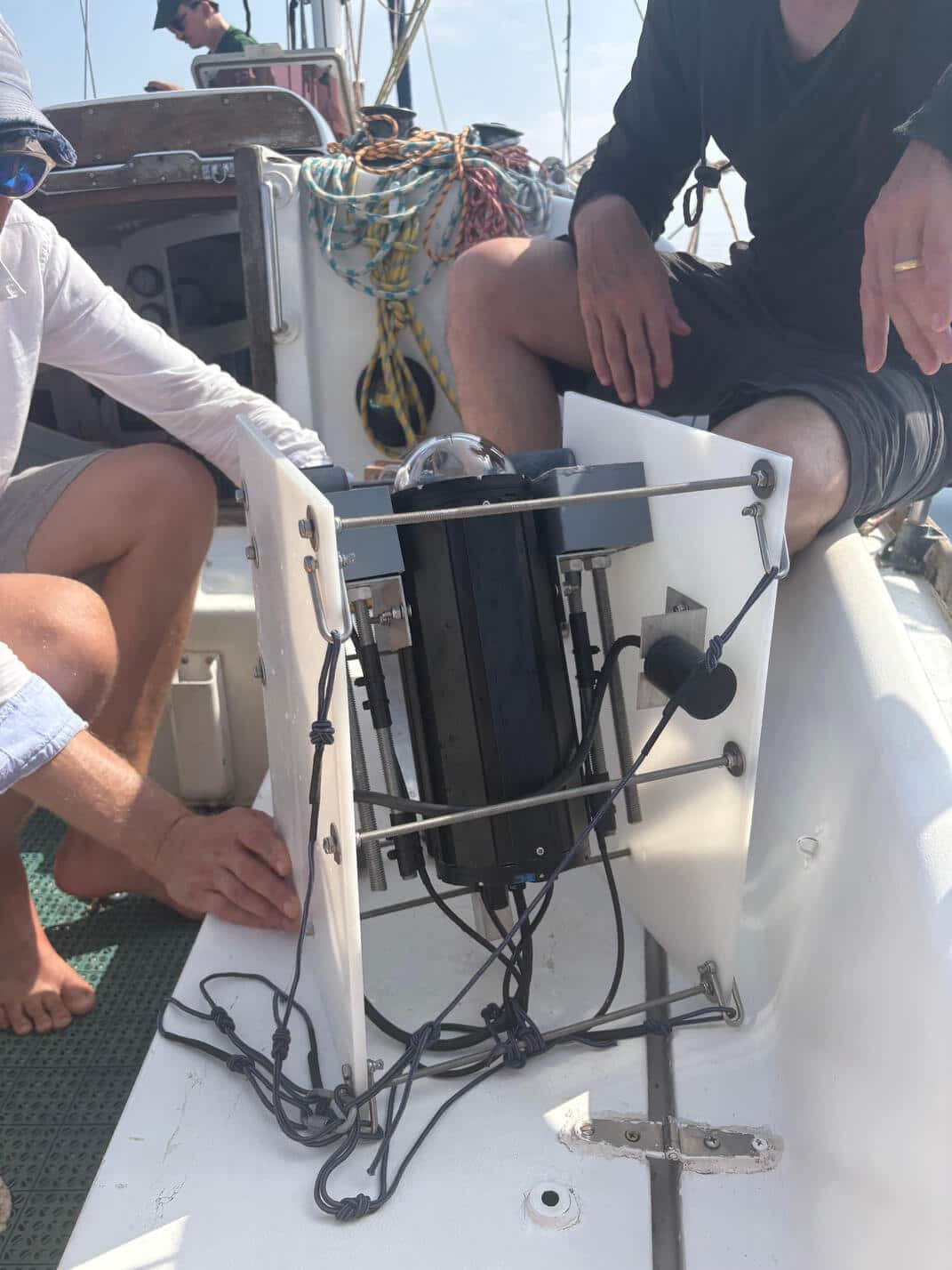
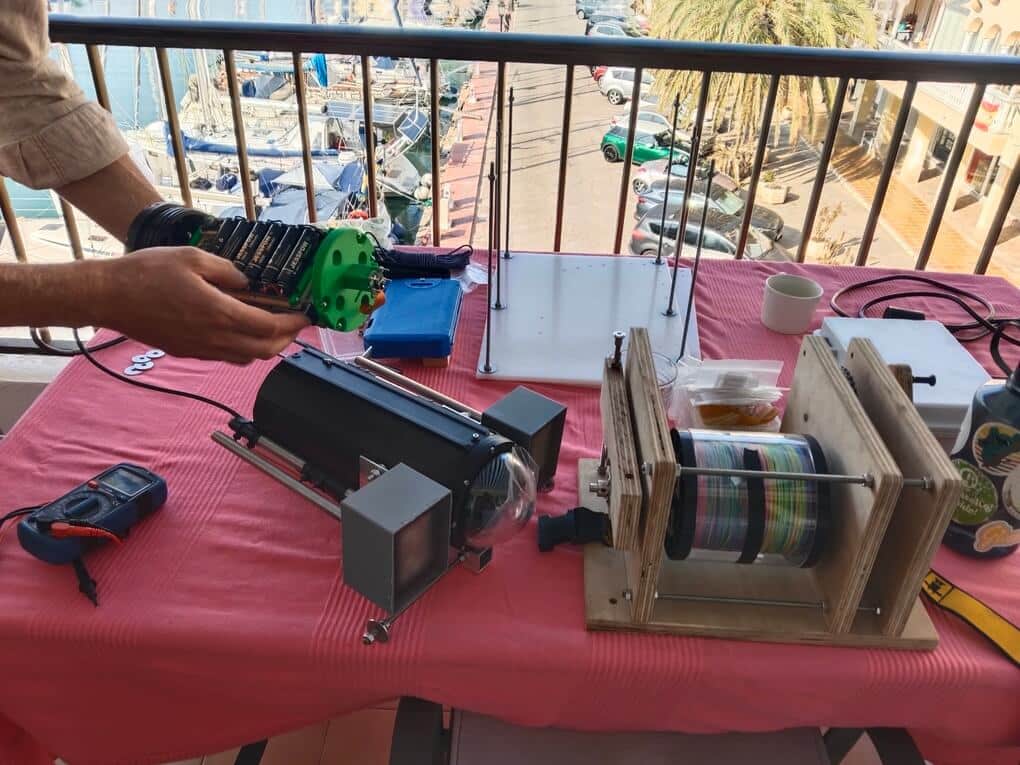
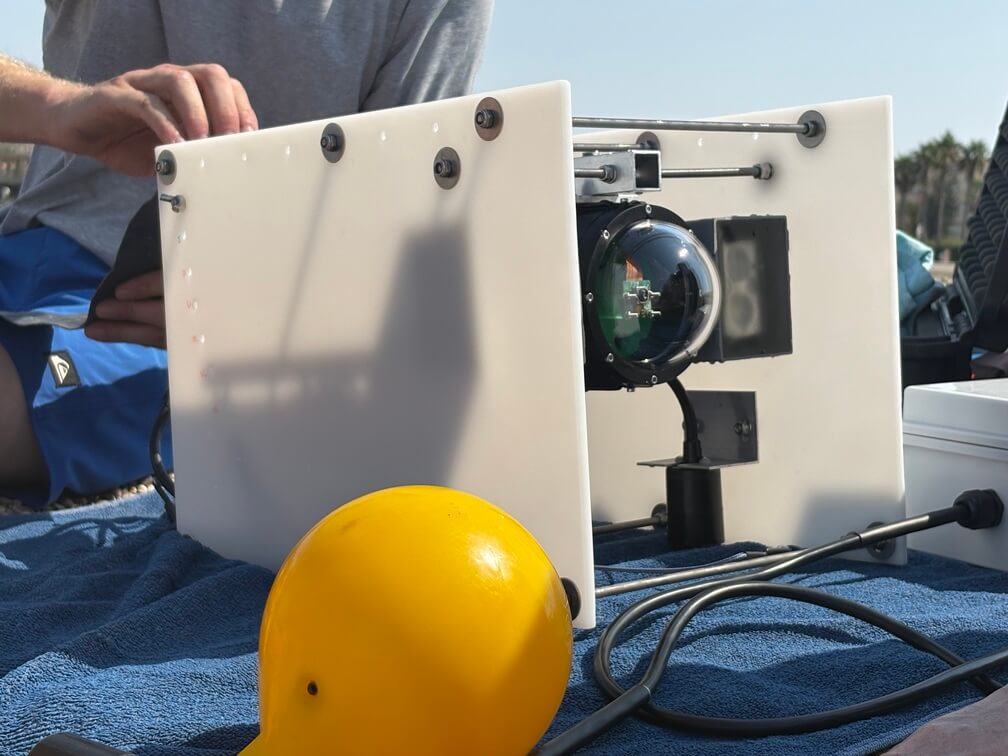
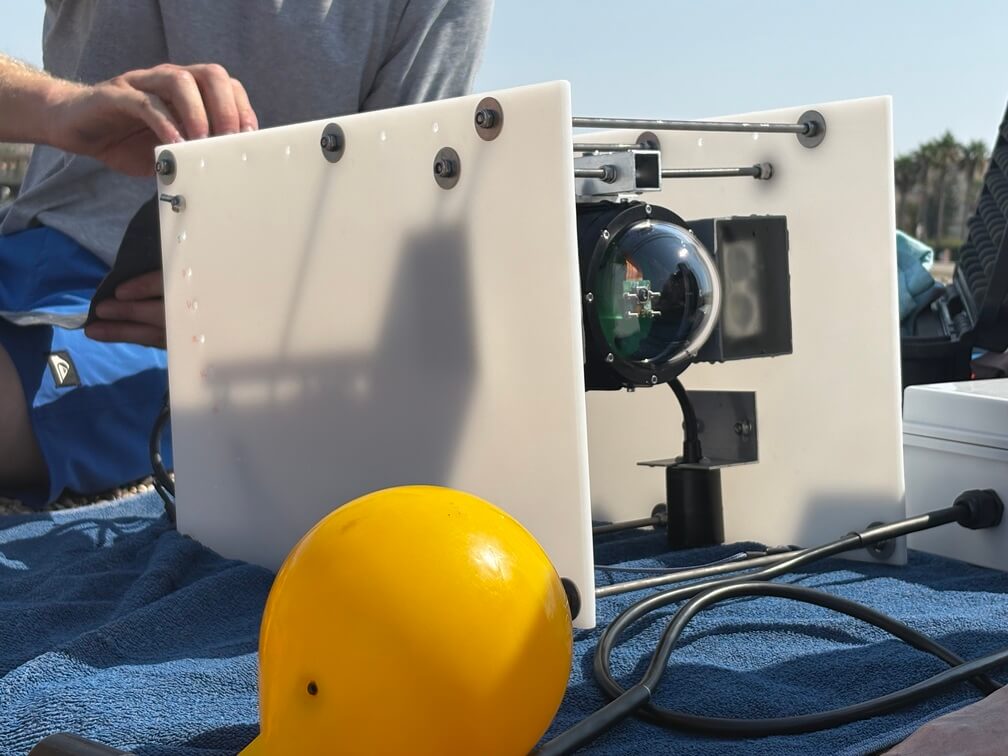
This project aims to develop an affordable, easy-to-use deep-sea camera system that will make ocean exploration more accessible to researchers worldwide. Unlike expensive, high-tech tools like remotely operated vehicles (ROVs) and submersibles, this system will use open-source technology and low-cost materials to create a practical and reliable alternative for studying deep-sea habitats. Designed to operate at depths of at least 1,000 meters and cost less than £2,000, the camera will be deployable from a wide range of vessels and will provide high-quality imagery of the seafloor.
Application
The long-term application of this project is to make deep-sea research more accessible by publishing the camera design as open-access, distributing camera units, and building a global user community supported by technical guides and troubleshooting resources. ZSL will also use the system to document vulnerable deep-sea ecosystems, such as cold-water coral reefs off Greenland, to support conservation efforts.
Expedition Summary
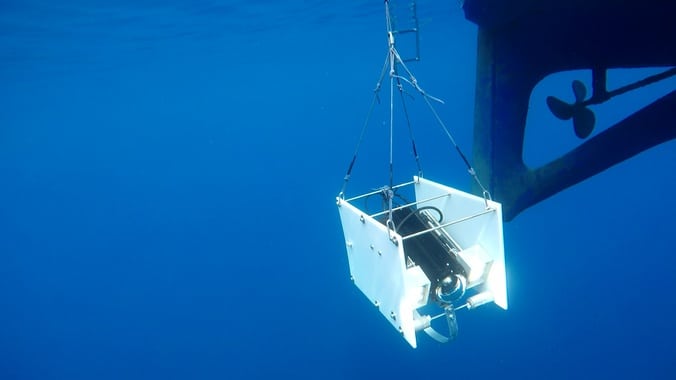
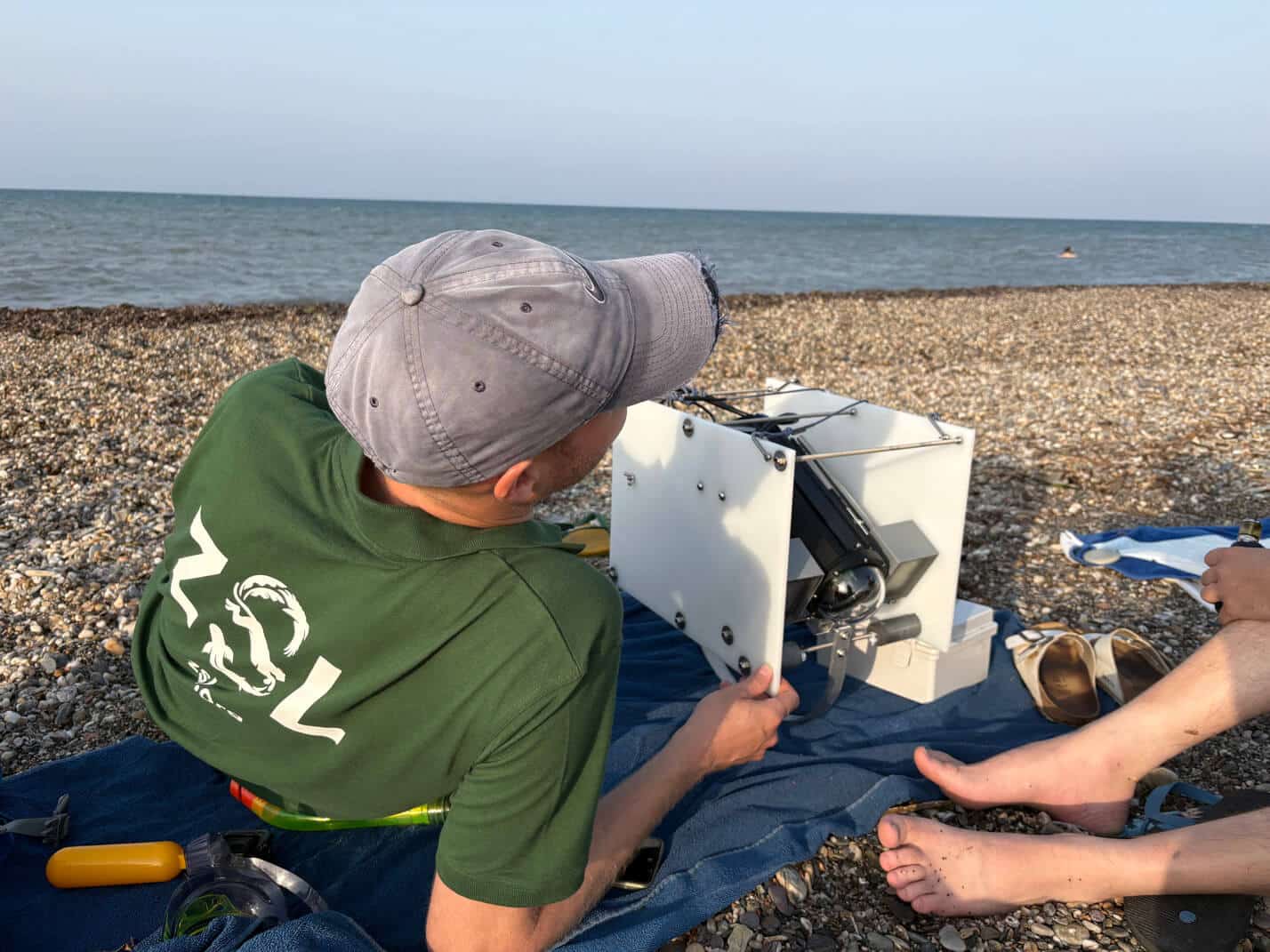
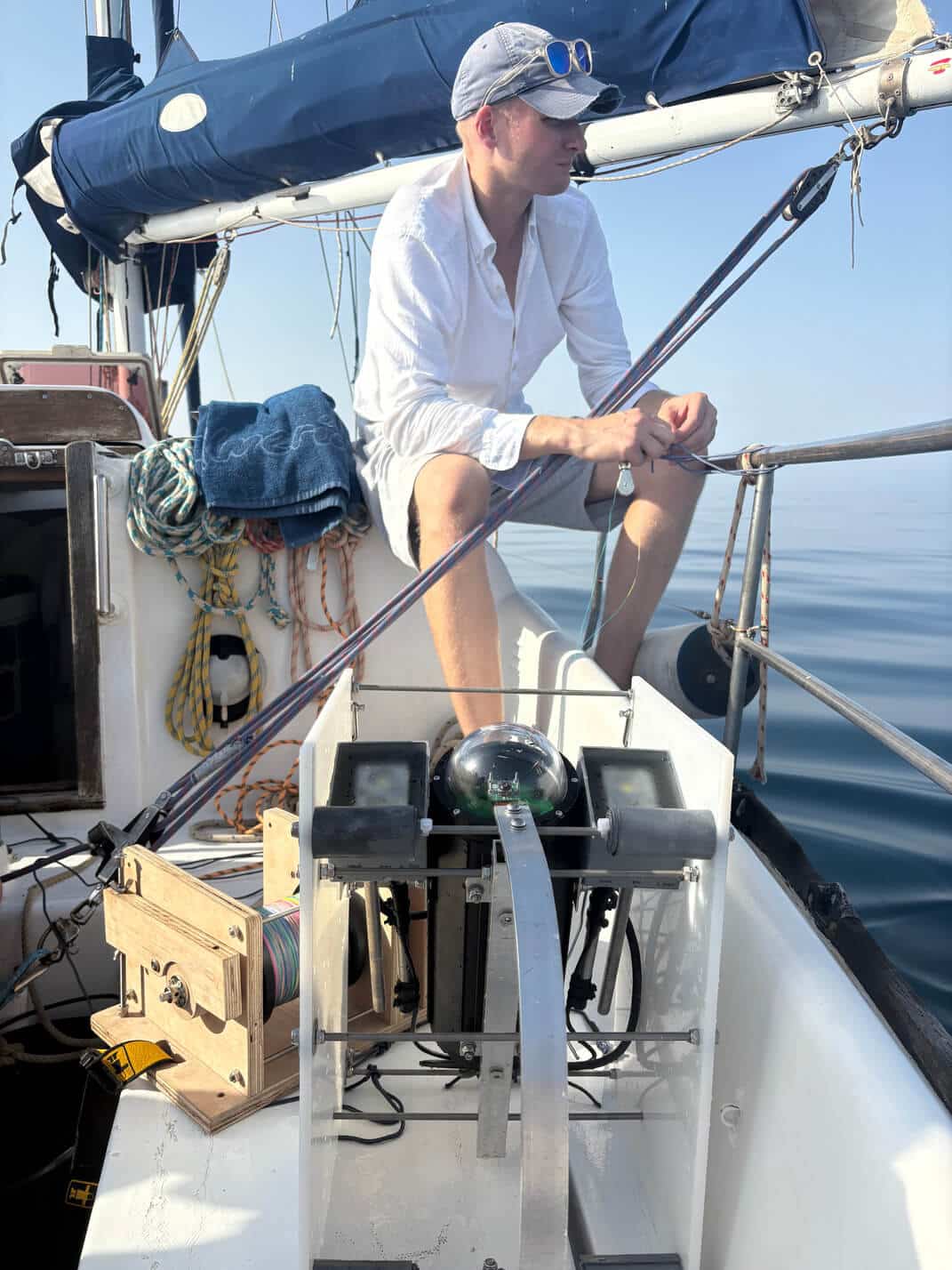
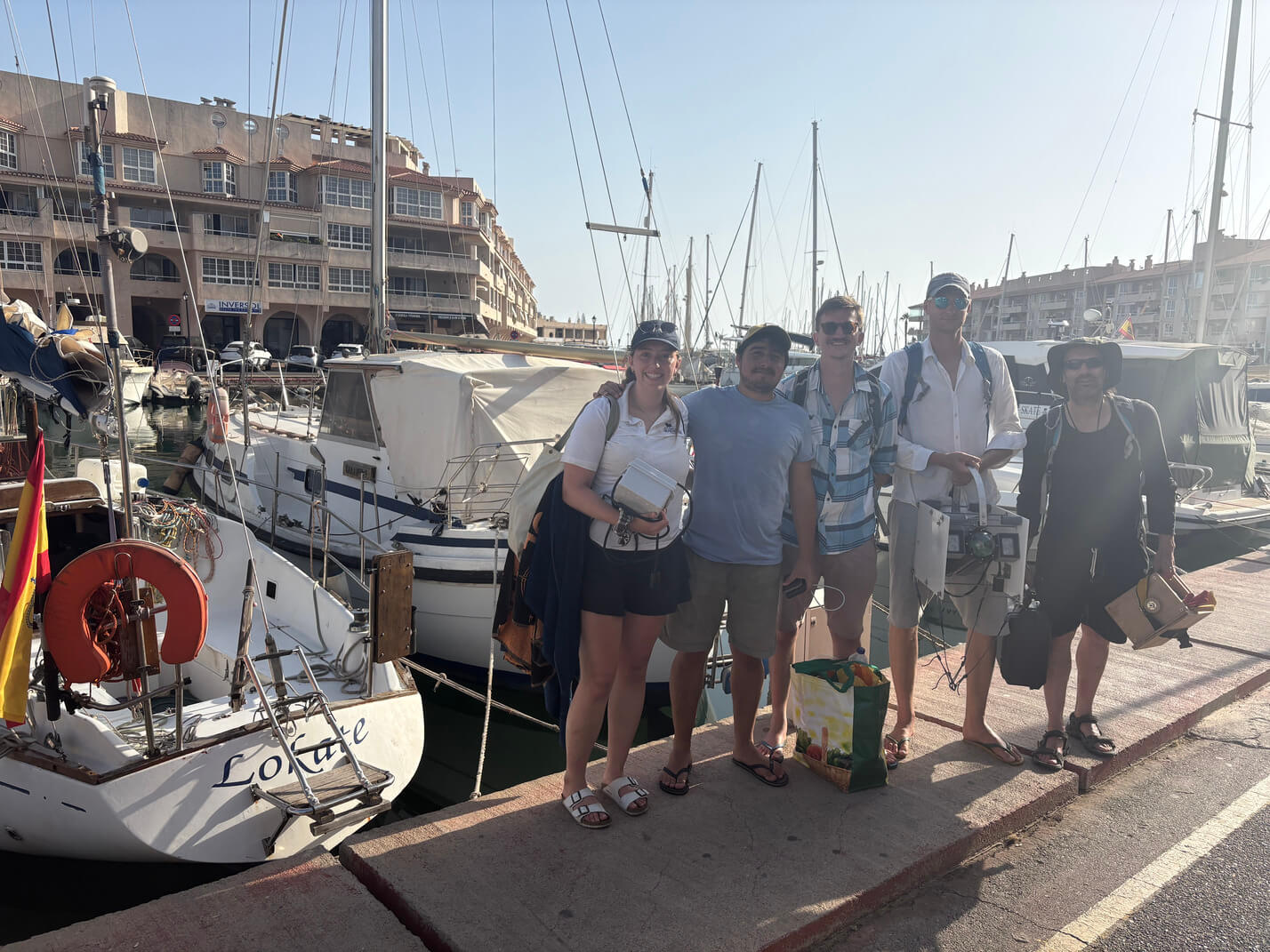
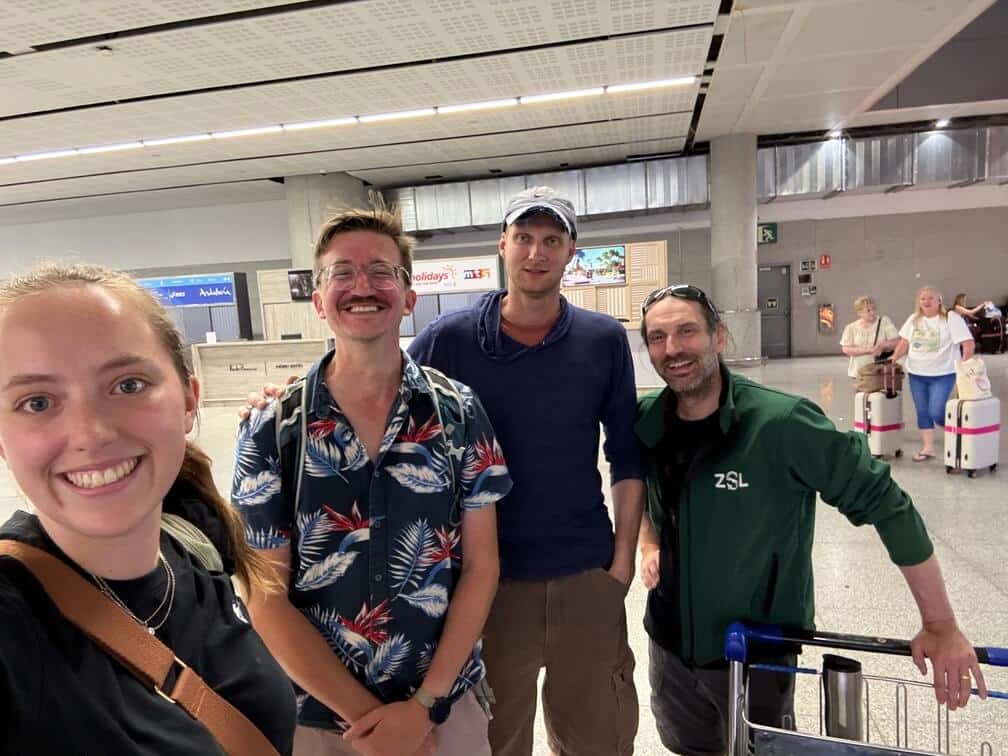
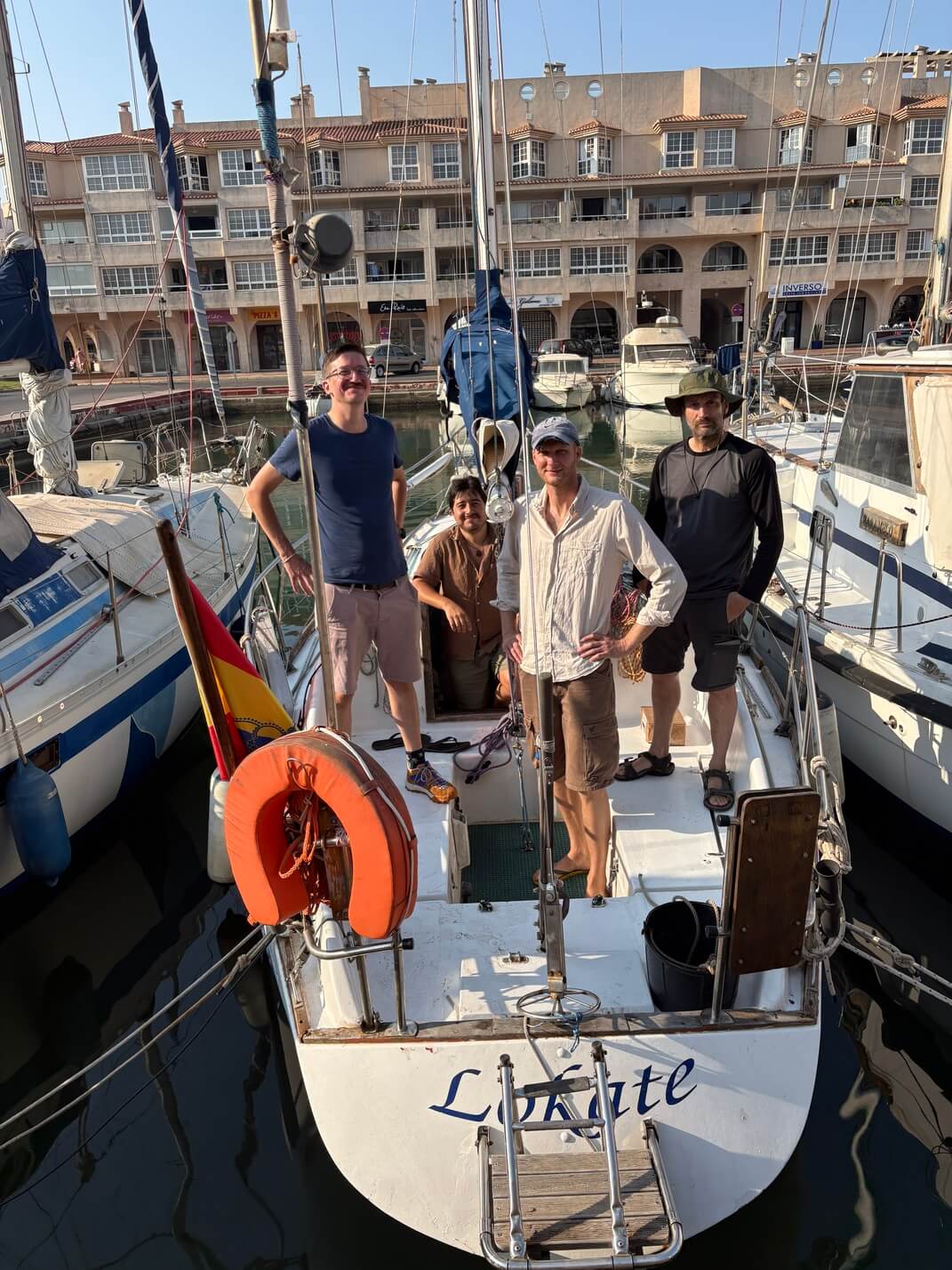
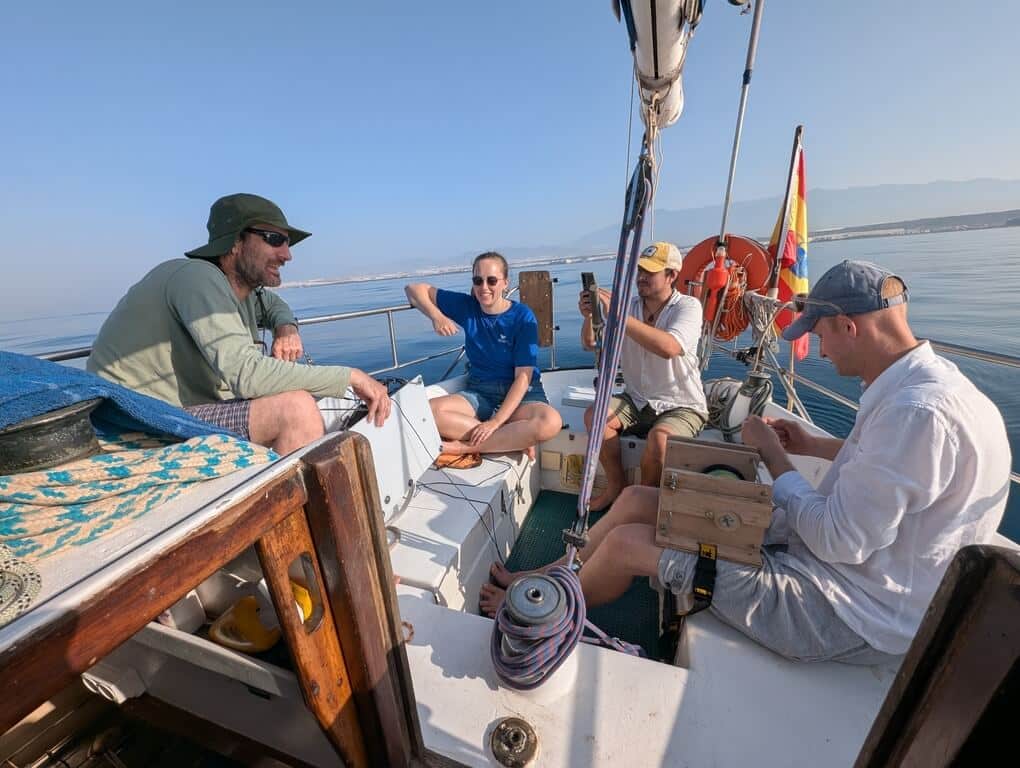
From 26 – 31 July, 2026, The International SeaKeepers Society assisted researchers from the Zoological Society of London (ZSL) with their deep-sea camera trials, supported by DISCOVERY Vessel Lokate and Pelagics Conservation. This expedition marked the first in-water, at-sea test for ZSL’s “Deep and Cheap” camera technology, which aims to give citizen scientists across the globe the ability to collect footage of the deep-sea environment, advancing our knowledge of this largely understudied habitat.
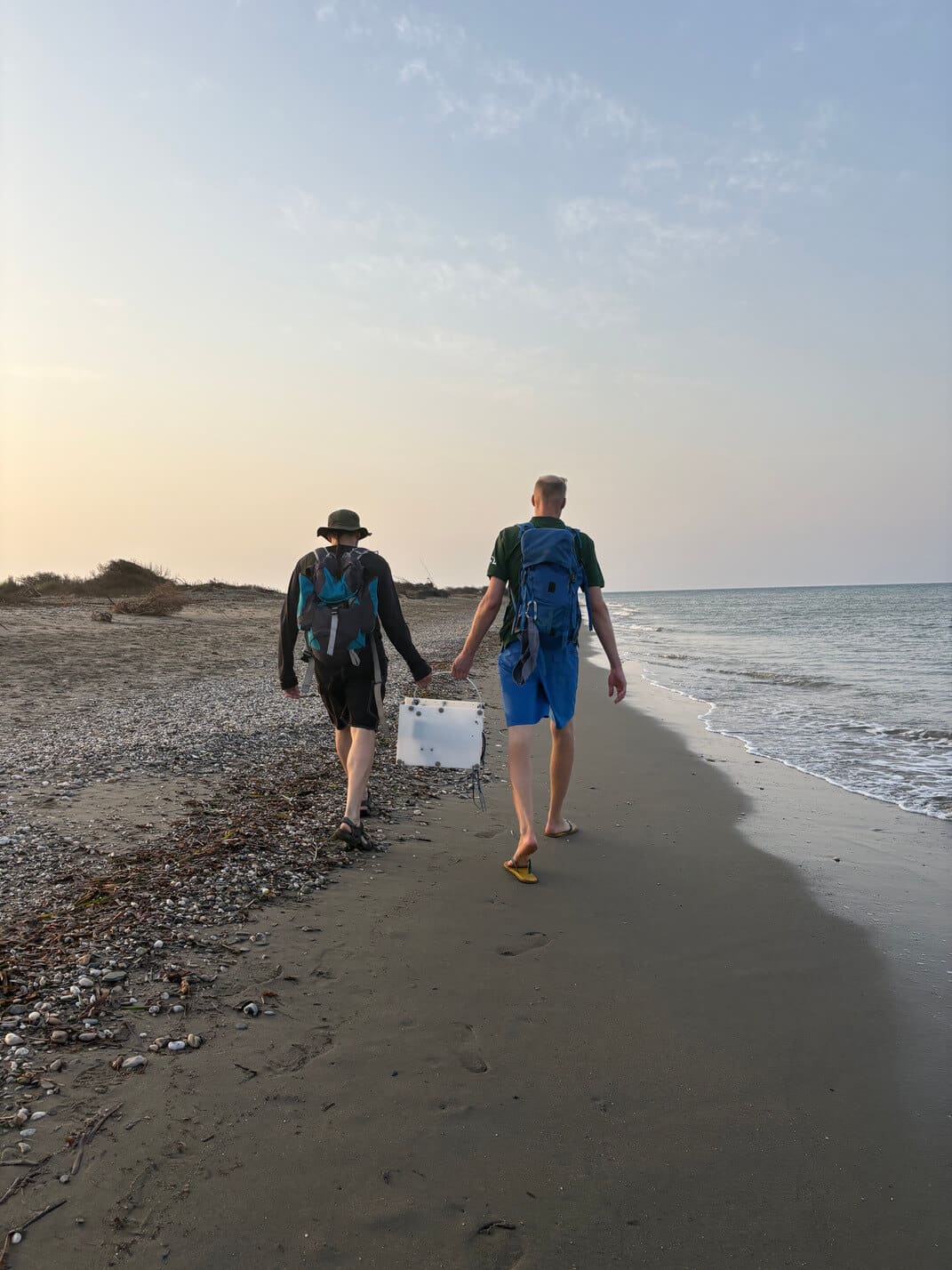
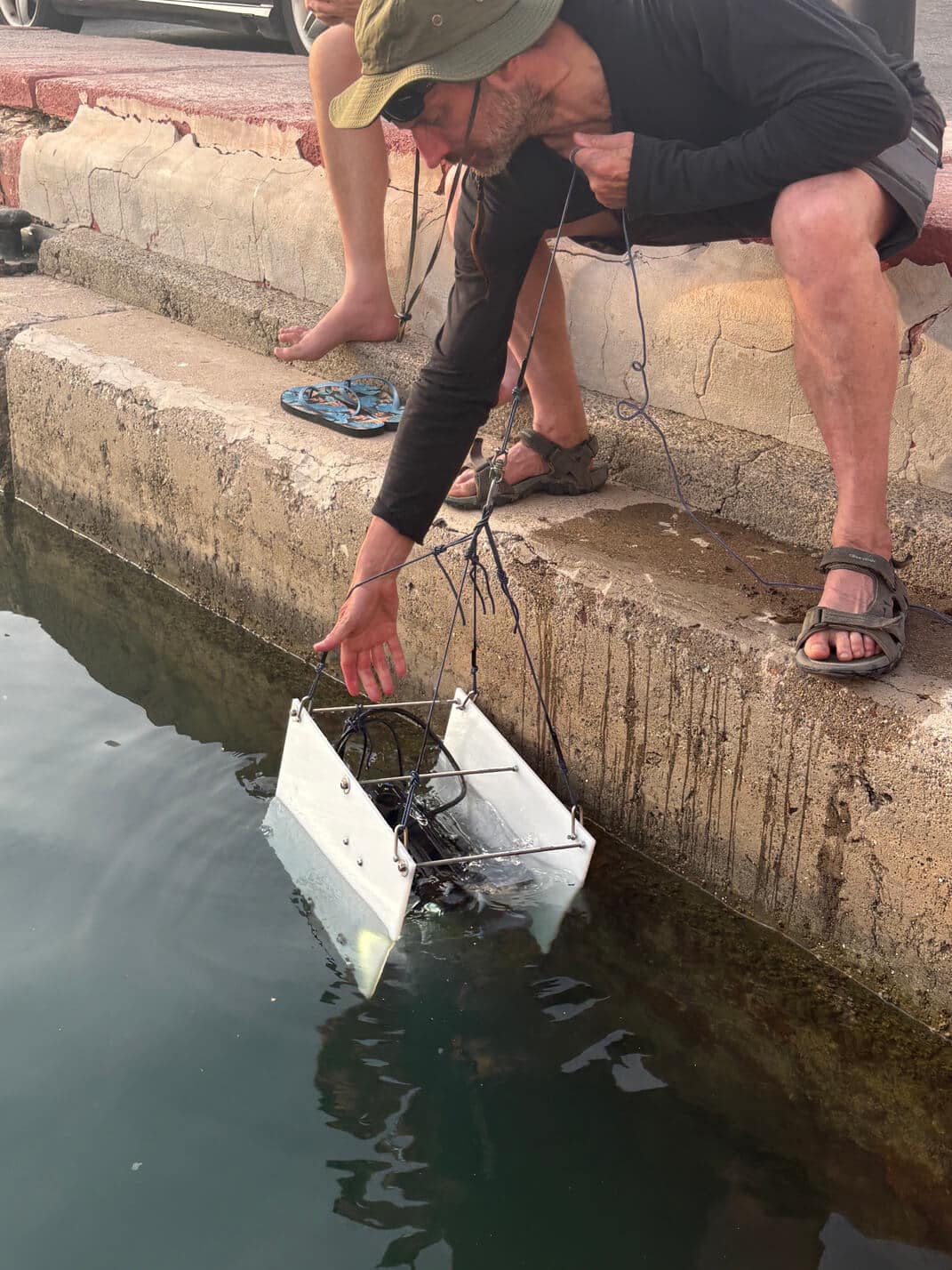
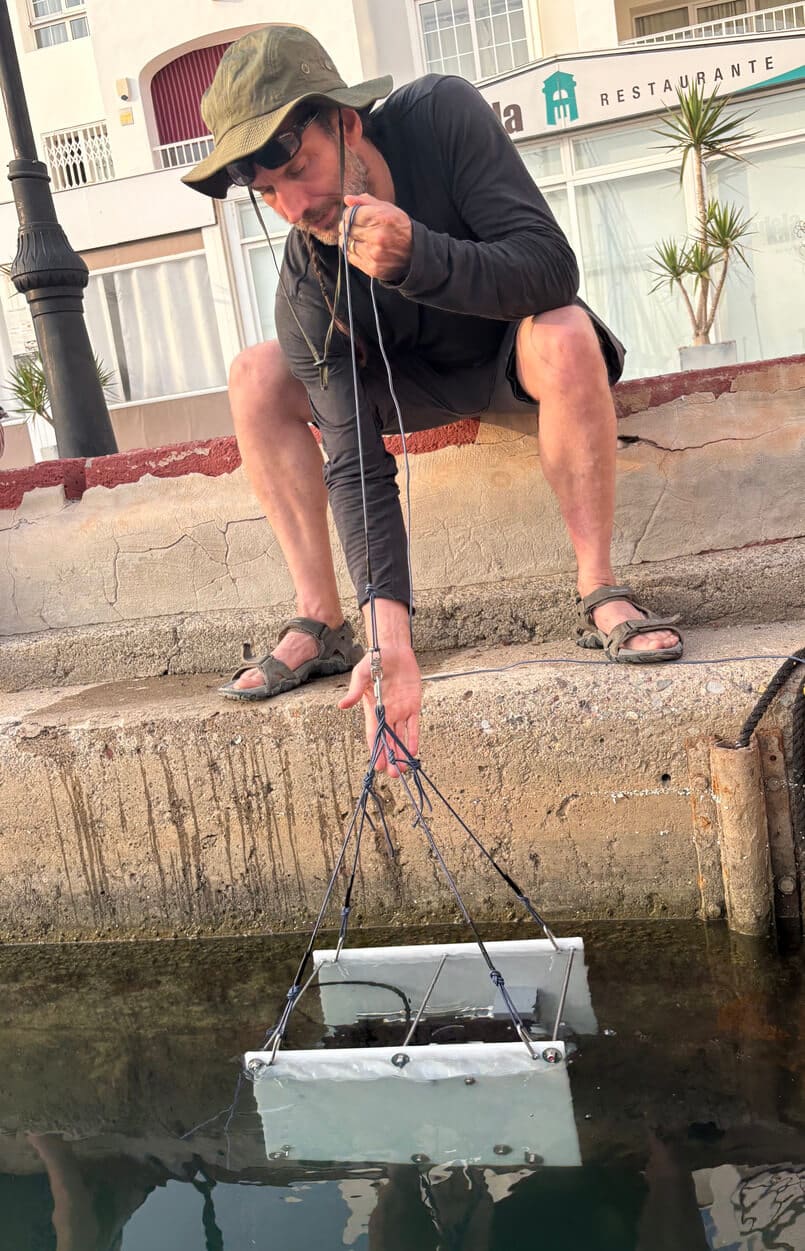
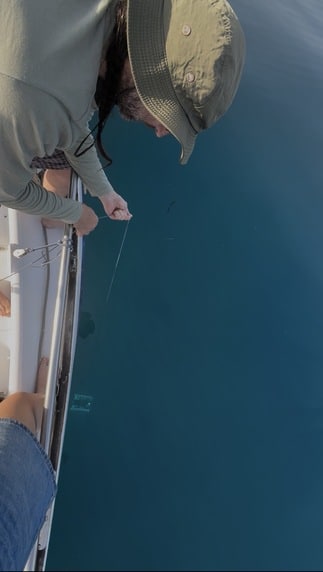
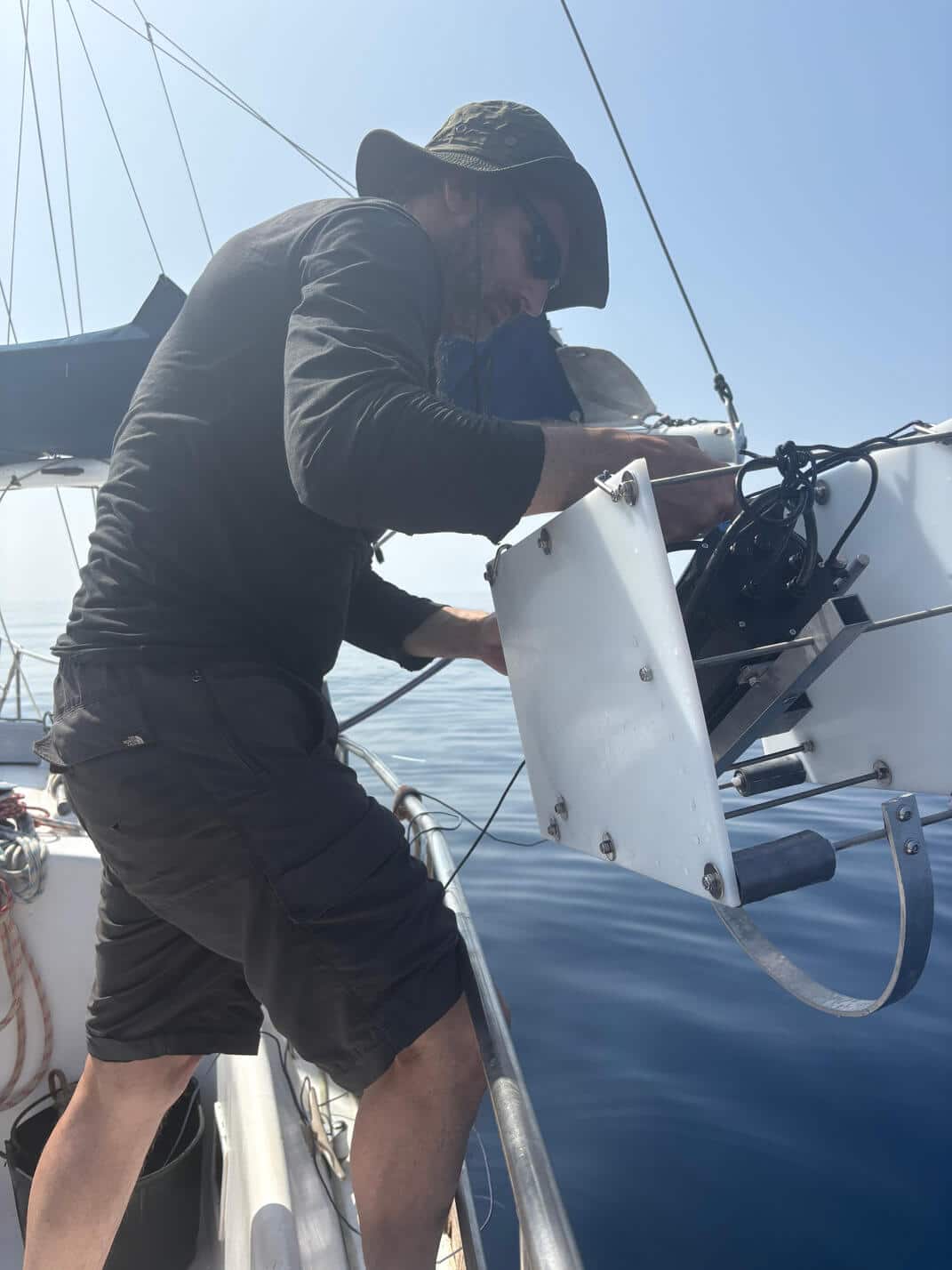
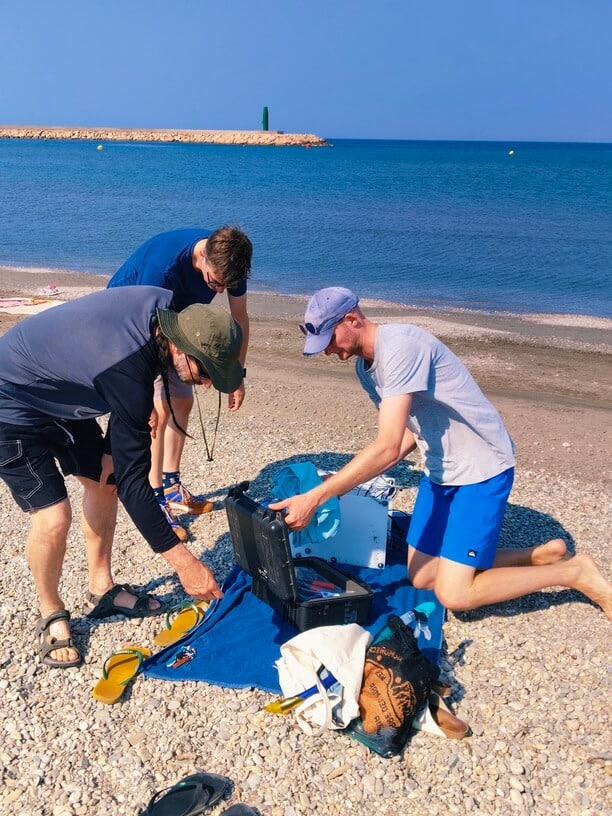
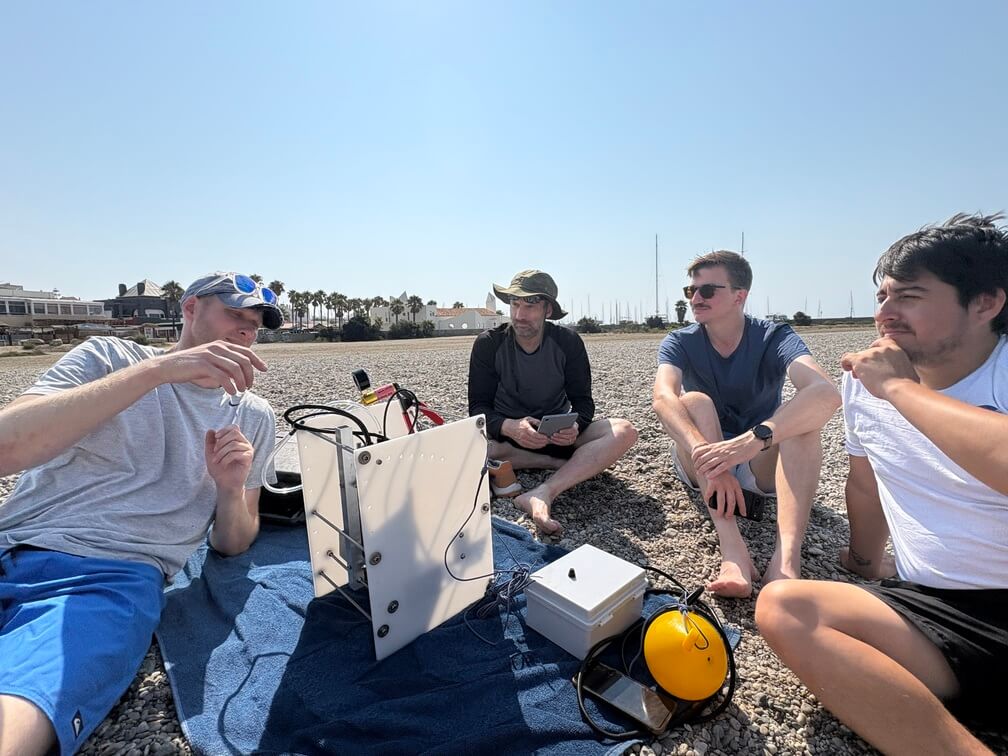
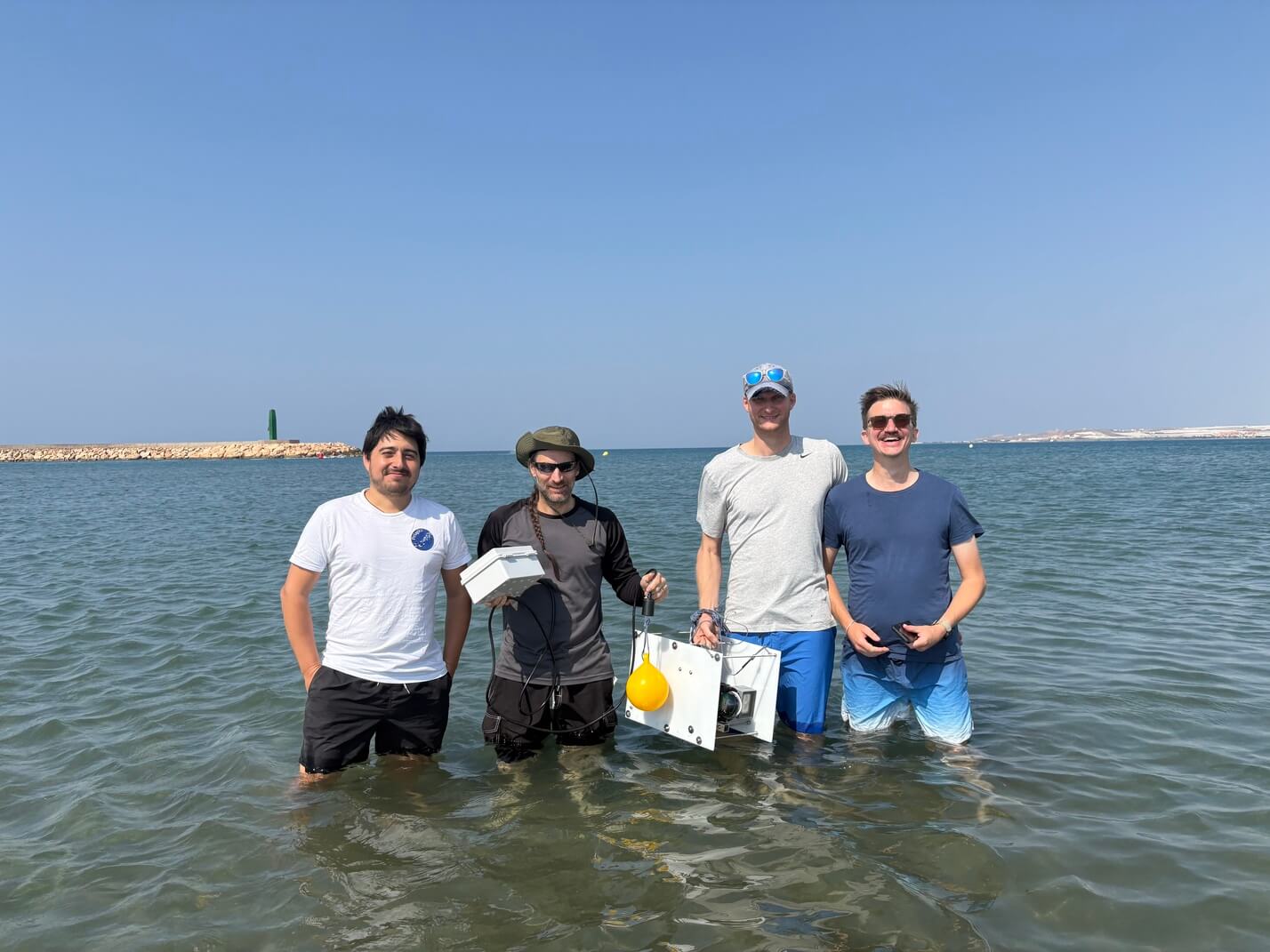
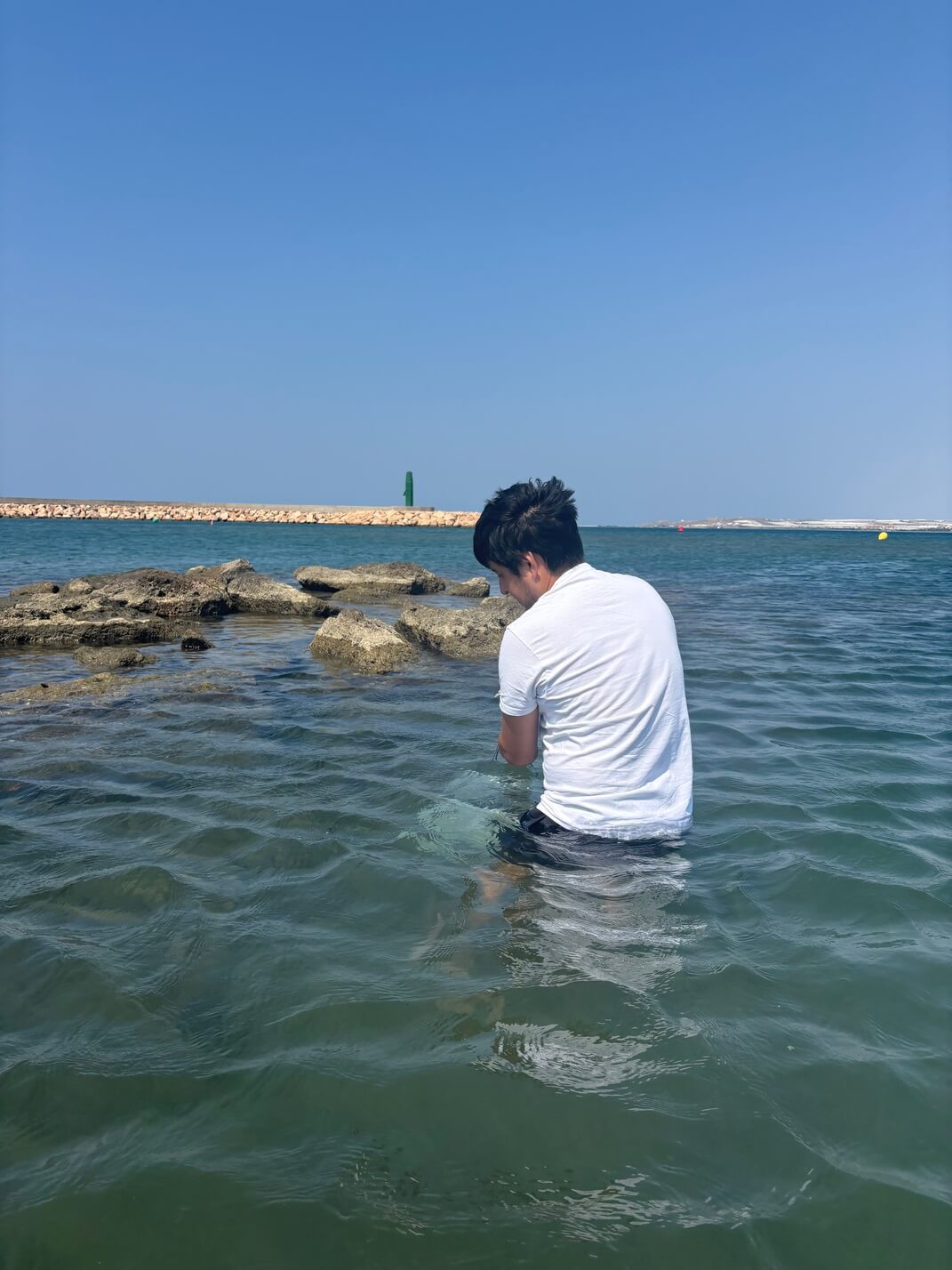
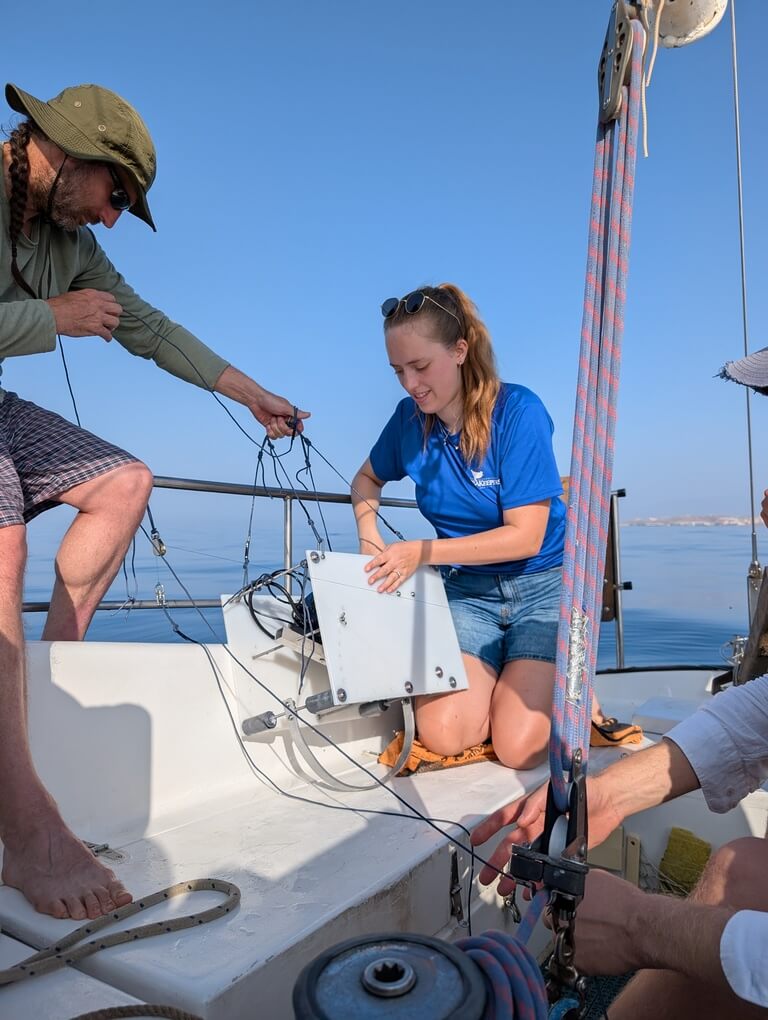
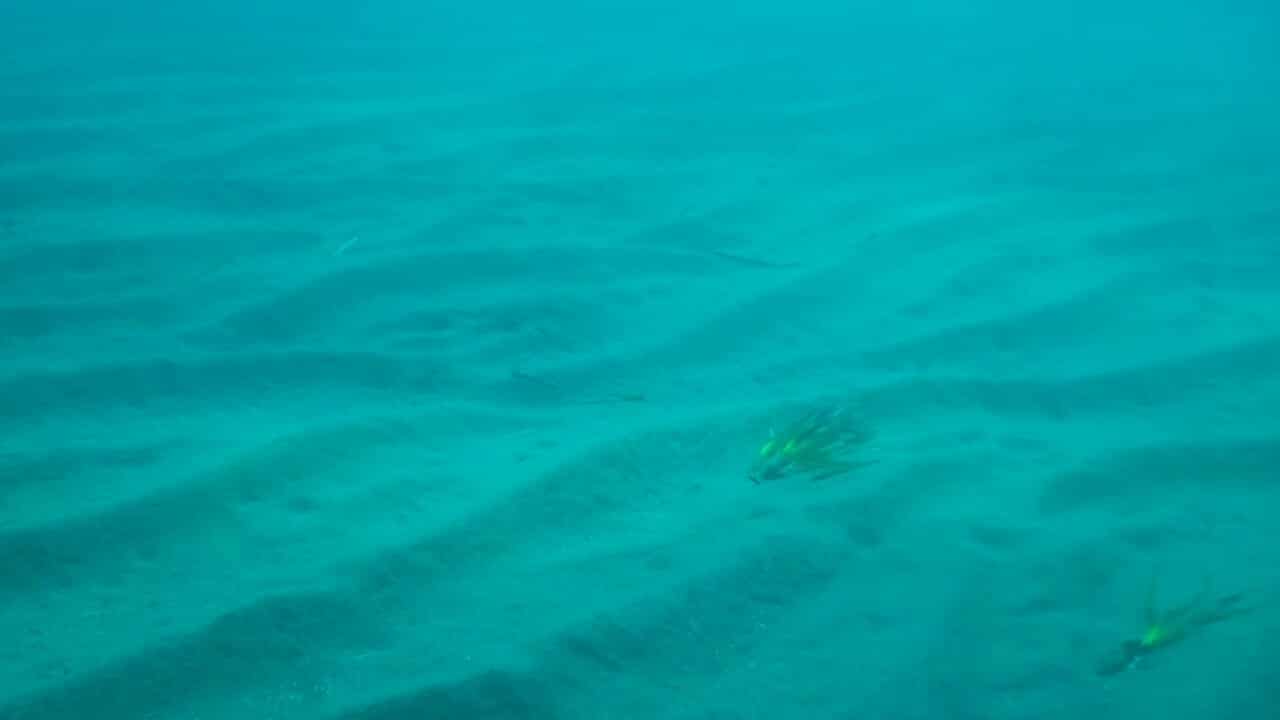
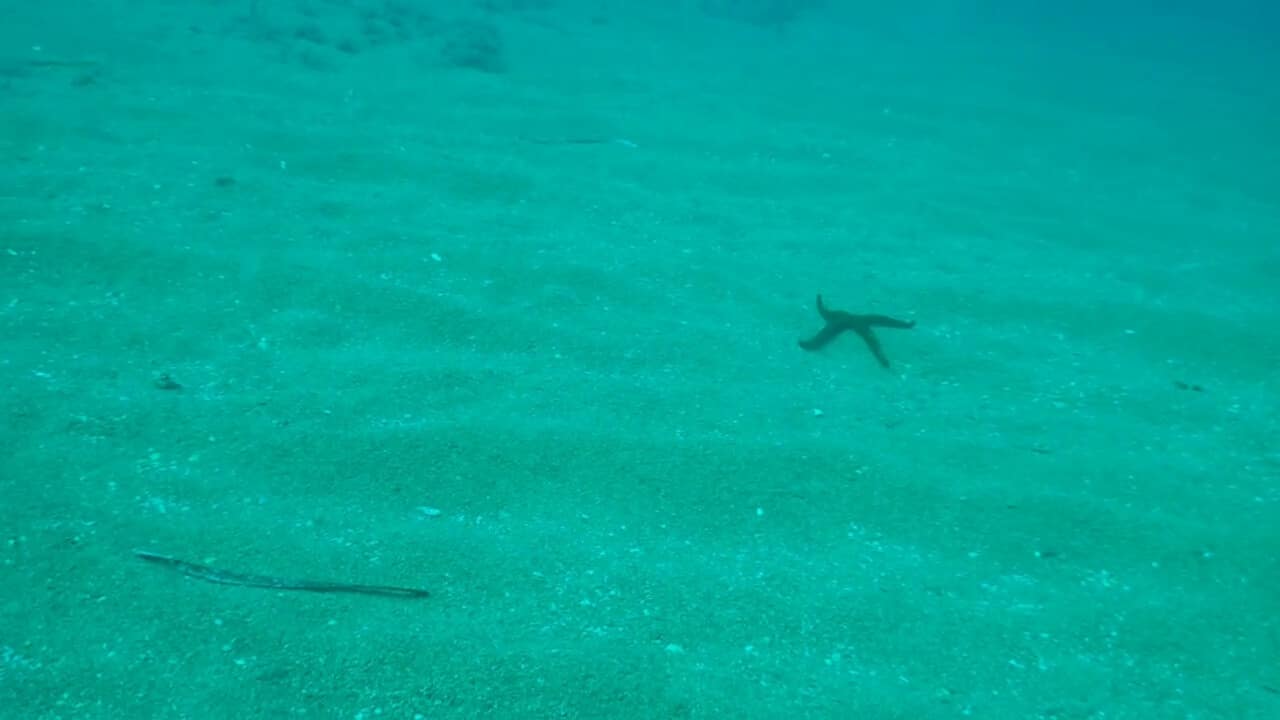
Strong winds initially limited their ability to test the equipment at-sea, but provided sufficient opportunities to conduct vital tests in coastal habitats. The first trial involved checking that the camera was watertight, with the second and third determining which focus is best for collecting useful media in surface water environments. After these preliminary tests, the research team were able to use DISCOVERY Vessel Lokate’s at-sea platform to conduct more extensive in-water assessments.
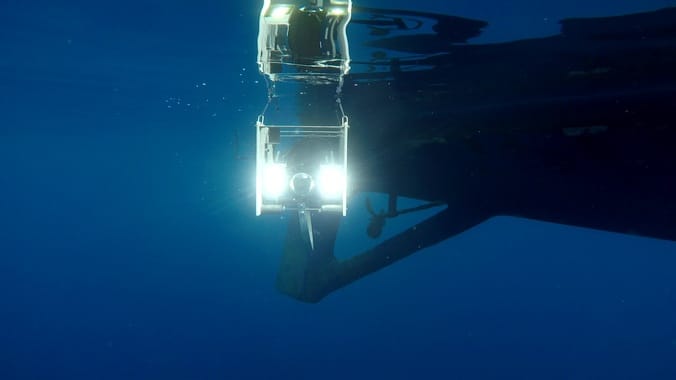
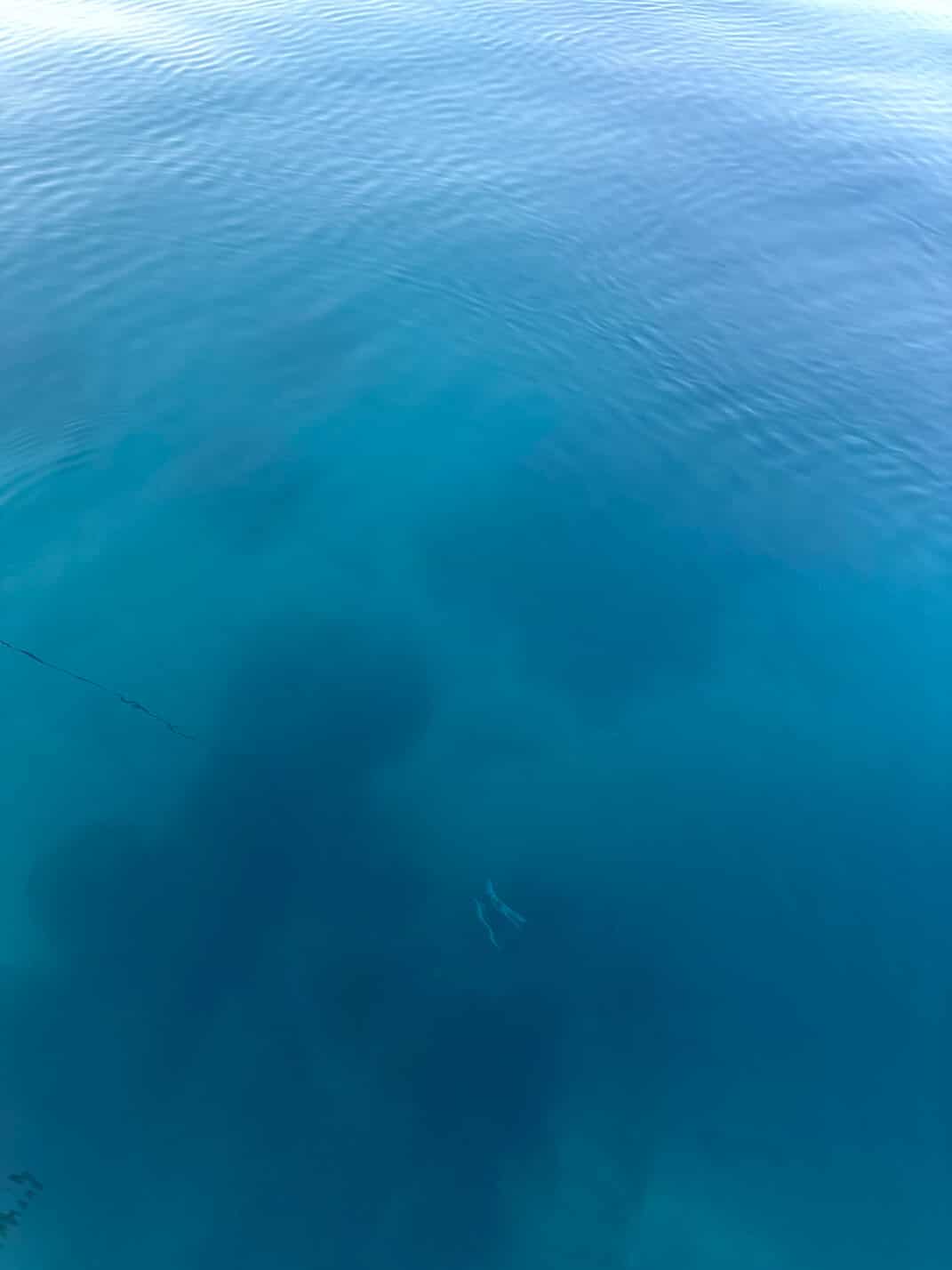
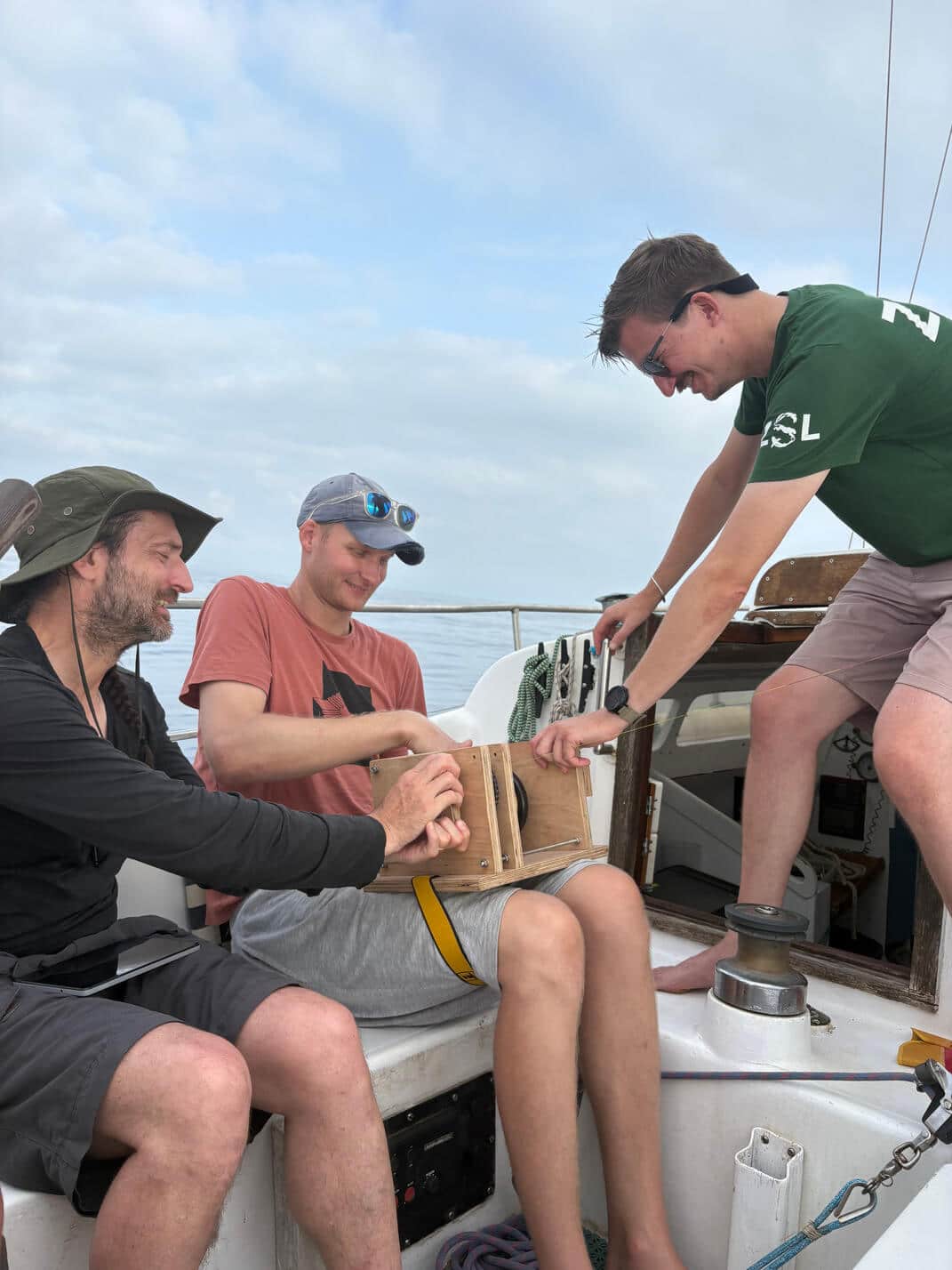
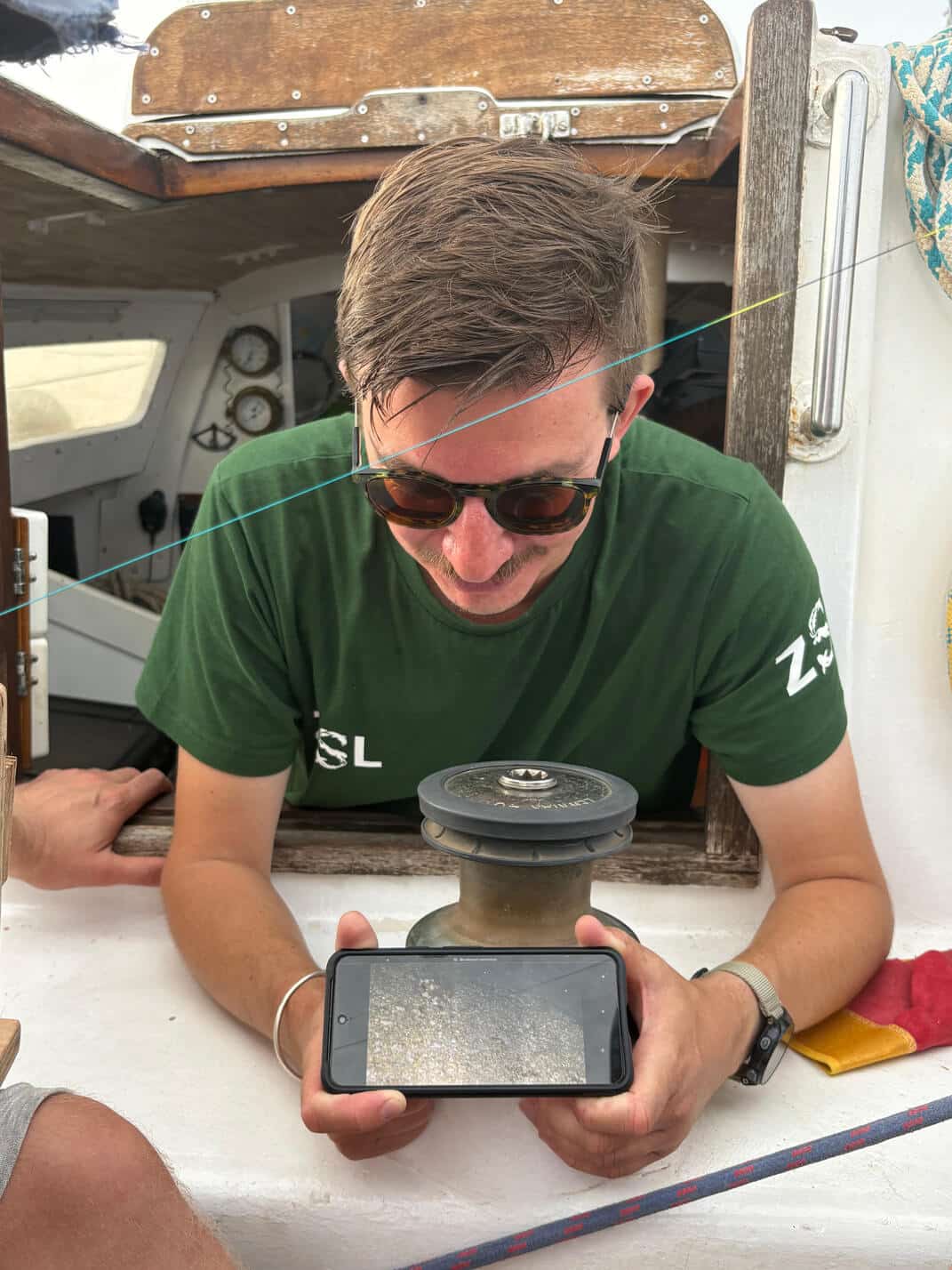
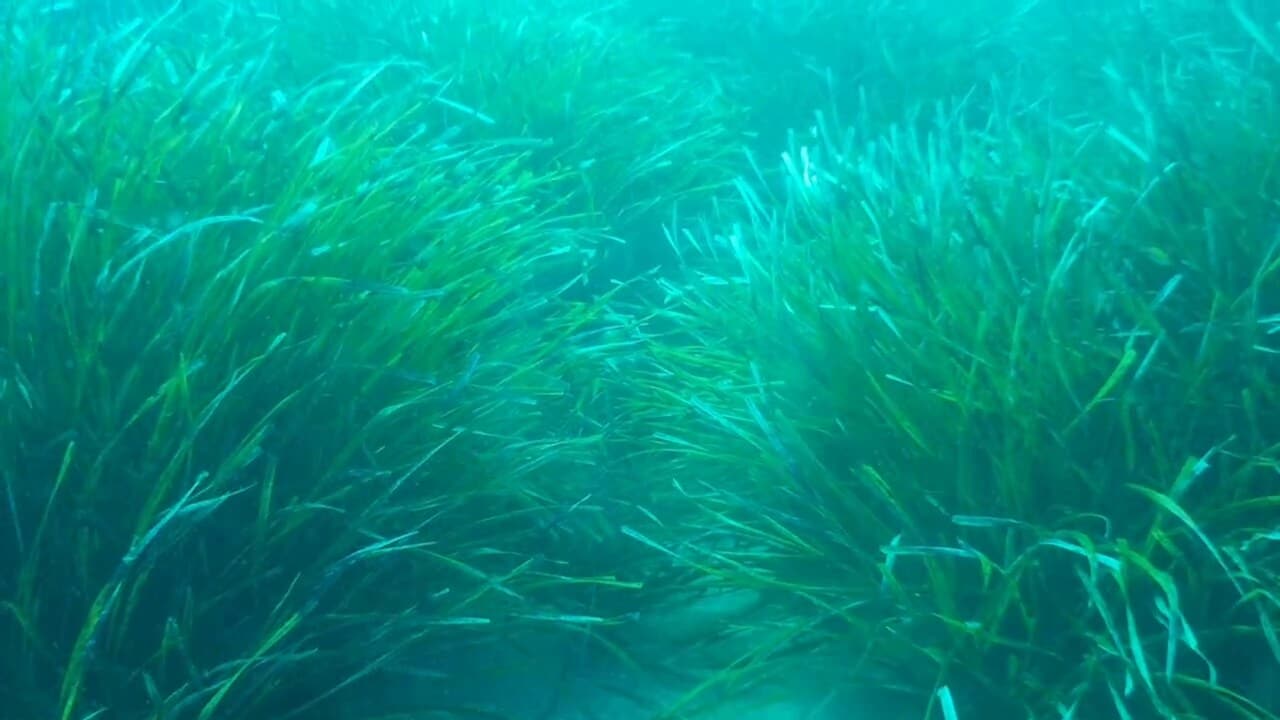
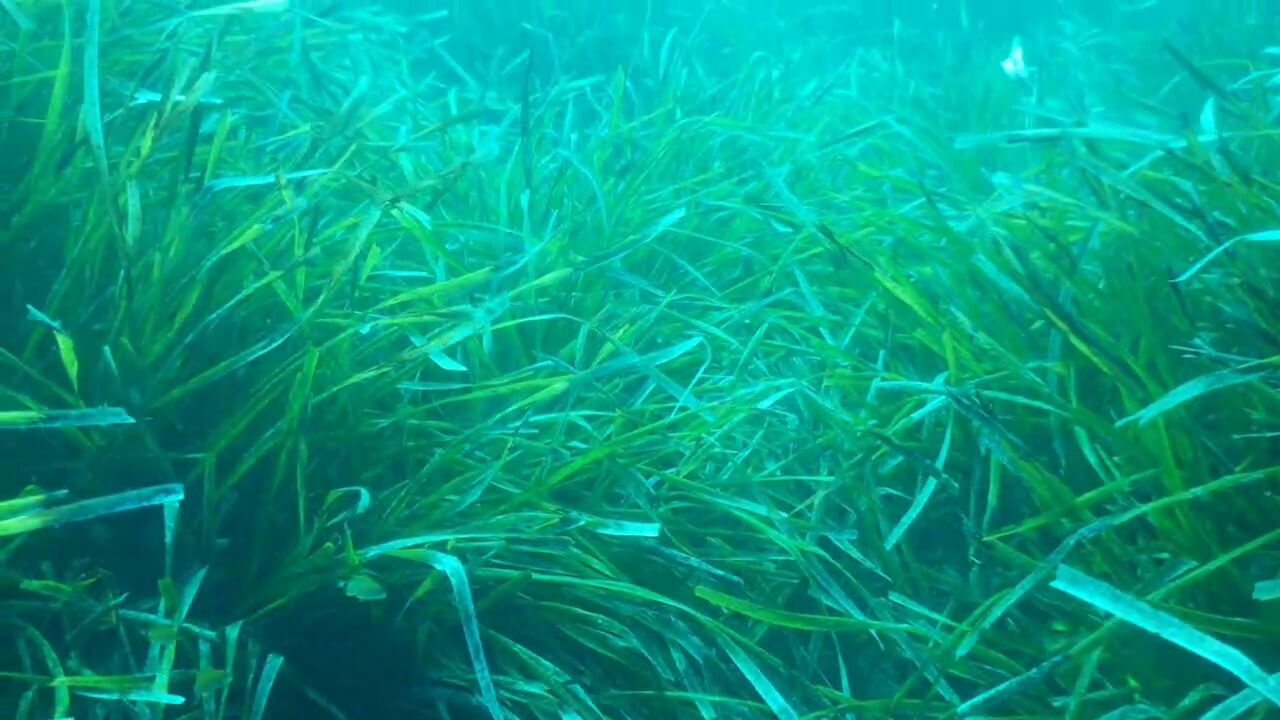
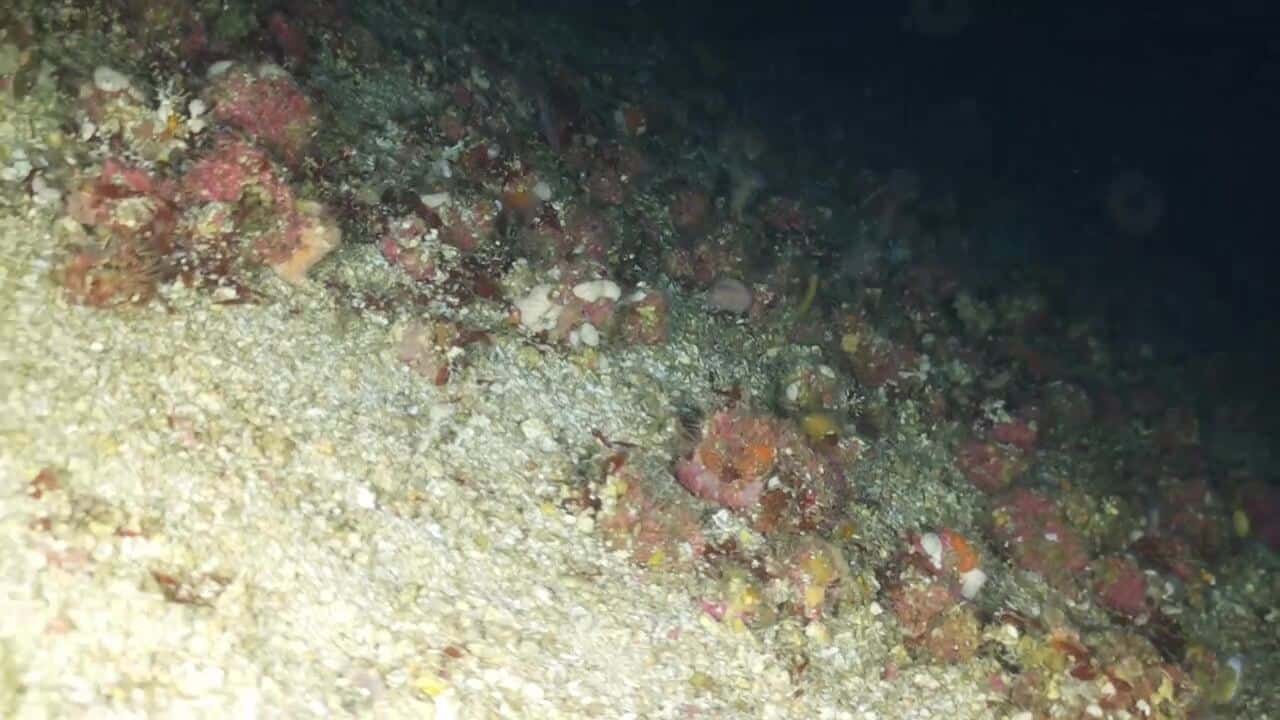
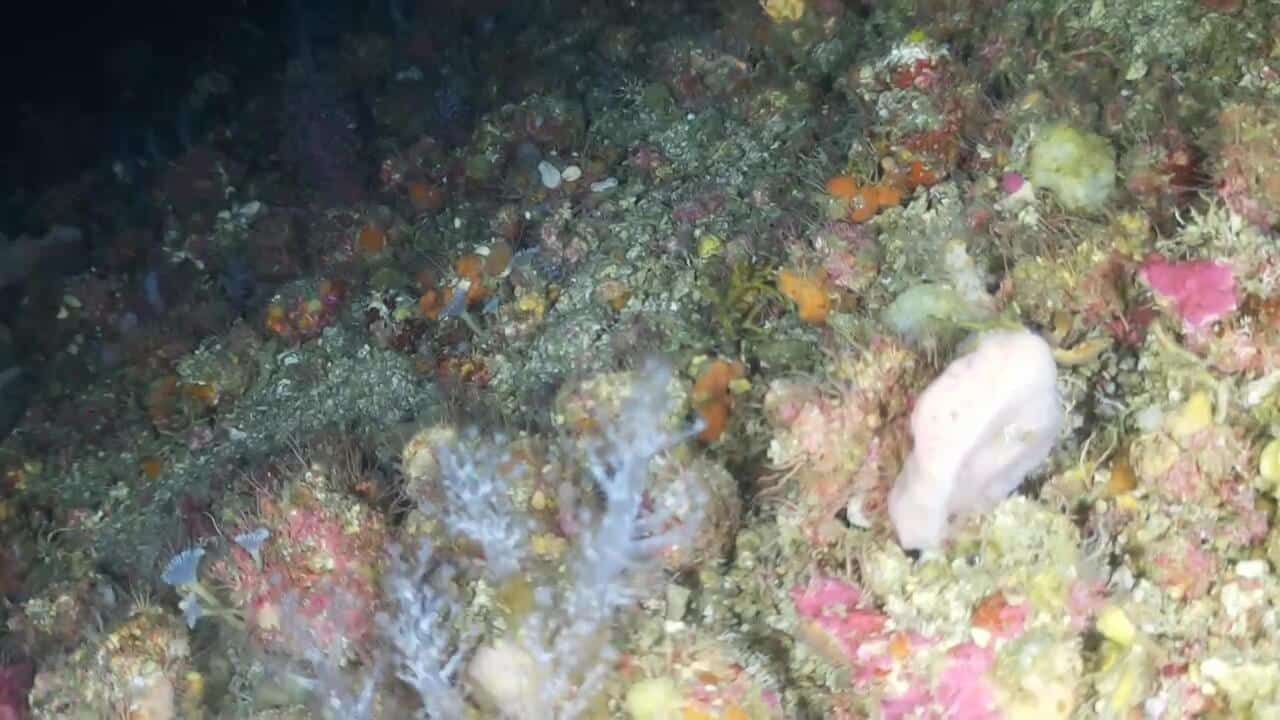
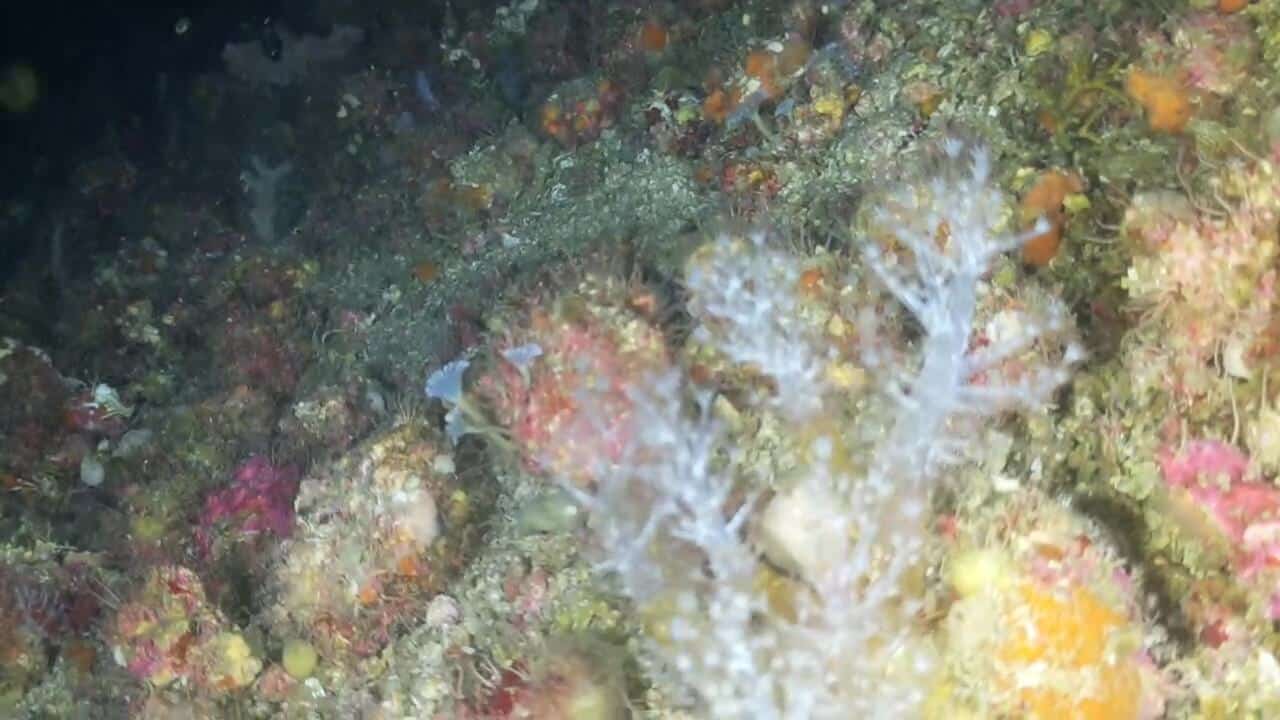
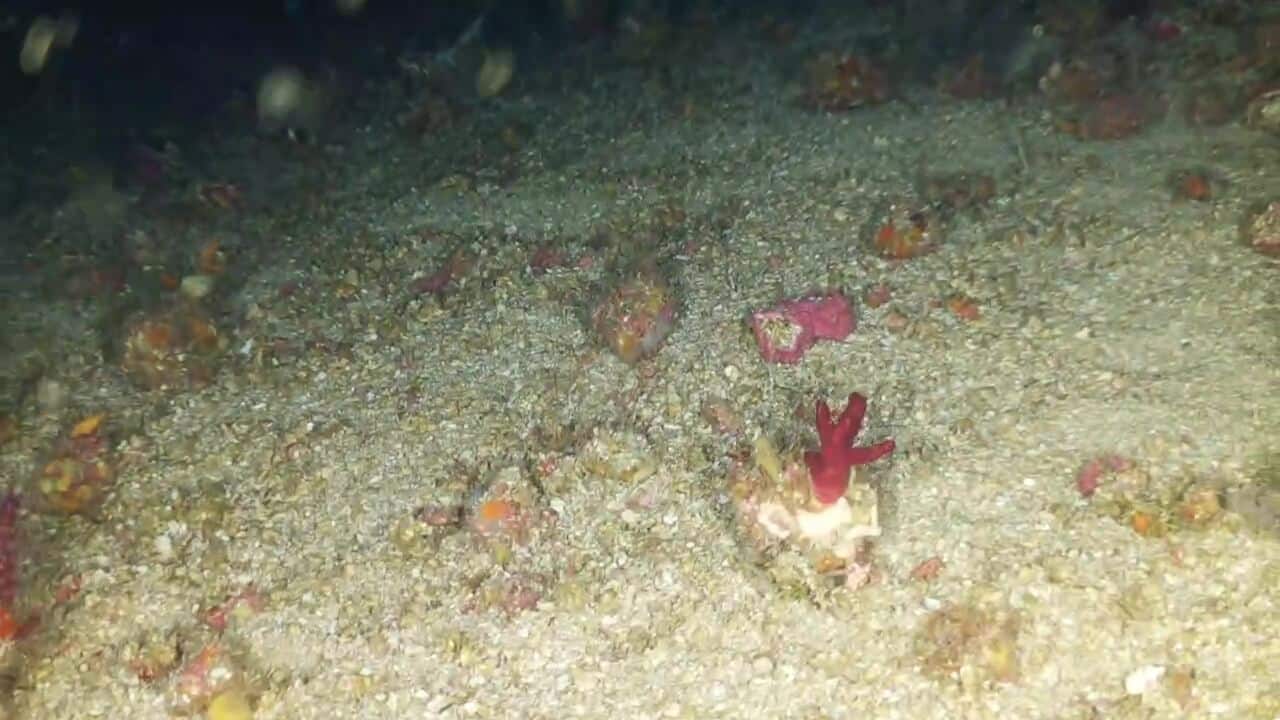
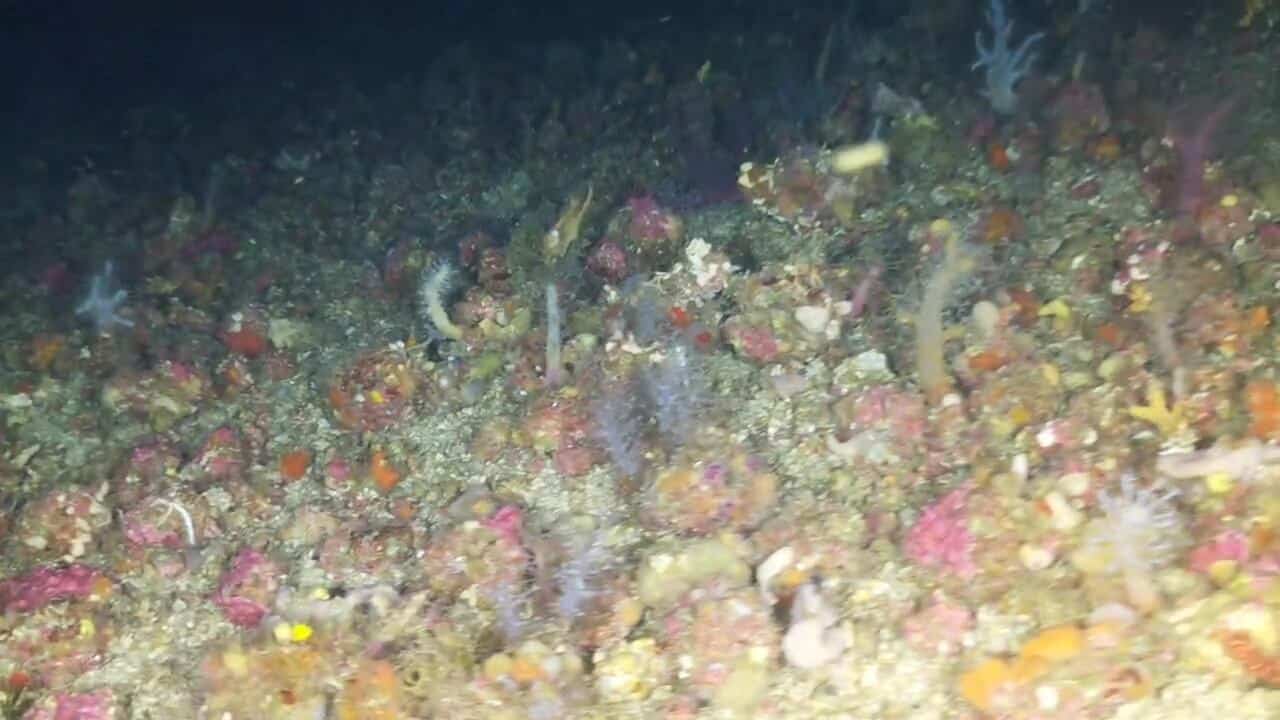
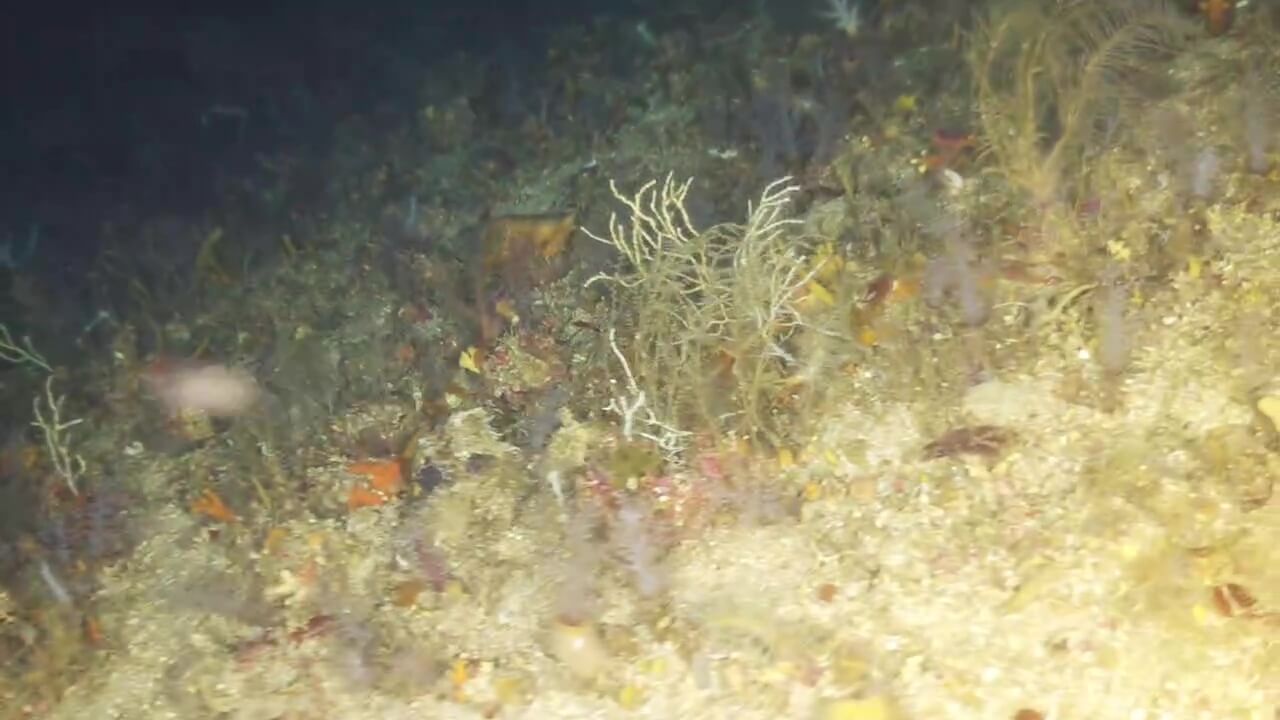
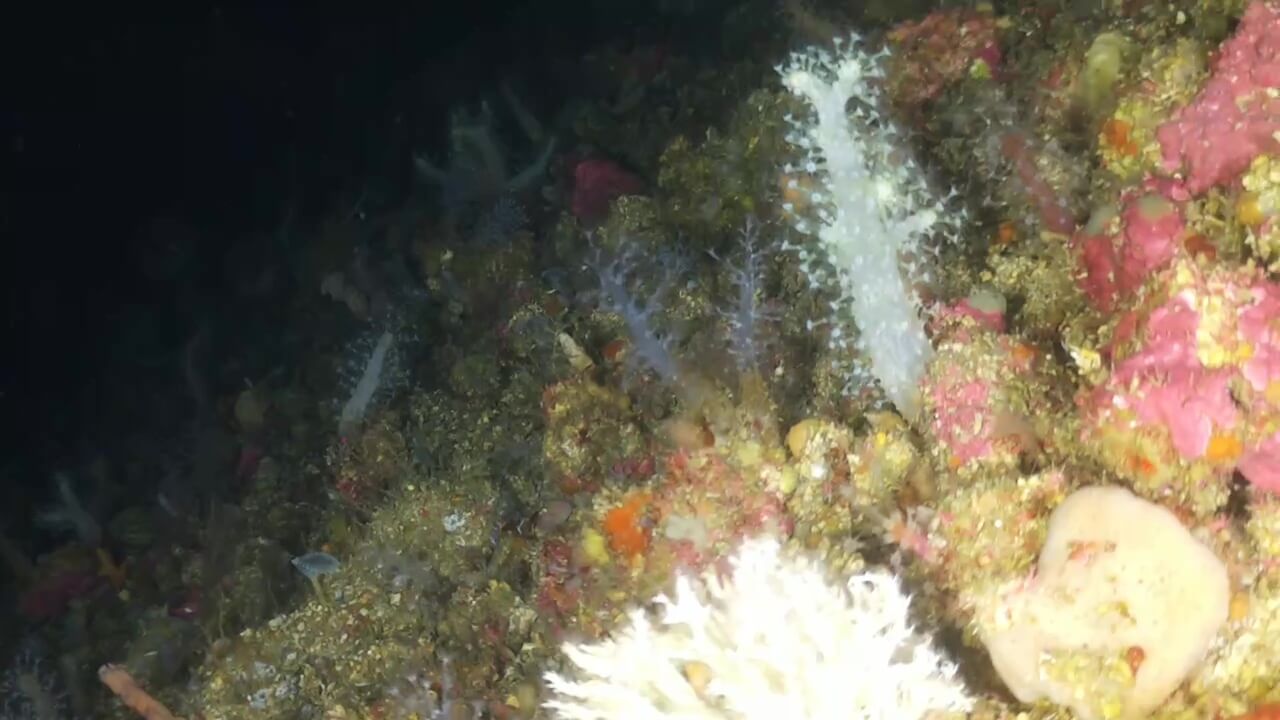
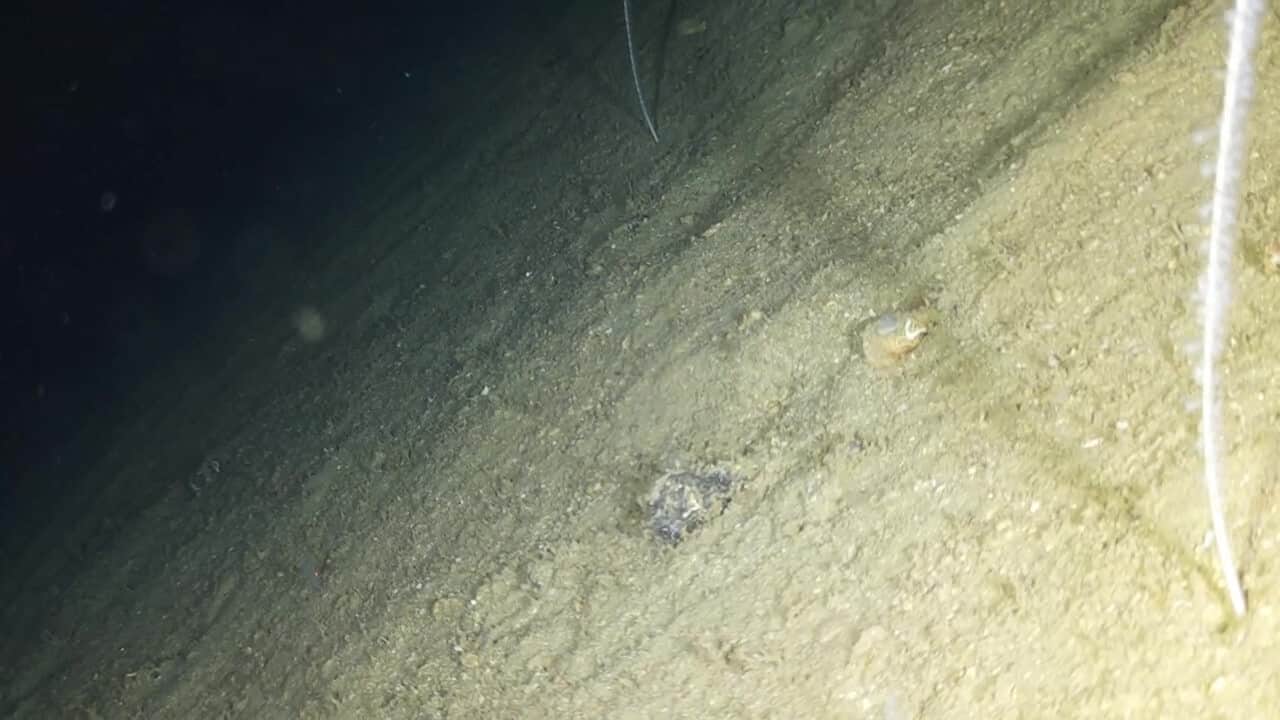
Their first at-sea test involved dropping the camera to 12m to determine whether it could effectively capture seafloor habitats at depth, with seagrass acting as the focus. This test proved successful, so the researchers lowered the camera to 70m to investigate the limitations of their technology and deployment system. After making adjustments where possible, the team deployed the camera to 80m to further test its effectiveness, and subsequently to 320m, marking the device’s first observation of the deep-sea environment. This final depth is roughly the same distance from the surface as the height of the Eiffel Tower in Paris!
The expedition proved a huge success – the camera technology worked well and constructive learnings were gathered from each test stage. The researchers now aim to further develop the device to make the system and deployment/retrieval process more user-friendly for the citizen science community. They also plan to conduct further at-sea trials in deeper environments to assess the physical limitations of the system, while maintaining the quality of footage previously captured by the camera.
Location
Almerimar, Spain
Duration of Project
The “Deep and Cheap” project began in September 2025, after many years of deep-sea study by the lead researchers. Their passion to enable all to access and investigate the deep-sea environment led to this first trial expedition to assess the effectiveness of their new system.
Leadership
- Dr Stephen Long
Research Team
- Dr Chris Yesson
- Michael Darling
Publications
Long, Stephen; (2022) The sustainability of deep-sea fishing in Greenland from a benthic ecosystem perspective: the nature of habitats, impacts of trawling and the effectiveness of governance. Doctoral thesis (Ph.D), UCL (University College London).
Long, S., Blicher, M.E., Hammeken Arboe, N., Fuhrmann, M., Darling, M., Kemp, K.M., Nygaard, R., Zinglersen, K. and Yesson, C. (2021) Deep-sea benthic habitats and the impacts of trawling on them in the offshore Greenland halibut fishery, Davis Strait, west Greenland. ICES Journal of Marine Science. DOI: doi.org/10.1093/icesjms/fsab148
Long, S; Sparrow-Scinocca, B; Blicher, ME; Hammeken Arboe, N; Fuhrmann, M; Kemp, KM; Nygaard, R; Zinglersen, K; Yesson, C. (2020) Identification of a Soft Coral Garden Candidate Vulnerable Marine Ecosystem (VME) Using Video Imagery, Davis Strait, West Greenland. Frontiers in Marine Science 7(460) DOI: 10.3389/fmars.2020.00460
Photo Gallery