
- SeaKeepers' Vessel DISCOVERY II
Detecting Whales Through Environmental DNA
- September 4, 2026
- Miami, Florida
Project Overview
Researchers from Florida International University (FIU) are using environmental DNA (eDNA) to investigate whale presence throughout the Greater Caribbean. The project uses a non-invasive sampling method that collects genetic material naturally shed by animals into the surrounding seawater, allowing researchers to detect the presence of whales without needing to physically interact with or directly observe them.
Sampling is planned across multiple locations throughout the Greater Caribbean, including South Florida, Puerto Rico, Aruba, St. Vincent, San Andrés, Costa Rica, and Mexico. In South Florida, researchers plan to conduct sampling twice annually to investigate seasonal variability in whale presence.
Application
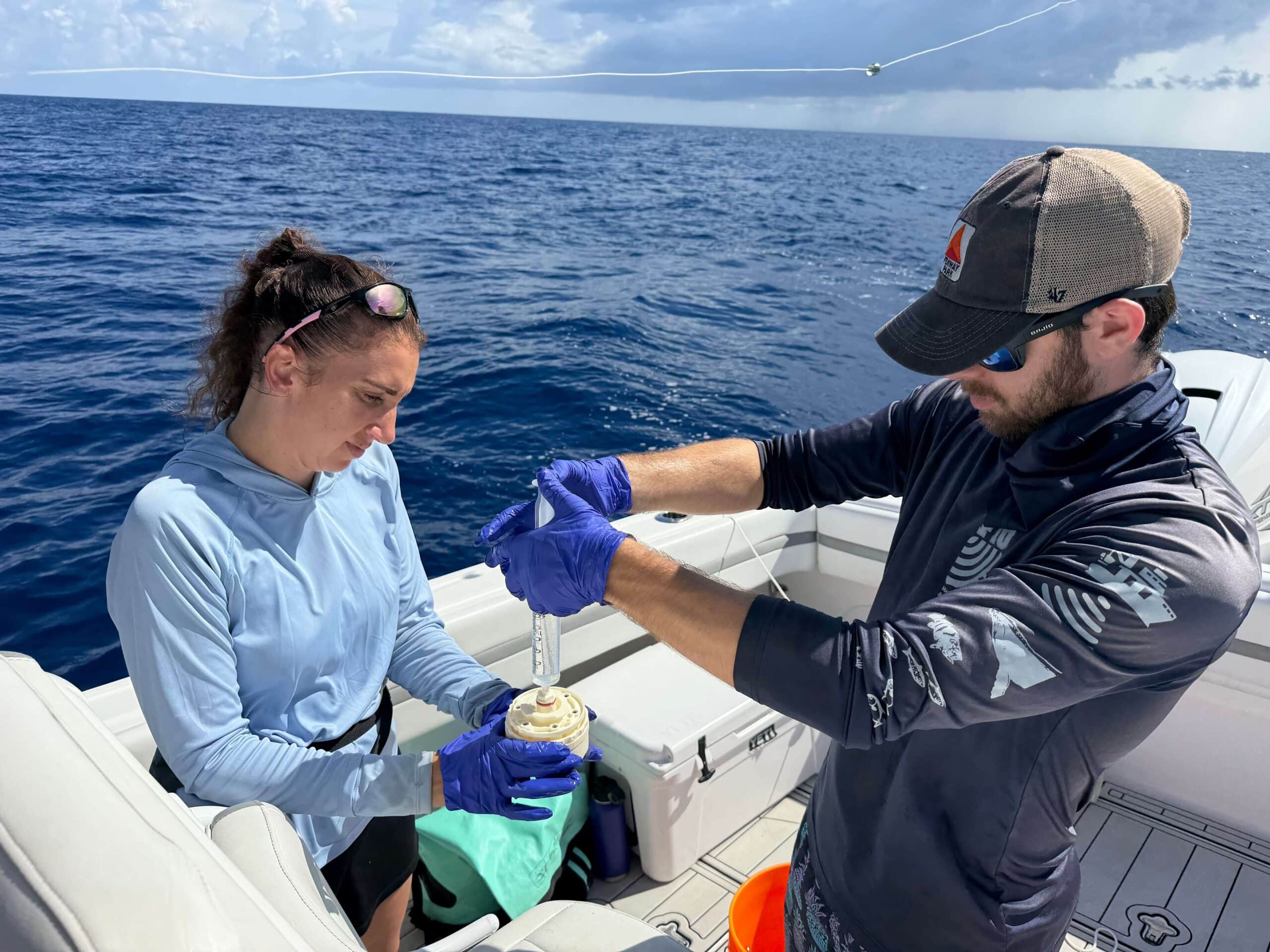
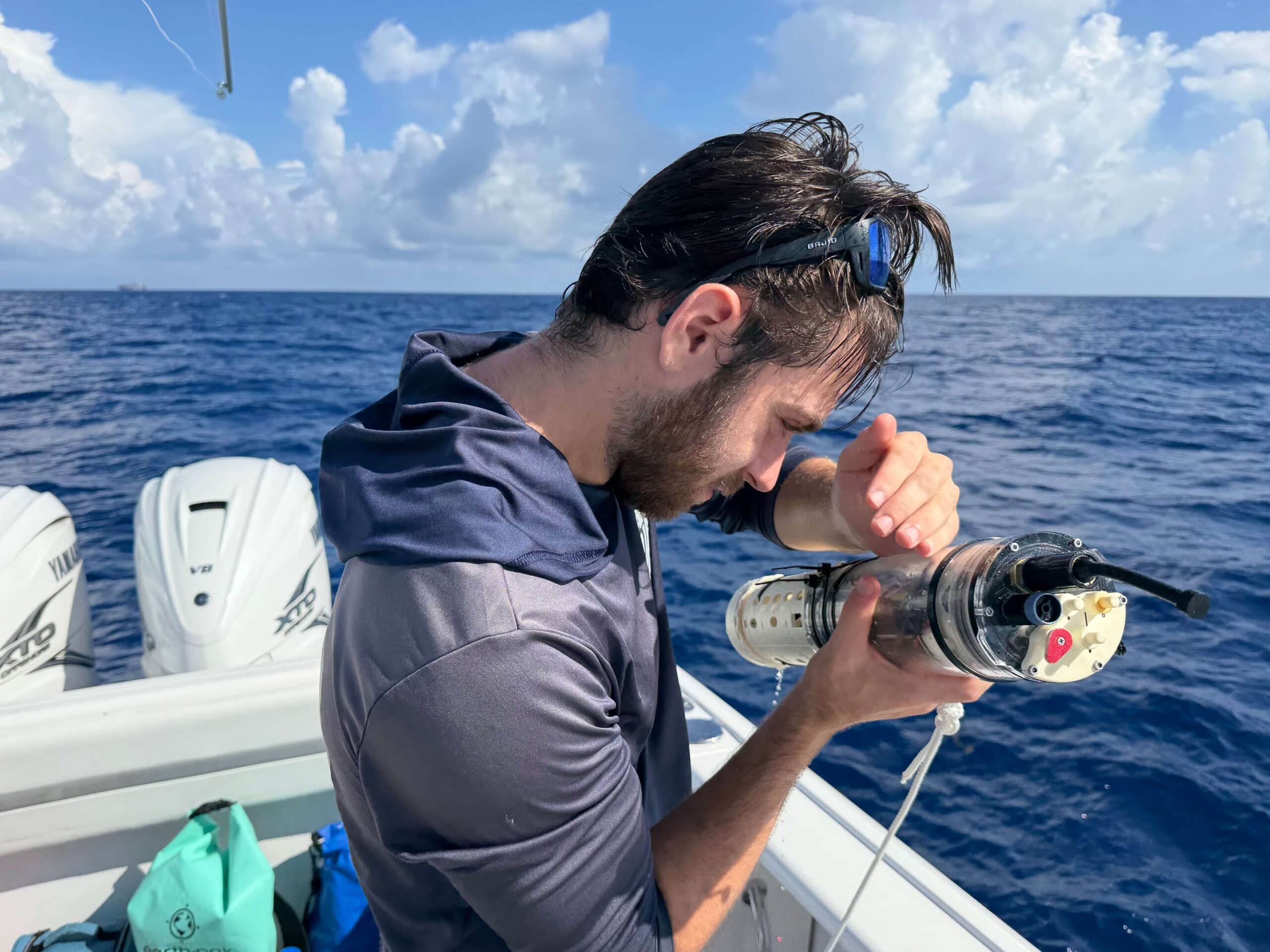
Environmental DNA is collected by pumping seawater through specialized filters that capture traces of genetic material present in the water. The filters are then preserved and returned to the laboratory, where researchers can extract and analyze the DNA, specifically targeting genetic material from whales.
By repeatedly collecting samples from marine environments throughout the Greater Caribbean, researchers aim to explore how eDNA can be used to detect whale presence and better understand seasonal patterns in their occurrence.
The project is currently in its exploratory stages, with continued sampling expected to help researchers refine the methodology and build a dataset across the study region.
Expedition Summary
On September 4, 2026, The International SeaKeepers Society supported researchers from Florida International University aboard SeaKeepers’ vessel DISCOVERY II for an environmental DNA sampling expedition off the coast of Miami.
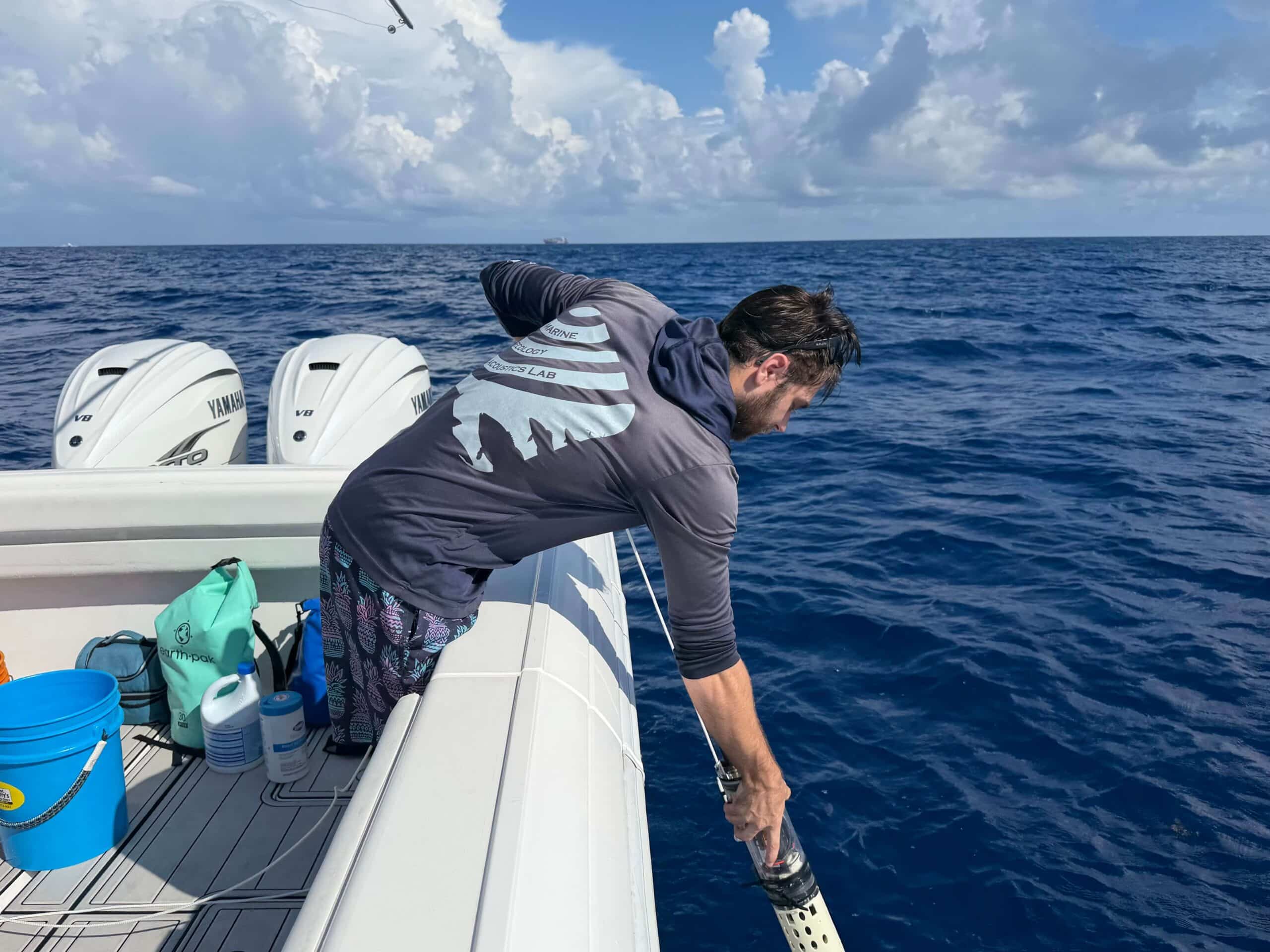
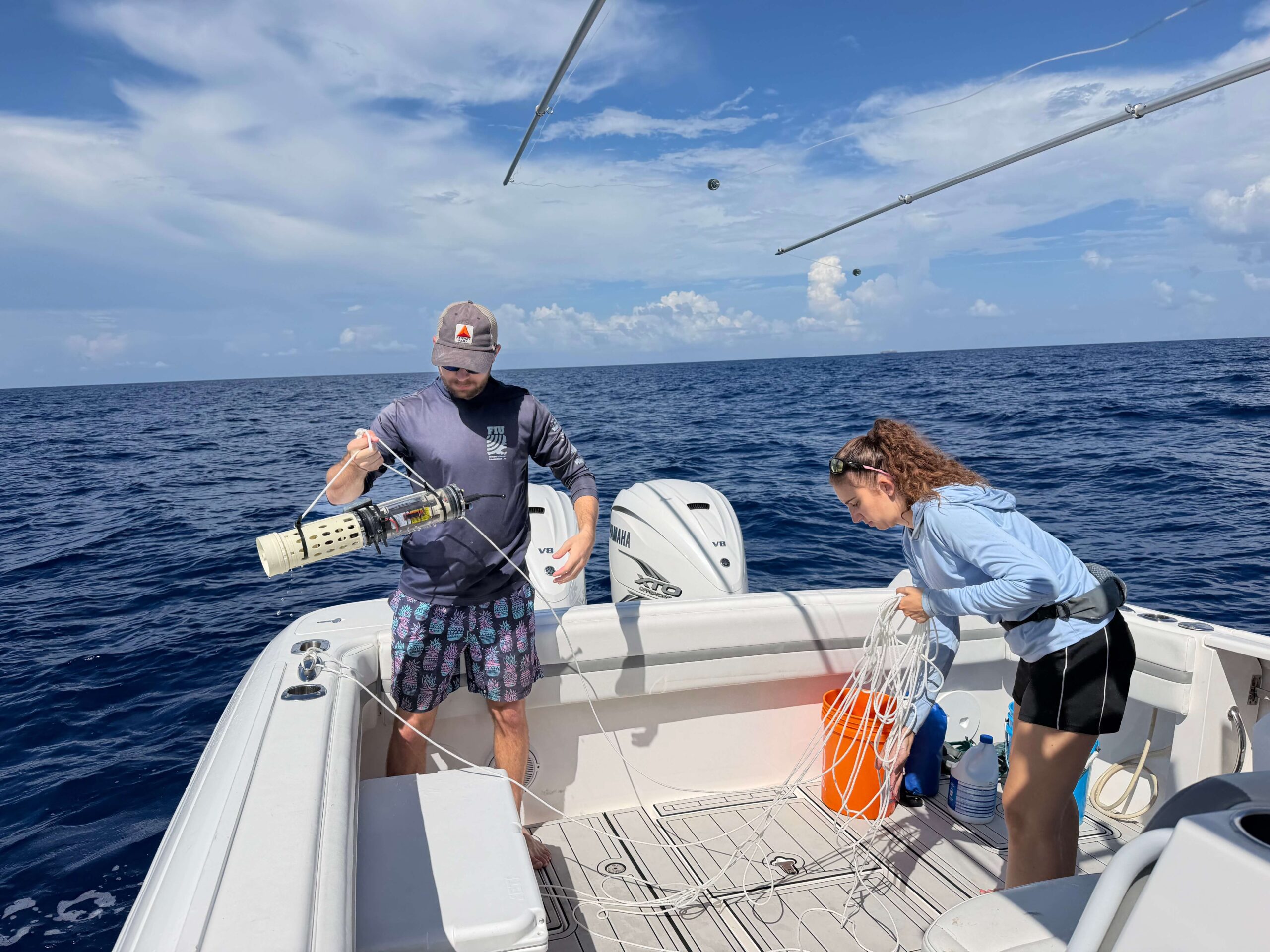
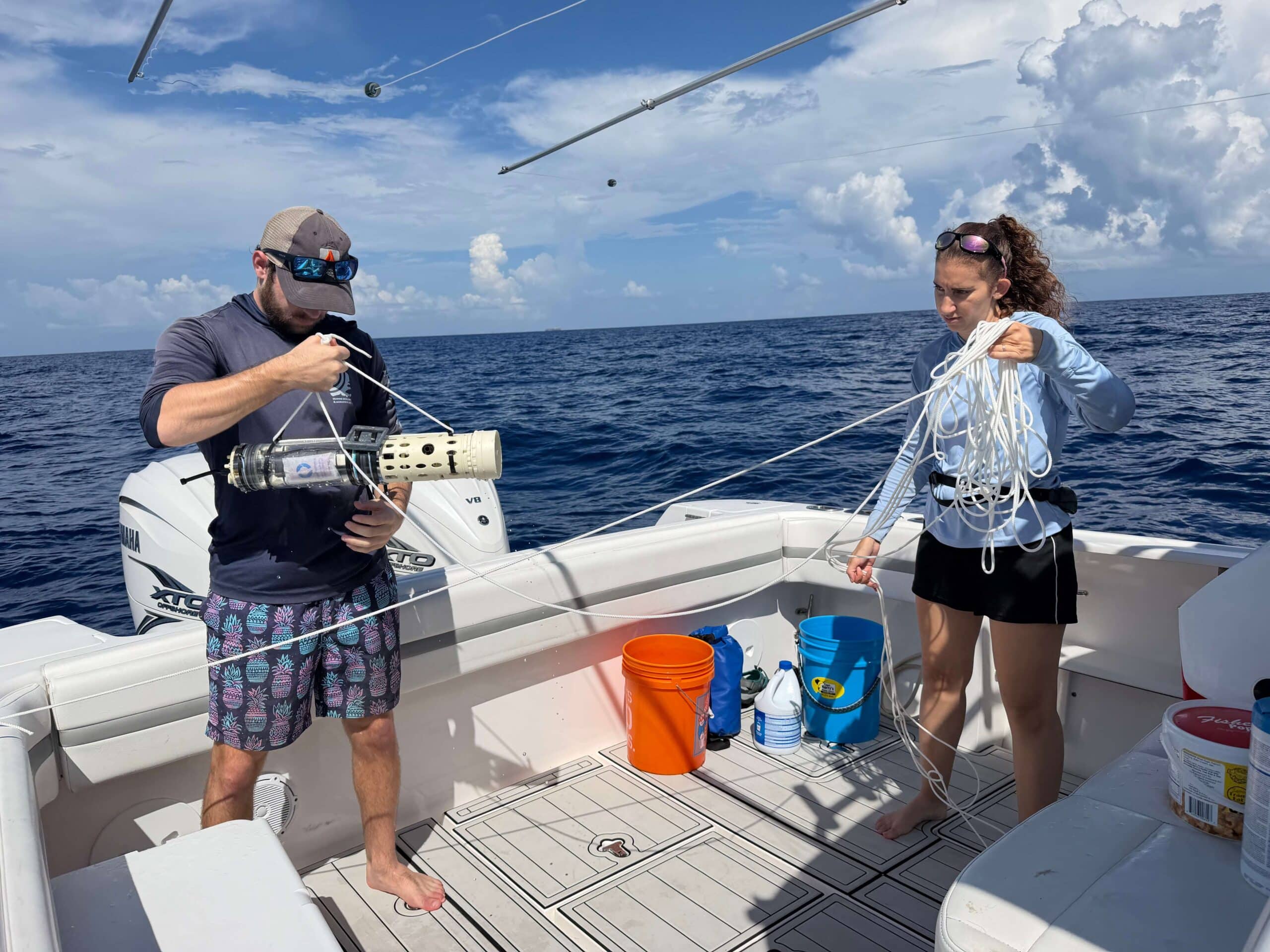
The team first traveled approximately 20 miles offshore into the Gulf Stream, where three eDNA samples were collected. At each sampling location, researchers deployed a pump system from the vessel to approximately 10 meters below the surface. The device pumped approximately 50 liters of seawater through a specialized filter over the course of roughly five minutes, capturing environmental DNA present in the water.
DISCOVERY II then transported the team closer to shore to waters approximately 300 feet deep, where three additional samples were collected using the same methodology.
In total, researchers collected six eDNA samples during the expedition. The filters were preserved and returned to the laboratory for analysis, where researchers will extract the captured DNA and look for genetic material from whales.
Location
Offshore Miami Beach, Florida, including the Gulf Stream
Duration of Project
Sampling in South Florida is anticipated to take place twice annually as part of the broader Caribbean Whale Environmental DNA project. The September 2026 expedition aboard DISCOVERY II represented an early sampling effort for this exploratory research project.
Leadership
Research Team
Andrew Natter, PhD Student
Jessica Carde, PhD
Partner Sites

Photo Gallery