
- SeaKeepers' Vessel DISCOVERY II
Florida Manta Project Manta Surveys and Receiver Maintenance
- June 14, 2026
- Miami, Hollywood, and Fort Lauderdale, Florida
Project Overview
Despite being large and charismatic megafauna, manta rays remained largely overlooked and understudied in Florida for many years. That changed in 2016 with the establishment of the Florida Manta Project (FMP), the first research initiative dedicated specifically to understanding Florida’s manta ray populations. Florida is one of the only places in the world known to host both a rare nursery habitat for juvenile mantas and a seasonal aggregation of adults.
FMP’s pioneering work has helped close critical knowledge gaps in manta biology, identified key habitats, and provided essential data to management agencies. Their efforts contributed to the formal description of a new species in 2025, the Atlantic Manta Ray (Mobula yarae). Yet even with this milestone, much remains to be learned about the species’ ecology, population structure, and the threats they face along Florida’s busy coastline.
Application
The Florida Manta Project (FMP), a program of the Marine Megafauna Foundation, leads research on manta rays and guitarfish throughout the eastern United States. Their work aims to fill critical gaps in manta ray life history, provide data to government agencies, and advance conservation and public awareness.
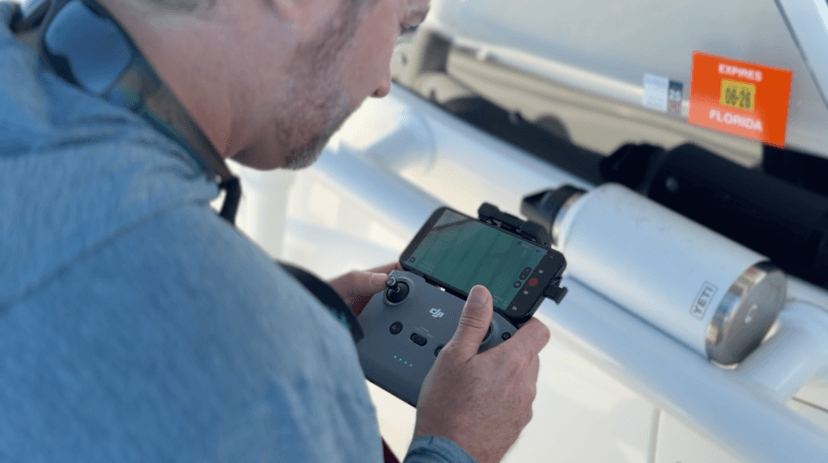
To study these endangered rays, FMP uses a range of scientific methods including drone-based aerial surveys, in-water photo identification of individual mantas, satellite and acoustic telemetry, and genetic sampling. The team also documents threats such as boat strikes and fishing gear entanglement and works closely with local communities by providing educational outreach in schools and raising awareness about the vulnerability of manta populations in Florida.
Expedition Summary
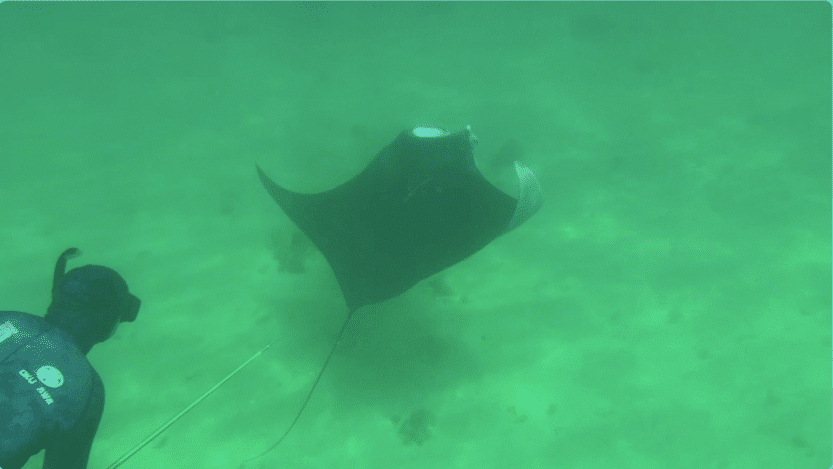
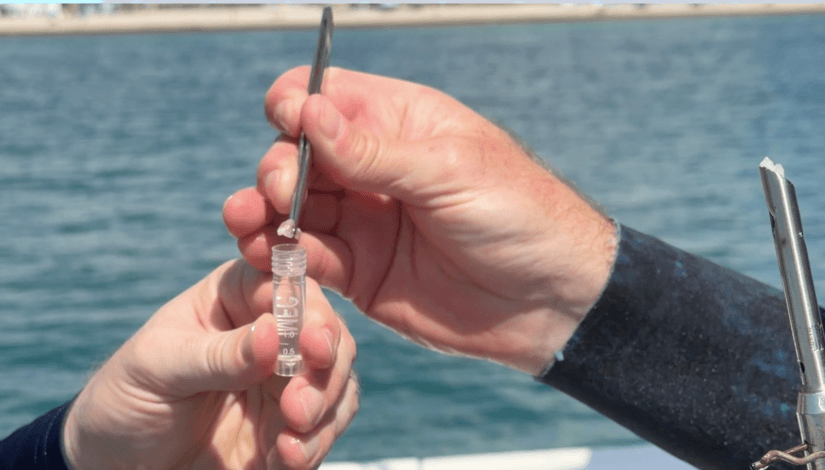
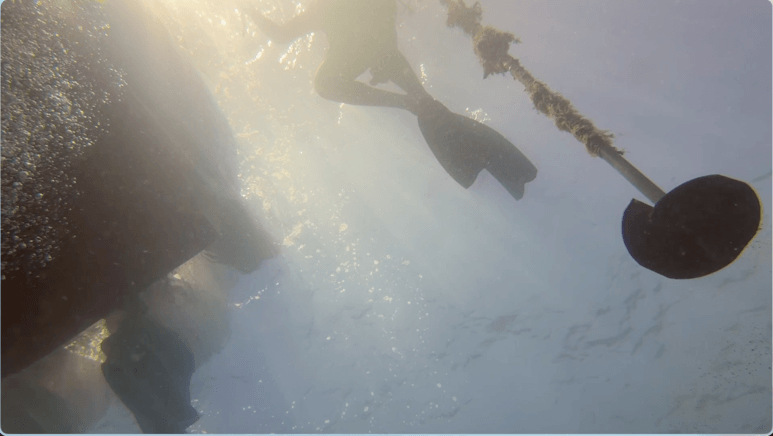
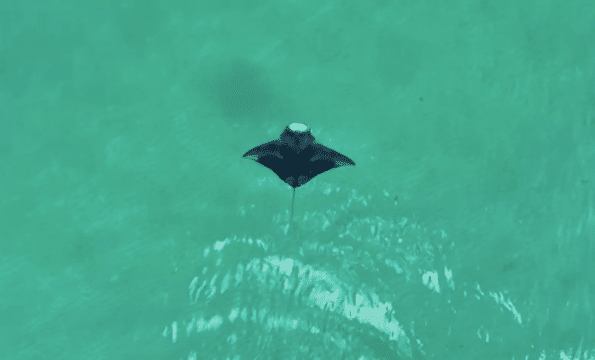
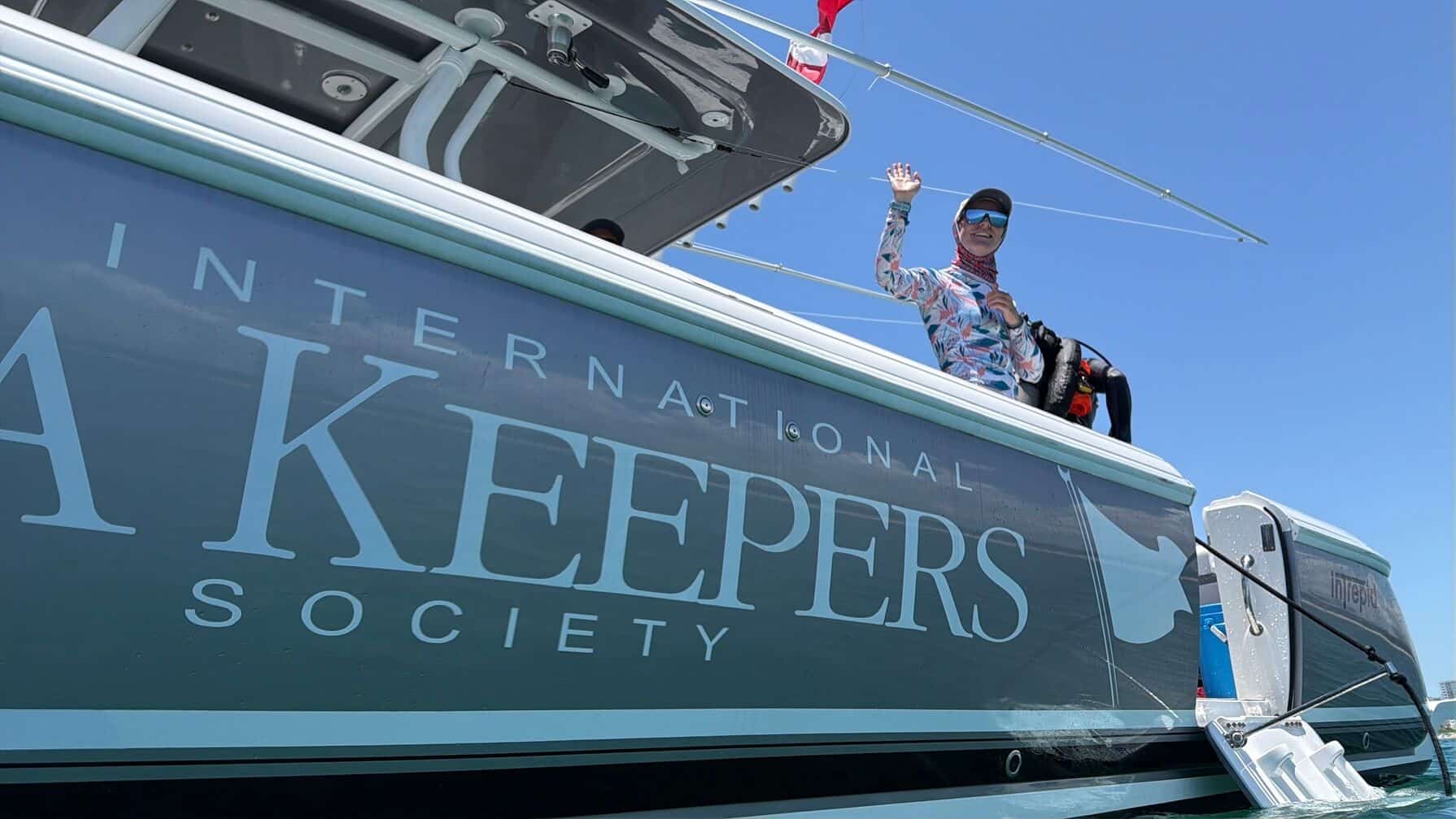
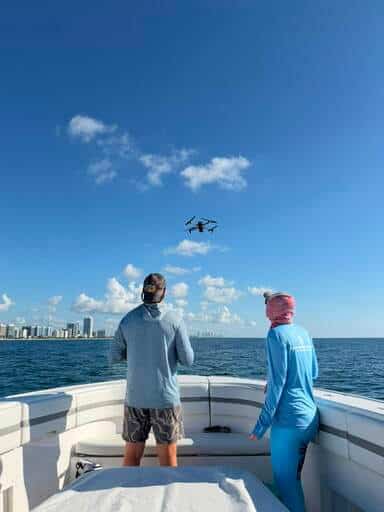
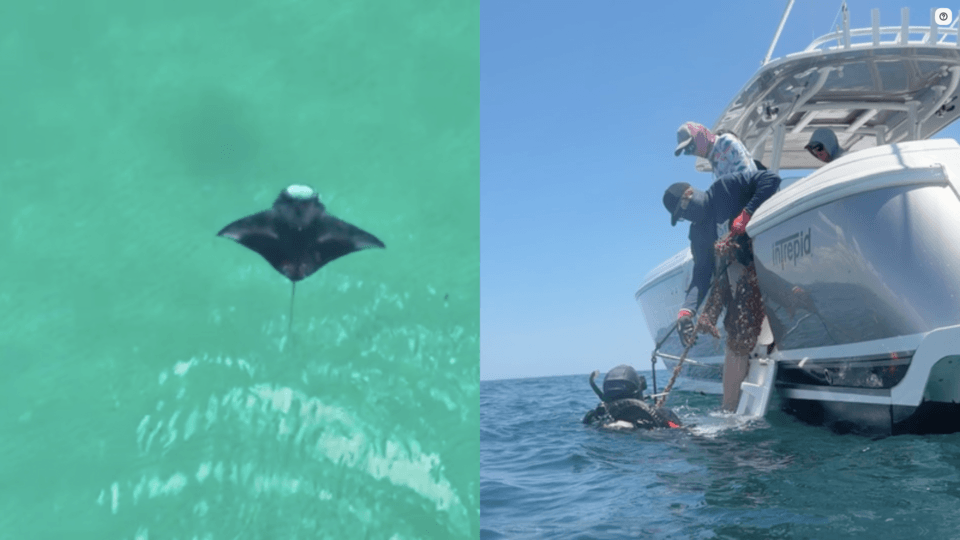
On June 14th, 2026, The International SeaKeepers Society assisted the Marine Megafauna Foundation and the Florida Manta Project to conduct a Manta Ray Survey in the waters off the coast of Miami Beach, Hollywood, FL, and Lauderdale by the Sea, FL. When a Manta Ray is spotted by drone, team members will free dive equipped with camera equipment which helps identify the individual animal. When possible, satellite tags were placed on the animals, and in one instance, tissue samples were taken which will help a study being conducted to compare genetics between oceanic manta rays, and the mantas living her in south Florida, which are believed to be a newly discovered species.
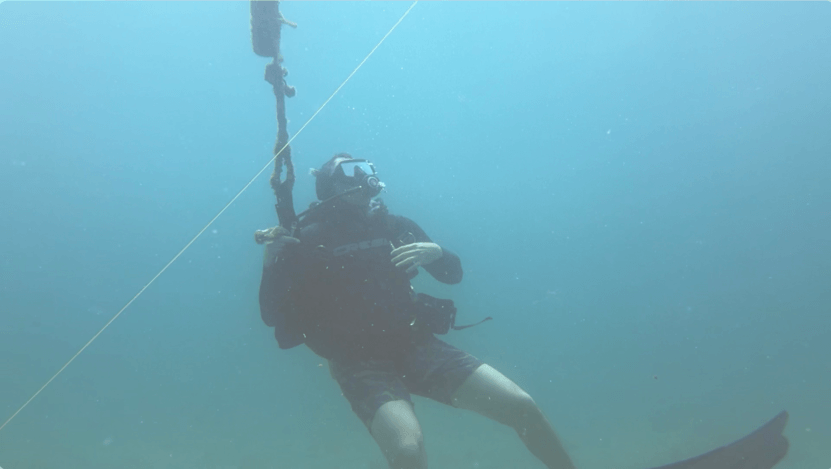
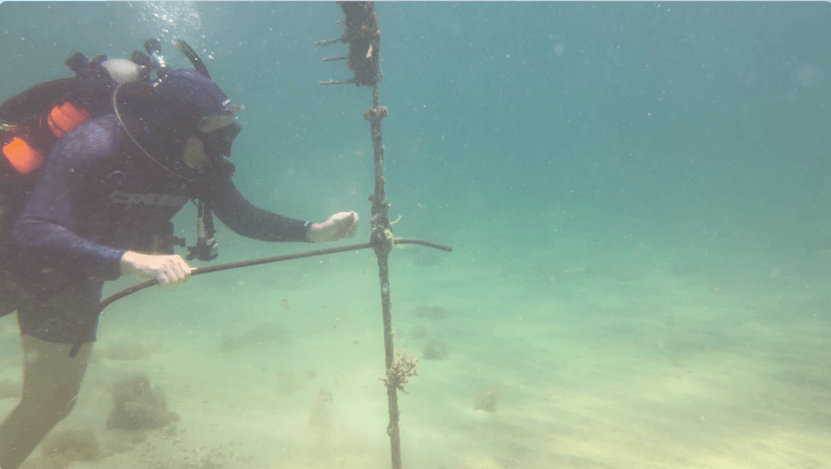
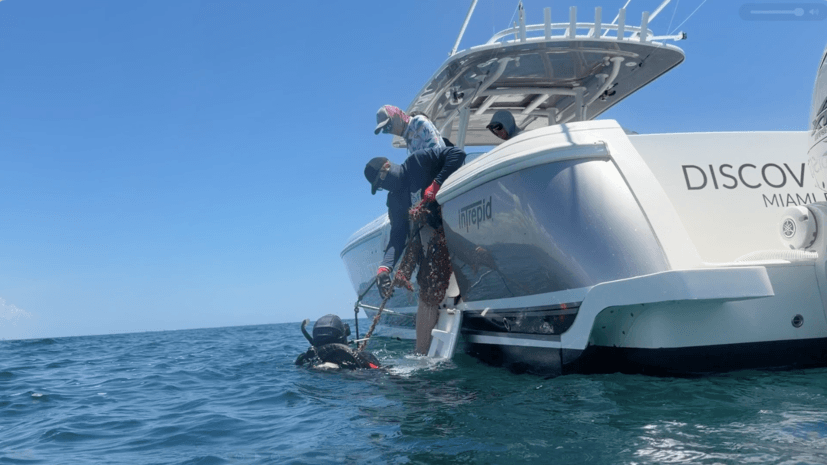
The second half of the day was spent retrieving acoustic receivers – devices which have been anchored to the ocean floor for about a year, collecting data on any tagged animals in the vicinity. These receivers hold a year’s worth of data which will further the studies into this important part of Florida’s marine ecosystem, and possible new species.
Location
Miami Beach, FL, Hollywood, FL, and Fort Lauderdale, FL
Duration of Project
This project has been ongoing since 2016.
Leadership
Research Team
Bryant Turffs, Research Assistant, Florida Manta Project
Rose McDonald, Volunteer, Florida Manta Project
Effy Vainstein, Volunteer, Florida Manta Project
Isabel Moyer, Volunteer, Florida Manta Project
Partner Sites
Publications
Photo Gallery