
- DISCOVERY Yacht Valkyrie
Investigating California Sea Lion Responses to Naval Sonar
- October 5 - 9, 2026
- Channel Islands Harbor, California
Project Overview
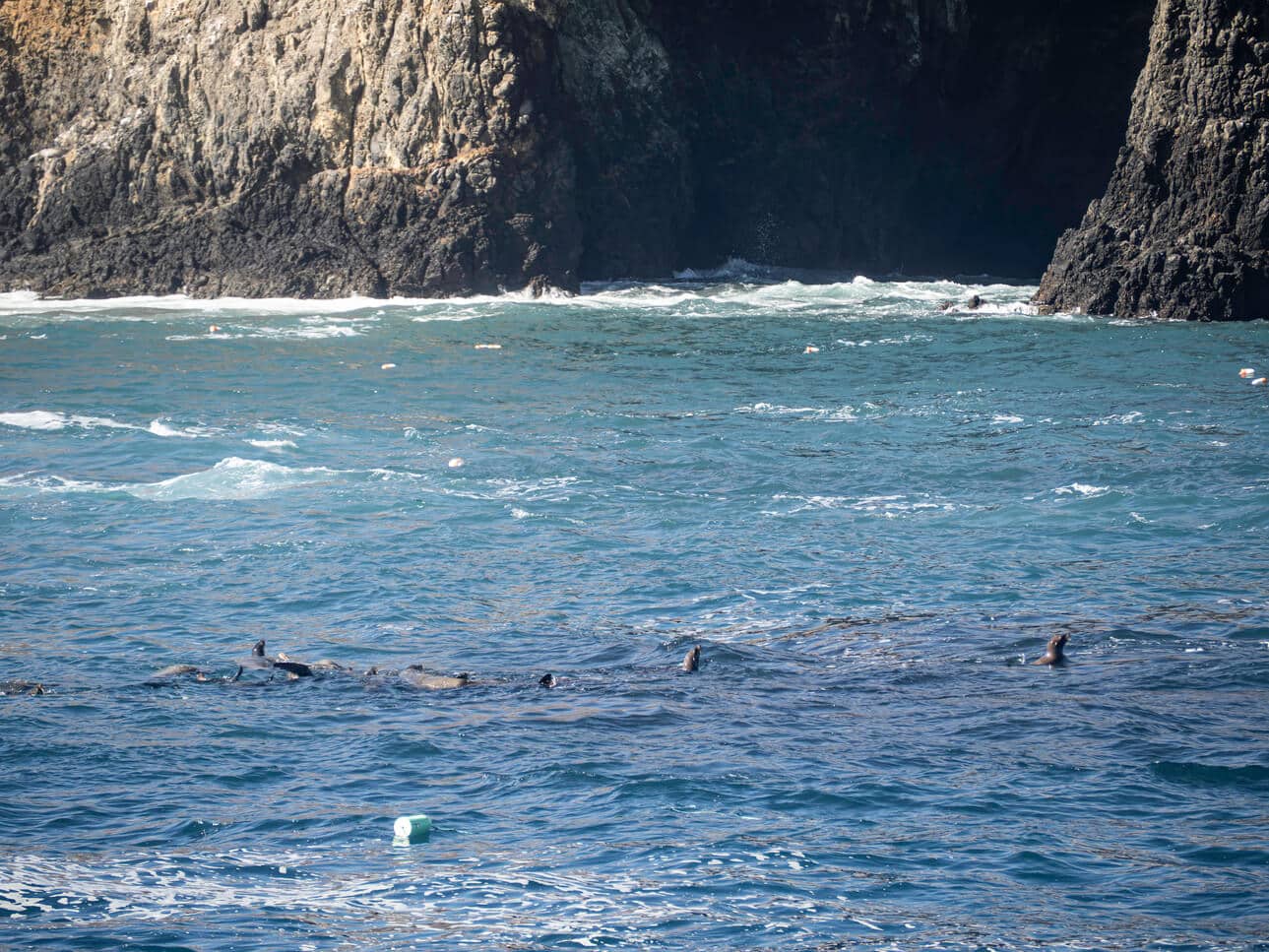
California sea lions (Zalophus californianus) in the Channel Islands region are regularly exposed to U.S. Navy sonar testing near the Southern California Offshore Range, yet little direct data exists on how active sonar affects the behavior of wild pinnipeds.
This project seeks to address that knowledge gap by applying controlled exposure experiment (CEE) methods, refined through more than a decade of research on cetaceans in the Southern California Bight, to California sea lions for the first time. The research aims to better understand potential changes in sea lion movement, diving, and foraging behavior in response to controlled sonar exposure.
Application
Understanding how marine mammals respond to human-generated underwater sound is essential for developing effective mitigation measures and minimizing potential disturbances to wildlife.
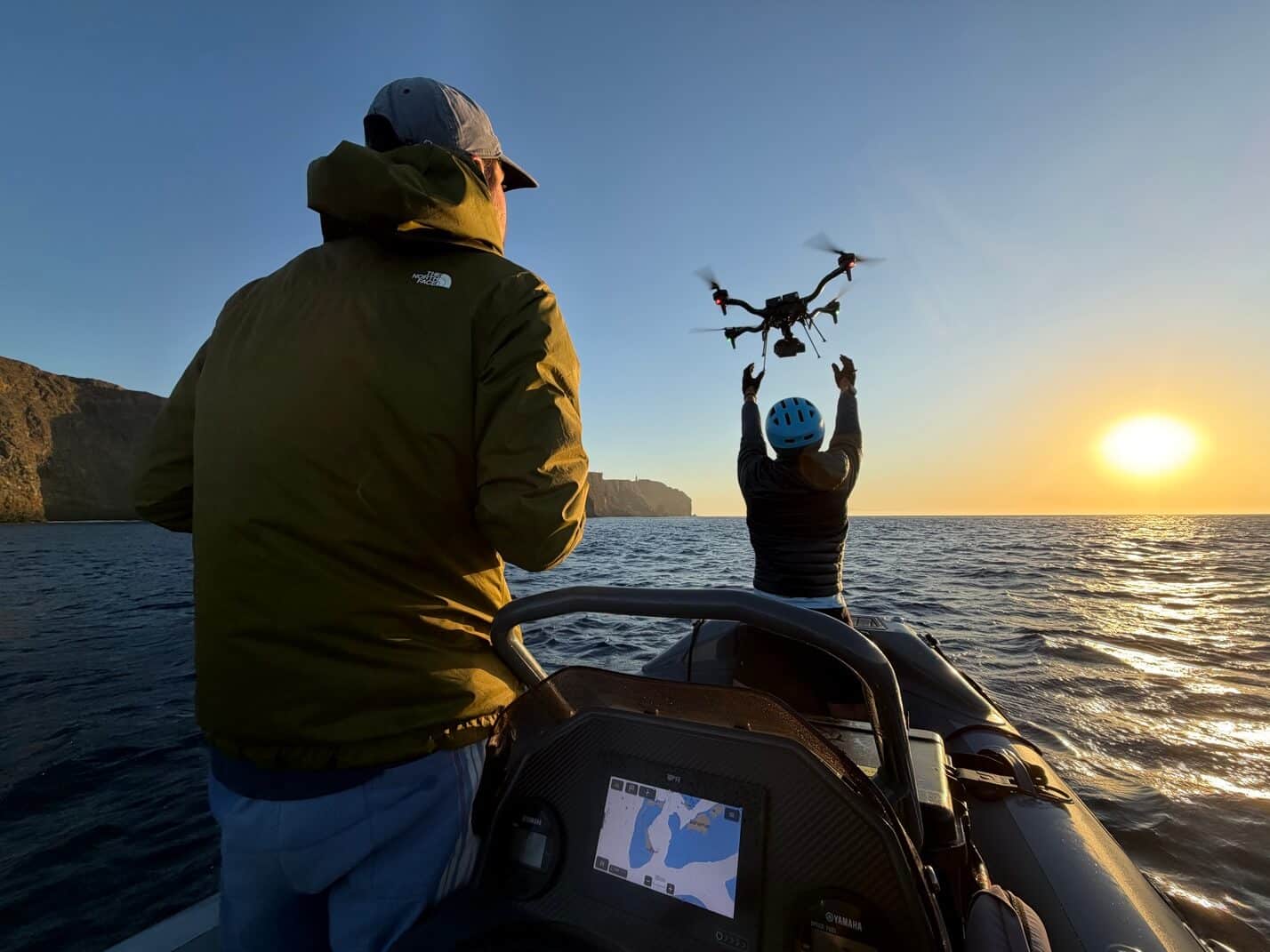
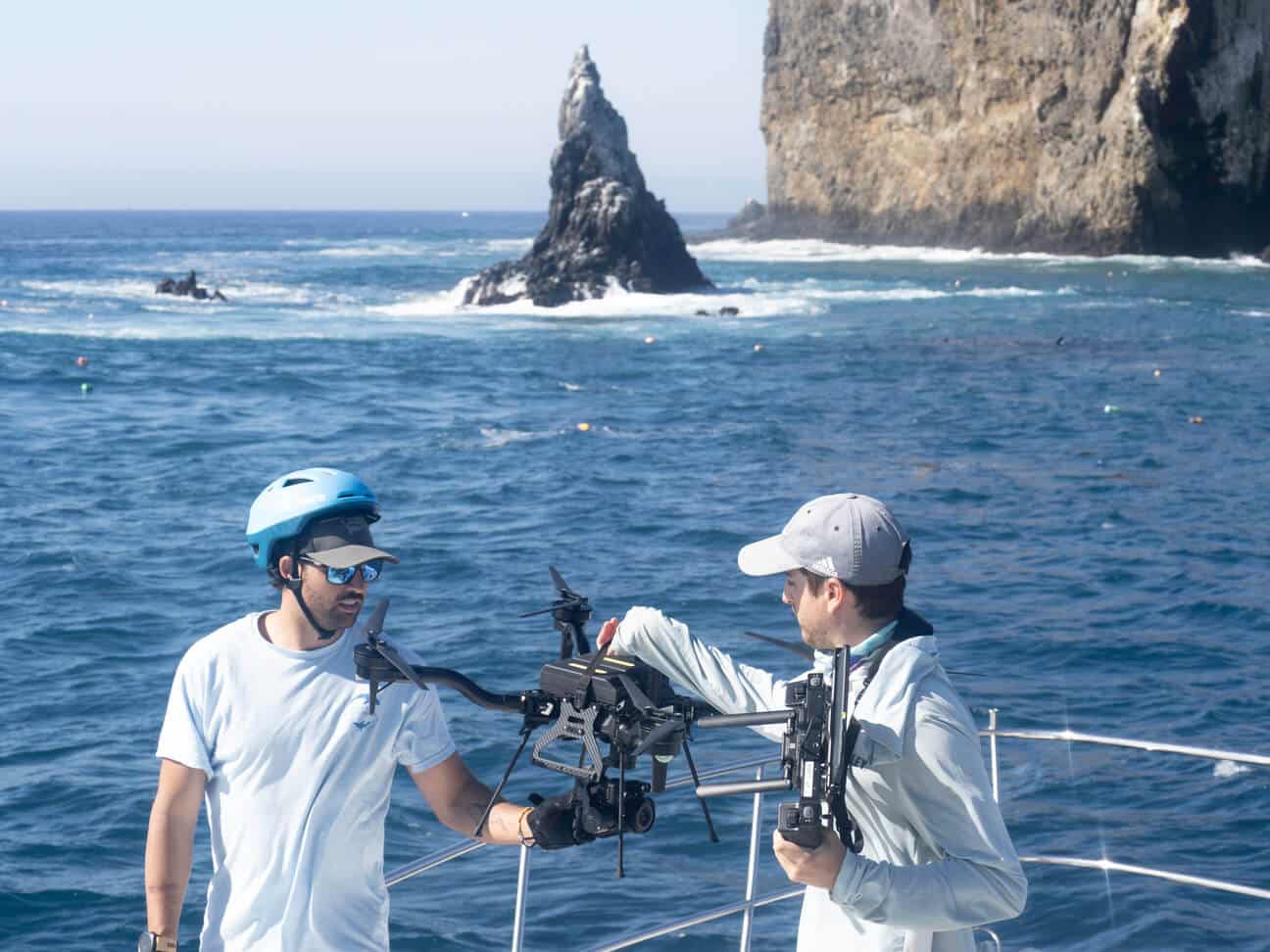
Through controlled sonar exposure experiments, researchers aim to evaluate the likelihood, magnitude, and nature of behavioral responses in California sea lions. By combining direct behavioral observations, aerial drone imagery, acoustic monitoring, and tracking data, the team hopes to establish a clearer understanding of how these animals respond to sound exposure in their natural habitat.
Findings from this ongoing research will help inform science-based mitigation requirements for naval sonar operations and support marine mammal management efforts. The project also contributes to the development of new research methods for studying the impacts of underwater noise on pinnipeds.
Expedition Summary
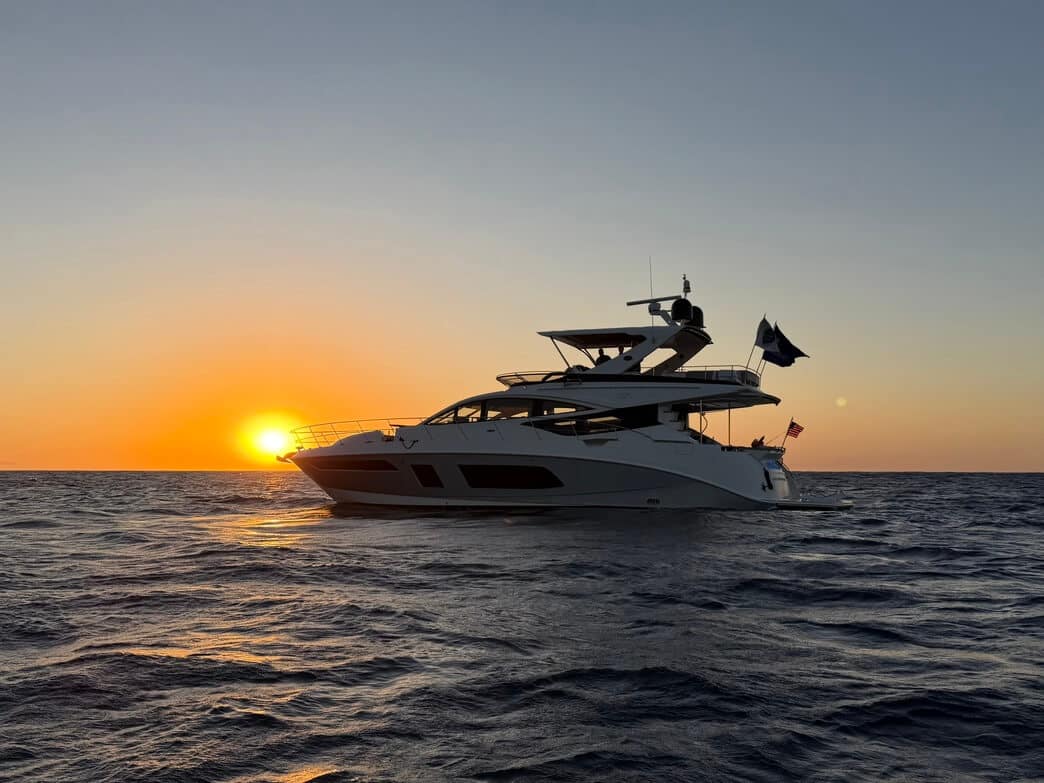
From October 5 – 9, 2026, The International SeaKeepers Society supported a Scientist-Led Expedition aboard DISCOVERY Yacht Valkyrie in the Channel Islands National Marine Sanctuary, California, investigating how California sea lions respond to controlled naval sonar exposure in their natural environment.
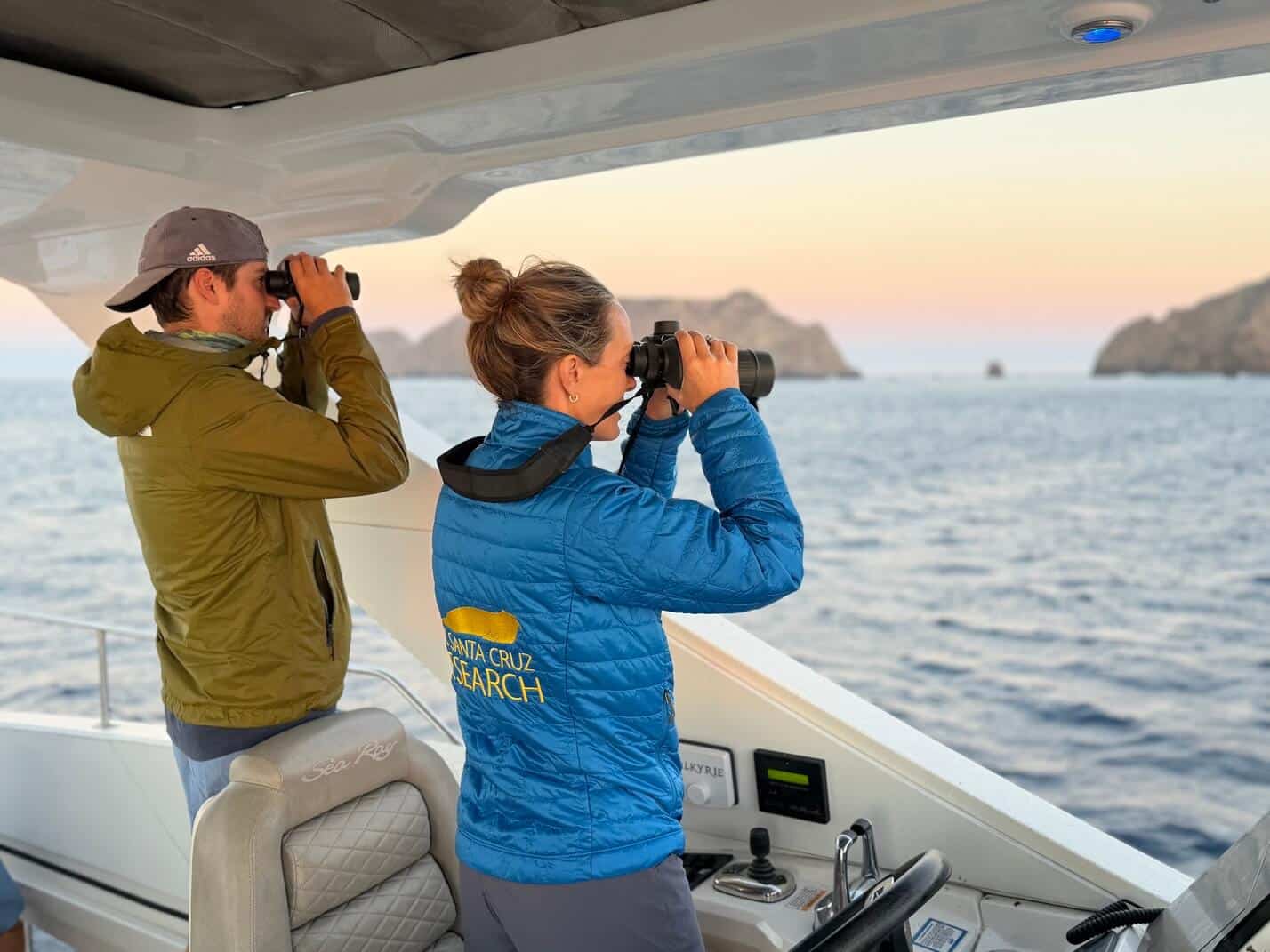
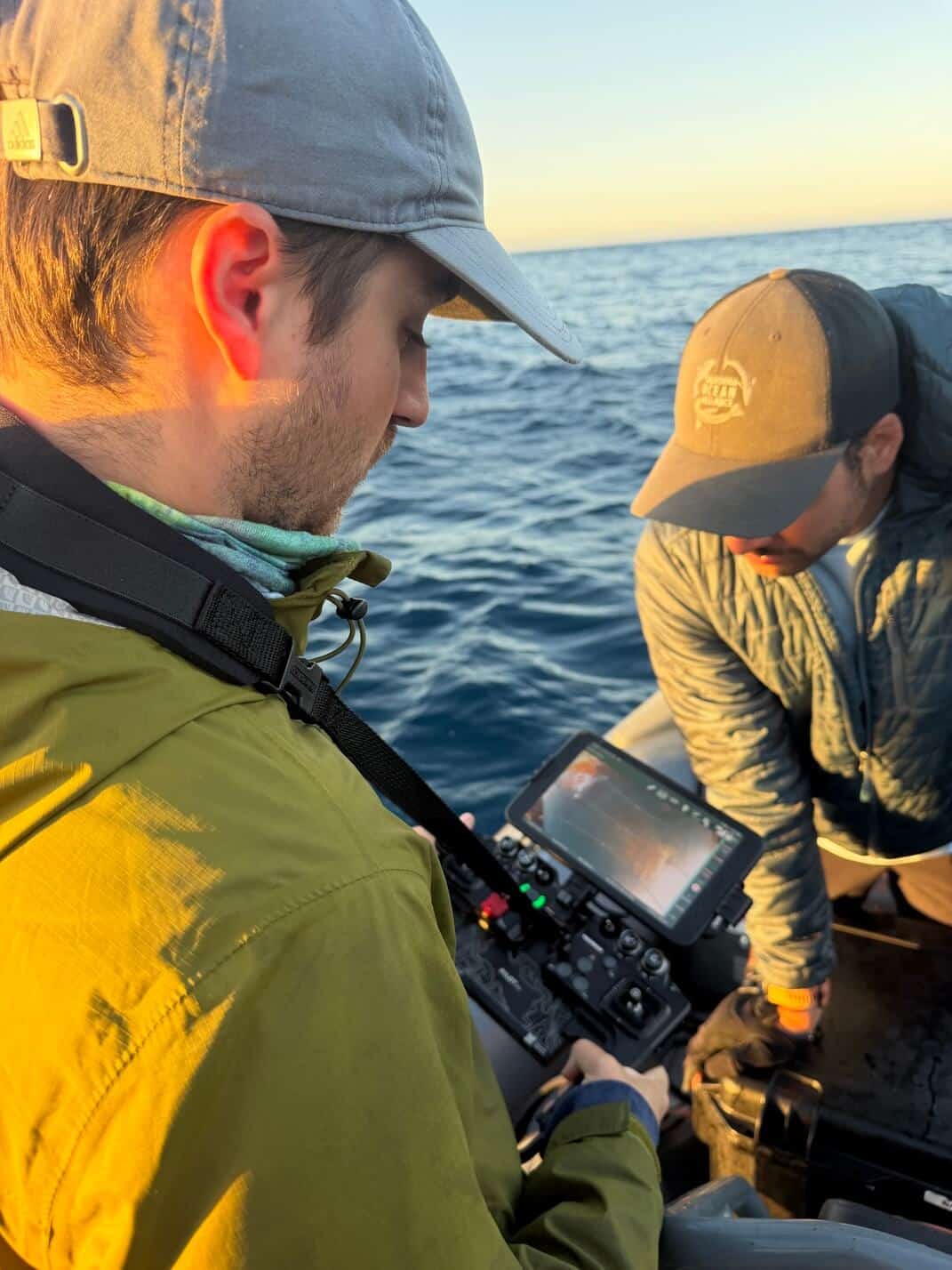
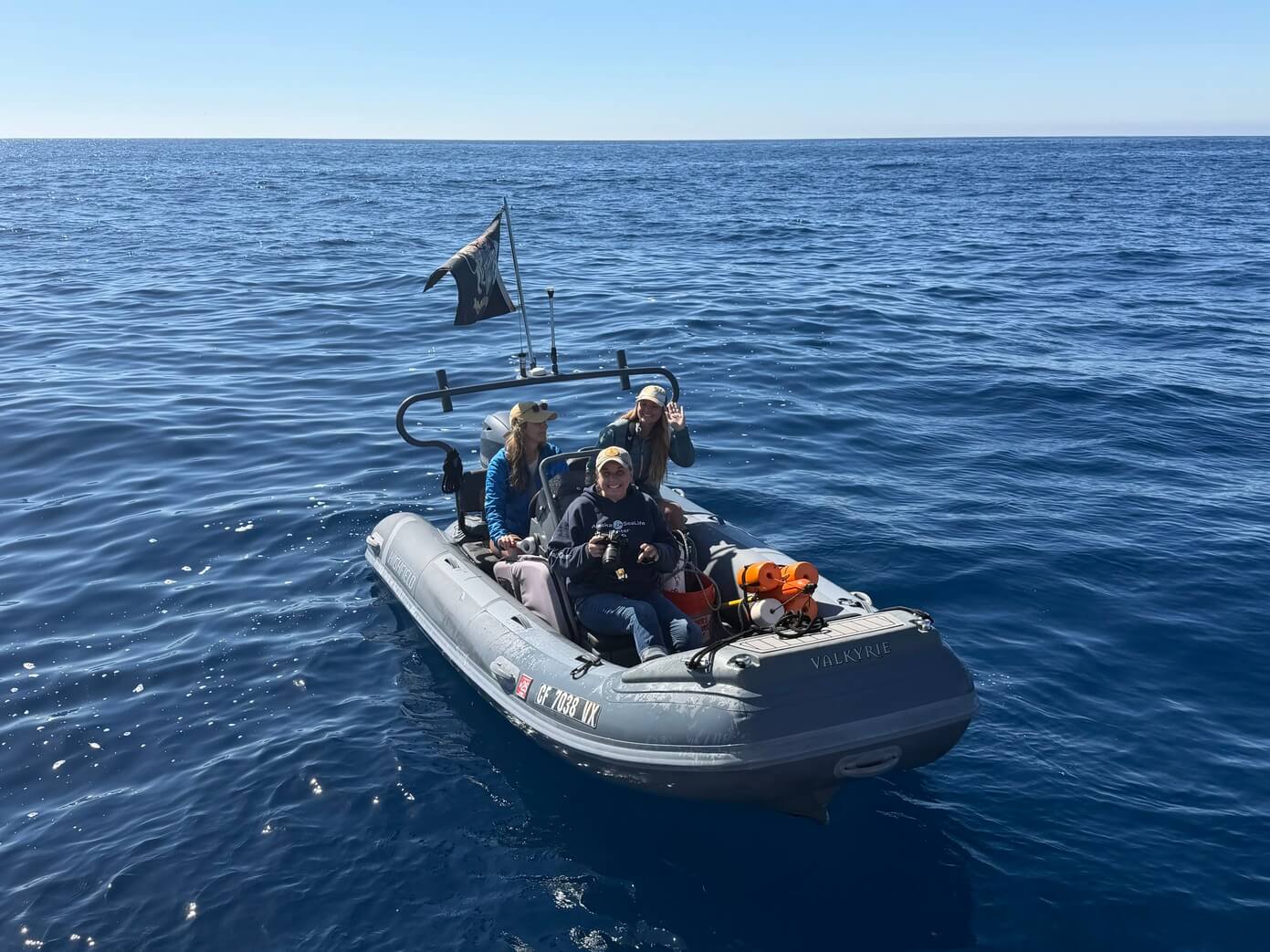
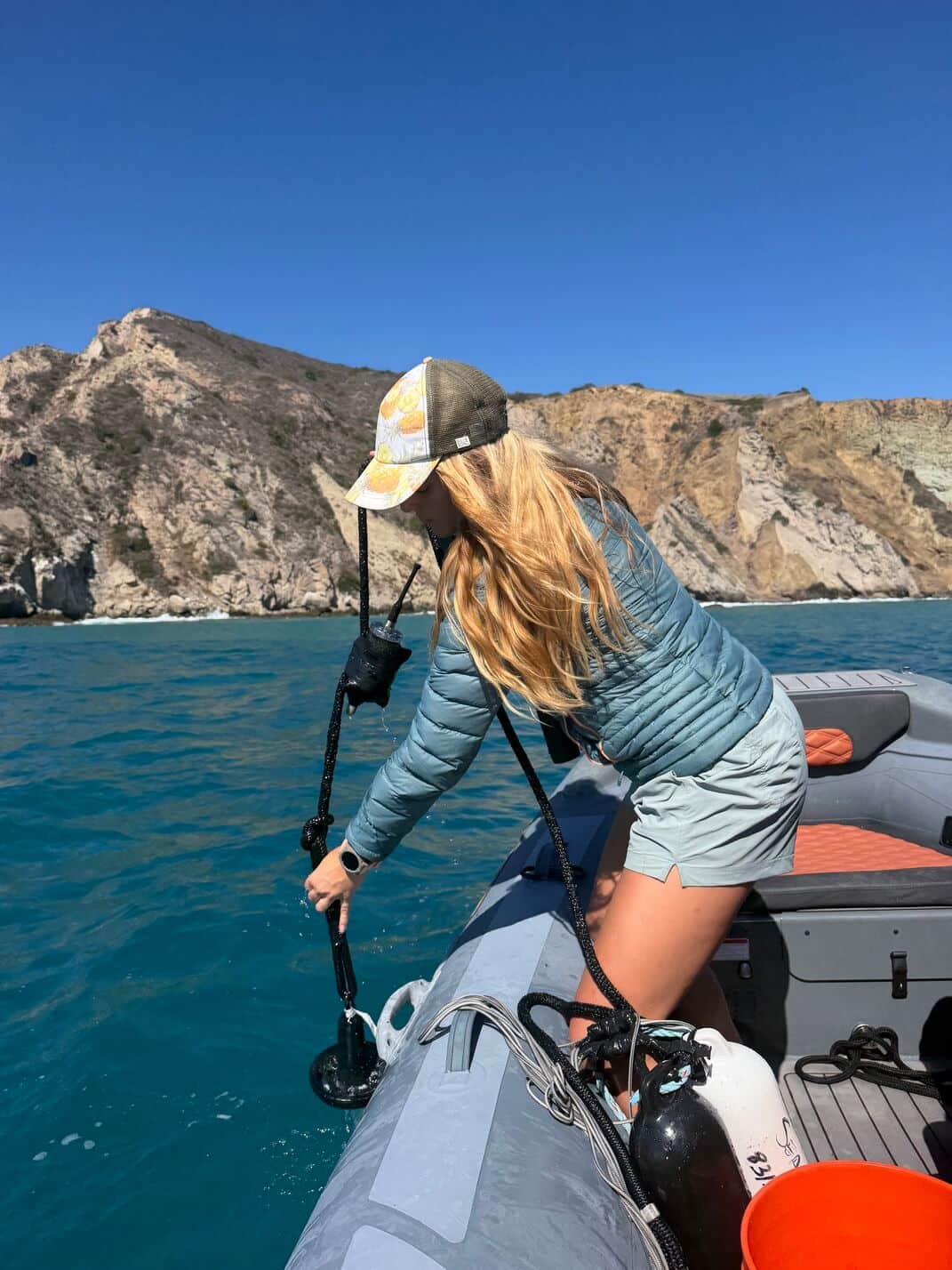
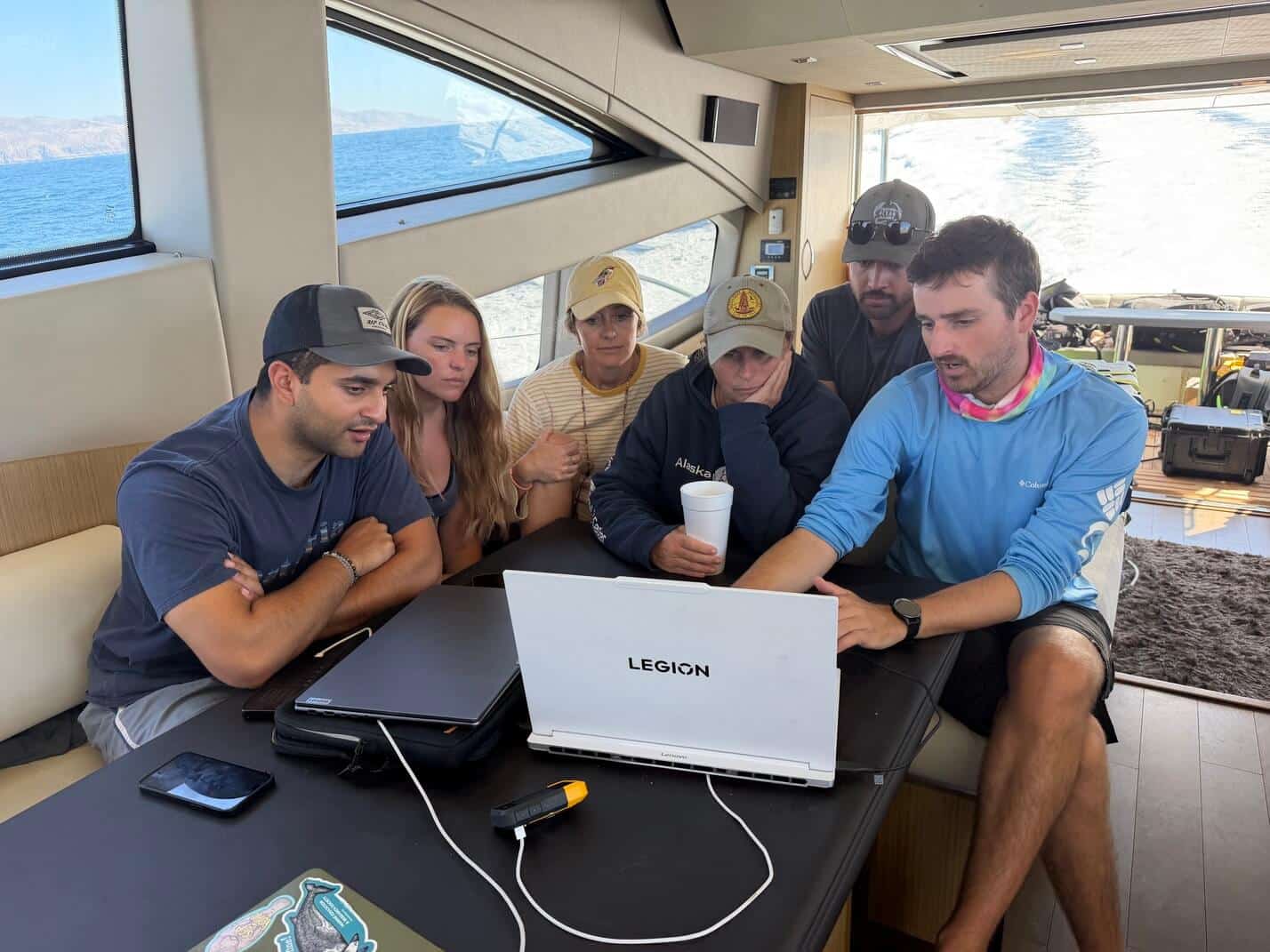
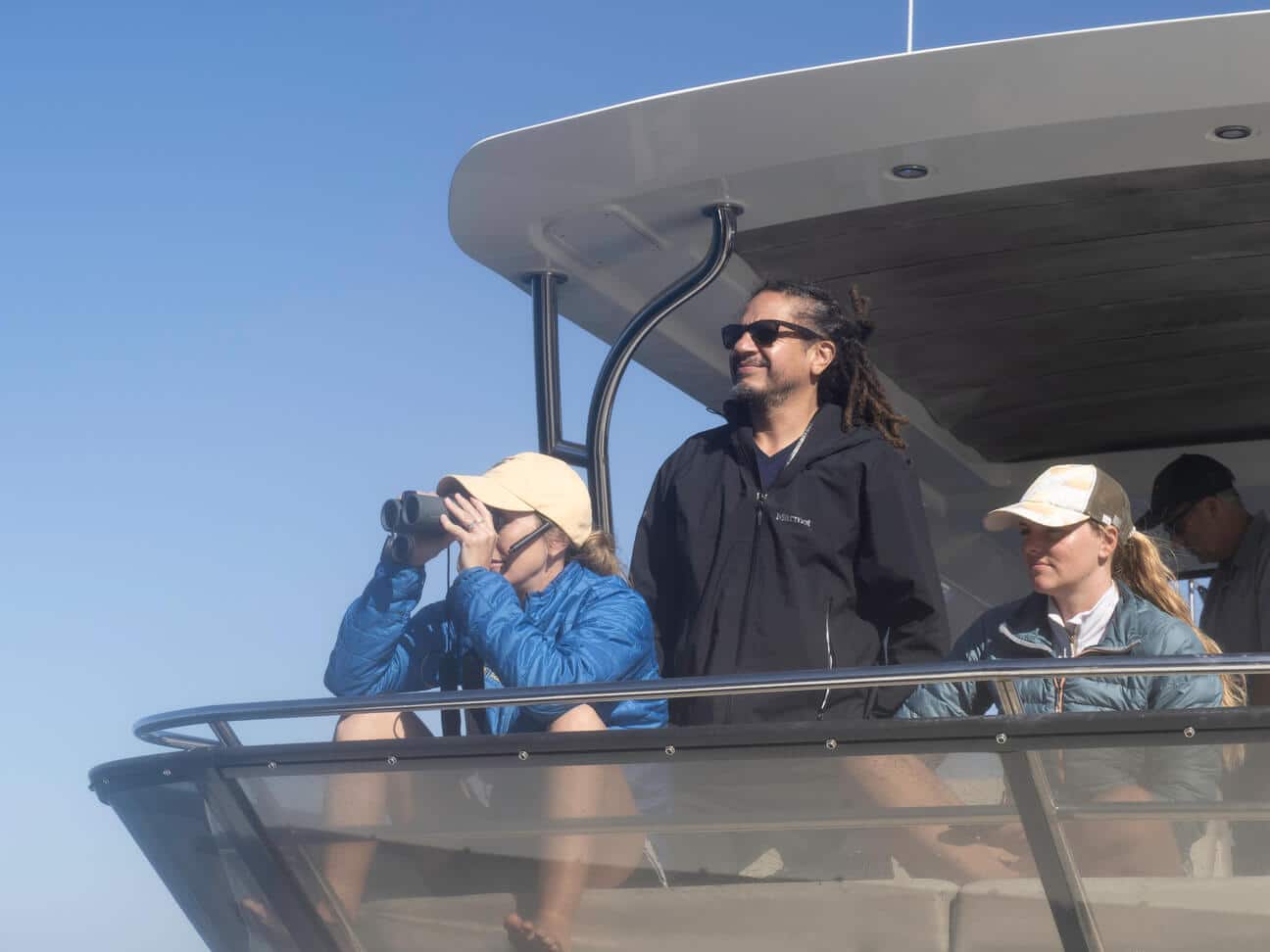
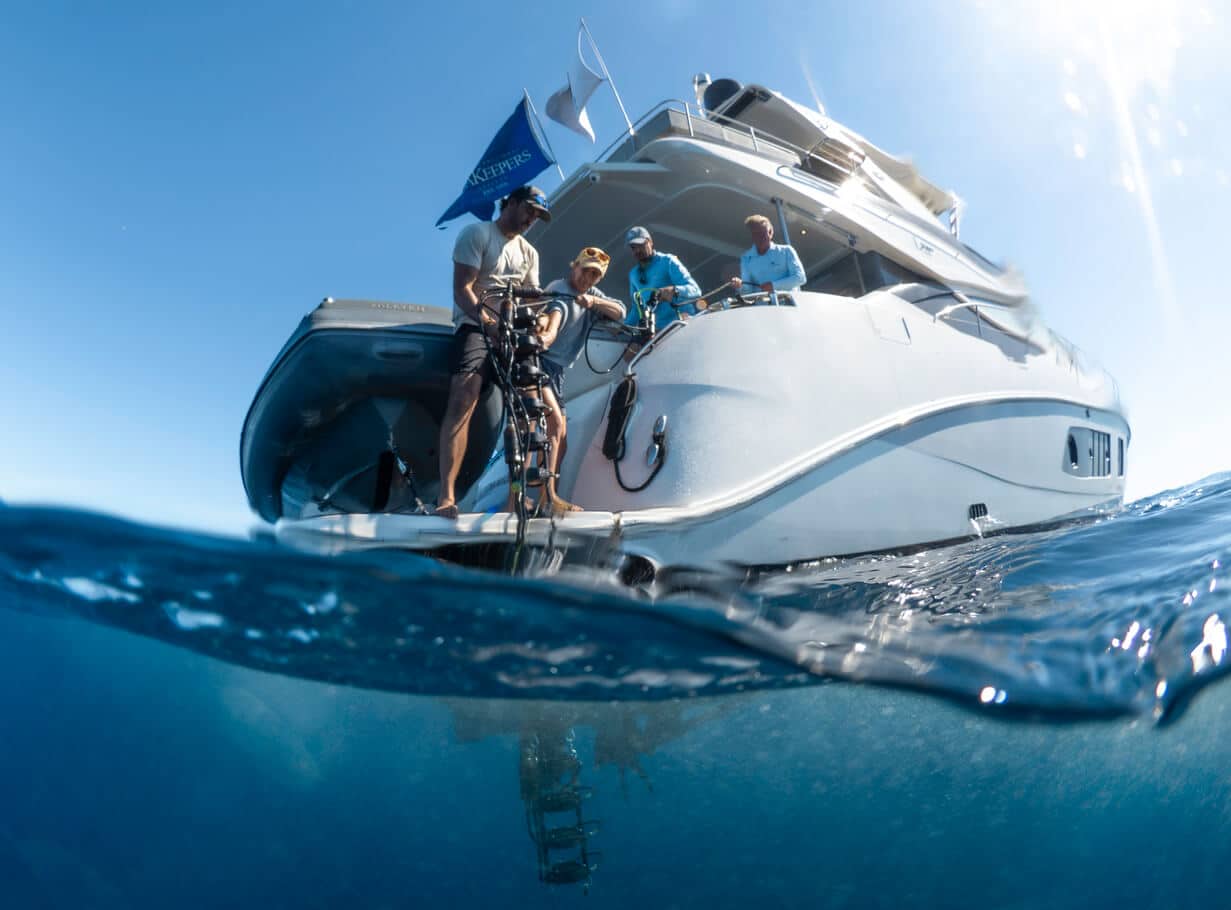
The research team combined vessel-based tracking, behavioral observations, aerial drone surveys, passive acoustic monitoring, and controlled acoustic playback experiments to assess potential changes in sea lion movement, diving, and foraging behavior. An underwater acoustic source was deployed to transmit controlled sonar signals, while researchers monitored the animals’ behavior and recorded underwater sound throughout the experiments.
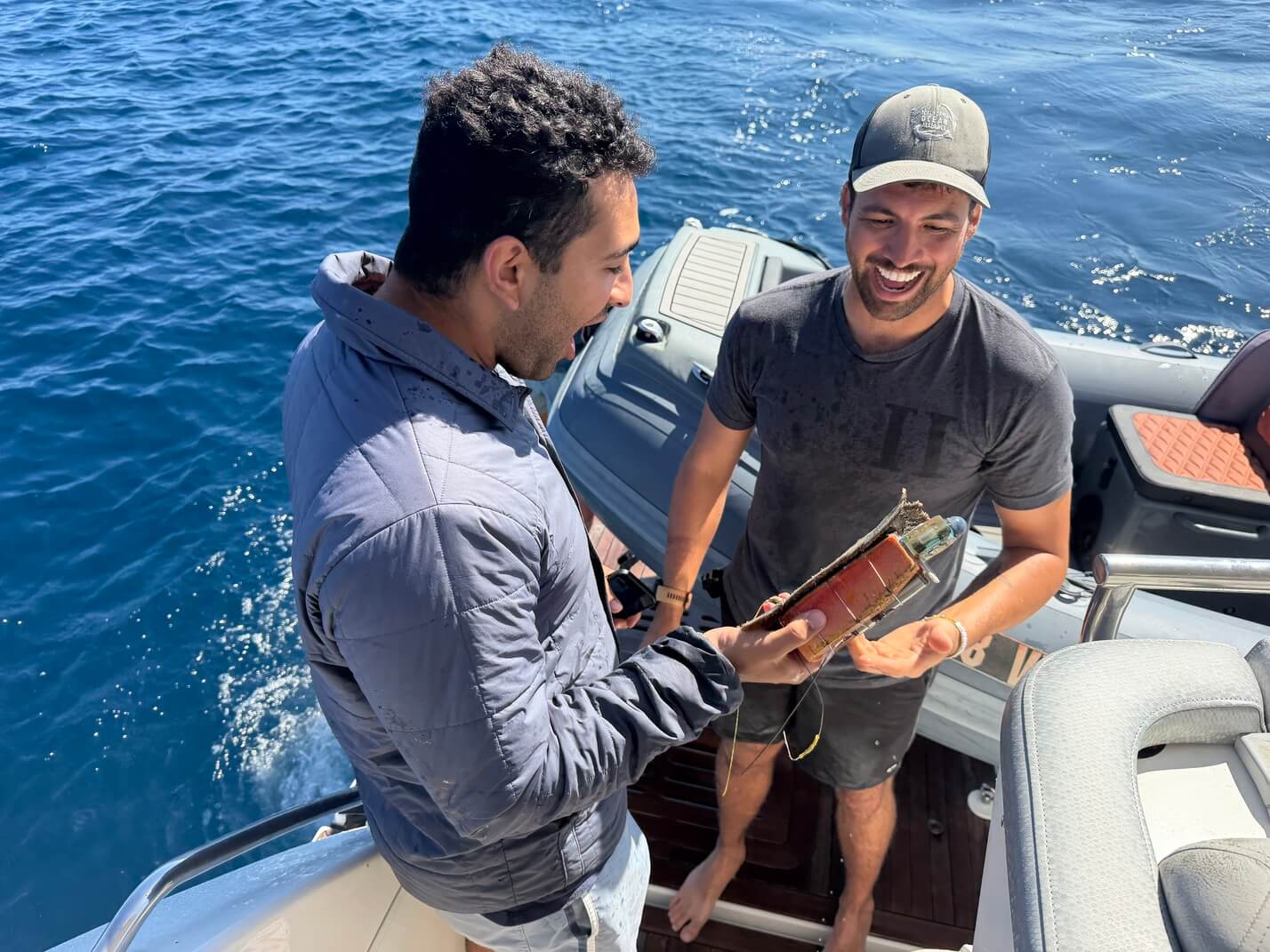
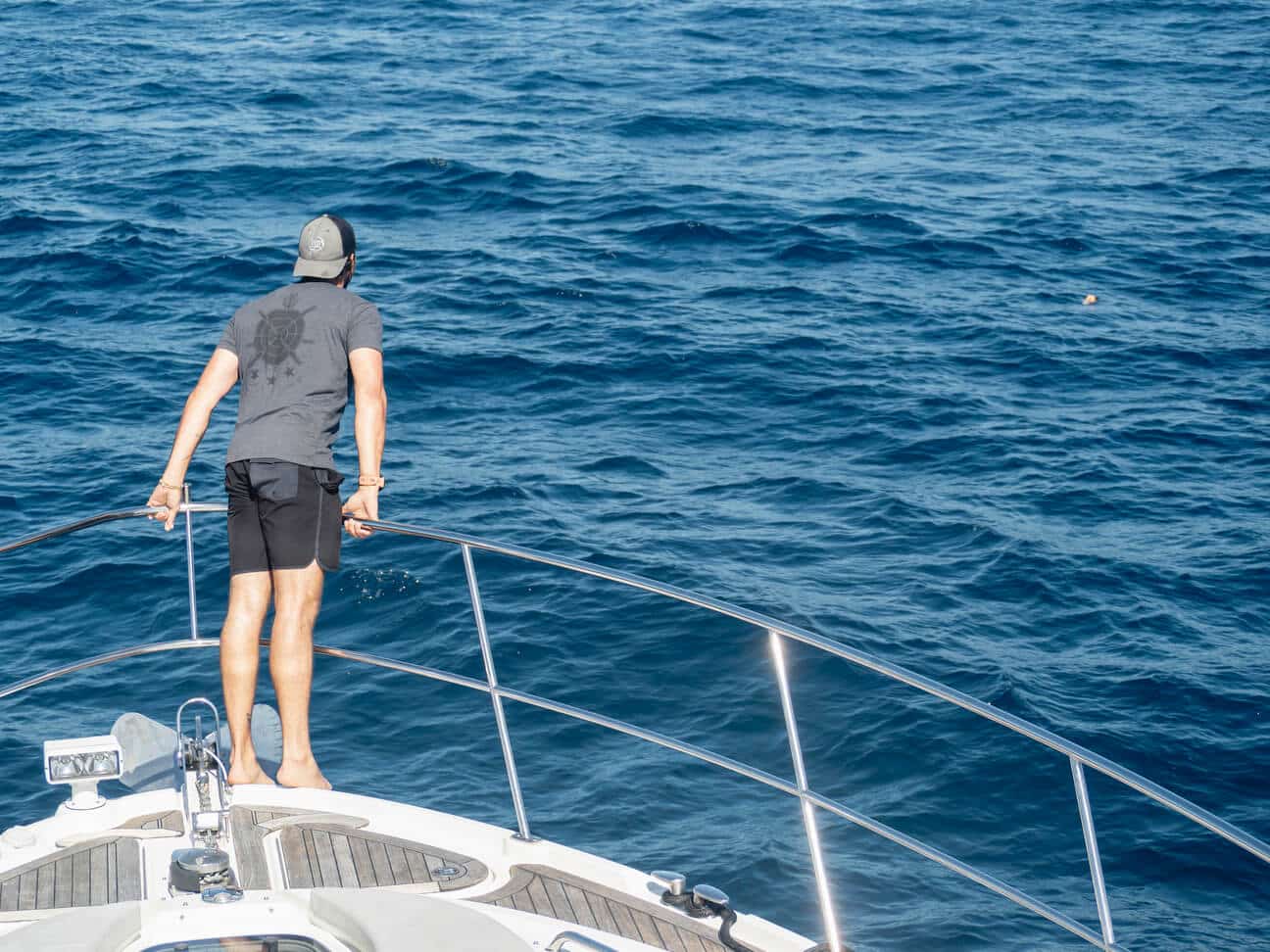
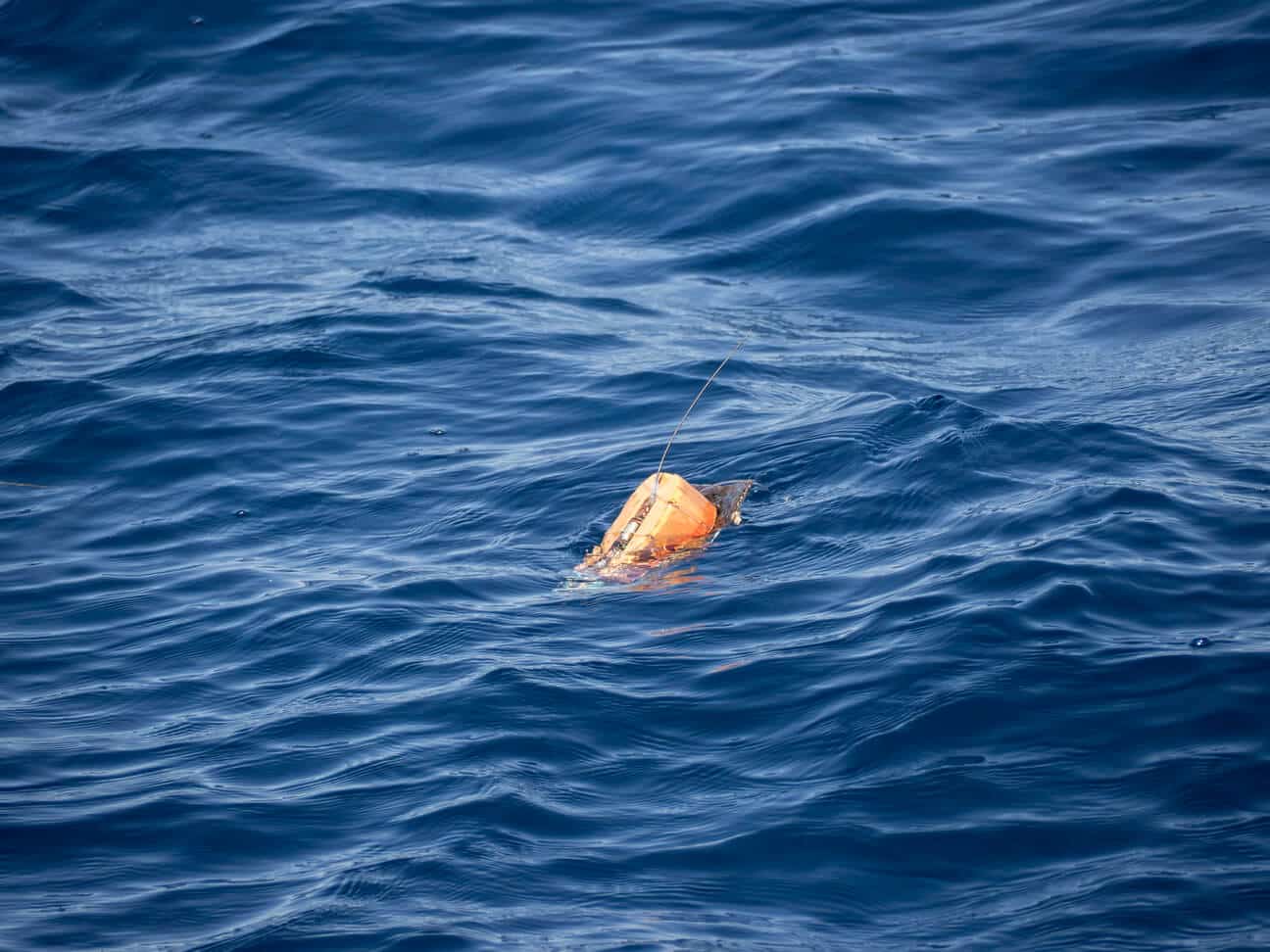
Over five days, the team successfully completed three controlled exposure experiments (CEEs), alongside additional field trials that helped test and refine experimental methods and protocols. This research applies CEE methods, developed and refined through more than a decade of studies on cetaceans in the Southern California Bight, to wild California sea lions for the first time. The expedition also included the successful recovery of a satellite tracking tag that had detached from a previously tagged sea lion.
The data collected will contribute to understanding the probability, magnitude, and nature of behavioral responses to active sonar in wild pinnipeds, an area where direct empirical evidence remains limited. Findings from this ongoing research are intended to inform science-based thresholds for U.S. Navy sonar mitigation requirements and support marine sanctuary and agency management of underwater noise.
Location
Channel Islands National Marine Sanctuary
Duration of Project
This expedition supported the first application of controlled sonar exposure experiments to wild California sea lions, with research and data analysis ongoing.
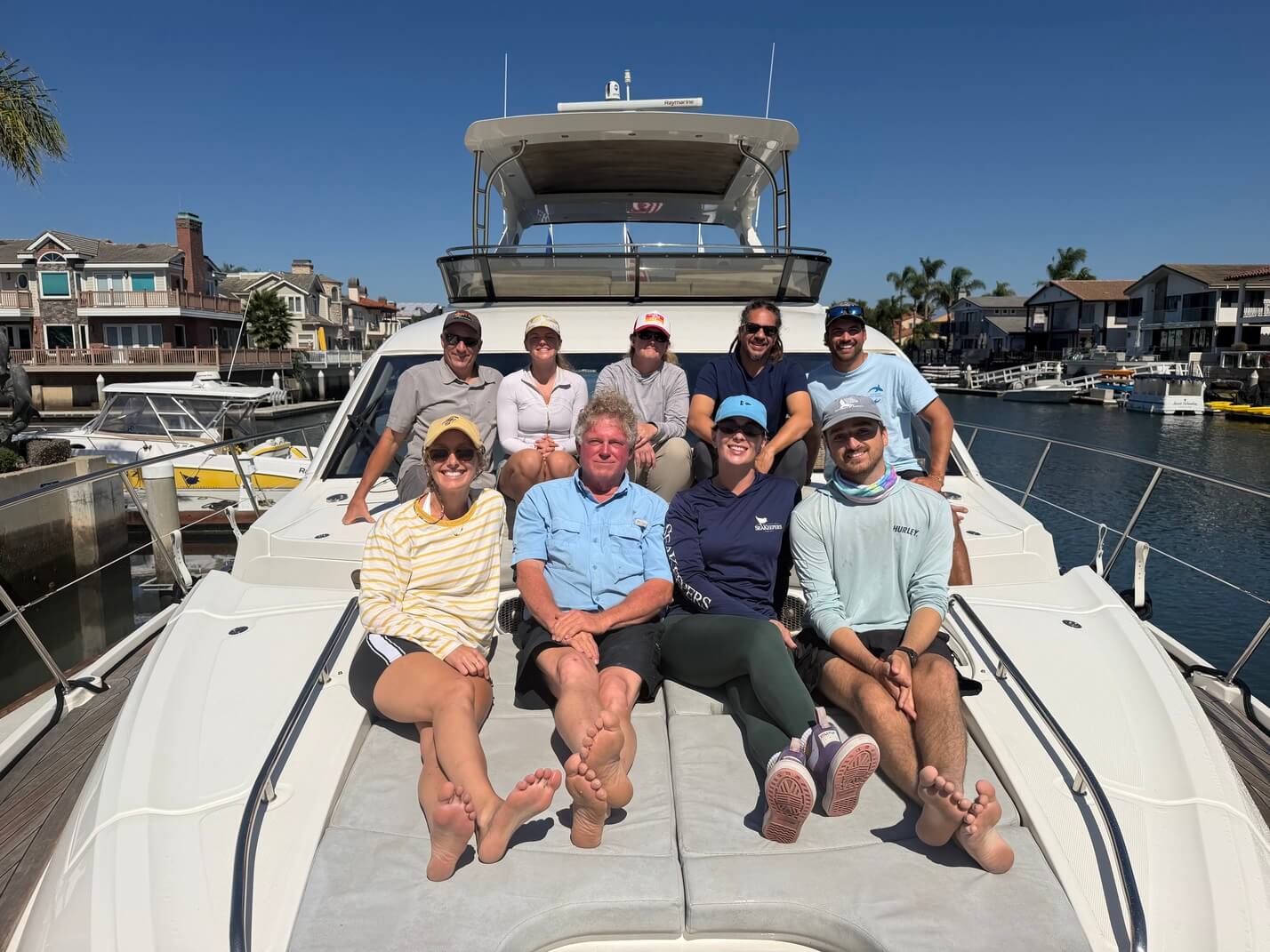
Research Team
Caroline Casey, PhD – University of California, Santa Cruz / Southall Environmental Associates
Brandon Southall, PhD – Southall Environmental Associates
Ryan Jones, PhD – University of California, Santa Cruz
Lewis Evans, PhD Student – University of Hawaiʻi
Elizabeth Seacord, Biologist, Point Mugu Sea Range
Colleen Reichmuth, PhD – University of California, Santa Cruz
George Colaco, PhD Student – University of California, Santa Cruz
Mandy Shoemaker, MEM – U.S. Navy Living Marine Resources Program
Anurag (Anu) Kumar, MS – U.S. Navy Living Marine Resources Program
Photo Gallery