
- SeaKeepers' Vessel Jade
NASA PACE Ocean Monitoring in Costa Rica
- March 18 - 19 & April 23, 2026
- Golfito, Costa Rica
Project Overview
NASA’s Plankton, Aerosol, Cloud, ocean Ecosystem (PACE) mission is an Earth observation mission designed to improve understanding of ocean health, atmospheric processes, and climate interactions. The mission uses advanced satellite technology to study ocean color, phytoplankton communities, aerosols, and cloud dynamics on a global scale. Field-based sampling efforts are critical for validating and supporting satellite observations by collecting in-water environmental data that can be compared with imagery captured from space.
Application
Data collected during this expedition contributes to broader international efforts to better understand ocean ecosystems and improve the accuracy of satellite-based ocean monitoring technologies. Information gathered through projects supporting the PACE mission can help scientists track changes in ocean productivity, monitor ecosystem health, improve climate models, and support marine conservation and fisheries management efforts worldwide.
Expedition Summary
On March 18-19 and April 23, 2026, The International SeaKeepers Society coordinated vessel support for researchers from the Costa Rica Sport Fishing Federation (FECOP) aboard SeaKeepers’ vessel Jade in Golfito, Costa Rica, to collect field data in support of NASA’s PACE mission. The expedition was facilitated through SeaKeepers’ partnership with Marina Bahia Golfito, where Jade is based, to support local research initiatives and educational outreach activities throughout the region.
Researchers conducted offshore data collection activities designed to support satellite validation efforts associated with the PACE mission. The vessel provided transportation and platform support for the research team as they collected environmental observations in the Golfo Dulce region and surrounding waters.
FECOP, through its Pacific Color program, conducts in situ optical measurements in Costa Rican Pacific waters to support the validation of the PACE mission. PACE uses hyperspectral observations of ocean color to study phytoplankton, water quality, and marine ecosystem dynamics at a global scale.
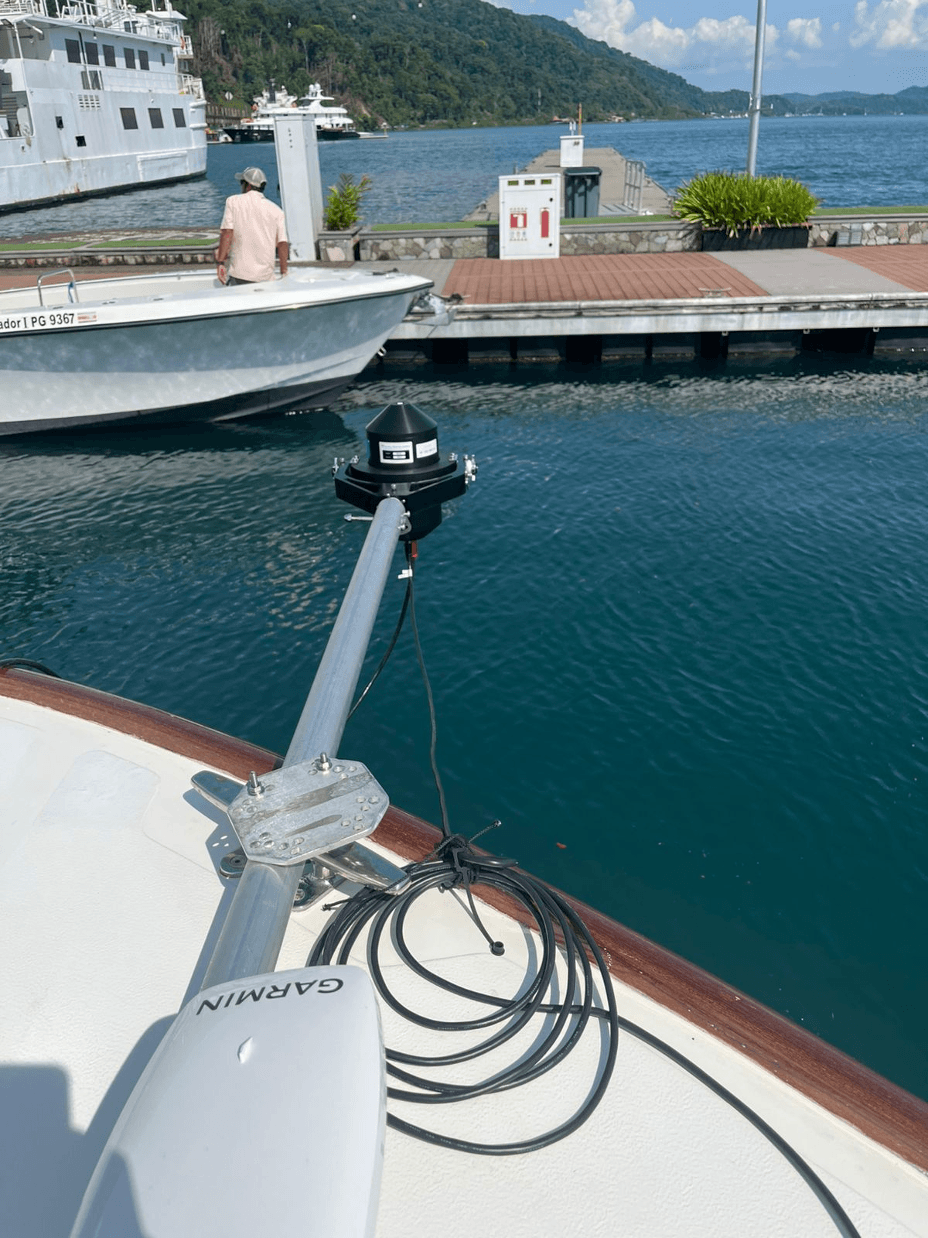
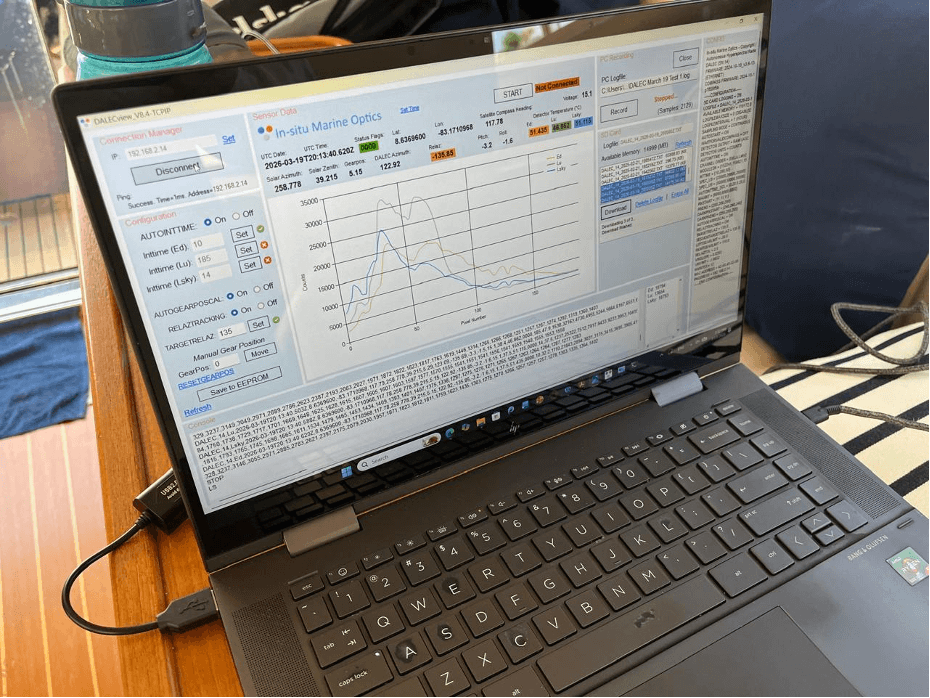
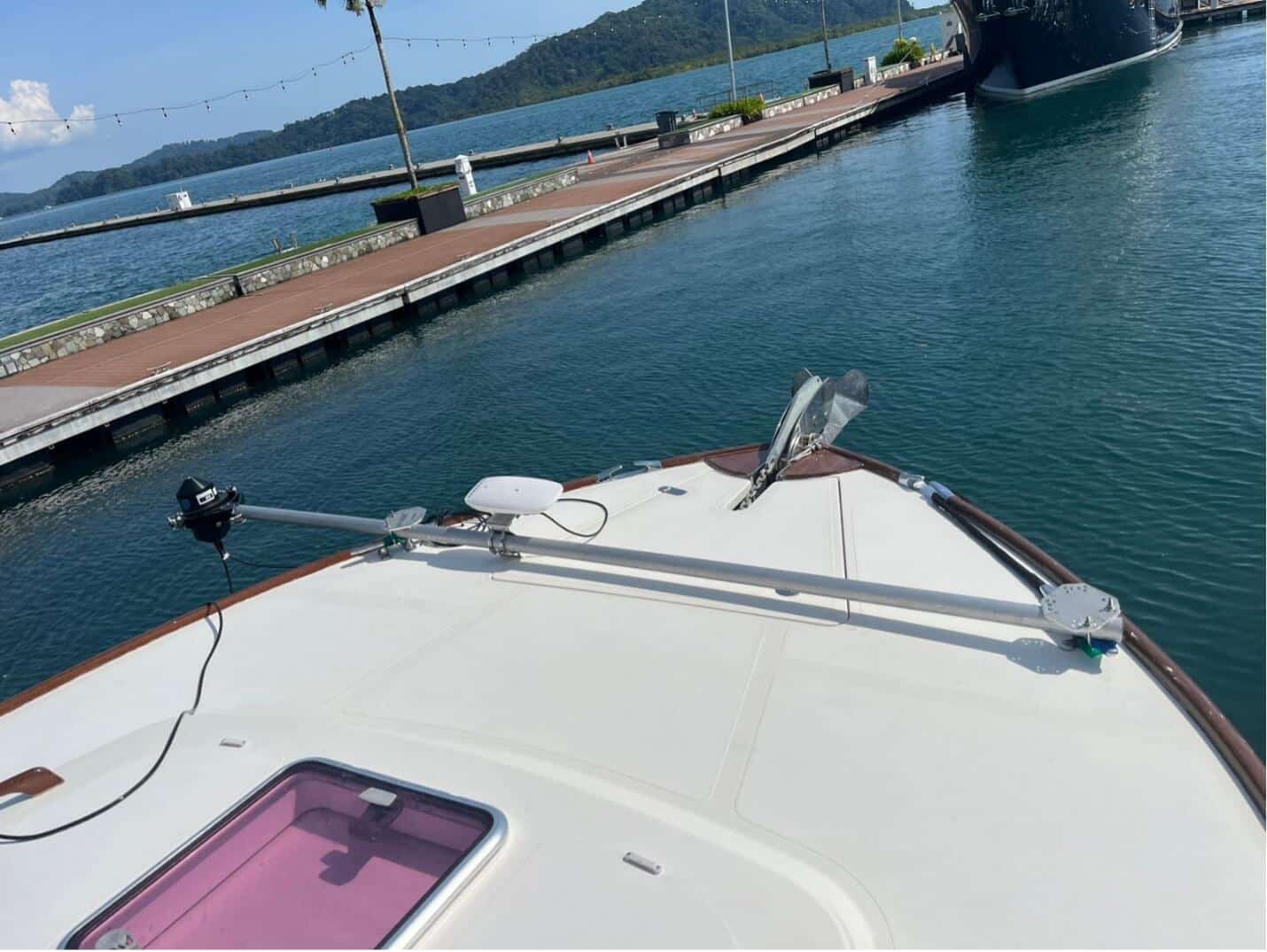
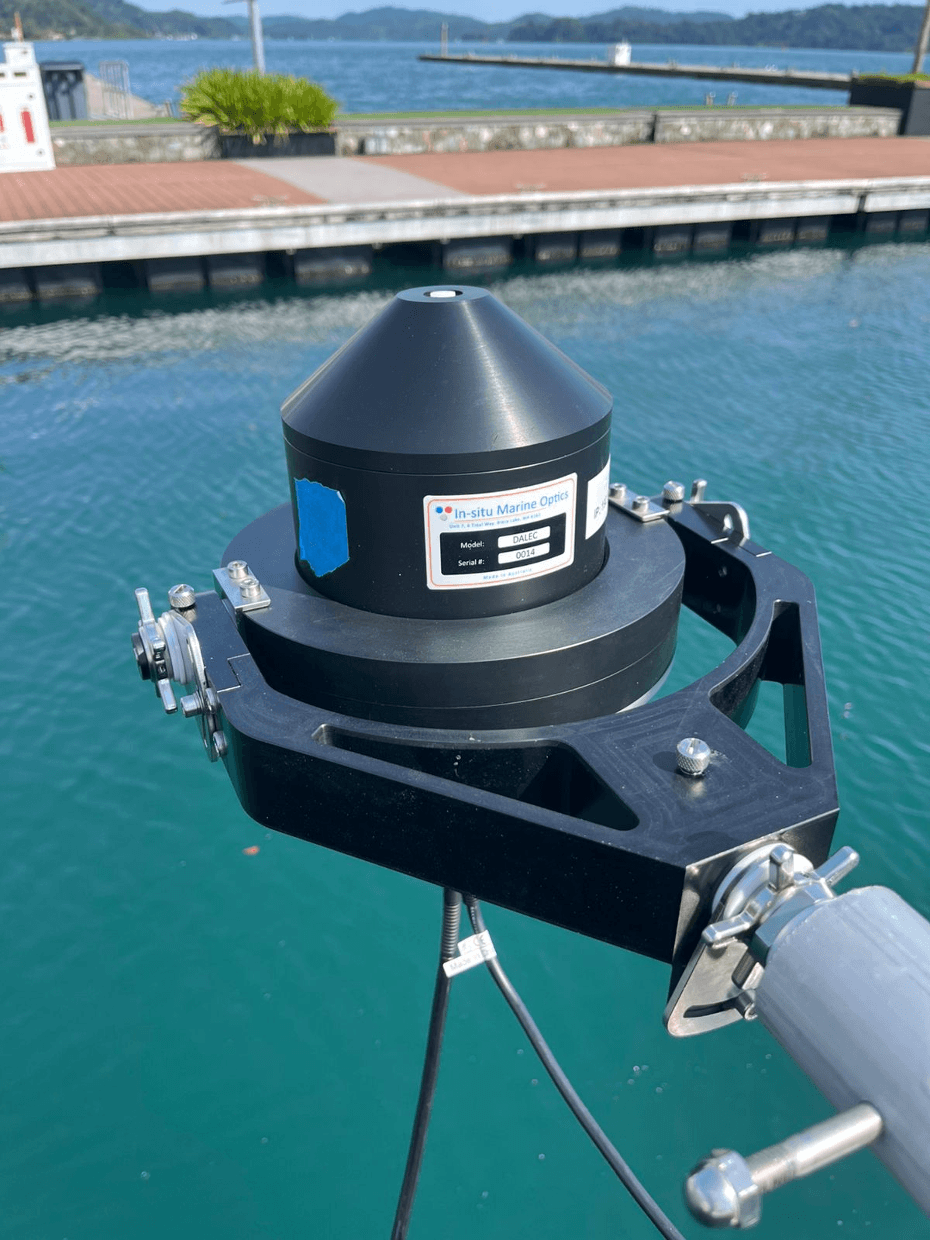
Field measurements are collected using a DALEC (Data Acquisition for Lw and Ed Characterization) system, an instrument that measures how light enters and exits the ocean to support satellite observations. These measurements are used to derive remote sensing reflectance (Rrs), the key variable observed by satellites, and are essential for validating and improving satellite data products.
FECOP works in coordination with NASA and collaborating scientists to process, quality-control, and analyze these datasets, contributing to calibration and validation efforts—particularly in the Eastern Tropical Pacific, where in situ data remain limited.
Location
Golfo Dulce, Costa Rica
Duration of Project
This a long term/ongoing monitoring project that SeaKeepers will be supporting into the future of the PACE mission.
Research Team
Johel Chaves, FECOP
Henry Marín, FECOP


Photo Gallery