
Understanding Flooded Forests: Long-Term Research in the Amazon
- December 1 - 8, 2025
- Amazon, Brazil
Project Overview
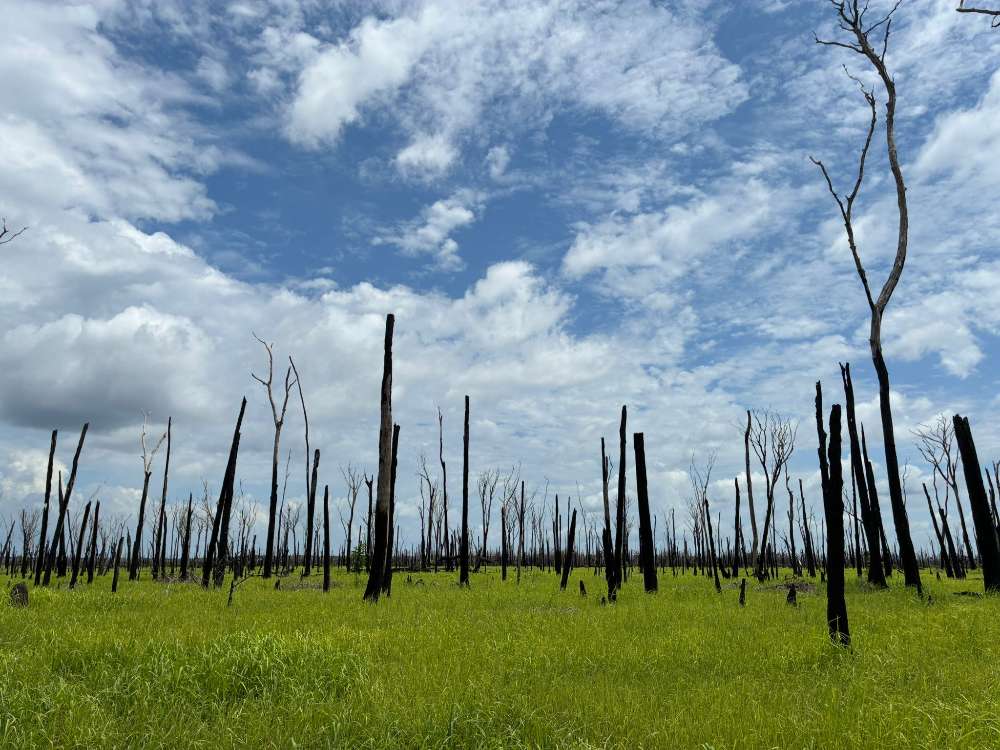
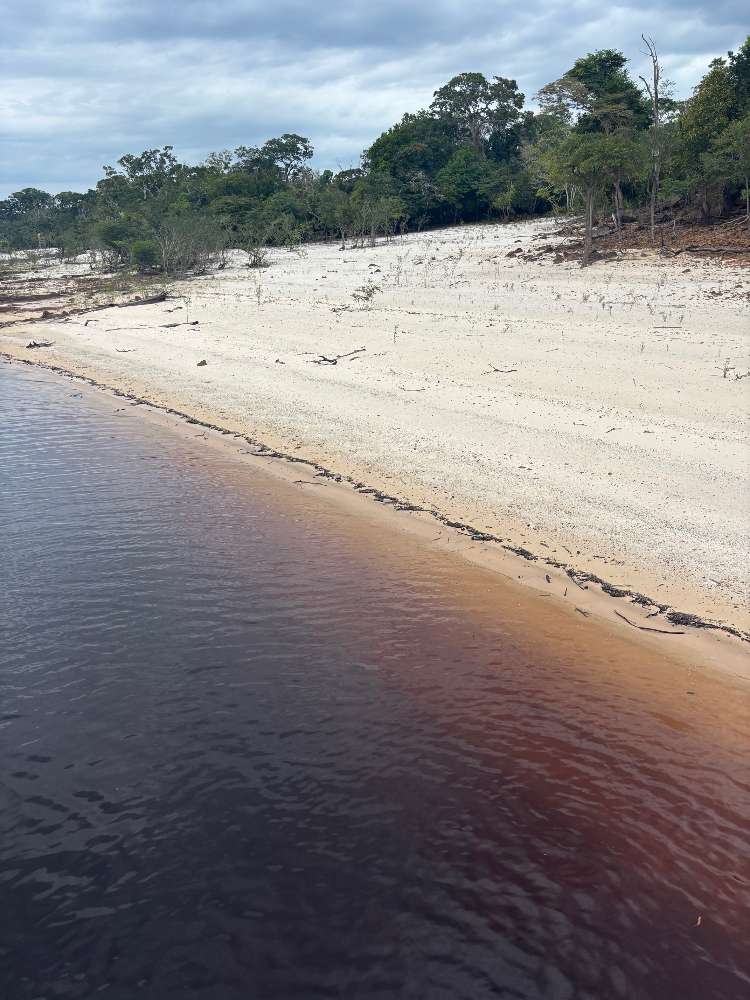
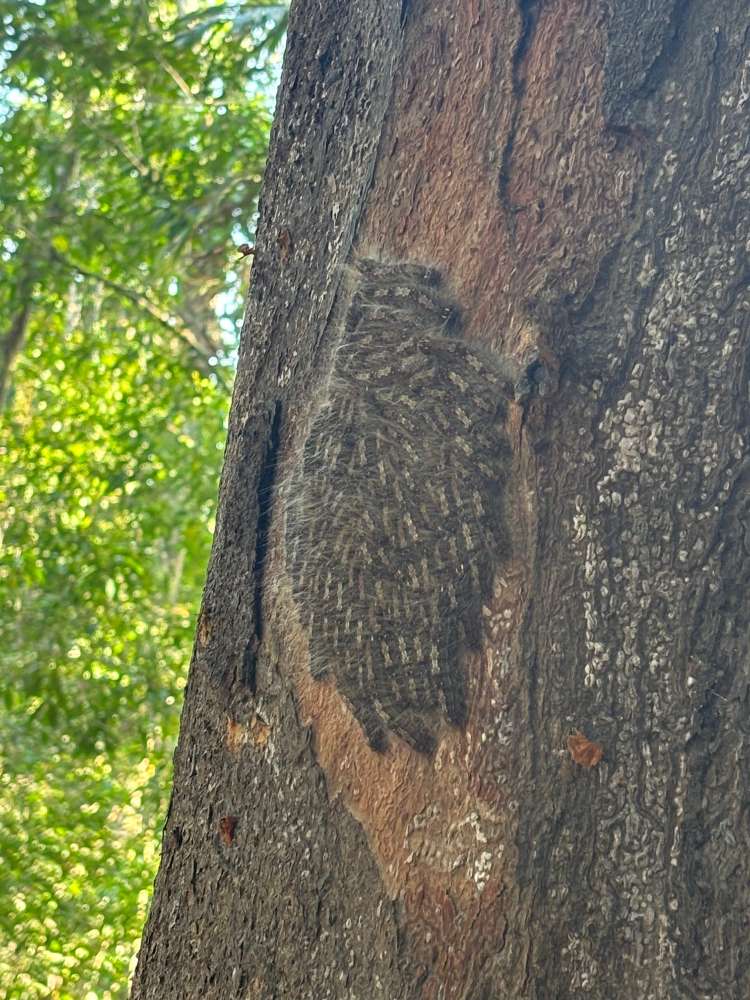
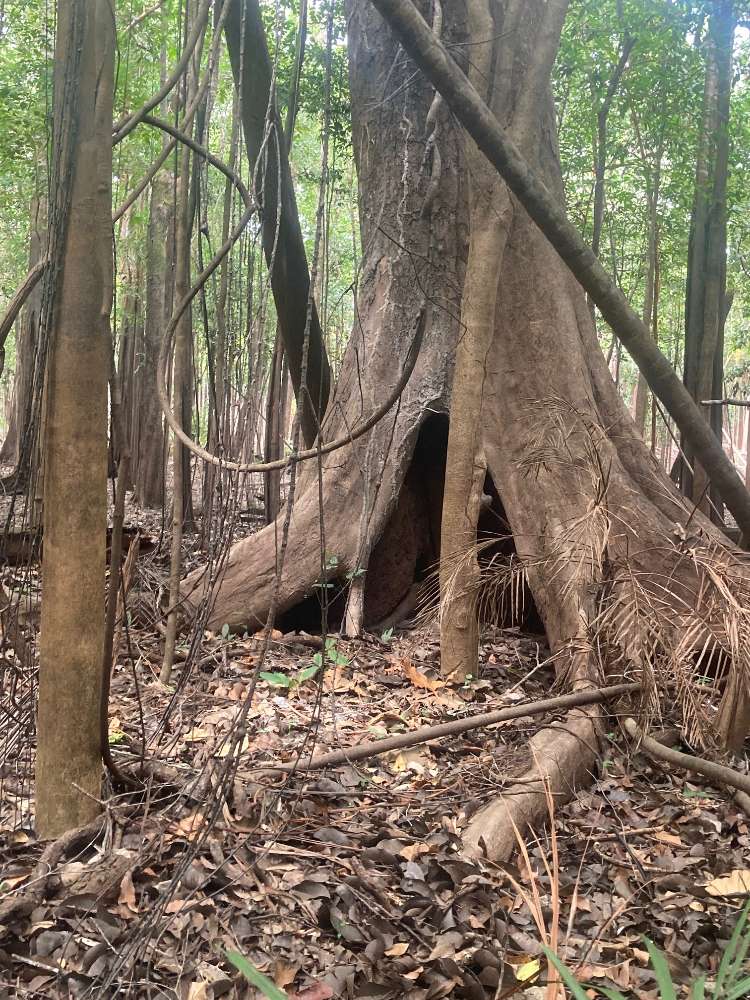
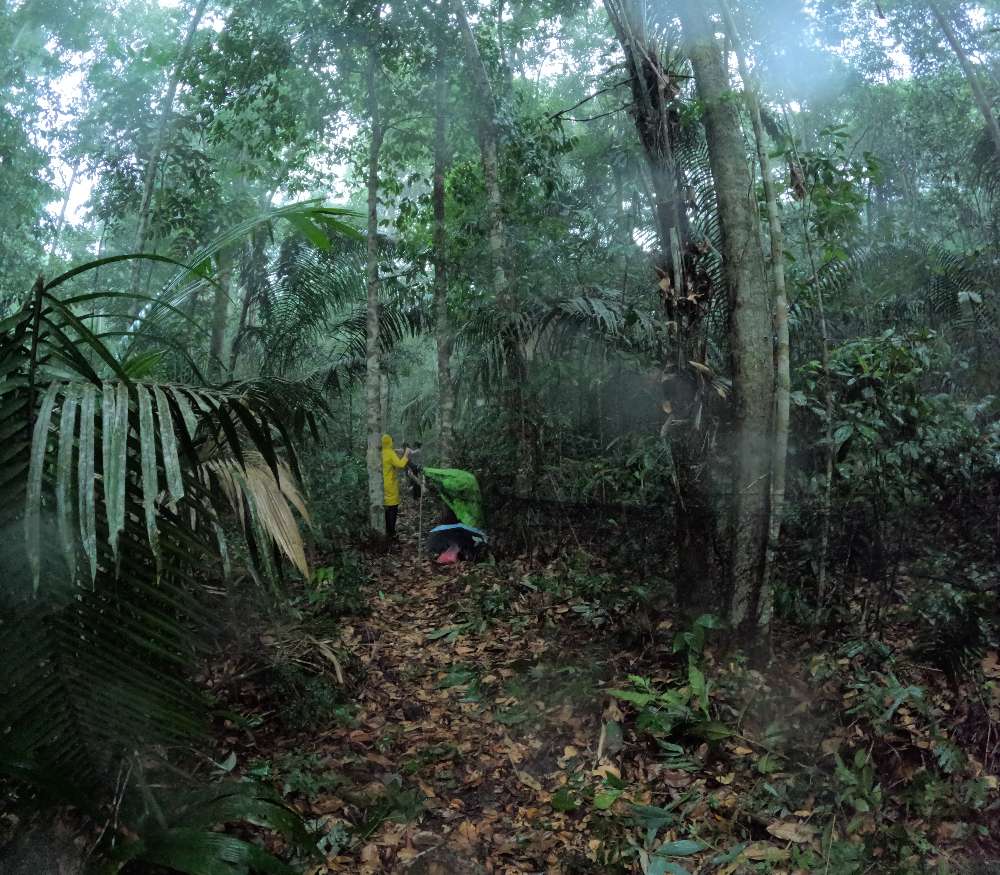
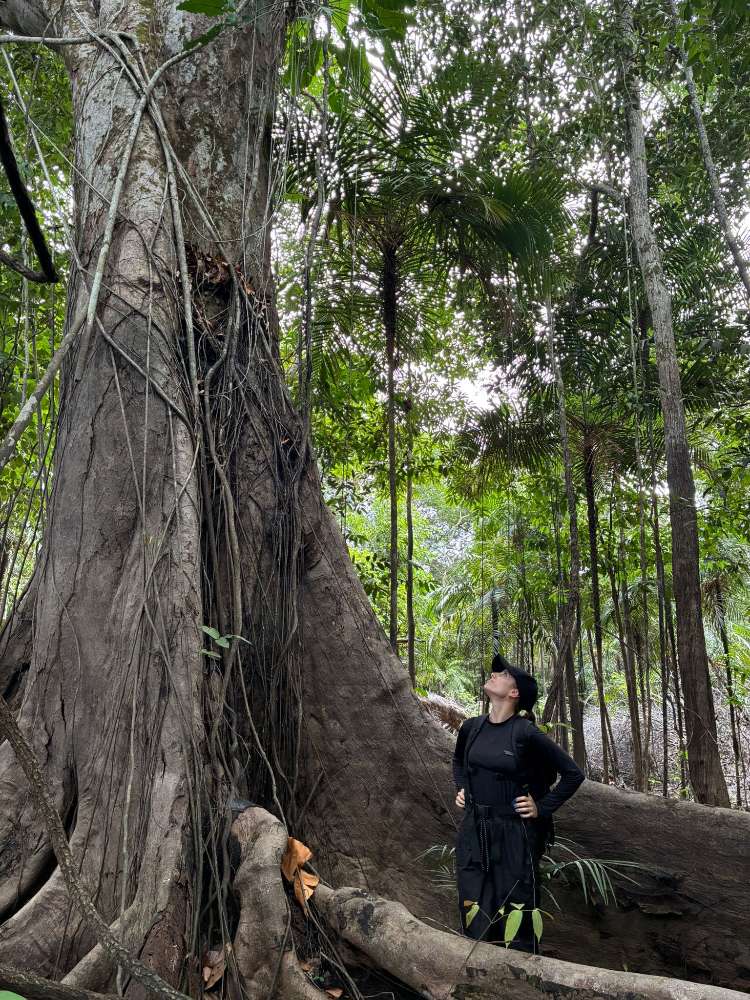
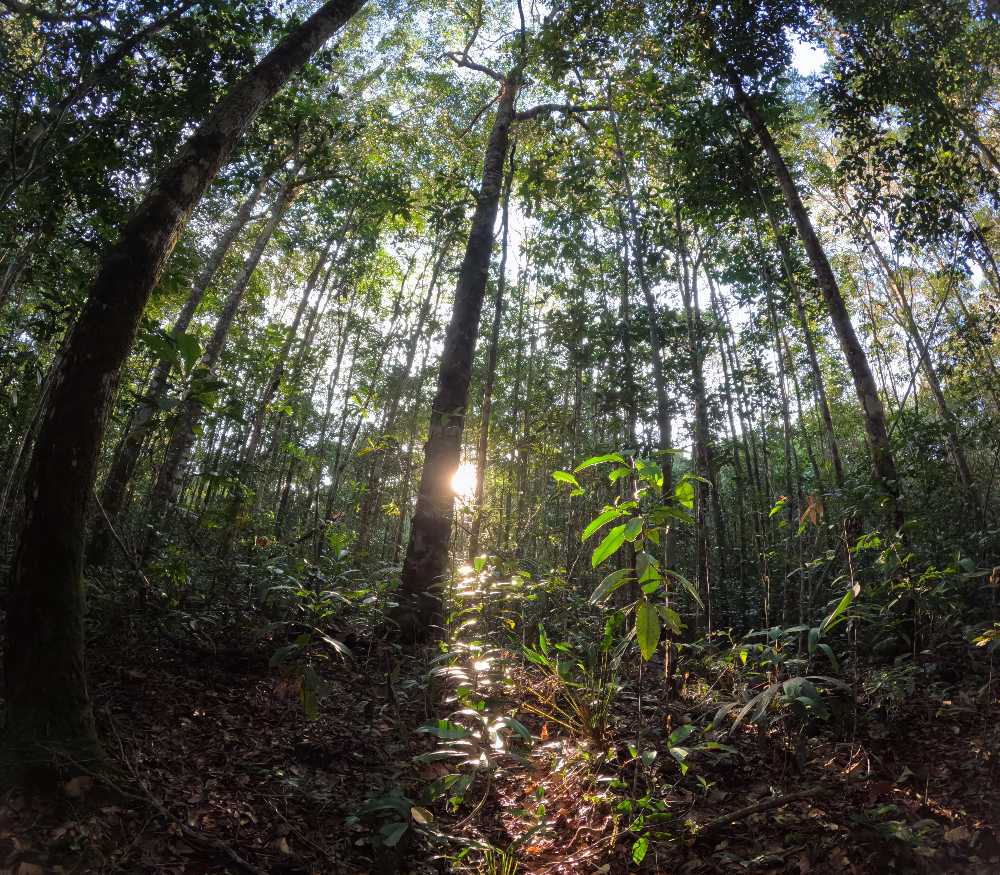
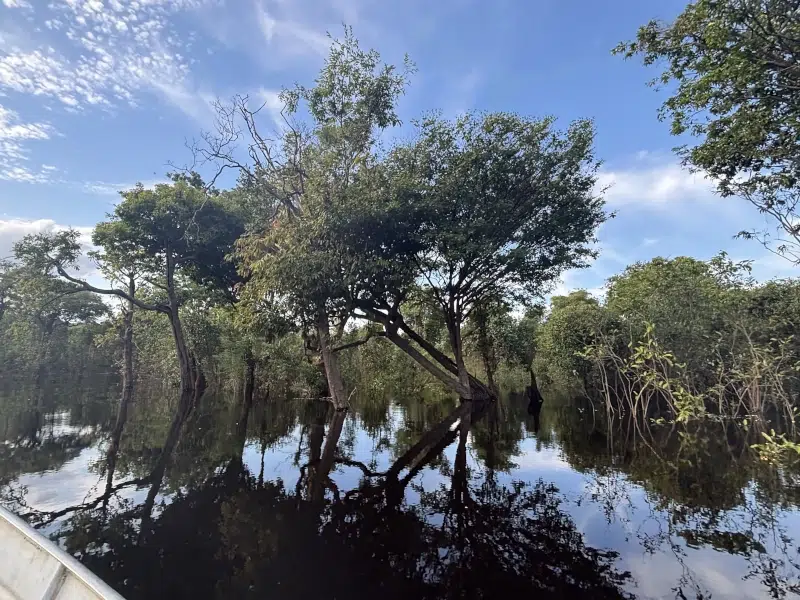
Igapo, or blackwater flooded forests are seasonally flooded forest. In the flood season, the forest is submerged in water, which can last up to 6 months of the year. Despite the Amazon being the largest tropical forest on the planet with the highest biodiversity, hundreds of hectares are being deforested every day. Climate extremes, such as El Nino affects the forest precipitation leading to dryer conditions, making the forest more susceptible to anthropic fire, which can be seen for over 10-20 years after the fire event, therefore affecting both fauna and flora. Research in the Amazon is challenging due to long distances and high cost of field expeditions. As a result, very little is known of the biodiversity, specially of the flooded plane forests.
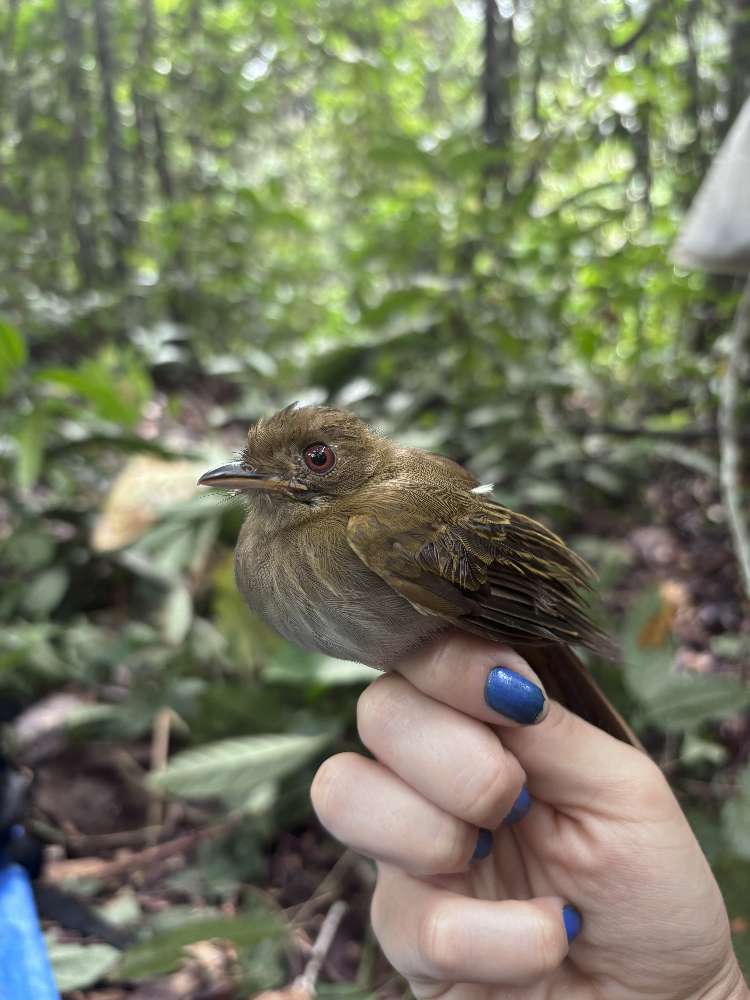
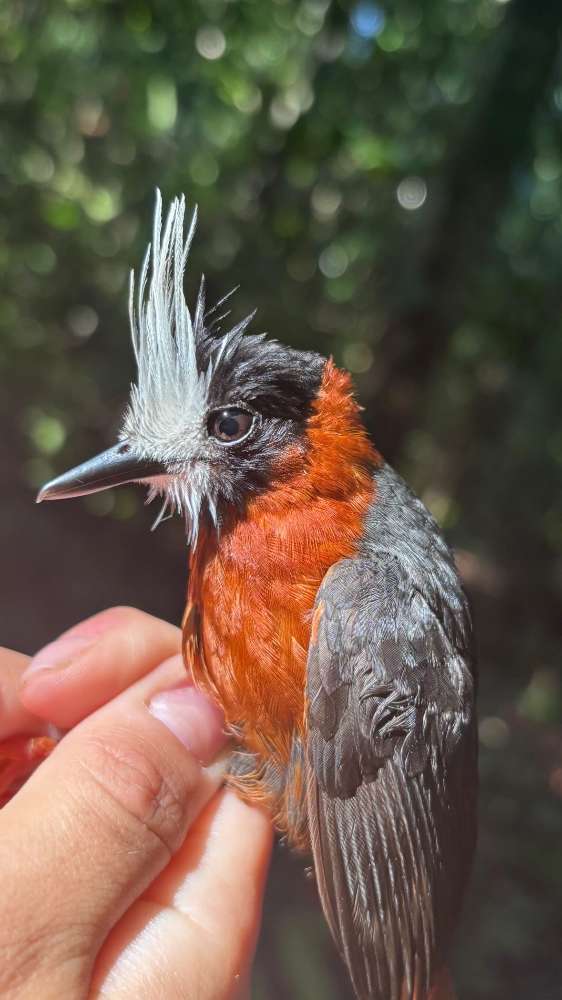
The aim of this expedition was to monitor the forest dynamics in the igapó to understand how of these forests behave over the long term in the face of increasing frequent climate events and how these changes will affect livelihood of Amazonian populations. This expedition also aimed to understand how the bird communities change across different environments including the ones affected by human activities such as fire. The birds were identified, biological information such as habitats was collected and blood samples were taken to obtain genetic data to incorporate in the genetic resource collection at INPA that can be accessed globally.
Expedition Summary
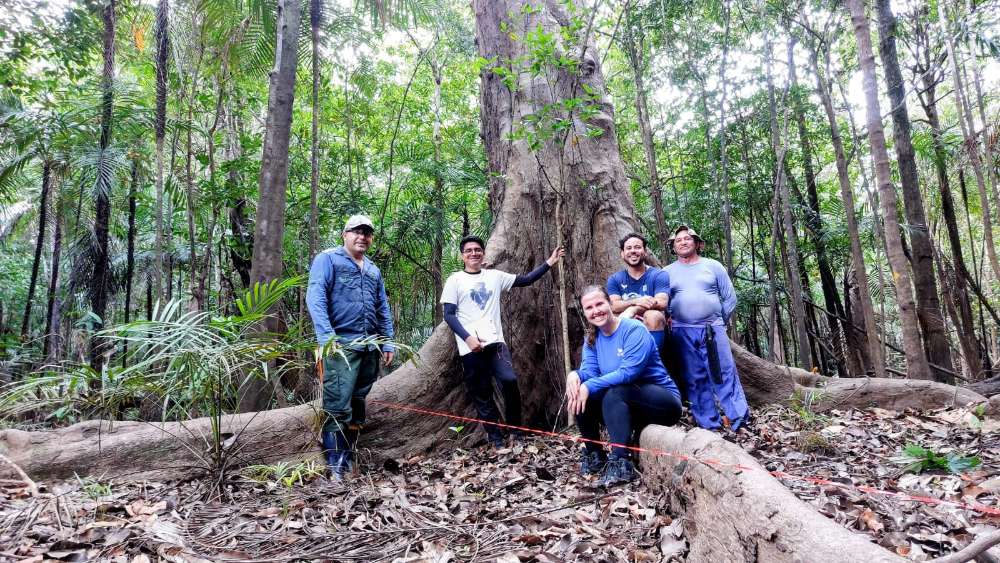
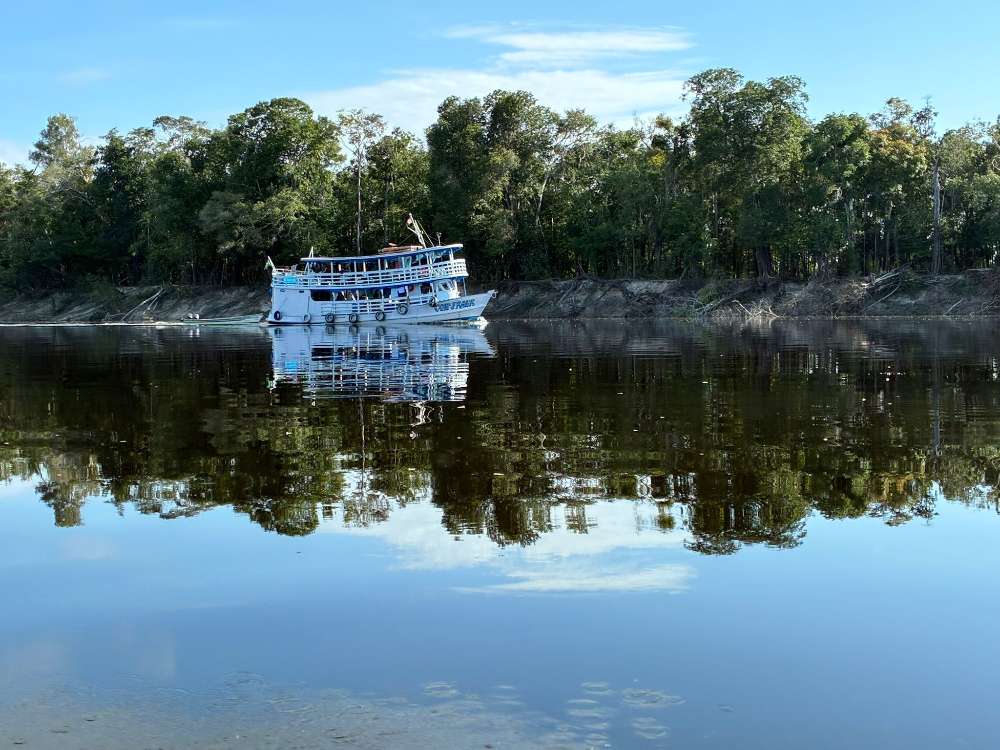
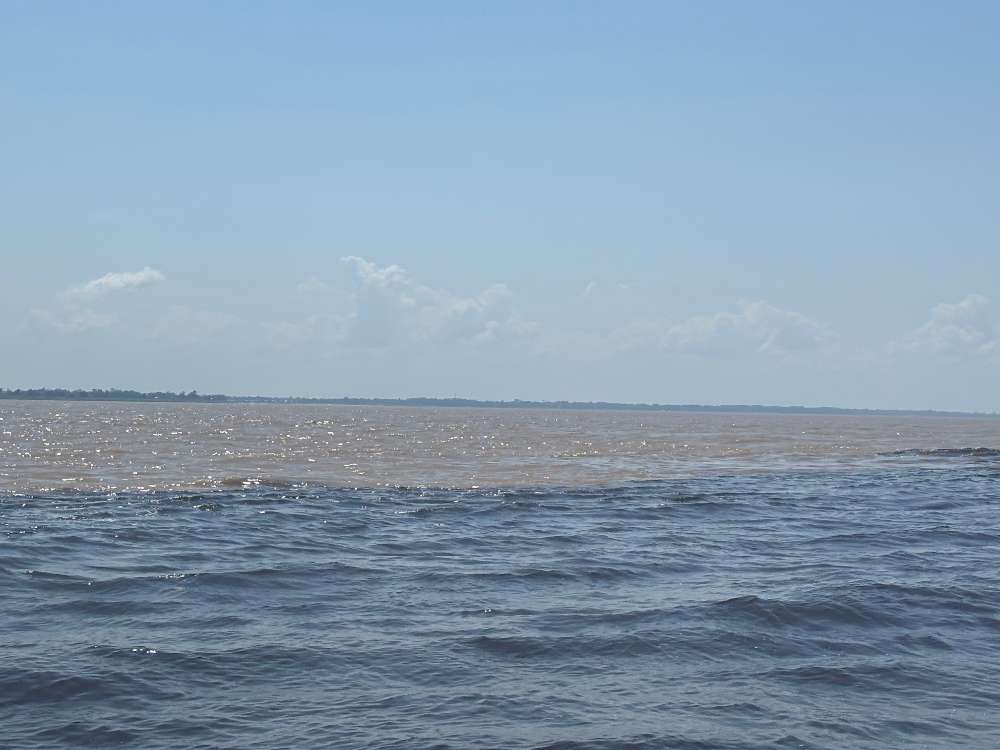
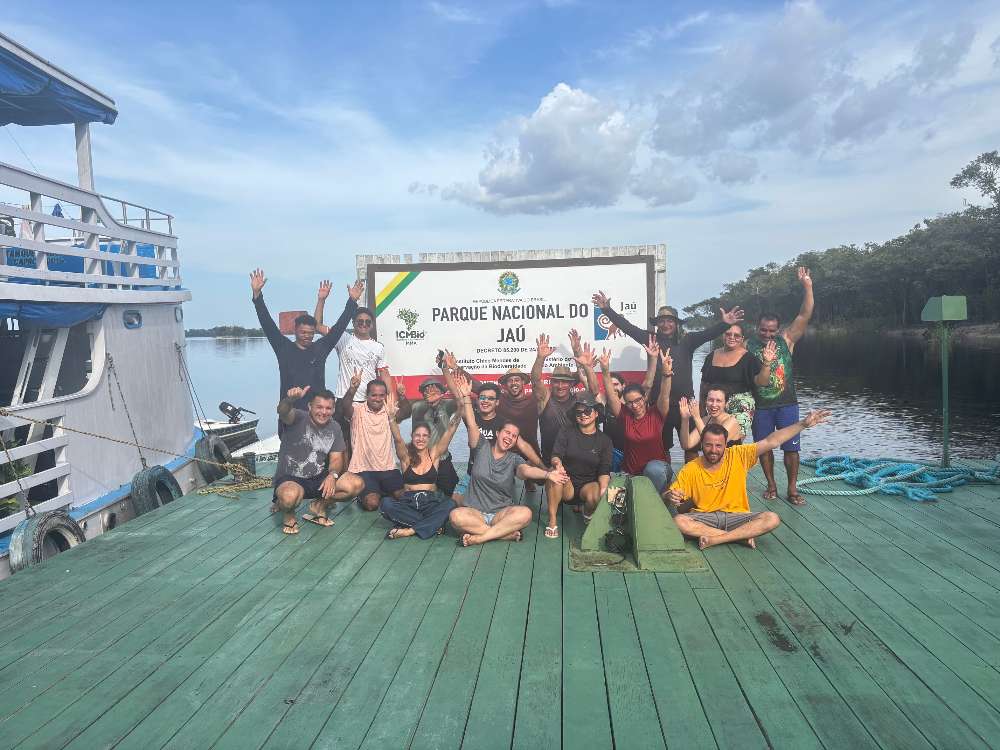
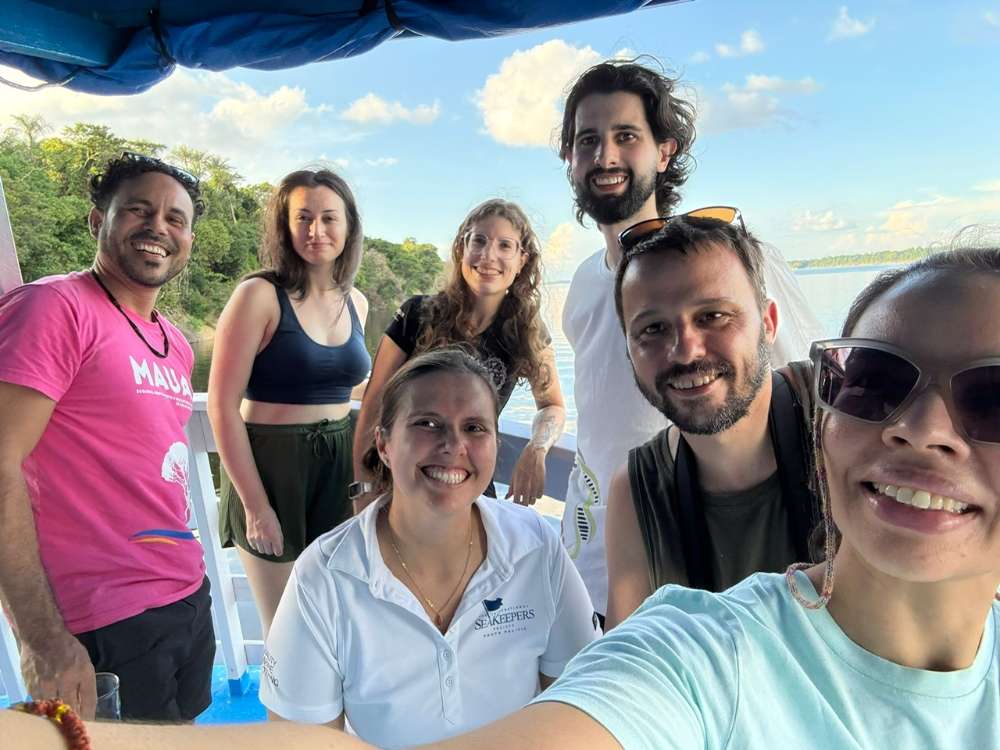
From December 1–8, 2025, Alessandra Vallim, Programme Manager for the South Pacific, joined researchers from the National Institute for Amazonian Research (INPA) on an expedition to Jaú National Park in the Brazilian Amazon. Traveling aboard the research vessel Comte. Frank, the team navigated the Black River to reach remote Igapó forest sites along the Jaú River.
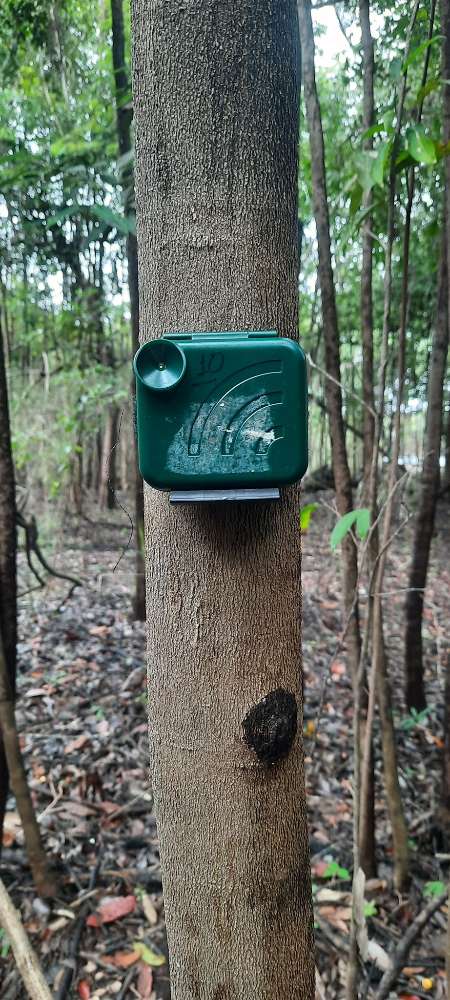
Multiple research groups participated in the expedition. The PELD-MAUA team conducted long-term forest monitoring by measuring tree growth and biomass across established plots, recording data from thousands of trees. Ornithology teams deployed mist nets to safely capture birds for identification, measurements, and genetic sampling, and installed autonomous acoustic recorders to document bird species through their vocalizations.
This SeaKeepers-supported expedition generated critical baseline data from a poorly studied ecosystem and will contribute to future scientific publications, genetic databases, and conservation planning.
Location
Amazon, Brazil
Leadership
- Adriano Quaresma, Lead Scientist
Publications
Valentim, C., Capurucho, J. M. G., Bobrowiec, P. E. D., Leite, G. A., Martins, G. M., Schöngart, J., & Ribas, C. C. (2025). Fire Effects on Bird Communities From Seasonally Flooded Forests Along Amazonian Black Water Rivers of the Negro River Basin. Diversity and Distributions, 31(5), e70035.
Photo Gallery